
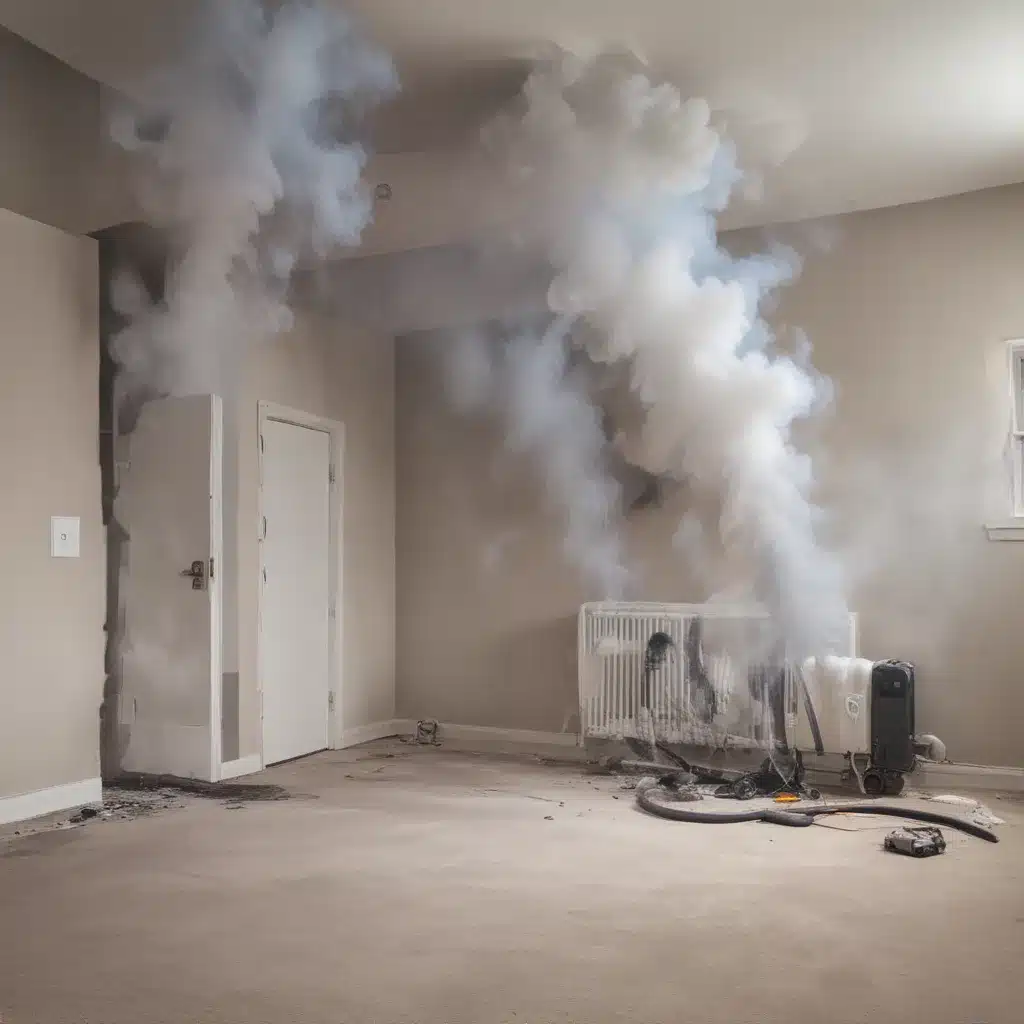
Smoke Alarms: The Unsung Heroes of Home Safety
As a homeowner in Aberdeen, UK, I’ve come to realize that smoke alarms are the unsung heroes of home safety. They’re the silent sentinels, standing guard day and night, ready to sound the alarm and keep my family safe. But did you know that almost three out of five fire fatalities from 2014 to 2018 happened in properties with no alarms or where alarms failed to operate? That’s a sobering statistic, and it’s one that has made me even more vigilant about ensuring my home is properly equipped.
To keep your family safe, the Consumer Product Safety Commission recommends having a working smoke alarm on every floor of your home, preferably in every bedroom. These little devices are your first line of defense against the devastating effects of fire, and they can mean the difference between a close call and a tragedy.
But it’s not enough to just have smoke alarms – they need to be properly installed and maintained. That’s where a lot of homeowners fall short. According to the National Fire Protection Association, in homes with working smoke alarms, 22% of those killed had been alerted by the alarm but failed to respond, and 11% were not alerted by the working smoke alarm. So, not only do you need to have them in place, but you also need to make sure they’re in good working order and that your family knows what to do when they sound.
The Invisible Threat: Carbon Monoxide
While smoke alarms are crucial, there’s another silent killer lurking in our homes – carbon monoxide (CO). This colorless, odorless gas is impossible to detect without an alarm, and the U.S. Fire Administration estimates that more than 150 people die every year from accidental carbon monoxide poisoning.
The sources of CO can be varied and unexpected, ranging from faulty appliances and equipment to improperly used vehicles and generators. And the symptoms of poisoning – nausea, dizziness, and headaches – can be mistaken for the flu, making it even more crucial to have a CO detector in your home.
Just like with smoke alarms, the Consumer Product Safety Commission recommends installing a CO detector on each level of your home and outside sleeping areas. And, of course, make sure to test the batteries monthly and replace the detectors every five to seven years.
The Invisible Killer: Understanding Carbon Monoxide
Carbon monoxide is a silent killer, and it’s one that we need to take seriously. According to the National Fire Protection Association, more than 400 Americans die from unintentional carbon monoxide poisoning each year, and more than 50,000 visit the emergency room due to accidental exposure.
The reason CO is so dangerous is that it’s impossible to detect without a dedicated alarm. It’s colorless, odorless, and can build up quickly in enclosed spaces. And the symptoms of CO poisoning – nausea, dizziness, and headaches – can be easily mistaken for the flu or other common illnesses.
So, what are the sources of this invisible killer? According to Kidde, a leading manufacturer of smoke and CO alarms, a multitude of everyday products can emit carbon monoxide, including dryers, water heaters, furnaces, boilers, wood-burning fireplaces, gas stoves, and even lawn equipment. That means that even if you’re vigilant about fire safety, you could still be at risk from this hidden danger.
Protecting Your Home and Family
So, what can you do to keep your home and family safe from the dual threats of fire and carbon monoxide? It all starts with being proactive and taking some simple steps:
-
Install Smoke Alarms: Make sure you have a working smoke alarm on every floor of your home, and ideally in every bedroom. Test the batteries monthly and replace the alarms every 10 years.
-
Install Carbon Monoxide Detectors: Just like with smoke alarms, you should have a CO detector on each level of your home and outside sleeping areas. Again, test the batteries monthly and replace the detectors every 5-7 years.
-
Maintain Your Home Appliances: Regular maintenance and inspections of your home’s appliances, equipment, and heating systems can go a long way in preventing carbon monoxide leaks and other hazards.
-
Practice Home Fire Drills: Ensure your family knows what to do in case of a fire or CO emergency. Establish a meeting place outside and practice your escape plan regularly.
-
Consider a Monitored Security System: A home security system that includes smoke and CO monitoring can provide an extra layer of protection, automatically alerting the authorities if an emergency is detected.
By taking these steps, you can help ensure the safety of your home and your loved ones. After all, ABC Home Renovations isn’t just about making your house look beautiful – it’s about creating a safe, secure, and comfortable environment for you and your family.
So, let’s raise a glass (of non-flammable, CO-free liquid, of course) to the unsung heroes of home safety – our trusty smoke alarms and carbon monoxide detectors. With them on the job, we can rest a little easier, knowing that our homes and our families are protected.


