
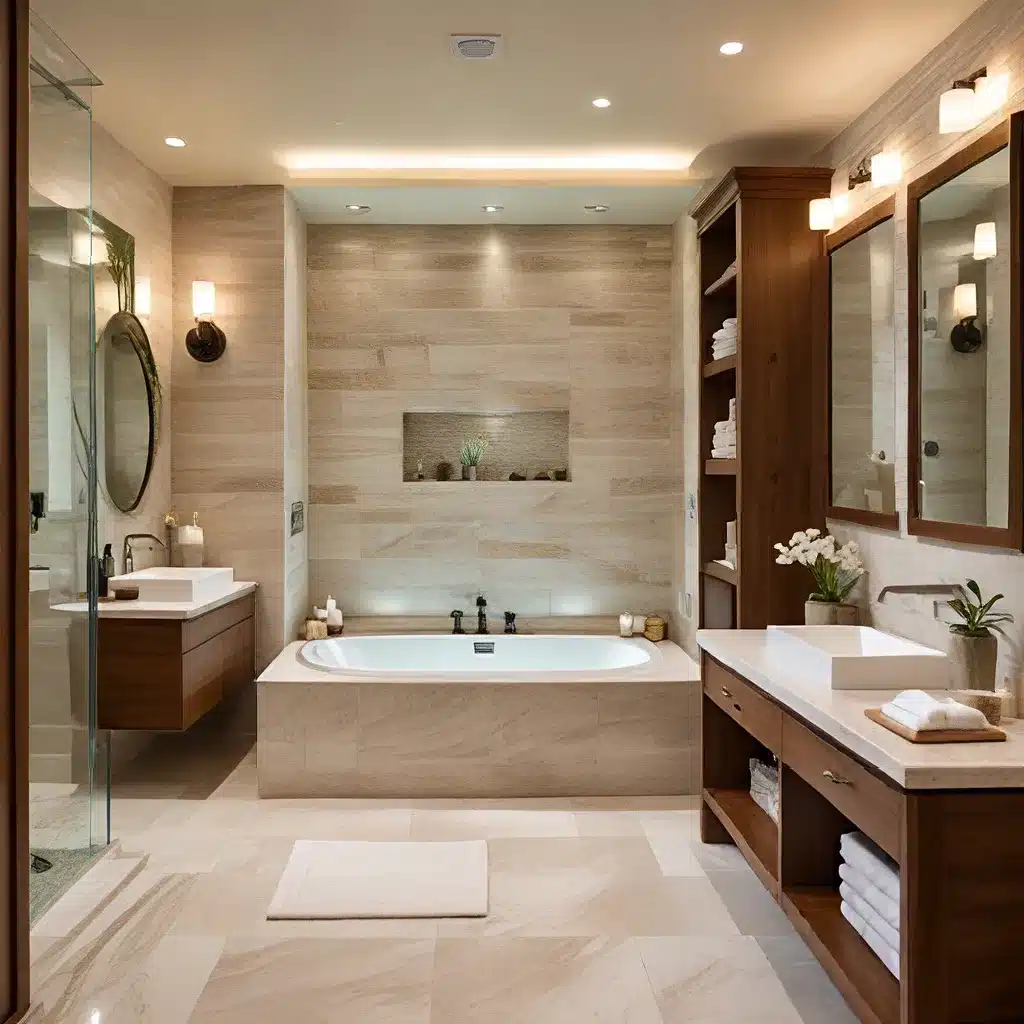
Understanding the Importance of a Serene Bathroom Space
In today’s fast-paced world, the bathroom has evolved from a purely functional space to a personal sanctuary where one can unwind and rejuvenate. Creating a relaxing bathroom retreat is not just about luxury; it’s about fostering a space that promotes well-being and stress relief. In the UK, particularly in areas like Aberdeen, homeowners are increasingly recognising the value of investing in their bathrooms to create a spa-like atmosphere.
The concept of a bathroom retreat goes beyond mere aesthetics. It encompasses a holistic approach to design, focusing on elements that engage all the senses and promote relaxation. From the tactile experience of soft towels to the visual calm of a well-chosen colour palette, every aspect plays a role in creating a tranquil environment.
Moreover, a well-designed bathroom can significantly increase property value. According to recent UK property market trends, homes with updated, spa-like bathrooms tend to sell faster and at higher prices. This makes the investment in a bathroom renovation not just a personal indulgence but a sound financial decision as well.
Planning Your Bathroom Renovation: UK Regulations and Considerations
Before embarking on a bathroom renovation project, it’s crucial to understand and comply with UK building regulations. These regulations ensure that any modifications or new installations meet safety standards and are energy-efficient.
Building Regulations Compliance
In the UK, bathroom renovations often fall under ‘Building Regulations Part G’, which covers sanitation, hot water safety, and water efficiency. Key points to consider include:
- Adequate ventilation to prevent dampness and mould growth
- Proper installation of electrical fixtures, adhering to safety zones around water sources
- Water-efficient fittings to meet conservation standards
- Structural considerations if moving plumbing or altering room layout
It’s advisable to consult with a qualified building control officer or approved inspector to ensure your plans comply with all relevant regulations. Failure to comply can result in fines and may require costly remedial work.
Planning Permission
While most internal renovations don’t require planning permission, there are exceptions. If you’re extending the bathroom, altering the external appearance of the building, or if your property is listed, you may need to seek approval from your local planning authority.
Energy Efficiency Considerations
As of September 2024, UK regulations place a strong emphasis on energy efficiency in home improvements. When designing your bathroom retreat, consider:
- Installing low-flow fixtures to reduce water consumption
- Choosing energy-efficient lighting options, such as LED
- Incorporating proper insulation to maintain comfortable temperatures
By adhering to these regulations and considerations, you ensure that your bathroom retreat is not only relaxing but also compliant and environmentally responsible.
Choosing a Calming Colour Palette
The colour scheme of your bathroom plays a crucial role in creating a relaxing atmosphere. In the UK, certain colour trends have emerged as particularly popular for creating spa-like bathrooms.
Neutral Tones
Neutral colours provide a timeless and calming backdrop for a bathroom retreat. Consider shades such as:
- Soft greys
- Warm beiges
- Crisp whites
These colours create a sense of spaciousness and tranquility, allowing other design elements to stand out.
Nature-Inspired Hues
Drawing inspiration from the natural world can enhance the relaxing qualities of your bathroom. Popular choices include:
- Sage green
- Pale blue
- Soft lavender
These colours can evoke a sense of connection with nature, promoting relaxation and well-being.
Colour Psychology in Bathroom Design
Understanding the psychological impact of colours can help in creating the desired atmosphere:
| Colour | Psychological Effect | Best Used For |
|---|---|---|
| Blue | Calming, promotes relaxation | Overall wall colour, accessories |
| Green | Refreshing, balancing | Plants, accent walls |
| White | Clean, spacious feeling | Fixtures, tiles |
| Beige | Warm, comforting | Textiles, wood elements |
When selecting your colour palette, consider the natural light in your bathroom and how different colours may appear at various times of the day. It’s often helpful to test paint samples on the walls before making a final decision.
Incorporating Natural Elements for a Spa-Like Feel
Bringing elements of nature into your bathroom design can significantly enhance its spa-like qualities. Natural materials not only add visual warmth but also create a sensory experience that promotes relaxation.
Stone and Pebbles
Incorporating stone elements can add a luxurious, grounding feel to your bathroom. Consider:
- Natural stone tiles for flooring or accent walls
- Pebble shower floors for a massage-like experience underfoot
- Stone basins or countertops for a touch of organic elegance
When selecting stone materials, ensure they are properly sealed to withstand the humid bathroom environment and comply with UK slip resistance standards.
Wood Accents
Wood brings warmth and a connection to nature. In bathroom design, consider:
- Wooden vanity units or shelving
- Teak bath mats or shower floors
- Wooden framed mirrors or accessories
Choose woods that are naturally water-resistant or properly treated for bathroom use to ensure longevity and compliance with moisture resistance regulations.
Living Plants
Incorporating plants into your bathroom design not only adds visual appeal but can also improve air quality. Some suitable options for UK bathrooms include:
- Ferns
- Peace lilies
- Bamboo
Ensure proper lighting and ventilation for your chosen plants, and consider the additional maintenance they may require.
Lighting Design for Relaxation and Functionality
Effective lighting is crucial in creating a relaxing bathroom atmosphere while ensuring practical functionality. In the UK, bathroom lighting must comply with specific regulations to ensure safety in wet environments.
Layered Lighting Approach
A well-designed bathroom incorporates multiple layers of lighting:
-
Ambient Lighting: Provides overall illumination. Consider recessed ceiling lights or a central pendant fixture.
-
Task Lighting: Focused lighting for specific activities like grooming. Wall sconces or vanity lights around mirrors are effective.
-
Accent Lighting: Highlights design features or creates ambiance. LED strip lighting or small spotlights can be used.
Safety Considerations
UK regulations categorise bathrooms into zones based on proximity to water sources. Each zone has specific requirements for electrical fittings:
| Zone | Description | Allowed Fittings |
|---|---|---|
| 0 | Inside the bath or shower | No electrical fittings |
| 1 | Above the bath/shower to 2.25m from floor | IPX4 rated or better |
| 2 | 0.6m surrounding zone 1 and above | IPX4 rated or better |
| Outside zones | Rest of the bathroom | Standard domestic fittings |
Always consult a qualified electrician to ensure your lighting plan complies with these safety standards.
Dimmer Switches and Smart Lighting
Installing dimmer switches allows for adjustable lighting levels, enhancing the spa-like atmosphere. Smart lighting systems can offer pre-set scenes for different moods or times of day. When installing these features, ensure they are compatible with the specific requirements of bathroom electrics in the UK.
By carefully planning your lighting design, you can create a bathroom that is both relaxing and functional, while adhering to all necessary safety regulations.
Luxurious Fixtures and Fittings
Selecting the right fixtures and fittings is crucial in creating a spa-like bathroom retreat. In the UK, there’s a growing trend towards high-quality, water-efficient fixtures that combine luxury with practicality.
Showers and Bathtubs
The centrepiece of many relaxing bathrooms is often the shower or bathtub. Consider these options:
-
Rainfall Showerheads: Provide a gentle, immersive shower experience. Ensure your plumbing system can support the water pressure required.
-
Freestanding Baths: Offer a luxurious focal point. Check floor strength to support the weight when filled.
-
Whirlpool Tubs: Provide hydrotherapy benefits. Ensure proper electrical installation and drainage.
When selecting these fixtures, look for the Water Label, which indicates water efficiency ratings in line with UK standards.
Taps and Mixers
Choose taps and mixers that complement your overall design while offering water-saving features:
-
Thermostatic Mixers: Maintain consistent water temperature and can include flow restrictors.
-
Sensor Taps: Reduce water waste and add a touch of modernity.
-
Waterfall Taps: Create a spa-like ambiance but check water pressure compatibility.
Toilets and Bidets
Modern toilet designs can enhance both the aesthetics and functionality of your bathroom:
-
Wall-Hung Toilets: Create a sense of space and are easier to clean.
-
Dual-Flush Systems: Offer water-saving options, now standard in UK bathrooms.
-
Smart Toilets: Feature heated seats, built-in bidets, and automatic flushing.
Comparison of Water Efficiency Ratings
When selecting fixtures, consider their water efficiency ratings:
| Fixture Type | Standard Usage | Water-Efficient Usage |
|---|---|---|
| Toilet | 6 litres/flush | 4-4.5 litres/flush |
| Shower | 12 litres/min | 8 litres/min or less |
| Basin Tap | 10 litres/min | 5-6 litres/min |
Choosing water-efficient fixtures not only supports sustainability but can also lead to reduced water bills.
Flooring Options for Comfort and Safety
The right flooring can significantly impact the overall feel and safety of your bathroom retreat. In the UK, bathroom flooring must meet specific standards for water resistance and slip prevention.
Tile Options
Tiles remain a popular choice for UK bathrooms due to their durability and water resistance:
- Porcelain Tiles: Highly water-resistant and available in various designs.
- Natural Stone Tiles: Offer unique patterns but require regular sealing.
- Large Format Tiles: Create a seamless look with fewer grout lines.
When selecting tiles, ensure they have a minimum R10 slip resistance rating for bathroom use.
Vinyl and Luxury Vinyl Tiles (LVT)
Vinyl flooring has seen significant improvements in quality and design:
- Water-resistant and easy to clean
- Available in wood and stone effect finishes
- Provides a warmer underfoot feel compared to tiles
Look for vinyl flooring with a minimum R10 slip resistance rating and ensure it’s properly installed to prevent water ingress.
Engineered Wood
For those seeking a natural wood look:
- Choose engineered wood specifically rated for bathroom use
- Ensure proper sealing and installation to prevent water damage
- Consider the higher maintenance requirements compared to other options
Underfloor Heating
Regardless of the flooring material, underfloor heating can add a luxurious touch to your bathroom retreat:
- Electric systems are often easier to install in existing bathrooms
- Water-based systems are more energy-efficient for new builds or major renovations
- Ensure compatibility with your chosen flooring material
When installing underfloor heating, adhere to UK building regulations regarding energy efficiency and electrical safety in bathrooms.
Storage Solutions for a Clutter-Free Space
Effective storage is essential in maintaining a serene, spa-like atmosphere in your bathroom retreat. Well-designed storage solutions not only keep the space tidy but also contribute to the overall aesthetic.
Built-in Cabinetry
Custom-built cabinets offer tailored storage solutions:
- Utilize full height of the room for maximum storage capacity
- Incorporate hidden compartments for a sleek look
- Consider moisture-resistant materials like marine-grade plywood
Ensure built-in units comply with UK building regulations, particularly regarding ventilation and potential impact on existing plumbing or electrical systems.
Floating Vanities
Floating vanities create a sense of space and are easier to clean:
- Choose models with ample drawer space
- Look for water-resistant finishes
- Consider integrated basin designs for a seamless look
When installing floating vanities, ensure the wall structure can support the weight, especially in older UK properties.
Open Shelving
Open shelves can add visual interest while providing accessible storage:
- Use for displaying decorative items and neatly folded towels
- Consider glass or water-resistant wood materials
- Ensure proper installation to support the weight of items
Comparison of Storage Options
| Storage Type | Pros | Cons |
|---|---|---|
| Built-in Cabinetry | Maximum storage, custom design | Higher cost, permanent installation |
| Floating Vanity | Modern look, easy cleaning underneath | Limited storage, requires strong wall support |
| Open Shelving | Decorative, easily accessible | Items exposed to moisture, regular dusting required |
When planning your storage solutions, consider the specific needs of your household and the items you need to store. A combination of closed and open storage often provides the best balance of functionality and aesthetics.
Creating a Sensory Experience
A truly relaxing bathroom retreat engages all the senses, creating an immersive spa-like experience. By carefully considering each sensory element, you can transform your bathroom into a haven of tranquility.
Visual Elements
Beyond colour schemes, consider:
- Artwork: Choose water-resistant prints or specially treated canvas art
- Mirrors: Strategically place mirrors to enhance light and create a sense of space
- Decorative accents: Add touches of luxury with metallic finishes or unique textures
Ensure all visual elements are suitable for the humid bathroom environment to prevent damage over time.
Auditory Considerations
Create a peaceful soundscape:
- Install a waterproof bluetooth speaker system for relaxing music
- Consider a small water feature for soothing ambient sounds
- Use sound-absorbing materials to minimize echo and create a cocoon-like atmosphere
When installing any electrical audio equipment, ensure it complies with UK regulations for bathroom electrics.
Tactile Experiences
Focus on textures that promote relaxation:
- High-quality, plush towels and bath mats
- Comfortable seating, such as a padded stool or chair
- Smooth, well-maintained fixtures and surfaces
Choose materials that are not only pleasing to touch but also practical for bathroom use, considering moisture resistance and ease of cleaning.
Aromatherapy and Air Quality
Incorporate pleasant scents and ensure good air quality:
- Use essential oil diffusers or scented candles (ensuring fire safety)
- Install a high-quality extractor fan to manage humidity and odours
- Consider an air purifying system for enhanced freshness
Ensure any electrical devices used for aromatherapy are suitable for bathroom use and properly installed according to UK safety standards.
Temperature Control
Maintain a comfortable temperature:
- Install a programmable thermostat for consistent warmth
- Consider heated towel rails for both warmth and practicality
- Ensure proper insulation to maintain temperature and reduce energy costs
When implementing heating solutions, adhere to UK building regulations regarding energy efficiency and electrical safety in bathrooms.
By carefully curating these sensory elements, you create a multi-dimensional relaxation experience in your bathroom retreat. Remember to balance aesthetic choices with practical considerations and always prioritize safety in this unique environment.
Sustainable and Eco-Friendly Design Choices
In line with growing environmental awareness and UK regulations promoting sustainability, incorporating eco-friendly elements into your bathroom design is both responsible and appealing. Sustainable choices can create a spa-like atmosphere while reducing your environmental impact and potentially lowering utility costs.
Water Conservation
Implementing water-saving features is crucial in UK bathroom design:
- Dual-Flush Toilets: Choose models that offer both low and high volume flushes.
- Low-Flow Showerheads: Look for models that maintain pressure while reducing water usage.
- Aerated Taps: These mix air with water, reducing flow without compromising effectiveness.
Ensure all fixtures meet or exceed the Water Label standards for efficiency.
Energy-Efficient Lighting and Heating
Reduce energy consumption with smart choices:
- LED Lighting: Opt for LED bulbs in all fixtures for longevity and energy savings.
- Motion Sensors: Install sensors to automatically control lighting in less frequently used areas.
- Energy-Efficient Ventilation: Choose extractor fans with low energy consumption ratings.
- Insulation: Proper insulation of walls and pipes reduces heat loss and energy waste.
All electrical installations must comply with Part P of the UK Building Regulations.
Sustainable Materials
Select materials with low environmental impact:
- Recycled Glass Tiles: Offer unique designs while repurposing materials.
- Bamboo: A rapidly renewable resource suitable for flooring or accessories.
- Reclaimed Wood: Can be used for vanities or decorative elements, adding character.
- Low-VOC Paints and Finishes: Reduce indoor air pollution and are healthier for occupants.
Ensure all materials meet UK standards for use in bathrooms, particularly regarding water resistance and safety.
Comparison of Eco-Friendly Options
| Feature | Traditional Option | Eco-Friendly Alternative | Potential Water/Energy Saving |
|---|---|---|---|
| Toilet | Standard 6L flush | Dual-flush (3L/4.5L) | Up to 50% water savings |
| Shower | 12L/min flow rate | 8L/min eco showerhead | Up to 33% water savings |
| Lighting | Incandescent bulbs | LED lighting | Up to 75% energy savings |
| Heating | Standard radiator | Underfloor heating | Up to 15% energy savings |
Greywater Recycling Systems
Consider implementing a greywater recycling system:
- Collects water from sinks and showers for toilet flushing or garden irrigation
- Can reduce household water consumption by up to 30%
- Requires careful planning and may need local authority approval
Ensure any greywater system complies with UK water regulations and building standards.
Natural Ventilation
While mechanical ventilation is often necessary, consider complementing it with natural ventilation:
- Operable windows for fresh air circulation
- Skylights to introduce natural light and potential ventilation
- Ensure all openings are draft-proof and secure
Natural ventilation methods should work in tandem with mechanical systems to meet UK building regulations for bathroom ventilation.
By incorporating these sustainable elements, you not only create an environmentally responsible bathroom but also a space that aligns with the principles of wellness and natural harmony often associated with spa retreats. Remember to balance eco-friendly choices with practical needs and always adhere to UK building standards and regulations.
Maximizing Space in Smaller Bathrooms
Creating a spa-like retreat in a compact bathroom, common in many UK homes, requires clever design strategies. By maximizing every centimetre, you can achieve a luxurious feel without compromising on functionality.
Clever Storage Solutions
Utilize every available space:
- Wall-Mounted Cabinets: Install cabinets above the toilet or sink to use vertical space.
- Recessed Shelving: Create niches in walls for storage without protruding into the room.
- Under-Sink Storage: Choose vanities with drawers or add organizers to maximize under-sink space.
Ensure all storage solutions comply with UK building regulations, particularly regarding moisture resistance and ventilation.
Space-Saving Fixtures
Select fixtures designed for smaller spaces:
- Corner Sinks: Utilize awkward corner spaces effectively.
- Wall-Mounted Toilets: Create the illusion of more floor space and easier cleaning.
- Sliding Shower Doors: Save space compared to swing-out doors.
When selecting fixtures, check their compatibility with your plumbing system and ensure they meet UK water efficiency standards.
Optical Illusions
Use design tricks to make the space appear larger:
- Large Format Tiles: Fewer grout lines create a more spacious feel.
- Mirrors: Strategically placed mirrors can double the perceived space.
- Consistent Colour Scheme: A cohesive palette creates a sense of continuity and openness.
Multifunctional Elements
Incorporate items that serve multiple purposes:
- Shower-Bath Combinations: Ideal for bathrooms too small for separate facilities.
- Vanity with Built-in Laundry Hamper: Combines storage and laundry solutions.
- Towel Warmers: Provide both heating and towel storage.
Ensure all multifunctional elements meet safety standards for bathroom use in the UK.
Comparison of Space-Saving Solutions
| Feature | Traditional Option | Space-Saving Alternative | Space Saved |
|---|---|---|---|
| Toilet | Floor-mounted model | Wall-hung toilet | Up to 30cm in depth |
| Sink | Pedestal sink | Wall-mounted sink | Up to 40cm in width |
| Shower | Separate shower cubicle | Over-bath shower | 80-100cm in width |
| Storage | Freestanding cabinet | Recessed shelving | 30-40cm in depth |
Natural Light Optimization
Maximize natural light to create a sense of openness:
- Enlarged Windows: If possible, expand existing windows to let in more light.
- Skylights: Add a skylight for overhead natural illumination.
- Light Tunnels: An option for bathrooms without direct access to exterior walls.
Any modifications to windows or the addition of skylights must comply with UK building regulations, particularly regarding energy efficiency and structural integrity.
Foldable or Retractable Features
Consider elements that can be tucked away when not in use:
- Fold-Down Shower Seat: Provides seating without permanent space commitment.
- Retractable Clothesline: Useful for drying delicates without cluttering the space.
- Wall-Mounted Foldable Mirror: Offers full-length viewing without taking up floor space.
Ensure all foldable elements are securely installed and can withstand the humid bathroom environment.
By implementing these space-maximizing strategies, even the smallest bathroom can be transformed into a relaxing retreat. Always prioritize functionality alongside aesthetics, and ensure all modifications comply with UK building and safety regulations. Remember, a well-designed small space can often feel more luxurious and intimate than a larger, less thoughtfully planned bathroom.
Maintaining Your Bathroom Retreat
Creating a spa-like bathroom is an investment, and proper maintenance is key to preserving its beauty and functionality. Regular upkeep not only extends the life of your fixtures and finishes but also ensures your bathroom remains a hygienic and relaxing space.
Daily and Weekly Cleaning Routines
Establish a regular cleaning schedule:
- Daily: Wipe down surfaces, hang towels to dry, and ventilate the space.
- Weekly: Deep clean all surfaces, including tiles, fixtures, and mirrors.
- Bi-weekly: Wash bath mats and shower curtains (if applicable).
Use cleaning products suitable for your specific fixtures and finishes, avoiding harsh chemicals that may damage surfaces or compromise indoor air quality.
Proper Ventilation
Maintaining good air circulation is crucial in UK bathrooms:
- Run the extractor fan during and after showers or baths.
- Open windows (weather permitting) to allow natural ventilation.
- Consider a dehumidifier for bathrooms prone to excessive moisture.
Ensure your ventilation system meets current UK building regulations, which require the capacity to extract 15 litres of moisture per second.
Grout and Sealant Maintenance
Regular attention to grout and sealants prevents water damage and mould growth:
- Inspect grout lines monthly for signs of wear or discoloration.
- Re-seal grout annually or as needed.
- Check and replace silicone sealants around baths and sinks every 2-3 years.
Use mould-resistant products designed for bathroom use, available from reputable UK suppliers.
Fixture Care
Different fixtures require specific maintenance:
- Taps and Showerheads: Descale regularly to prevent limescale build-up, common in hard water areas of the UK.
- Toilets: Clean thoroughly weekly and check for leaks or running water.
- Drains: Use enzyme-based cleaners monthly to prevent blockages.
Comparison of Cleaning Methods for Different Surfaces
| Surface | Cleaning Method | Frequency | Notes |
|---|---|---|---|
| Tiles | Mild detergent solution | Weekly | Avoid abrasive cleaners |
| Glass | Vinegar and water solution | Weekly | Use a squeegee after each use |
| Chrome | Soft cloth and warm water | Weekly | Dry to prevent water spots |
| Natural Stone | pH-neutral cleaner | Weekly | Seal annually |
| Wood | Damp cloth, mild soap | Weekly | Avoid excessive water exposure |
Addressing Common Issues
Be proactive in addressing common bathroom problems:
- Leaks: Investigate and repair any signs of leakage promptly to prevent water damage.
- Mould: Clean affected areas with a mould remover and address the underlying cause.
- Limescale: Use vinegar or commercial limescale removers regularly, especially in hard water areas.
Professional Maintenance
Consider professional services for certain tasks:
- Annual plumbing inspection to check for hidden leaks or potential issues.
- Professional deep cleaning of tiles and grout every 12-18 months.
- Servicing of complex fixtures like whirlpool baths or smart toilets as per manufacturer recommendations.
Eco-Friendly Maintenance Practices
Adopt sustainable cleaning and maintenance methods:
- Use microfiber cloths to reduce reliance on disposable cleaning materials.
- Opt for environmentally friendly cleaning products, many of which are now widely available in the UK.
- Fix dripping taps promptly – a single dripping tap can waste over 5,000 litres of water annually.
By implementing these maintenance practices, you can ensure your bathroom retreat remains a pristine and inviting space for years to come. Regular care not only preserves the aesthetic appeal but also protects your investment and contributes to a healthy home environment. Always follow manufacturer guidelines for specific products and consider the unique needs of your bathroom’s materials and fixtures.
Balancing Aesthetics and Practicality
Creating a spa-like bathroom retreat involves finding the perfect balance between luxurious aesthetics and practical functionality. In the UK, where space is often at a premium and climate considerations are paramount, this balance is particularly crucial.
Designing for Everyday Use
While aiming for a spa-like atmosphere, remember that your bathroom must serve daily needs:
- Ensure adequate storage for toiletries and cleaning supplies.
- Choose materials that are easy to clean and maintain.
- Consider the needs of all household members, including children or elderly residents.
Weatherproofing Considerations
UK weather patterns necessitate certain design choices:
- Opt for heated towel rails to combat dampness and provide warmth.
- Consider underfloor heating for comfort during colder months.
- Ensure proper insulation to maintain warmth and prevent condensation.
Lighting for All Purposes
Design a lighting scheme that caters to both relaxation and practical needs:
- Install dimmable lights for adjustable ambiance.
- Ensure task lighting around mirrors for grooming activities.
- Consider motion-sensor night lights for safety during nighttime use.
Water Pressure and Heating Systems
Address common UK plumbing considerations:
- If water pressure is low, consider installing a pump system.
- For homes with combi boilers, ensure your shower and taps are compatible.
- In areas with hard water, install a water softener to protect fixtures and appliances.
Comparison of Practical vs. Aesthetic Choices
| Feature | Aesthetic Choice | Practical Alternative | Compromise Solution |
|---|---|---|---|
| Flooring | Natural stone tiles | Non-slip vinyl | Textured porcelain tiles |
| Shower | Rainfall showerhead | Adjustable handheld | Dual shower system |
| Storage | Open shelving | Closed cabinets | Mix of open and closed storage |
| Bathtub | Freestanding tub | Shower-bath combo | Corner bath with shower |
| Sink | Vessel sink | Inset sink | Semi-recessed sink |
Adapting to Space Constraints
Maximize functionality in typically smaller UK bathrooms:
- Use wall-mounted fixtures to free up floor space.
- Opt for sliding or folding shower doors instead of swing-out options.
- Consider a wet room design for very small spaces.
Future-Proofing Your Design
Think long-term when planning your bathroom retreat:
- Choose timeless designs that won’t quickly look dated.
- Install grab bars or plan for their future installation for accessibility.
- Select quality materials that will withstand years of use.
Technology Integration
Incorporate smart technology thoughtfully:
- Digital shower controls for precise temperature and flow settings.
- Bluetooth speakers for music, hidden within waterproof casings.
- Smart mirrors with built-in lighting and defoggers.
Ensure all technology is properly rated for bathroom use and installed by qualified professionals in compliance with UK electrical safety standards.
Sustainability Meets Style
Embrace eco-friendly options that don’t compromise on aesthetics:
- Water-efficient fixtures with sleek, modern designs.
- Energy-efficient LED lighting in stylish fixtures.
- Recycled glass countertops or tiles for a unique look.
By carefully considering these aspects, you can create a bathroom that not only looks like a luxurious spa retreat but also functions efficiently for daily use. Remember, the most successful bathroom designs in the UK are those that beautifully marry form and function, creating spaces that are both indulgent and practical.
For more information on bathroom fitting services that can help you achieve your dream spa-like retreat while adhering to UK standards and regulations, visit https://abc-home.co.uk/bathroom-fitting/.
Conclusion: Realizing Your Bathroom Retreat Vision
Transforming your bathroom into a soothing spa sanctuary is a journey that combines thoughtful design, careful planning, and attention to detail. By focusing on elements such as calming colour palettes, luxurious fixtures, proper lighting, and sensory experiences, you can create a space that not only meets your daily needs but also provides a haven for relaxation and rejuvenation.
Remember to balance aesthetic choices with practical considerations, always keeping in mind the unique challenges and regulations of UK bathroom design. From water efficiency to electrical safety, each decision should be made with both comfort and compliance in mind.
Incorporating sustainable and eco-friendly options not only aligns with current environmental consciousness but can also lead to long-term savings and a healthier living environment. Whether you’re working with a compact space or have room for more lavish features, there are solutions to suit every bathroom size and budget.
Maintenance is key to preserving the beauty and functionality of your bathroom retreat. Regular cleaning, prompt repairs, and periodic updates will ensure your spa-like oasis remains inviting and efficient for years to come.
As you embark on your bathroom renovation project, consider seeking professional advice to navigate UK building regulations and to bring your vision to life efficiently and safely. With careful planning and execution, your bathroom can become more than just a functional space – it can be a personal sanctuary that enhances your daily routine and provides a luxurious escape within your own home.


