
Navigating the Complexities of Building Regulations in Aberdeen, UK
As the owner of a building and renovation company in Aberdeen, UK, I’ve seen firsthand the importance of staying on the right side of building control. It’s a topic that can be daunting, with a labyrinth of regulations and requirements to navigate. But fear not, my friends – I’m here to guide you through the process and ensure your next project is a smooth, compliant success.
Let’s start with the basics: what exactly are building regulations, and why do they matter? Building regulations are a set of standards and guidelines that dictate how buildings must be constructed, altered, or maintained. They cover everything from structural integrity and fire safety to energy efficiency and accessibility. Adhering to these regulations isn’t just a legal requirement – it’s crucial for the safety and wellbeing of your building’s occupants.
Now, you might be wondering, “But why do I need to worry about building control? I’m just a homeowner looking to renovate my kitchen.” Well, my friend, the truth is that building regulations apply to all types of construction, from major commercial projects to the most modest of home improvements. Ignoring them can lead to costly fines, delays, and even the need to tear down and rebuild your project.
Understanding the Building Control Process
So, how do you navigate the world of building control? The first step is understanding the process. When you’re planning a construction or renovation project, you’ll need to submit a building control application to your local authority. This application will include detailed plans and specifications for your project, as well as any necessary documentation.
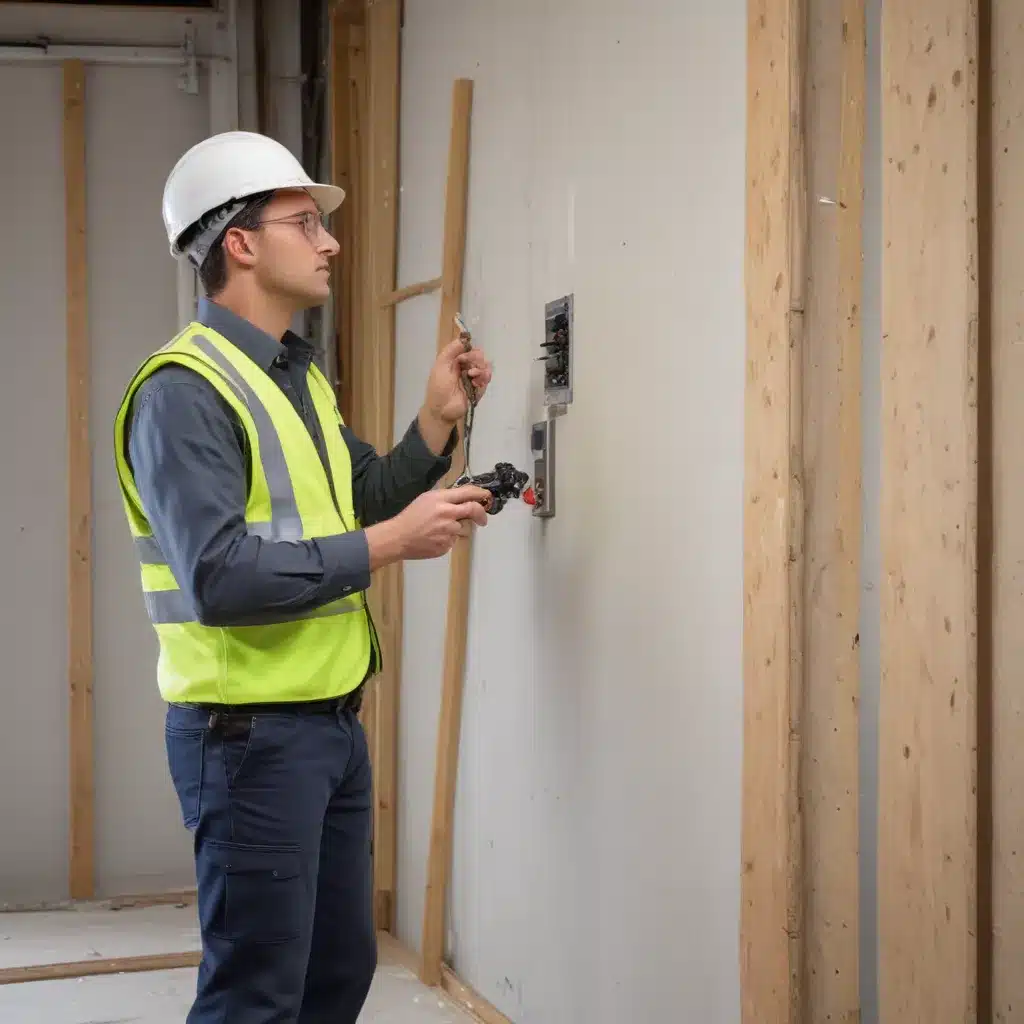
Once your application is submitted, a building control officer will review it to ensure it meets all the relevant regulations. They may even conduct site inspections at various stages of the project to ensure compliance. And let me tell you, these officers take their job seriously – they’re not afraid to shut down a project if they find any issues.
Now, I know what you’re thinking: “Great, another layer of bureaucracy to deal with. Can’t I just skip the building control process and save myself the hassle?” Well, my friend, I wouldn’t recommend it. Ignoring building control can lead to all sorts of headaches down the line. Not only could you face hefty fines, but you might also have to tear down and rebuild your entire project to bring it up to code.
Common Building Control Pitfalls to Avoid
Speaking of pitfalls, let’s talk about some of the most common ones homeowners and contractors run into when it comes to building control. One of the biggest is starting work without the necessary approvals in place. I can’t tell you how many times I’ve seen a client get slapped with a stop-work order because they didn’t bother to submit a building control application.
Another common issue is underestimating the complexity of the project. Maybe you’re just looking to add a simple extension to your home, but the building control officer might flag a structural issue or a problem with the electrical wiring that you didn’t even know existed. Suddenly, what seemed like a straightforward project has turned into a logistical nightmare.
And let’s not forget about the dreaded “retrospective application.” This is where you’ve already completed your project, only to realize that you forgot to get the necessary building control approvals. Trust me, you do not want to go down this path. Not only will it cost you more in fees and potential fines, but you might even have to undo some of the work you’ve already done.
Navigating the Building Control Maze: Tips and Tricks
Okay, now that we’ve covered the pitfalls, let’s talk about some strategies for navigating the building control maze. First and foremost, it’s crucial to familiarize yourself with the regulations that apply to your specific project. This means doing your research, reading up on the relevant building codes, and even consulting with a professional if necessary.
Another tip is to work closely with your local building control officer throughout the process. Don’t be afraid to ask questions, clarify requirements, and even seek their guidance on tricky aspects of your project. Remember, they’re there to help ensure your project is safe and compliant, not to make your life miserable.
And speaking of making your life easier, let’s talk about the power of planning. The more detailed and comprehensive your project plans are, the smoother the building control process will be. Make sure to include everything from architectural drawings to structural calculations, and be prepared to provide any additional information the building control officer might request.
Of course, no discussion of building control would be complete without a mention of the dreaded “building control officer.” These individuals can seem like the bane of every contractor’s existence, but the truth is, they’re just doing their job. And if you approach them with respect, transparency, and a willingness to work together, you might just find that they’re not as scary as they seem.
Embracing the Challenges of Building Control
Now, I know what you’re thinking: “This all sounds like a lot of work. Can’t I just hire a professional to handle the building control process for me?” Well, my friend, the answer is yes and no. While it’s certainly possible to outsource the building control process to a qualified professional, it’s still important for you as the homeowner or contractor to have a solid understanding of the requirements and regulations.
After all, at the end of the day, the responsibility for compliance rests firmly on your shoulders. And let’s be honest, when it comes to something as important as the structural integrity and safety of your building, do you really want to leave it all up to someone else?
But here’s the thing, my friends: embracing the challenges of building control can actually be a good thing. It forces you to think critically about your project, consider potential issues and risks, and ultimately create a safer, more high-quality end product. And let’s not forget the sense of pride and accomplishment you’ll feel when you finally get that coveted building control approval.
So, the next time you’re tempted to grumble about the building control process, remember: this is your chance to showcase your attention to detail, your commitment to safety, and your dedication to creating something truly exceptional. After all, what’s the point of building or renovating if you can’t do it the right way?
Conclusion: Navigating Building Control with Confidence
Well, there you have it, folks – my comprehensive guide to staying on the right side of building control in Aberdeen, UK. From understanding the basics to avoiding common pitfalls, I’ve covered it all. And let me tell you, if you follow these tips and tricks, you’ll be navigating the building control maze like a pro in no time.
Of course, I know that the process can still be daunting, even for the most seasoned of contractors. But remember, you’re not alone. Your local building control officer is there to help, and with a little planning and a lot of persistence, you can overcome any obstacle that comes your way.
So, what are you waiting for? It’s time to start planning your next big project! And when you’re ready to get started, be sure to check out our website for all your building and renovation needs. We’re here to help you every step of the way, from design to execution, and everything in between.


