
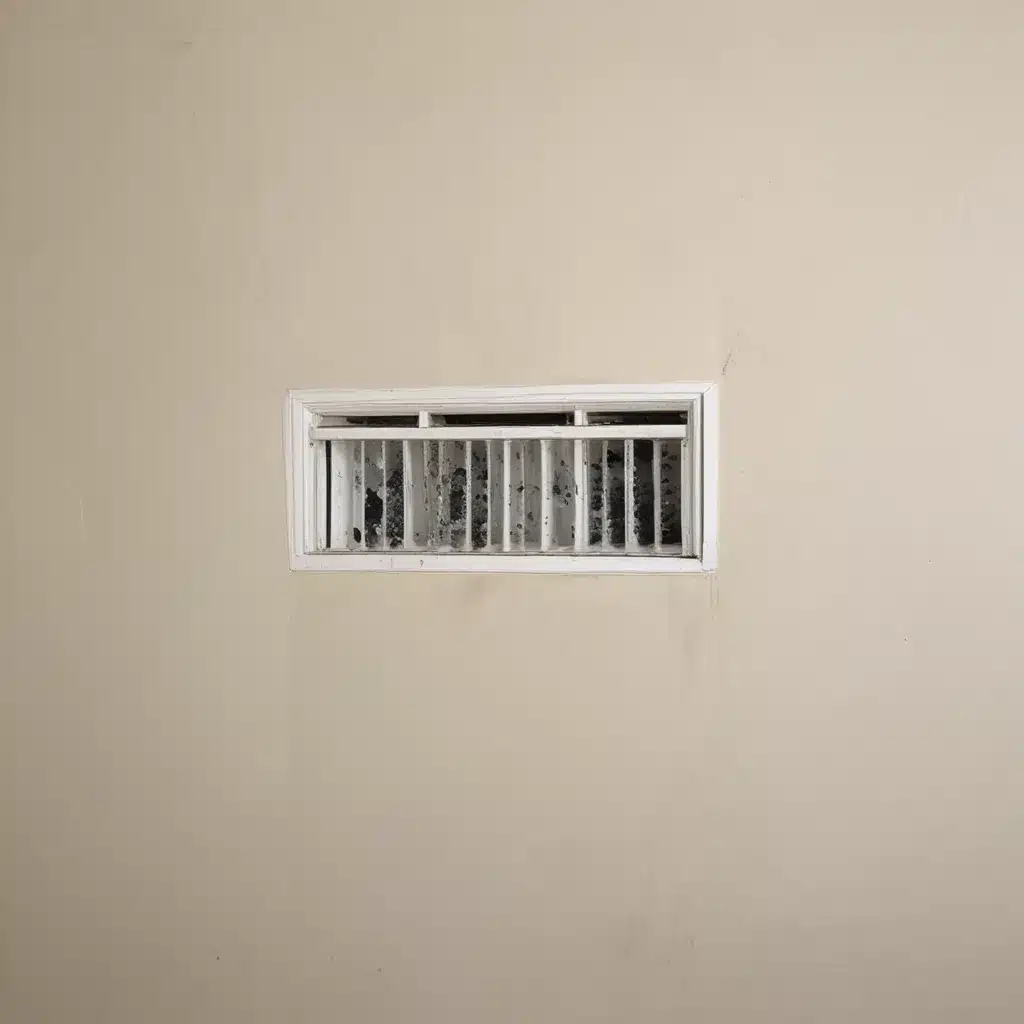
As a proud homeowner in Aberdeen, UK, I’ve had my fair share of battles with that pesky, persistent foe – mold. You know the drill, right? One minute your home is sparkling clean, and the next, those unsightly green or black spots start creeping up on your walls, ceilings, or even your beloved furniture. It’s enough to make any DIY enthusiast want to throw in the towel and call in the professionals.
The Mold Menace
But let me tell you, my friend, there’s no need to surrender just yet. With the right know-how and a little elbow grease, you can banish that mold for good. And it all starts with understanding the root cause of the problem – poor ventilation.
You see, mold is a sneaky little bugger. It thrives in damp, humid environments, and if left unchecked, it can wreak havoc on your home, not to mention your health. According to the Environmental Protection Agency (EPA), mold can produce allergens, irritants, and even potentially toxic substances, which can cause a range of unpleasant symptoms, from sneezing and runny noses to more serious respiratory issues.
But the good news is that with proper ventilation, you can effectively stop mold in its tracks before it even has a chance to take hold. And that’s where I come in – let me share with you the secrets to keeping that pesky mold at bay.
Understanding the Ventilation Connection
Okay, let’s dive in. The key to understanding mold is to remember this: mold spores are everywhere, just waiting for the right conditions to take over. And those conditions usually boil down to one thing – moisture.
Think about it – when there’s excess moisture in your home, whether it’s from leaky pipes, poor insulation, or even just high humidity levels, mold spores have the perfect environment to thrive. And that’s where ventilation comes into play.
Proper ventilation is the secret weapon in the fight against mold. By ensuring that your home has adequate airflow, you can effectively reduce the amount of moisture in the air, making it much harder for mold to take root. In fact, according to the Centers for Disease Control and Prevention (CDC), increasing the air changes per hour (ACH) in a space to 5 or more can significantly reduce the number of germs, including mold spores, in the air.
Assessing Your Ventilation Needs
So, how do you know if your home is properly ventilated? Well, it’s not as simple as just opening a window and calling it a day. There are a few key factors to consider:
-
Air Changes per Hour (ACH): As I mentioned, the CDC recommends aiming for 5 or more ACH to effectively reduce the risk of mold and other airborne contaminants. This can be achieved through a combination of natural ventilation (like opening windows) and mechanical ventilation (like exhaust fans or HVAC systems).
-
Airflow Direction: It’s not enough to just move air around; you want to make sure that the air is flowing in the right direction. Ideally, you want to create a “push-pull” system, where fresh air is brought in and stale, humid air is expelled.
-
Humidity Levels: Keeping your home’s humidity levels between 30-50% is crucial for preventing mold growth. You can use a hygrometer to monitor the humidity levels and adjust your ventilation accordingly.
-
Ventilation System Maintenance: Regular maintenance and cleaning of your home’s ventilation system, whether it’s a central HVAC unit or individual exhaust fans, is essential for keeping it running at peak efficiency.
Implementing Effective Ventilation Strategies
Now that you know the key factors to consider, let’s talk about some practical strategies for improving your home’s ventilation and keeping that mold at bay.
Natural Ventilation
One of the easiest and most cost-effective ways to boost your home’s ventilation is through natural means. That means opening windows, using fans, and even strategically placing plants around your home to help improve airflow.
For example, try placing a fan near an open window to create a cross-breeze, or position some leafy plants in areas that tend to feel stuffy or damp. Not only will this help improve the air quality, but it can also add a touch of natural beauty to your space.
Mechanical Ventilation
If natural ventilation isn’t enough, it might be time to consider a more robust mechanical solution. This could involve installing an energy-efficient HVAC system, adding exhaust fans in moisture-prone areas like bathrooms and kitchens, or even setting up a whole-house ventilation system.
Now, I know what you’re thinking – “But won’t that be expensive?” Well, yes, a full-blown HVAC upgrade can be a significant investment. But the team at ABC Home & Renovation can help you explore more budget-friendly options, like strategically placed exhaust fans or even energy-recovery ventilators (ERVs) that can help offset the energy costs.
Monitoring and Maintenance
Of course, no ventilation strategy is complete without proper monitoring and maintenance. Be sure to regularly check your home’s humidity levels, keep an eye out for any signs of mold or moisture buildup, and don’t hesitate to call in the pros if you need help troubleshooting your ventilation system.
And speaking of the pros, the team at ABC Home & Renovation in Aberdeen, UK is always here to lend a helping hand. Whether you need a comprehensive ventilation assessment, some guidance on the best solutions for your home, or a full-scale renovation to improve your indoor air quality, we’ve got you covered.
Wrapping Up
At the end of the day, the key to stopping mold in its tracks is simple – proper ventilation. By understanding the connection between moisture, mold, and airflow, you can take proactive steps to create a healthier, more comfortable living environment for you and your family.
So, what are you waiting for? Grab your toolbox, open those windows, and let’s get to work on that ventilation overhaul. Trust me, your future mold-free self will thank you!


