
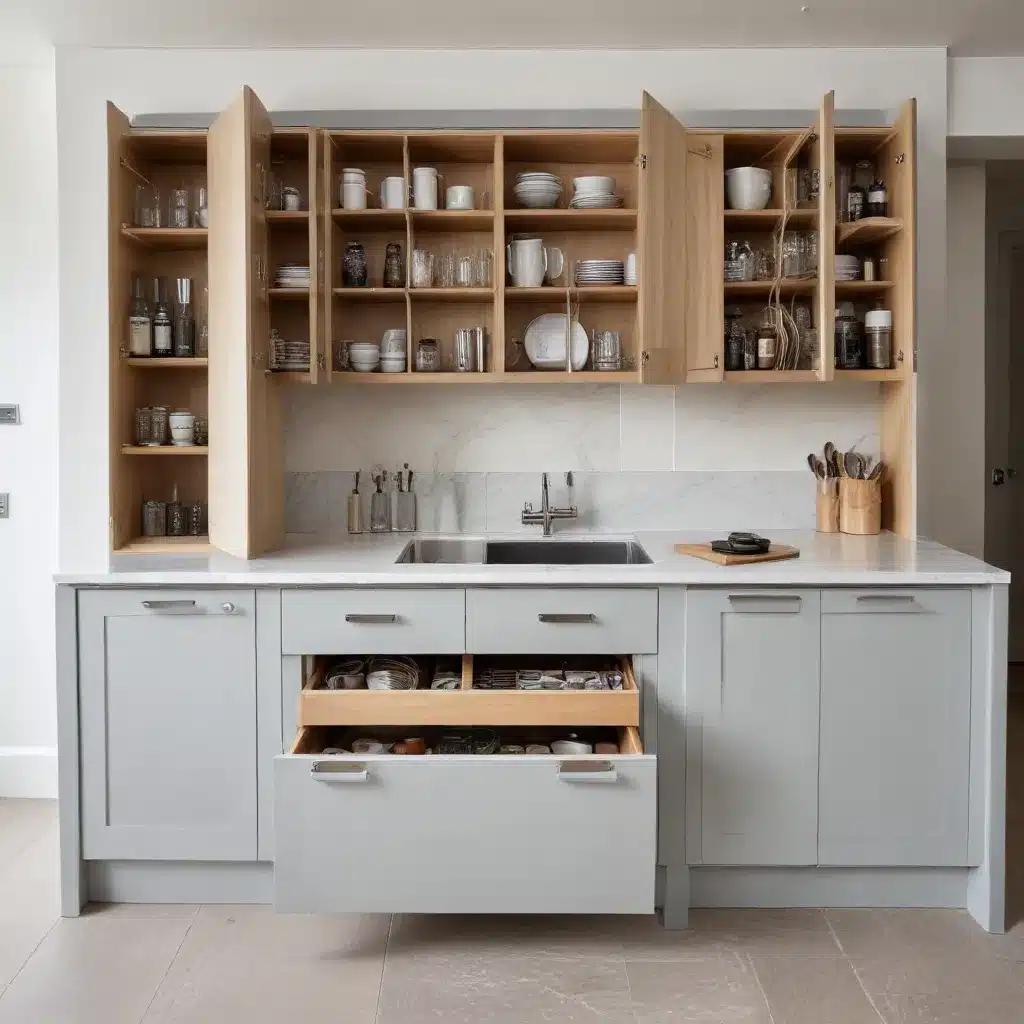
Maximizing Functionality and Aesthetics in Your Kitchen Renovation
When it comes to kitchen renovations in the UK, homeowners often seek a delicate balance between functionality and visual appeal. In this article, we’ll explore the benefits of incorporating bespoke storage solutions into your kitchen design, while ensuring compliance with the latest UK building regulations and cost-effective strategies.
Understanding the Importance of Customized Cabinetry
In the UK, the kitchen is often considered the heart of the home, a space where families gather, meals are prepared, and memories are made. Consequently, homeowners are increasingly prioritizing the optimization of their kitchen’s layout and storage capabilities. Bespoke cabinetry has emerged as a sought-after solution, as it allows for the seamless integration of custom-designed storage features tailored to the unique dimensions and requirements of each kitchen.
Advantages of Bespoke Cabinetry:
– Maximized Space Utilization: Custom-designed cabinets can be crafted to fit even the most challenging or irregularly shaped spaces, ensuring that every inch of the kitchen is utilized efficiently.
– Enhanced Functionality: Specialized storage solutions, such as pull-out shelves, hidden compartments, and integrated organizers, can streamline the cooking and cleaning processes, making the kitchen a more user-friendly environment.
– Personalized Aesthetics: Bespoke cabinetry allows homeowners to select from a wide range of materials, finishes, and design elements, enabling them to create a kitchen that truly reflects their personal style and preferences.
Navigating UK Building Regulations
When undertaking a kitchen renovation in the UK, it is essential to understand and adhere to the country’s building regulations. These regulations, set by the Ministry of Housing, Communities & Local Government, aim to ensure the safety, accessibility, and energy efficiency of all new and renovated buildings.
Key Regulations to Consider:
1. Building Regulations Part M: This section focuses on accessibility, requiring that kitchen designs accommodate the needs of individuals with disabilities or mobility challenges. This may include the incorporation of adjustable worktops, easy-reach storage solutions, and sufficient maneuvering space.
2. Building Regulations Part L: Addressing energy efficiency, this regulation stipulates the minimum standards for insulation, ventilation, and the use of energy-efficient appliances. Homeowners should consider the selection of energy-efficient cabinetry materials and the integration of features like LED lighting and smart storage solutions.
3. Building Regulations Part P: Covering electrical safety, this regulation requires that any electrical work, such as the installation of kitchen lighting or appliances, be carried out by a qualified electrician or comply with specific safety standards.
Adhering to these regulations not only ensures the safety and functionality of your kitchen but can also contribute to cost savings through improved energy efficiency and reduced maintenance requirements.
Exploring Cost-Effective Strategies
Renovating a kitchen can be a significant investment, and it’s crucial to carefully manage the costs involved. When incorporating bespoke storage solutions, homeowners should consider the following strategies to maximize their budget:
Material Selection: The choice of cabinetry materials can greatly impact the overall cost of the project. Explore a range of options, from cost-effective laminates to premium hardwoods, to find a balance between quality and affordability that aligns with your budget.
Modular Approach: Rather than opting for a complete kitchen overhaul, consider a modular approach, where certain elements, such as worktops or backsplashes, are updated while retaining the existing cabinetry. This can provide a cost-effective solution without compromising the overall aesthetic.
Energy-Efficient Upgrades: Investing in energy-efficient kitchen appliances and lighting can lead to long-term cost savings on utility bills, helping to offset the initial renovation expenses. Additionally, the integration of smart storage solutions, like motion-activated lighting or automated waste management systems, can contribute to both functional and financial benefits.
DIY Opportunities: For homeowners with basic DIY skills, tasks such as painting or refacing existing cabinets can provide a cost-effective way to refresh the kitchen’s appearance without the need for a full replacement.
By carefully considering these cost-effective strategies and adhering to UK building regulations, homeowners can create a kitchen that not only looks and functions beautifully but also aligns with their budget and long-term sustainability goals.
Sustainable Practices in Kitchen Design
As environmental consciousness continues to grow in the UK, homeowners are increasingly seeking ways to incorporate sustainable practices into their kitchen renovations. This includes the selection of eco-friendly materials, the integration of energy-efficient appliances and technologies, and the implementation of waste management solutions.
Sustainable Material Selection:
– Timber: Opt for responsibly sourced timber, such as FSC-certified wood, which ensures that the materials are harvested from well-managed forests.
– Recycled/Recyclable Materials: Consider cabinetry made from recycled materials, such as reclaimed wood or recycled plastic, to reduce the environmental impact.
– Low-VOC Finishes: Choose low-volatile organic compound (VOC) paints, stains, and sealants to improve indoor air quality and minimize the release of harmful chemicals.
Energy-Efficient Upgrades:
– Appliances: Select ENERGY STAR-rated appliances, which meet strict energy efficiency standards and can significantly reduce energy consumption and utility costs.
– Lighting: Incorporate energy-efficient LED lighting, which not only reduces energy usage but also has a longer lifespan, minimizing the need for frequent replacements.
– Insulation: Ensure that the kitchen is properly insulated, which can enhance the overall energy efficiency of the space and contribute to lower heating and cooling costs.
Waste Management Solutions:
– Integrated Recycling: Incorporate dedicated recycling bins or compartments within the cabinetry to encourage and simplify the separation of household waste.
– Food Waste Composting: Consider installing a food waste disposer or investing in a countertop compost bin to divert organic waste from landfills.
By embracing sustainable practices in kitchen design, homeowners in the UK can not only reduce their environmental impact but also benefit from long-term cost savings and increased home value.
Conclusion
In the UK, kitchen renovations have evolved beyond mere aesthetic upgrades, with a growing emphasis on functionality, compliance with building regulations, and sustainable practices. Bespoke storage solutions have emerged as a powerful tool to optimize kitchen design, offering homeowners the opportunity to create a space that is both visually appealing and highly efficient.
By understanding the advantages of customized cabinetry, navigating the UK’s building regulations, and exploring cost-effective strategies, homeowners can transform their kitchens into true hubs of functionality and style. Furthermore, the incorporation of sustainable practices, such as the use of eco-friendly materials and energy-efficient technologies, can contribute to long-term cost savings and environmental responsibility.
Whether you’re embarking on a full kitchen renovation or simply seeking to enhance its organization and aesthetics, the integration of bespoke storage solutions can be a game-changer. By partnering with reputable kitchen design professionals and adhering to UK building regulations, you can create a kitchen that not only meets your needs but also exemplifies the best of British craftsmanship and sustainability.
To learn more about the latest trends, regulations, and cost-saving strategies in kitchen design, be sure to visit https://abc-home.co.uk/, a leading resource for homeowners and industry professionals in the UK.


