
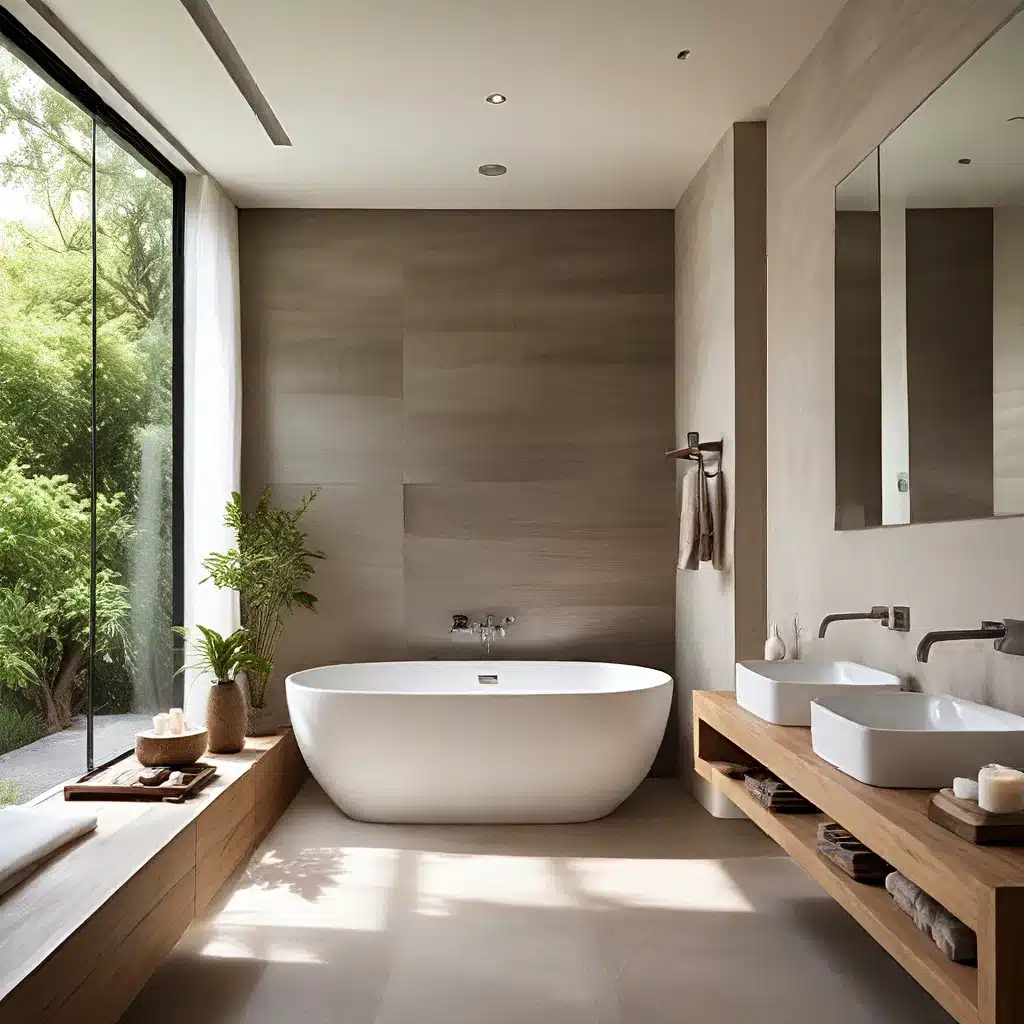
Introduction to Minimalist Spa Bathrooms
Minimalist spa bathrooms have become increasingly popular in the UK, offering a retreat-like atmosphere within the home. This design philosophy combines simplicity, functionality, and tranquility to create a space that promotes relaxation and well-being. By incorporating elements of spa design into a minimalist framework, homeowners can achieve a luxurious yet understated bathroom that serves as a personal oasis.
The concept of minimalist spa bathrooms is rooted in the idea of reducing clutter and focusing on essential elements. This approach not only creates a visually appealing space but also contributes to a sense of calm and order. In the context of UK homes, where space can often be at a premium, minimalist design principles can help maximize the available area while still delivering a high-end feel.
When planning a minimalist spa bathroom, it’s crucial to consider both aesthetics and practicality. This includes selecting materials that are both beautiful and durable, incorporating storage solutions that maintain the clean lines of the space, and choosing fixtures that combine form with function. By carefully balancing these elements, it’s possible to create a bathroom that meets the rigorous standards of UK building regulations while also providing a spa-like experience.
Key Elements of Minimalist Spa Bathroom Design
Colour Palette and Materials
The foundation of a minimalist spa bathroom lies in its colour palette and material choices. Neutral tones such as whites, greys, and beiges are typically favoured for their ability to create a sense of spaciousness and serenity. These colours can be applied to walls, floors, and fixtures to establish a cohesive and calming environment.
Natural materials play a significant role in bringing warmth and texture to the space. Stone, wood, and glass are popular choices that align with both minimalist and spa aesthetics. For example, a stone vanity top or a wooden bath mat can add organic elements without compromising the overall simplicity of the design.
When selecting materials, it’s important to consider their performance in a bathroom environment. UK building regulations require materials to be water-resistant and easy to clean. Porcelain tiles, for instance, are an excellent choice for both walls and floors due to their durability and low maintenance requirements.
Lighting Design
Lighting is a critical component in creating the right atmosphere in a minimalist spa bathroom. A combination of ambient, task, and accent lighting can help achieve a balanced and functional lighting scheme. Soft, diffused lighting contributes to a relaxing ambiance, while targeted task lighting ensures practical needs are met.
LED lighting has become increasingly popular in UK bathrooms due to its energy efficiency and versatility. Dimmable LED fixtures allow for adjustable light levels, enabling users to create the perfect mood for any time of day. It’s essential to ensure that all electrical installations comply with UK regulations, particularly in wet areas of the bathroom.
Natural light should also be maximized where possible, as it can significantly enhance the sense of space and connection to the outdoors. Large windows or skylights, when properly positioned and treated for privacy, can transform a bathroom into a light-filled sanctuary.
Fixtures and Fittings for a Minimalist Spa Bathroom
Bathtubs and Showers
The centrepiece of many minimalist spa bathrooms is often a freestanding bathtub. These fixtures come in various styles, from classic clawfoot designs to more contemporary oval or rectangular shapes. When selecting a bathtub, it’s important to consider both its aesthetic appeal and practical aspects such as size, weight, and installation requirements.
For those preferring showers, walk-in designs with minimal framing or frameless glass enclosures maintain the open feel of the space. Rainfall showerheads and handheld sprayers can be combined to offer a luxurious shower experience while adhering to water efficiency standards set by UK regulations.
It’s worth noting that all plumbing fixtures must comply with UK Water Regulations and Bylaws. This includes ensuring proper drainage, adequate water pressure, and the use of approved materials to prevent contamination of the water supply.
Vanities and Storage Solutions
In a minimalist spa bathroom, storage solutions should be discreet yet functional. Wall-mounted vanities with clean lines and hidden storage compartments can help maintain the uncluttered appearance of the space. Floating shelves or recessed niches provide additional storage options without compromising the minimalist aesthetic.
When designing storage solutions, it’s important to consider the specific needs of the household. Built-in cabinets or drawers can be customized to accommodate toiletries, towels, and other bathroom essentials while maintaining a seamless look.
Toilets and Bidets
Modern toilets designed for minimalist bathrooms often feature sleek, wall-hung designs that save floor space and simplify cleaning. Some models incorporate water-saving technologies, aligning with UK efforts to reduce water consumption.
Bidets, while not as common in UK homes, are gaining popularity for their hygiene benefits. Wall-mounted or integrated bidet-toilet combinations can be excellent space-saving options that add a touch of luxury to the bathroom.
Creating a Spa-Like Atmosphere
Aromatherapy and Sensory Elements
Incorporating sensory elements can enhance the spa-like feel of a minimalist bathroom. Essential oil diffusers or scented candles can introduce calming fragrances, while plants can add a touch of nature and improve air quality. When selecting plants, consider species that thrive in humid environments and require minimal maintenance.
Sound can also play a role in creating a relaxing atmosphere. Built-in speakers or waterproof portable devices can be used to play soothing music or nature sounds, further enhancing the spa experience.
Textiles and Accessories
While minimalism emphasizes simplicity, carefully chosen textiles and accessories can add warmth and comfort to the space. High-quality towels and bath mats in neutral tones or subtle patterns can complement the overall design while providing a luxurious feel.
Accessories should be kept to a minimum but chosen for their functionality and aesthetic appeal. A sleek soap dispenser, a decorative tray for organizing small items, or a strategically placed piece of artwork can add personality without cluttering the space.
Temperature and Comfort Features
Ensuring optimal comfort in a minimalist spa bathroom goes beyond visual elements. Underfloor heating systems have become increasingly popular in UK homes, providing warmth and comfort underfoot while maintaining the clean lines of the space. These systems can be particularly effective with stone or tile flooring, which can otherwise feel cold.
Heated towel rails serve a dual purpose of keeping towels warm and dry while also contributing to the overall heating of the bathroom. When selecting these features, it’s important to consider their energy efficiency and ensure they comply with UK building regulations regarding electrical installations in bathrooms.
Practical Considerations for UK Homeowners
Building Regulations and Compliance
When undertaking a bathroom renovation in the UK, it’s crucial to be aware of and comply with relevant building regulations. These regulations cover various aspects of bathroom design and installation, including ventilation, electrical safety, and water efficiency.
Proper ventilation is essential in preventing moisture-related issues such as mould growth. UK building regulations require bathrooms to have adequate ventilation, which can be achieved through windows or mechanical extraction fans. The specific requirements depend on factors such as the size of the bathroom and the presence of a shower or bath.
Electrical installations in bathrooms are subject to strict regulations due to the presence of water. Certain zones within the bathroom have restrictions on the type of electrical equipment that can be installed. For example, light fittings in the immediate vicinity of a shower or bath must have appropriate IP (Ingress Protection) ratings to ensure safety.
Water efficiency is another important consideration. UK regulations specify maximum flow rates for taps and showerheads to promote water conservation. When selecting fixtures, look for those with the Water Label, which indicates their water efficiency rating.
Cost Considerations and Budgeting
Creating a minimalist spa bathroom can be a significant investment, but careful planning and budgeting can help manage costs effectively. Here’s a breakdown of potential costs for key elements of a minimalist spa bathroom renovation in the UK:
| Item | Estimated Cost Range (GBP) |
|---|---|
| Freestanding bathtub | £500 – £3,000+ |
| Walk-in shower enclosure | £200 – £1,500+ |
| Wall-mounted vanity | £300 – £1,000+ |
| Toilet | £100 – £500+ |
| Tiling (per m²) | £20 – £100+ |
| Underfloor heating system | £500 – £2,000+ |
| LED lighting fixtures | £50 – £300+ per fixture |
| Labour costs | £2,000 – £5,000+ |
These figures are approximate and can vary widely depending on the quality of materials, complexity of installation, and location within the UK. It’s advisable to obtain multiple quotes from reputable contractors and to factor in a contingency budget of around 10-20% for unforeseen expenses.
When budgeting, consider prioritizing elements that have the most impact on both functionality and aesthetics. For example, investing in high-quality tiling or a statement bathtub can significantly elevate the overall look and feel of the space.
Maintenance and Longevity
A well-designed minimalist spa bathroom should not only look beautiful but also stand the test of time. Choosing durable, easy-to-clean materials is key to maintaining the pristine appearance of the space with minimal effort.
Porcelain tiles, for instance, are highly resistant to stains and scratches, making them an excellent choice for both walls and floors. Similarly, solid surface materials for countertops and basins are non-porous and easy to maintain.
Regular maintenance is essential to preserve the quality of fixtures and fittings. This includes tasks such as:
- Cleaning and resealing grout lines annually to prevent mould growth
- Descaling showerheads and taps to maintain water flow
- Checking and replacing silicone sealant around baths and showers as needed
- Servicing ventilation systems to ensure optimal performance
By incorporating these maintenance tasks into a regular routine, homeowners can ensure their minimalist spa bathroom remains a serene and functional space for years to come.
Sustainable Design in Minimalist Spa Bathrooms
Water Conservation Strategies
Water conservation is a crucial aspect of sustainable bathroom design, particularly in the UK where water efficiency is becoming increasingly important. Implementing water-saving strategies not only reduces environmental impact but can also lead to significant cost savings over time.
Low-flow fixtures are an effective way to reduce water consumption without compromising user experience. Modern low-flow showerheads, for example, can deliver a satisfying shower while using significantly less water than traditional models. Similarly, dual-flush toilets allow users to select the appropriate flush volume, further conserving water.
Greywater recycling systems, while more complex to install, offer substantial water savings by reusing water from sinks and showers for toilet flushing. These systems require careful planning and must comply with UK water regulations, but can be an excellent long-term investment in water conservation.
Energy-Efficient Heating and Lighting
Energy efficiency is another key consideration in sustainable bathroom design. LED lighting, as mentioned earlier, is highly energy-efficient and long-lasting. When combined with motion sensors or timers, these lights can further reduce energy consumption by ensuring they’re only in use when needed.
For heating, underfloor systems can be more energy-efficient than traditional radiators when properly installed and controlled. Heat pumps, which extract heat from the air or ground, can be an environmentally friendly option for providing both space heating and hot water in the bathroom.
Solar water heating systems, while requiring a significant initial investment, can dramatically reduce energy costs associated with water heating. These systems can be particularly effective in the UK during the summer months, though they typically require a backup heating source for year-round use.
Sustainable Materials and Finishes
Choosing sustainable materials is essential for creating an eco-friendly minimalist spa bathroom. Look for materials that are responsibly sourced, durable, and recyclable. Some options to consider include:
- Recycled glass tiles for walls or flooring
- Bamboo or sustainably harvested wood for cabinetry or accents
- Low-VOC (Volatile Organic Compound) paints and finishes to improve indoor air quality
- Reclaimed or recycled metal fixtures and hardware
When selecting materials, consider their entire lifecycle, including production, transportation, use, and eventual disposal or recycling. Opting for locally sourced materials can reduce transportation-related emissions and support the UK economy.
Technology Integration in Minimalist Spa Bathrooms
Smart Bathroom Features
While minimalism emphasizes simplicity, thoughtful integration of technology can enhance both the functionality and luxury of a spa-like bathroom. Smart bathroom features can improve efficiency, comfort, and user experience without compromising the clean aesthetic of the space.
Digital shower controls allow users to precisely set water temperature and flow, often with the ability to save preferred settings for multiple users. Some systems even offer voice activation or smartphone control, adding a layer of convenience and luxury.
Smart mirrors with built-in LED lighting and defoggin
g capabilities can improve the functionality of the vanity area. Some models also incorporate features like weather displays or Bluetooth speakers, providing information and entertainment without cluttering the space with additional devices.
Automated Climate Control
Maintaining a comfortable temperature in the bathroom is essential for a spa-like experience. Automated climate control systems can adjust heating and ventilation based on factors such as time of day, occupancy, and user preferences.
Programmable underfloor heating systems allow users to schedule warm floors for their morning routine, ensuring comfort while optimizing energy use. Similarly, smart extractor fans can automatically adjust their speed based on humidity levels, effectively managing moisture without unnecessary energy consumption.
Water Quality Management
Water quality is a crucial factor in creating a true spa experience at home. While UK tap water is generally of high quality, additional filtration can further improve the bathing experience.
Whole-bathroom water filtration systems can remove chlorine, sediment, and other impurities, resulting in softer water that’s gentler on skin and hair. Some systems also incorporate vitamin C filters, which can neutralize chlorine and potentially offer skin benefits.
Water softeners can be particularly beneficial in hard water areas, preventing limescale buildup on fixtures and improving the lathering of soaps and shampoos. However, it’s important to note that water softeners must be installed and maintained in accordance with UK water regulations.
Accessibility and Universal Design in Minimalist Spa Bathrooms
Designing for All Ages and Abilities
Incorporating principles of universal design into a minimalist spa bathroom ensures that the space is accessible and comfortable for users of all ages and abilities. This forward-thinking approach not only enhances the usability of the bathroom but can also increase the long-term value of the home.
Key features of an accessible minimalist spa bathroom might include:
- A curbless, walk-in shower with a wide entrance and non-slip flooring
- A wall-mounted sink at an appropriate height with knee clearance for wheelchair users
- Lever-style taps that are easy to operate with limited hand mobility
- Strategically placed grab bars that double as towel rails to maintain the minimalist aesthetic
It’s important to note that these features can be incorporated seamlessly into a minimalist design, often enhancing the overall look and functionality of the space.
Future-Proofing Your Bathroom
When designing a minimalist spa bathroom, consider how the space might need to adapt to changing needs over time. This could involve planning for potential future modifications, such as:
- Reinforcing walls to support the later addition of grab bars
- Choosing a vanity that could be easily replaced with a wall-mounted model
- Installing a thermostatic shower mixer that can accommodate a handheld showerhead
- Opting for a toilet with a comfort-height bowl, which is easier for most adults to use
By incorporating these considerations into the initial design, homeowners can create a bathroom that will continue to meet their needs for years to come, potentially avoiding costly renovations in the future.
Compliance with Building Regulations
When implementing accessible design features, it’s crucial to ensure compliance with UK building regulations, particularly Part M, which covers access to and use of buildings. These regulations specify requirements for features such as:
- Minimum door widths and clear floor spaces
- Maximum heights for controls and switches
- Slip resistance of floor surfaces
- Provision of visual contrast to aid navigation
Working with a qualified designer or contractor familiar with these regulations can help ensure that your minimalist spa bathroom is both beautiful and compliant with accessibility standards.
Conclusion
Creating a minimalist spa bathroom is an exercise in balancing aesthetics, functionality, and regulatory compliance. By carefully considering elements such as colour palette, lighting, fixtures, and sustainable features, UK homeowners can transform their bathrooms into serene retreats that promote relaxation and well-being.
The key to success lies in thoughtful planning, attention to detail, and a commitment to quality in both materials and craftsmanship. Whether you’re undertaking a full renovation or making smaller updates, the principles of minimalist spa design can be applied to create a bathroom that is both beautiful and practical.
Remember that while trends may come and go, a well-designed minimalist spa bathroom has the potential to remain timeless and functional for years to come. By investing in quality fixtures, sustainable technologies, and accessible design features, you’re not just creating a luxurious space for today, but also a valuable asset for the future.
For those considering a bathroom renovation or new build project, consulting with experienced professionals who understand both the aesthetic principles of minimalist spa design and the practical requirements of UK building regulations is essential. These experts can help you navigate the complexities of the project and ensure that your vision for a serene, spa-like bathroom becomes a reality.
To learn more about professional bathroom fitting services that can help bring your minimalist spa bathroom vision to life, visit https://abc-home.co.uk/bathroom-fitting/ for expert guidance and support throughout your project.


