
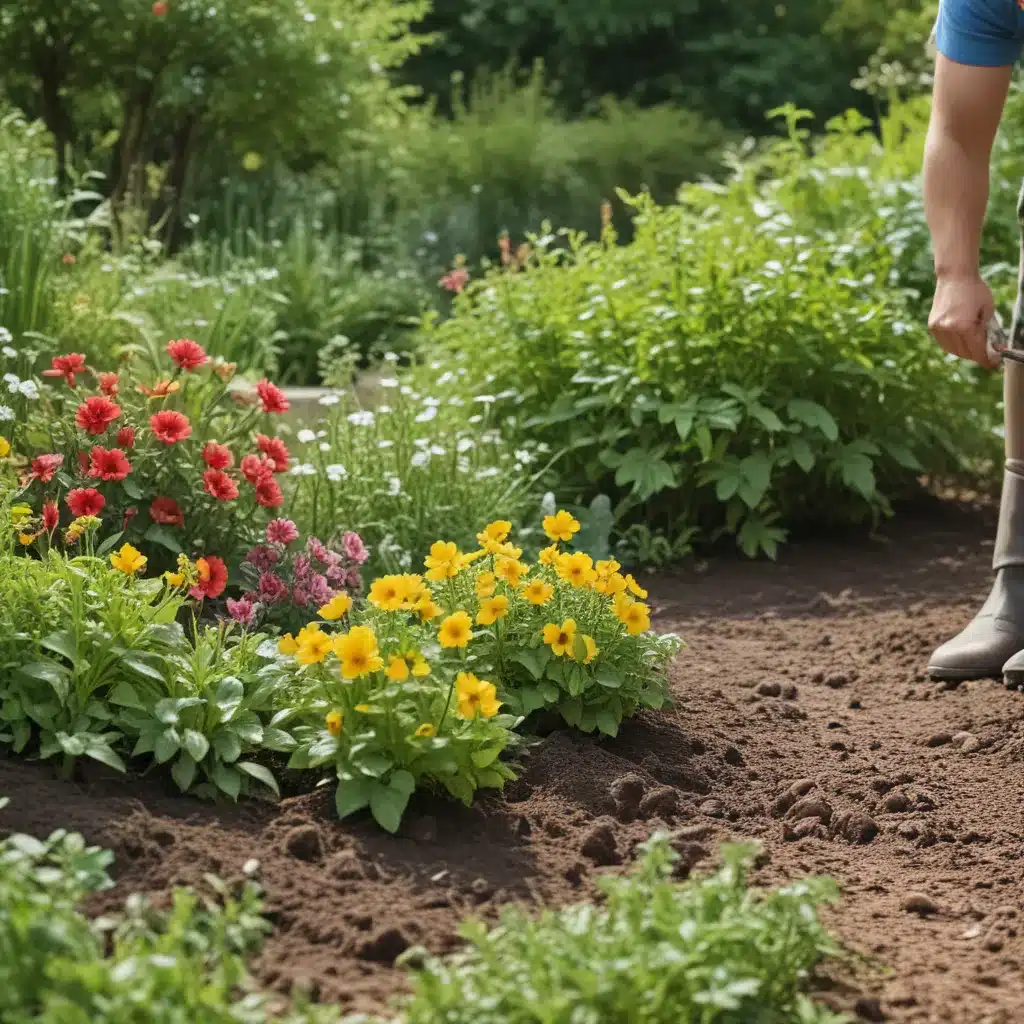
As the warm summer months approach, there’s no better time to spruce up your outdoor oasis and make the most of your garden. Whether you have a sprawling backyard or a cozy patio, a few strategic touches can transform your space into a serene and inviting retreat. In this article, I’ll share some quick and easy fixes that will have your garden looking its best in no time.
Embrace the Power of Cardboard
One of the most unexpected tools in a gardener’s arsenal is none other than good old cardboard. That’s right, the humble cardboard box can be repurposed in all sorts of ingenious ways to enhance your garden.
As the experts at The Garden Professors™ explain, cardboard is an excellent weed-suppressing mulch. Simply lay down a layer of cardboard around your plants, overlapping the edges to create a barrier that blocks sunlight and prevents weeds from sprouting. Over time, the cardboard will break down, adding valuable organic matter to your soil.
But the cardboard magic doesn’t stop there. You can also use it to create makeshift plant supports, protecting delicate stems from the elements. And if you have any cardboard boxes lying around, why not transform them into DIY mini greenhouses? Just cut out a window and voila – an instant microclimate for your seedlings or tender plants.
Unleash the Power of Vinegar
If you’re looking for a natural, multipurpose garden solution, look no further than the humble vinegar bottle. As the Garden Professors™ team explains, vinegar can be a gardener’s best friend.
For starters, a diluted vinegar solution can be an effective weed killer, targeting those pesky invaders without harming your desired plants. Simply mix equal parts vinegar and water in a spray bottle and apply directly to the weeds. The acetic acid in the vinegar will cause the weeds to wither and die.
But vinegar’s uses don’t stop there. It can also be used as a natural fungicide, helping to prevent and treat common fungal diseases that can plague your plants. And if you have a problem with ants or other unwanted pests, a few strategically placed vinegar-soaked cotton balls can help deter them.
The best part? Vinegar is inexpensive, environmentally friendly, and easy to find – no need for harsh chemicals or expensive commercial products.
Embrace the Dahlia Delight
No summer garden is complete without a vibrant display of dahlias. These boldly colored flowers not only add a touch of drama to your outdoor space, but they also make for stunning cut flowers. However, to ensure your dahlias reach their full potential, it’s important to know how to care for them properly.
As the experts at Fraylick advise, one key to achieving the best vase life for your dahlia bouquets is to cut the stems at an angle and immediately place them in water. This helps the flowers take up water more efficiently, preventing them from wilting prematurely.
Another tip is to change the water regularly, ensuring it remains clean and free of any bacteria or debris that could shorten the lifespan of your blooms. And don’t forget to add a floral preservative to the water – this can help extend the vase life of your dahlias by up to a week or more.
With a little bit of TLC, you can enjoy the vibrant beauty of dahlias throughout the summer and well into the fall.
Reviving Your Lawn with Vibrant Greenery
No summer garden is complete without a lush, healthy lawn. But maintaining a verdant carpet of grass can be a real challenge, especially during the hot, dry months. Fortunately, there are some simple tricks you can use to revive and reinvigorate your lawn.
One of the most effective strategies is to aerate the soil. This process involves creating small holes or channels in the ground, allowing air, water, and nutrients to penetrate more easily. You can either rent a core aerator or use a simple garden fork to poke holes in the soil.
Another key step is to overseed your lawn. This involves spreading a layer of grass seed over the existing turf, filling in any bare or sparse patches. Be sure to choose a seed blend that’s well-suited to your local climate and soil conditions for the best results.
And don’t forget to water! Maintaining a consistent watering routine, especially during the hottest and driest periods, can make all the difference in keeping your lawn looking its best. Aim for deep, infrequent waterings rather than frequent light sprinklings.
By following these simple steps, you can transform your lawn from drab to fab, creating a lush, vibrant backdrop for the rest of your garden.
Embrace the Joy of Container Gardening
If you’re short on space or simply want to add some easy-to-maintain greenery to your patio or balcony, container gardening is the way to go. With a few strategically placed pots and planters, you can create a lush, inviting oasis without the hassle of tending to a full-scale garden.
One of the great things about container gardening is the flexibility it offers. You can experiment with a wide range of plants, from cascading vines to towering shrubs, and easily move them around to suit your changing needs and preferences.
When selecting plants for your containers, be sure to choose species that are well-suited to the amount of sunlight and water available in your specific spot. And don’t be afraid to mix and match different varieties for a visually striking display.
Herbs are a particularly great choice for container gardens, as they thrive in the confinement of a pot and can provide you with a steady supply of fresh, flavorful ingredients for your cooking. Basil, rosemary, and thyme are all fantastic options.
By embracing the joy of container gardening, you can transform even the smallest of outdoor spaces into a lush, inviting retreat. And the best part? It’s all easily customizable to suit your personal style and needs.
Harness the Power of Companion Planting
If you’re looking to take your gardening game to the next level, consider the benefits of companion planting. This age-old technique involves strategically pairing different plants together to create a mutually beneficial relationship, enhancing the growth and health of both.
One classic example is the “Three Sisters” planting method, commonly used by Native American tribes. This involves growing corn, beans, and squash together, with the corn providing a natural trellis for the climbing beans, and the squash’s large leaves shading the soil and suppressing weeds.
But the benefits of companion planting don’t end there. Certain plants can also help to repel pests or attract beneficial insects, such as ladybugs and lacewings, which feast on common garden pests.
For instance, marigolds are known to deter aphids, while borage can attract pollinating bees and butterflies to your garden. And if you’re dealing with a slug problem, try planting fragrant herbs like lavender or rosemary, which can help keep these slimy invaders at bay.
By thoughtfully pairing your plants, you can create a thriving, self-sustaining ecosystem in your own backyard. It’s a win-win for both you and your garden.
Cultivating a Cutting Garden
If you’re a fan of fresh-cut flowers, why not consider devoting a dedicated section of your garden to growing your own blooms? A cutting garden can provide you with a steady supply of vibrant, long-lasting flowers for your home, and it’s easier to cultivate than you might think.
When planning your cutting garden, be sure to choose a sunny, well-draining spot that’s easily accessible. This will make it a breeze to snip and arrange your bouquets.
Next, select a variety of fast-growing, long-stemmed flowers that will provide you with a bountiful harvest throughout the season. Sunflowers, zinnias, and dahlias are all excellent choices, as are more delicate options like sweet peas and cosmos.
Remember to plant your cutting garden in blocks or rows, rather than scattering the flowers throughout your landscape. This will make it easier to harvest without disrupting the rest of your garden.
And don’t forget to deadhead your plants regularly, as this will encourage more blooms and prolong the flowering season. With a little bit of care and attention, your cutting garden will become a true oasis of color and beauty.
Bringing Nature Indoors with Houseplants
As much as we love to spend time in our outdoor gardens, sometimes the weather or other circumstances can keep us confined indoors. But that doesn’t mean you have to give up on your green thumb! Incorporating houseplants into your living space is a fantastic way to bring the soothing, restorative power of nature right into your home.
Houseplants not only add a touch of liveliness and vibrancy to any room, but they can also have a positive impact on your mental and physical well-being. Studies have shown that having plants around can help to reduce stress, improve air quality, and even boost productivity.
When selecting houseplants, be sure to choose species that are well-suited to the lighting and environmental conditions in your home. Snake plants, philodendrons, and ZZ plants are all great low-maintenance options that can thrive in a variety of settings.
And don’t be afraid to get creative with your plant placement. Hanging baskets, wall-mounted terrariums, and tiered plant stands can all help you maximize the impact of your indoor greenery.
By bringing a little bit of the outdoors inside, you can enjoy the calming, rejuvenating benefits of nature all year round, no matter the weather.
Conclusion
As we’ve explored, there are so many quick and easy ways to transform your garden into a summer oasis. From the power of cardboard and vinegar to the joy of container gardening and cutting flowers, the possibilities are endless.
By embracing these simple fixes and techniques, you’ll be well on your way to creating a beautiful, inviting outdoor space that you can enjoy all season long. And who knows – you might even discover a new favorite hobby or two along the way.
So what are you waiting for? It’s time to get out there and start summerizing your garden!


