
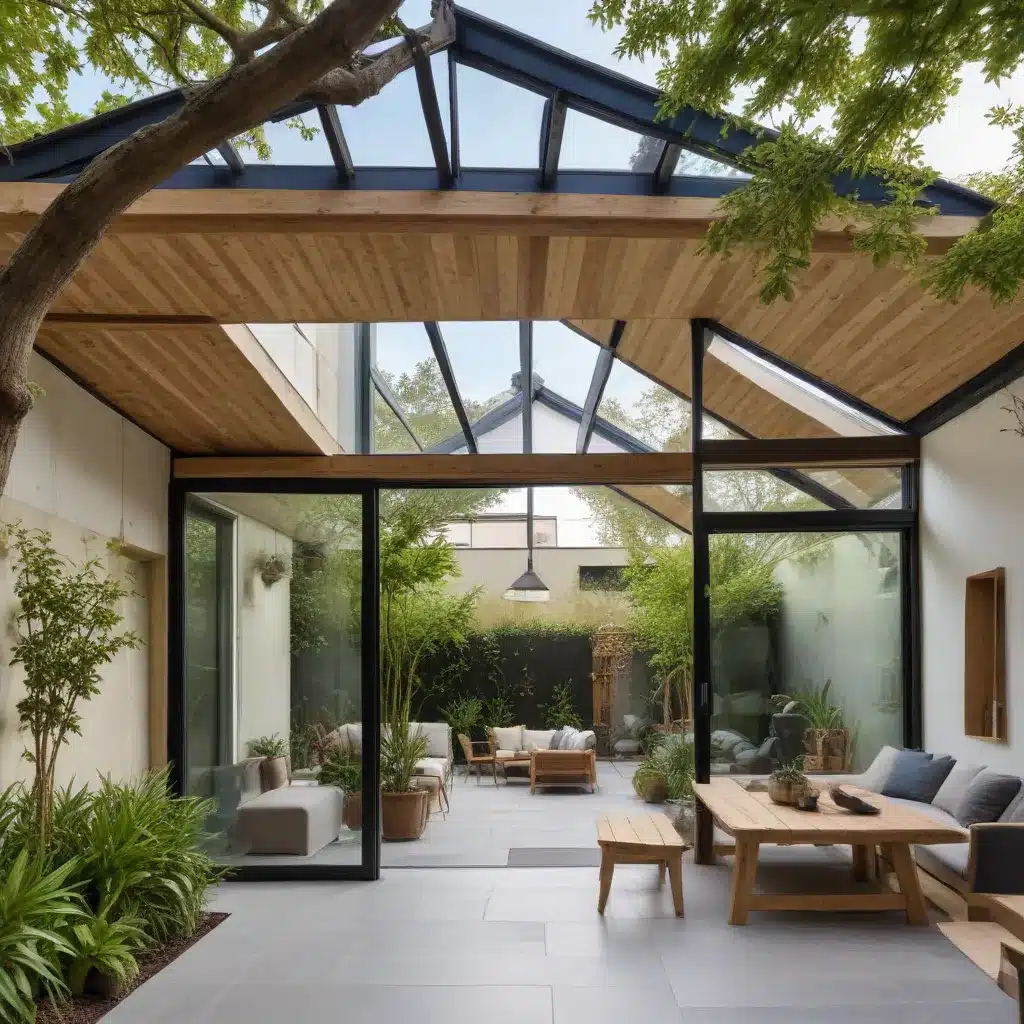
Sustainable Home Extensions: Embracing Sustainable Building Adaptability
As an experienced home extension consultant, I’m thrilled to share my insights on how you can embrace sustainable building principles and create adaptable home extensions that stand the test of time. In today’s climate-conscious world, it’s crucial that we rethink the way we approach home improvements, shifting our focus towards eco-friendly solutions that reduce our environmental impact.
Sustainable Building Principles
At the heart of sustainable home extensions lies a deep understanding of environmental considerations, resource efficiency, and the use of renewable materials. By incorporating these principles, we can design and construct home extensions that not only meet your practical needs but also contribute to a greener, more resilient future.
Environmental Considerations: Sustainable building design acknowledges the interconnectedness of the built environment and the natural world. It aims to minimize the negative impacts of construction on the ecosystem, focusing on strategies such as preserving existing vegetation, promoting biodiversity, and mitigating the urban heat island effect through the integration of green infrastructure.
Resource Efficiency: Sustainable home extensions prioritize the efficient use of resources, including energy, water, and materials. This can be achieved through measures like optimizing building orientation for passive heating and cooling, incorporating renewable energy sources, and implementing water-saving technologies such as rainwater harvesting and greywater recycling systems.
Renewable Materials: The selection of sustainable and environmentally friendly materials is crucial in sustainable home extension projects. This involves specifying materials with low embodied energy, such as recycled or reclaimed materials, responsibly sourced timber, and innovative bio-based products like hempcrete or mycelium-based insulation.
Adaptability in Home Design
Sustainable home extensions go beyond just implementing green technologies and materials; they embrace the concept of adaptability, ensuring that your living space can evolve alongside your changing needs. By incorporating flexible layouts, modular construction, and lifecycle adaptations, you can create a home extension that remains relevant and functional for years to come.
Flexible Layouts: Sustainable home extensions often feature open-plan designs and adaptable spaces that can be easily reconfigured to accommodate your family’s evolving needs. This could involve the use of movable walls, multifunctional furniture, and modular storage solutions, allowing you to seamlessly transform the layout as your requirements change.
Modular Construction: The use of modular construction techniques, such as prefabricated or off-site manufactured components, can greatly enhance the adaptability of your home extension. These modular systems can be easily expanded, reconfigured, or even relocated, reducing the need for extensive and resource-intensive renovations in the future.
Lifecycle Adaptations: Sustainable home extensions consider the entire lifecycle of the building, from the initial design to the potential for future repurposing or deconstruction. This mindset encourages the use of materials and construction methods that facilitate adaptations, repairs, and even the eventual disassembly and reuse of building components, minimizing waste and environmental impact over time.
Embracing Sustainable Adaptability
To truly embrace sustainable adaptability in your home extension, it’s essential to incorporate passive design strategies and integrate advanced building systems that work in harmony with the natural environment.
Passive Design Strategies
Passive design principles, which harness natural resources to regulate indoor comfort, are a cornerstone of sustainable home extensions. By prioritizing daylighting, natural ventilation, and thermal regulation, you can create a living space that is not only energy-efficient but also promotes the well-being of its occupants.
Daylighting: Sustainable home extensions are designed to maximize the use of natural daylight, reducing the need for artificial lighting. This can be achieved through strategically placed windows, skylights, and light wells, ensuring that your living spaces are flooded with ample natural illumination throughout the day.
Natural Ventilation: Sustainable home extensions are designed to take advantage of prevailing winds and natural airflow, minimizing the reliance on mechanical cooling systems. Features such as operable windows, strategically placed vents, and the orientation of the building can facilitate cross-ventilation and passive cooling, improving indoor air quality and comfort.
Thermal Regulation: Effective insulation and the careful consideration of building materials play a crucial role in the thermal regulation of sustainable home extensions. By optimizing the building envelope, you can minimize heat transfer, reducing the energy required for heating and cooling, and ensuring a comfortable indoor environment year-round.
Integrated Building Systems
Sustainable home extensions go beyond passive design strategies by incorporating advanced building systems that seamlessly integrate renewable energy sources, greywater recycling, and smart home technologies, further enhancing their environmental and operational performance.
Renewable Energy Sources: The integration of renewable energy technologies, such as solar photovoltaic panels or micro wind turbines, can generate clean, on-site energy, reducing your reliance on the grid and significantly lowering your carbon footprint.
Greywater Recycling: Sustainable home extensions often feature greywater recycling systems, which treat and reuse water from sinks, showers, and washing machines for non-potable purposes, such as toilet flushing and landscape irrigation, conserving precious water resources.
Smart Home Technologies: Embracing smart home technologies in your sustainable home extension can further enhance energy efficiency and resource management. Features like automated lighting controls, programmable HVAC systems, and real-time energy monitoring can help you optimize your energy consumption and reduce your environmental impact.
Sustainable Building Materials
The selection of sustainable building materials is a crucial aspect of creating a truly eco-friendly home extension. By prioritizing low-impact materials and considering their longevity, you can ensure that your home extension not only looks great but also aligns with your commitment to sustainability.
Low-Impact Materials
Sustainable home extensions emphasize the use of materials with a lower environmental impact, such as:
Recycled Content: Incorporating materials with recycled content, like reclaimed timber, recycled steel, or even repurposed shipping containers, can significantly reduce the demand for virgin resources and divert waste from landfills.
Bio-Based Products: Innovative bio-based materials, such as bamboo, cork, or mycelium-based insulation, offer sustainable alternatives to traditional building products, often with lower embodied energy and the potential for biodegradability.
Locally Sourced: Specifying locally sourced materials can minimize the environmental impact associated with transportation, while also supporting the local economy and reducing the carbon footprint of your home extension.
Material Longevity
In addition to low-impact materials, sustainable home extensions prioritize the longevity and durability of building components, ensuring that your investment remains functional and relevant for years to come.
Durability: Choosing durable materials that can withstand the test of time, such as high-performance windows, resilient roofing systems, and long-lasting flooring options, can reduce the need for frequent replacements and minimize waste.
Repairability: Selecting materials and building systems that are easily repairable and adaptable can extend the lifespan of your home extension, reducing the environmental impact associated with premature replacements.
Recyclability: Opting for materials that can be easily disassembled and recycled at the end of their useful life can further contribute to the circular economy and the sustainability of your home extension.
Home Extension Approaches
When it comes to sustainable home extensions, there are various approaches you can consider, each with its own unique benefits and considerations. Whether you’re planning an addition, an expansion, or a renovation, embracing sustainable adaptability can help you create a living space that meets your needs while minimizing your environmental impact.
Additions and Expansions
Vertical Extensions: Adding a second story or a loft conversion to your existing home can be a sustainable solution, as it allows you to increase your living space without expanding the building’s footprint and potentially encroaching on valuable outdoor areas.
Horizontal Expansions: Extending your home’s footprint through additions or annexes can be an effective way to accommodate growing families or changing lifestyles, but it’s crucial to do so in a manner that respects the surrounding environment and minimizes the impact on the site.
Infill Development: Utilizing vacant or underutilized land within your existing property to construct a home extension can be a sustainable approach, as it maximizes the use of available space and reduces the need for new land development.
Renovations and Retrofits
Energy Upgrades: Sustainable home extensions often involve upgrading the energy performance of your existing structure, through measures such as improving insulation, installing high-efficiency windows, and integrating renewable energy sources.
Accessibility Improvements: Adapting your home extension to accommodate changing mobility needs or accessibility requirements can be achieved through sustainable design strategies, ensuring that your living space remains inclusive and adaptable over time.
Historic Preservation: When working with older homes, sustainable home extensions can embrace the principles of historic preservation, carefully balancing the need for modernization with the preservation of architectural features and the embodied energy of the existing structure.
In conclusion, sustainable home extensions are not just about implementing the latest green technologies; they represent a holistic approach that prioritizes environmental responsibility, resource efficiency, and adaptable design. By embracing these principles, you can create a living space that not only meets your needs but also contributes to a more sustainable future. As an experienced home extension consultant, I’m excited to help you navigate the journey towards a greener, more resilient home extension that will stand the test of time.


