
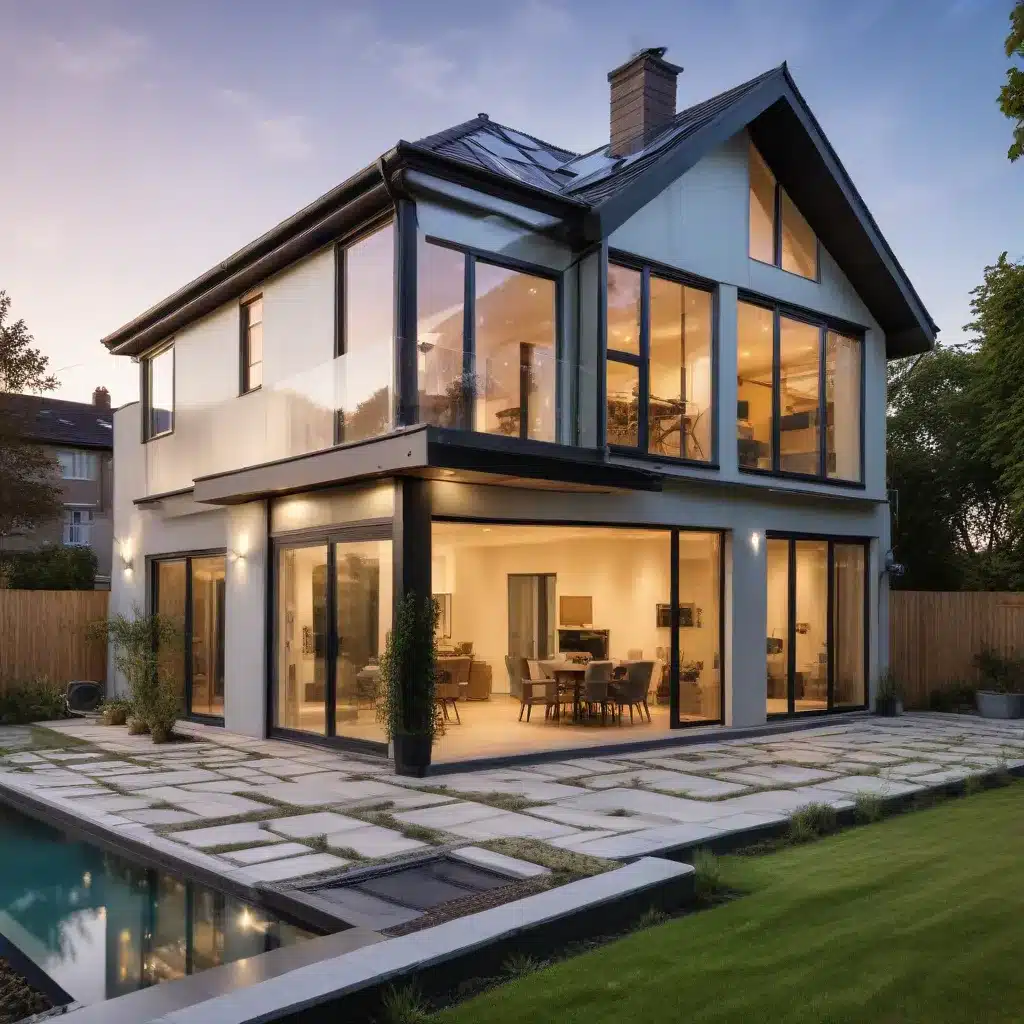
Sustainable Home Extensions: Embracing Sustainable Building Automation
As an experienced home extension consultant, I’ve witnessed firsthand the growing demand for sustainable home improvements. Homeowners are increasingly recognizing the long-term benefits of embracing eco-friendly practices, not just for the environment but for their own wallets too. In this comprehensive guide, we’ll explore the world of sustainable home extensions, focusing on the transformative power of building automation.
Sustainable Building Practices
The foundation of any sustainable home extension lies in the implementation of energy-efficient design, the use of eco-friendly materials, and the adoption of waste reduction strategies. Let’s dive deeper into each of these critical elements.
Energy-Efficient Design
The key to a truly sustainable home extension is to minimize its energy consumption. This can be achieved through thoughtful architectural design and the incorporation of passive heating and cooling systems. Proper orientation of the home, strategic placement of windows, and the inclusion of features like thermal mass and shading devices can significantly reduce the need for active heating and cooling, ultimately lowering your energy bills and carbon footprint.
Eco-Friendly Materials
The materials used in your home extension can have a profound impact on its environmental impact. Prioritize the use of renewable, recycled, or locally sourced materials whenever possible. This could include sustainably harvested timber, recycled steel, or even repurposed building materials from previous projects. By reducing the embodied energy and emissions associated with material production and transportation, you’re taking a significant step towards a greener home.
Waste Reduction Strategies
Construction can be a significant contributor to landfill waste, but with the right strategies in place, you can minimize the environmental impact of your home extension project. Implement a comprehensive recycling program, diverting as much waste as possible from landfills. Consider donating or repurposing usable materials, and work with your contractor to optimize construction processes and minimize material waste.
Automation in Home Extensions
The future of sustainable home extensions lies in the seamless integration of smart home technology and renewable energy systems. By harnessing the power of automation, you can create a truly energy-efficient and eco-friendly living environment.
Smart Home Technology
Integrating smart home systems into your home extension can revolutionize your energy management and overall sustainability. From intelligent climate control to automated lighting and appliance optimization, these advanced systems can reduce your energy consumption, minimize waste, and provide real-time insights into your home’s performance.
Renewable Energy Integration
Renewable energy sources, such as solar panels and geothermal systems, can be seamlessly incorporated into your home extension, allowing you to generate your own clean power and reduce your reliance on the grid. By pairing these renewable energy solutions with smart home automation, you can create a self-sustaining, energy-efficient living space that significantly reduces your carbon footprint.
Building Management Systems
Sophisticated building management systems (BMS) can take your sustainable home extension to the next level. These integrated systems monitor and control various building functions, including HVAC, lighting, and security, optimizing energy efficiency and resource utilization. With real-time data analysis and predictive maintenance capabilities, a BMS can help you identify and address potential issues before they become costly problems, ensuring your home extension remains a paragon of sustainability.
Environmental Impact Considerations
Sustainable home extensions are not just about aesthetics or cost savings – they play a crucial role in reducing our collective environmental impact. Let’s explore how to minimize the carbon footprint and implement effective waste management strategies.
Reducing Carbon Footprint
The key to minimizing the carbon footprint of your home extension is to focus on renewable energy sources and energy-efficient appliances. By harnessing the power of the sun through solar panels or tapping into the earth’s natural thermal energy with a geothermal system, you can significantly reduce your reliance on fossil fuels and contribute to a greener future. Pairing these renewable energy solutions with Energy Star-rated appliances and LED lighting can further enhance the energy efficiency of your home extension, cutting down on greenhouse gas emissions and your overall environmental impact.
Sustainable Waste Management
Effective waste management is a crucial component of a sustainable home extension. Implement comprehensive recycling and upcycling programs to divert as much waste as possible from landfills. Explore innovative solutions like composting for organic waste, ensuring that even your food scraps are repurposed and contribute to a more circular economy.
Smart Home Integration
The true magic of a sustainable home extension lies in its seamless integration with smart home technology. By harnessing the power of intelligent control systems and data-driven analytics, you can optimize your home’s performance and maximize its environmental benefits.
Intelligent Control Systems
Automated climate control, lighting, and appliance optimization are the hallmarks of a truly smart and sustainable home extension. Intelligent control systems can monitor and adjust your home’s temperature, humidity, and air quality, ensuring maximum comfort while minimizing energy consumption. By automating the operation of your lighting and appliances, you can further reduce your energy usage and minimize waste, all from the convenience of your smartphone or voice-activated assistant.
Monitoring and Analytics
The power of data-driven insights cannot be overstated when it comes to sustainable home extensions. Integrate your smart home systems with advanced monitoring and analytics platforms to gain a deeper understanding of your energy consumption patterns, water usage, and overall environmental performance. Armed with this information, you can make informed decisions, implement targeted improvements, and track the long-term impact of your sustainable home extension, ensuring that your eco-friendly efforts continue to pay dividends.
Sustainable Building Certification
To truly validate the sustainability of your home extension, it’s important to seek out recognized green building certifications. These certifications not only serve as a stamp of approval but also provide access to valuable incentives and ensure compliance with the latest regulations.
Green Building Standards
Two of the most widely recognized green building standards are LEED (Leadership in Energy and Environmental Design) and BREEAM (Building Research Establishment Environmental Assessment Method). By adhering to the stringent criteria set forth by these programs, you can ensure that your home extension meets or exceeds the highest standards of energy efficiency, water conservation, and environmental responsibility.
Compliance and Incentives
Many governments and local authorities offer financial incentives and tax breaks for homeowners who embrace sustainable building practices. Achieving a recognized green building certification can unlock access to these valuable programs, helping to offset the initial investment and further reinforcing the long-term financial benefits of a sustainable home extension.
As an experienced home extension consultant, I can confidently say that the future of home improvement lies in the seamless integration of sustainable design, smart automation, and environmental responsibility. By embracing these principles, you can not only create a more energy-efficient and eco-friendly living space, but also enjoy the financial and personal rewards that come with a truly sustainable home extension. So, let’s work together to transform your home into a shining example of what’s possible when we harness the power of sustainable building automation.


