
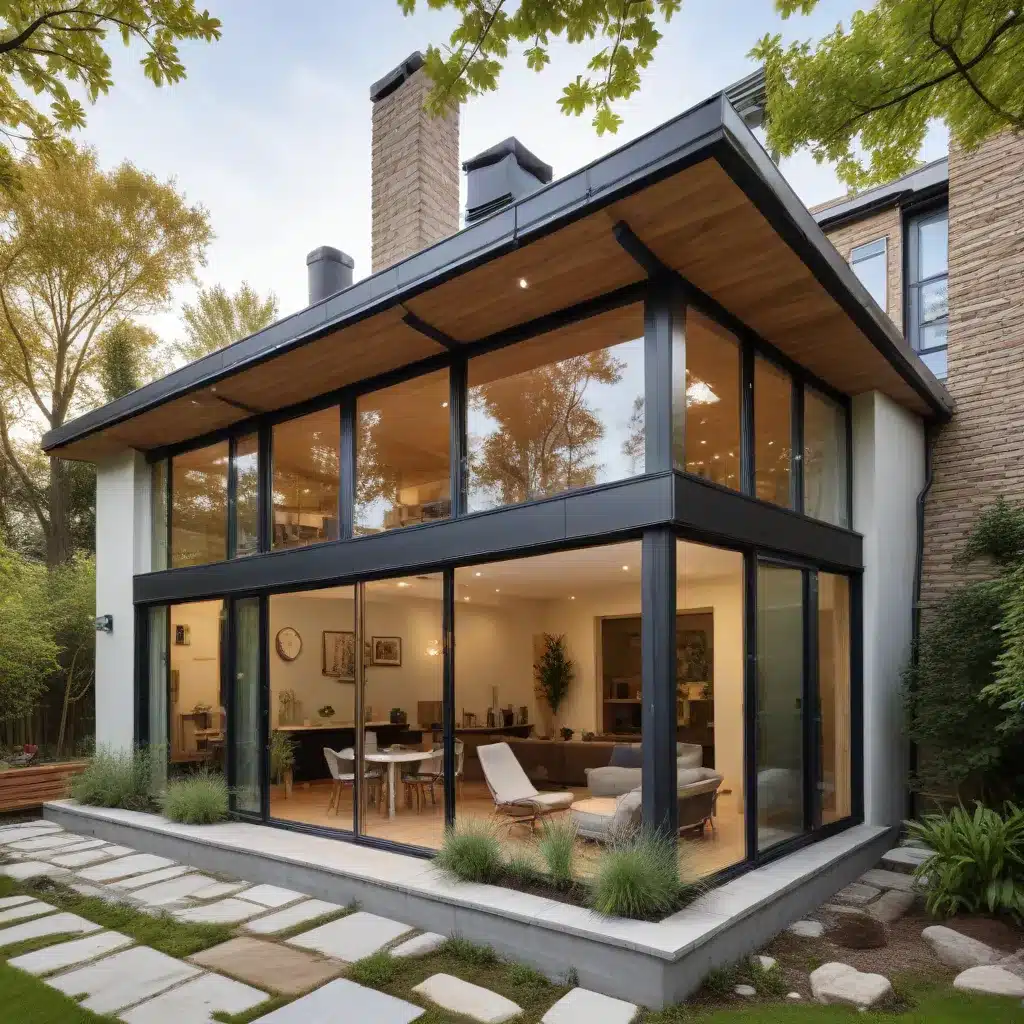
As an experienced home extension consultant, I’ve witnessed the growing demand for sustainable living solutions. Homeowners are increasingly recognizing the importance of eco-friendly home improvements, not only to reduce their environmental impact but also to enhance the long-term value and comfort of their properties. In this comprehensive article, we’ll explore the world of sustainable home extensions, delving into the strategies, practices, and benefits of embracing sustainable building retrofits.
Home Retrofitting Strategies
Retrofitting your home with sustainable features is a smart investment that can yield significant returns in various aspects of your life. At ABC Home, we take a holistic approach to home extensions, ensuring that your entire property is optimized for sustainability and longevity.
Energy-Efficient Upgrades
One of the primary focuses of sustainable home retrofitting is improving energy efficiency. By incorporating advanced insulation techniques, such as spray foam insulation, you can maintain comfortable indoor temperatures while minimizing the need for excessive heating or cooling. Careful consideration of window placement, ventilation, and natural lighting can further reduce your reliance on artificial lighting and HVAC systems, cutting down on energy consumption.
Materials and Resources
Sustainable home extensions prioritize the use of eco-friendly and recycled materials. Rather than relying on virgin materials, we explore opportunities to repurpose existing resources, such as shipping containers. This not only reduces the demand for new construction materials but also minimizes the environmental impact associated with extracting, processing, and transporting raw materials. By embracing the concept of “doing more with less,” we can optimize the use of resources and create efficient, long-lasting home extensions.
Passive Design Principles
At the heart of sustainable home retrofitting lies the embrace of passive design principles. Instead of relying solely on mechanical systems, we design home extensions that can interact with the natural environment to achieve thermal comfort and energy efficiency. This may involve strategies like strategic window placement, cross-ventilation, and the use of thermal mass to regulate indoor temperatures. By harnessing the power of natural elements, we can create homes that seamlessly adapt to their surroundings, reducing the need for energy-intensive systems.
Sustainable Building Practices
Sustainable home extensions go beyond just energy efficiency; they also incorporate a holistic approach to green building practices. Let’s explore some of the key elements that contribute to the sustainability of our projects.
Green Building Certifications
While ABC Home does not focus on pursuing specific green building certifications, we are committed to incorporating sustainable design principles that align with the most rigorous efficiency standards. Our goal is to create homes that exceed industry benchmarks for energy performance, indoor air quality, and environmental impact. By prioritizing sustainability over certifications, we can tailor our solutions to the unique needs and preferences of each homeowner, ensuring that the end result is a truly personalized and eco-friendly living space.
Renewable Energy Integration
Integrating renewable energy sources, such as solar panels, is a crucial component of sustainable home extensions. We design our projects to maximize the potential for renewable energy generation, often incorporating battery storage systems to ensure a reliable and consistent power supply. By harnessing clean energy, we can reduce your reliance on the grid and further minimize the carbon footprint of your home.
Waste Management Strategies
Sustainable home retrofitting also involves thoughtful waste management strategies. During the construction process, we prioritize the reduction, reuse, and recycling of materials to minimize waste generation. This includes carefully planning the use of materials, finding ways to repurpose or upcycle existing components, and responsibly disposing of any unavoidable waste. By implementing these strategies, we can significantly reduce the environmental impact of our home extension projects.
Environmental Impact Considerations
When it comes to sustainable home extensions, it’s essential to consider the broader environmental implications. Let’s explore how we can minimize the ecological footprint of our projects.
Lifecycle Assessment
At ABC Home, we take a comprehensive approach to evaluating the environmental impact of our home extensions. Through detailed lifecycle assessments, we analyze the embodied energy and carbon emissions associated with the entire lifespan of the project, from the production and transport of materials to the eventual end-of-life disposal or recycling. This allows us to make informed decisions and implement strategies that minimize the overall environmental burden of our home extensions.
Carbon Footprint Reduction
Reducing the carbon footprint of our home extensions is a top priority. By employing energy-efficient design, incorporating renewable energy sources, and optimizing material selection, we strive to create homes that are virtually carbon-neutral or even carbon-positive. In some cases, we go a step further by offsetting any residual emissions through measures like excess renewable energy generation or the use of carbon-sequestering materials.
Ecosystem Preservation
Sustainable home extensions also consider the impact on the local ecosystem. We carefully plan our projects to minimize disruption to the natural environment, preserve existing greenery, and integrate landscaping that enhances biodiversity. This approach not only benefits the local flora and fauna but also creates a harmonious living environment that connects homeowners with the natural world.
Economic and Social Benefits
Embracing sustainable home extensions extends beyond just environmental considerations; it also offers significant economic and social benefits.
Cost-Saving Measures
Sustainable home retrofitting can lead to substantial long-term cost savings for homeowners. By improving energy efficiency, integrating renewable energy sources, and reducing maintenance requirements, we can significantly lower your utility bills and operational expenses over the lifetime of the home. Furthermore, the increased property value associated with eco-friendly upgrades can provide a strong return on investment for homeowners.
Occupant Wellbeing
Sustainable home extensions prioritize the health and wellbeing of their occupants. By incorporating features like optimal indoor air quality, natural lighting, and biophilic design elements, we can create living spaces that promote physical and mental well-being. These enhancements contribute to a more comfortable, productive, and fulfilling home environment for you and your family.
Community Engagement
Sustainable home extensions can also have a positive impact on the broader community. By showcasing innovative eco-friendly solutions, we can inspire and educate others about the possibilities of sustainable living. Furthermore, our projects often involve collaboration with local suppliers, tradespeople, and organizations, fostering a sense of community engagement and supporting the local economy.
As an experienced home extension consultant, I’m excited to see the growing demand for sustainable living solutions. By embracing the strategies and practices outlined in this article, homeowners can not only reduce their environmental impact but also enhance the value, comfort, and overall quality of their homes. Whether you’re looking to upgrade your existing property or planning a new home extension, I encourage you to explore the world of sustainable building retrofits. To learn more about our sustainable home extension services, please visit https://abc-home.co.uk/home-extension/. Together, let’s create a greener, more resilient future, one home extension at a time.


