
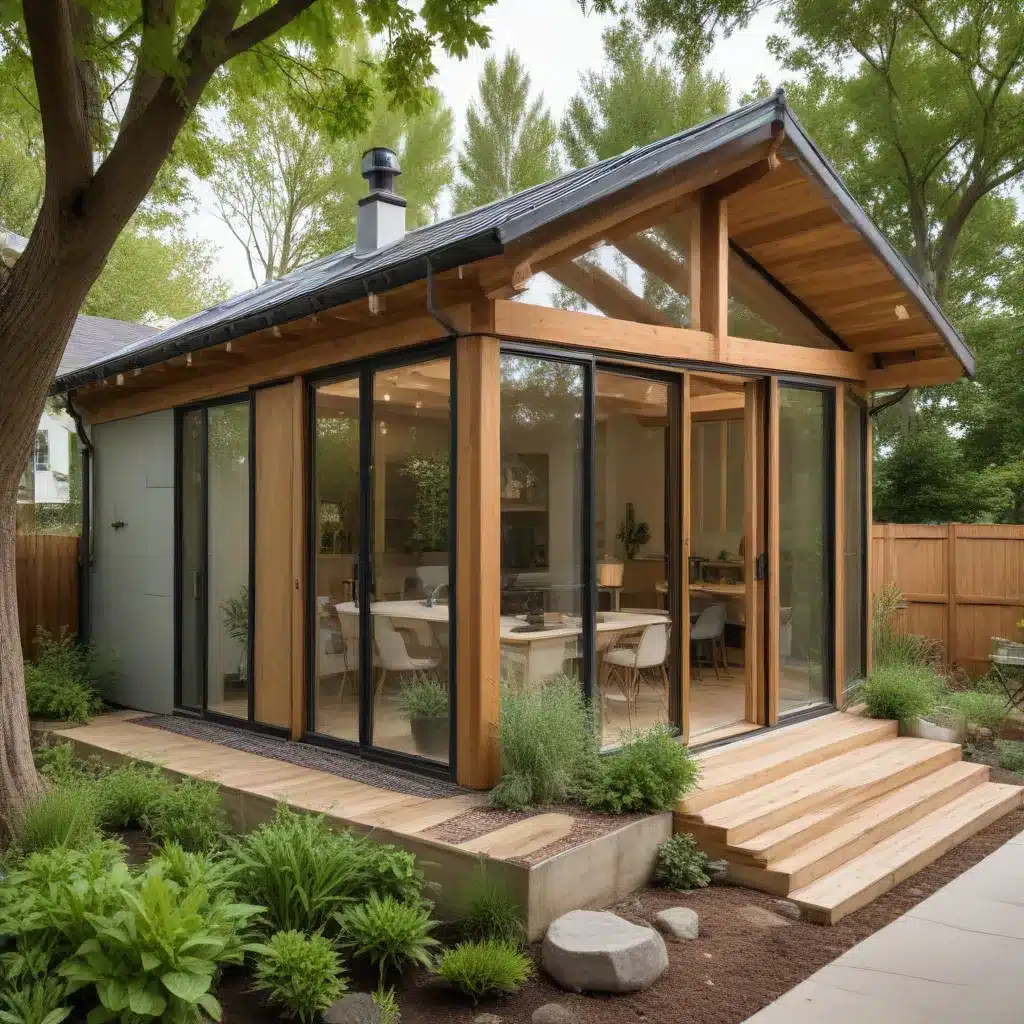
Sustainable Design Principles
When it comes to home extensions, sustainability should be at the forefront of every decision. As an experienced home extension consultant, I’ve seen firsthand how embracing sustainable design principles can transform a project, benefiting both homeowners and the wider community. Let’s delve into the key elements that make a home extension truly sustainable.
Energy Efficiency
Energy efficiency is the cornerstone of sustainable home design. By incorporating features like high-performance insulation, energy-efficient windows, and optimized heating and cooling systems, you can dramatically reduce your home’s energy consumption. This not only lowers your utility bills but also minimizes your carbon footprint. Investing in solar panels or other renewable energy sources can take your energy efficiency to the next level, making your home extension a shining example of self-sufficiency.
Renewable Energy Integration
Integrating renewable energy into your home extension is a game-changer. Solar panels, wind turbines, or even geothermal systems can provide a reliable, clean source of power, reducing your reliance on the grid and contributing to a more sustainable future. By harnessing the natural resources around your home, you’ll be able to generate your own electricity, potentially even selling excess back to the grid and earning a tidy profit.
Water Conservation
Water conservation is another crucial aspect of sustainable home design. Incorporating water-efficient fixtures, rainwater harvesting systems, and greywater recycling can significantly reduce your water usage, easing the strain on local resources. Homeowners who embrace these strategies not only save money on their utility bills but also play a vital role in preserving the precious resource of water for future generations.
Sustainable Materials
The materials used in a home extension project can have a significant impact on its overall sustainability. By carefully selecting eco-friendly, recycled, and low-impact materials, you can minimize the environmental footprint of your project.
Eco-Friendly Building Materials
Opt for materials that are renewable, recyclable, or biodegradable, such as bamboo, cork, or hempcrete. These materials not only reduce the consumption of finite resources but also often have a lower embodied energy, meaning less energy was required to extract, manufacture, and transport them. By choosing these eco-friendly alternatives, you’ll be supporting a more sustainable construction industry.
Recycled and Reclaimed Materials
Incorporating recycled and reclaimed materials into your home extension can be a true testament to your commitment to sustainability. Repurposing materials like salvaged wood, reclaimed bricks, or upcycled metal can breathe new life into your project while diverting waste from landfills. Not only does this approach reduce the demand for virgin materials, but it also adds unique character and charm to your home.
Low-Impact Manufacturing
When selecting building materials, consider the manufacturing process and the environmental impact it has. Opt for products that are produced using renewable energy, minimize waste, and have a low carbon footprint. By supporting companies that prioritize sustainable manufacturing, you’re contributing to a more circular economy and encouraging the shift towards greener practices in the industry.
Sustainable Community Integration
Sustainable home extensions go beyond the boundaries of a single property – they strive to integrate seamlessly with the surrounding community, fostering a sense of collaboration and shared responsibility.
Neighborhood Collaboration
Engaging with your local community is essential for creating a truly sustainable home extension. Encourage neighborhood collaboration by involving residents in the planning process, seeking their input and feedback. This collaborative approach can lead to the incorporation of shared amenities, such as community gardens, bike-sharing stations, or even shared laundry facilities, that benefit the entire neighborhood.
Urban Redevelopment
In urban areas, sustainable home extensions can play a crucial role in revitalizing underutilized spaces. By focusing on infill development, where you build on vacant or underutilized land within an existing urban area, you’re maximizing the use of existing infrastructure and reducing the need for sprawling new developments. Alternatively, the adaptive reuse of existing buildings, such as converting old factories or warehouses into residential spaces, can breathe new life into a community while preserving its heritage.
Environmental Impact Mitigation
Sustainability extends beyond the design and materials of your home extension – it also encompasses minimizing the project’s environmental impact during construction and throughout its lifespan.
Emissions Reduction
Reducing the carbon footprint of your home extension is essential for mitigating its environmental impact. Carefully consider the embodied carbon in the materials you select, opting for low-carbon alternatives wherever possible. Additionally, work with contractors who prioritize emission-reducing construction practices, such as using energy-efficient equipment and minimizing waste during the build.
Ecological Preservation
When planning your home extension, be mindful of the impact on the surrounding ecosystem. Strive to preserve existing green spaces, trees, and wildlife habitats, and incorporate landscaping that supports biodiversity. Consider incorporating features like green roofs, rain gardens, or pollinator-friendly plantings to enhance the ecological value of your property and contribute to the overall health of the local environment.
Resident Wellbeing
Sustainable home extensions should not only benefit the environment but also enhance the wellbeing and quality of life for the residents.
Biophilic Design
Incorporating biophilic design principles, which focus on the integration of nature into the built environment, can have a profound impact on the occupants’ physical and mental health. Ensure your home extension maximizes natural lighting, provides ample access to outdoor spaces, and incorporates natural materials and greenery throughout. These elements can reduce stress, improve cognitive function, and foster a deeper connection between the residents and their surroundings.
Health and Comfort
Prioritize the health and comfort of the residents by optimizing indoor air quality, thermal comfort, and overall livability. Utilize non-toxic, low-emitting materials, implement robust ventilation systems, and design for optimal temperature regulation. By creating a healthy and comfortable living environment, you’ll not only improve the wellbeing of the occupants but also contribute to their long-term satisfaction with the home extension.
As an experienced home extension consultant, I’ve seen the transformative power of sustainable design. By embracing these principles and integrating your project with the local community, you can create a home extension that not only benefits the homeowners but also positively impacts the environment and the surrounding neighborhood. Remember, sustainable home extensions are not just a trend – they’re a blueprint for a more resilient and livable future. To learn more about our home extension services and how we can help you achieve your sustainable goals, please visit https://abc-home.co.uk/home-extension/.


