
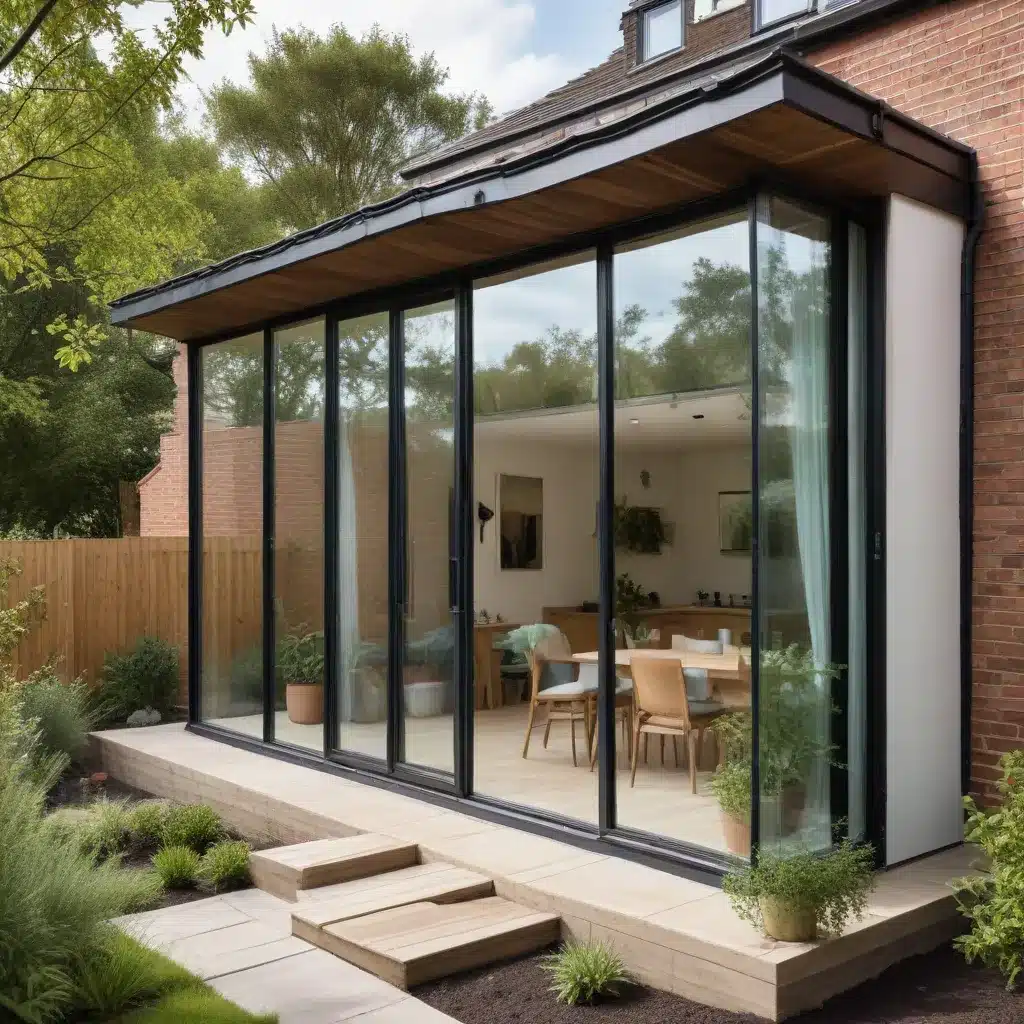
As an experienced home extension consultant, I’ve witnessed firsthand how the built environment can either exacerbate or mitigate the impacts of climate change. In this comprehensive guide, we’ll explore sustainable design principles, construction techniques, and regulatory frameworks that can help homeowners create resilient home extensions – safeguarding their investments and the planet.
Design Principles for Sustainable Home Extensions
When planning a home extension, it’s crucial to adopt a holistic, climate-conscious approach. This begins with the design phase, where key considerations should include:
Passive Design Strategies
Optimizing the building’s orientation, window placement, and insulation can significantly improve energy efficiency and indoor comfort. For example, strategically positioning windows to harness natural light and cross-ventilation reduces reliance on mechanical heating and cooling systems.
Material Selection
Choosing sustainable, low-embodied-carbon materials is paramount. Consider timber framing, recycled plastic insulation, and renewable resources like bamboo or cork. These options not only reduce the extension’s environmental impact but also enhance its resilience to extreme weather events.
Water Management
Integrating water-efficient fixtures, rainwater harvesting systems, and permeable surfaces can help mitigate the risks of flooding and water scarcity. This is particularly important in regions prone to droughts or intense rainfall patterns.
Renewable Energy Integration
Incorporating solar panels, heat pumps, and other renewable energy technologies into the home extension can transform it into a self-sustaining, low-carbon asset. This aligns with the goal of transitioning towards a more sustainable energy landscape.
By prioritizing these design principles, homeowners can create home extensions that are not only beautiful and functional but also resilient to the impacts of climate change.
Sustainable Construction Techniques
The construction phase of a home extension presents numerous opportunities to minimize environmental impact and enhance long-term resilience. Some key strategies include:
Modular and Prefabricated Construction
Prefabricated building components, such as wall panels and roof trusses, can significantly reduce construction waste, minimize on-site disruption, and expedite the building process. This approach aligns with the principles of circular economy and resource efficiency.
Waste Management and Recycling
Implementing robust waste management protocols, including on-site sorting, recycling, and repurposing of materials, can divert a substantial amount of construction waste from landfills. This not only reduces the extension’s environmental footprint but also contributes to a more sustainable built environment.
Adaptive Reuse and Retrofitting
In some cases, it may be more sustainable to retrofit an existing structure rather than demolishing and rebuilding. This approach preserves the embodied energy and resources within the original building, minimizing the need for new materials and the associated environmental impact.
On-Site Renewable Energy Generation
Integrating solar panels, wind turbines, or other on-site renewable energy systems can transform the home extension into a self-sufficient, low-carbon asset. This not only enhances the building’s resilience to grid disruptions but also contributes to the broader transition towards renewable energy.
By incorporating these sustainable construction techniques, homeowners can ensure that their home extensions are not only environmentally responsible but also better equipped to withstand the challenges posed by climate change.
Enhancing Climate Change Resilience
Adapting to the effects of climate change is crucial when planning and constructing home extensions. Key strategies to enhance resilience include:
Flood and Storm Mitigation
In flood-prone areas, elevating the foundation, installing flood-resistant materials, and designing drainage systems that can handle intense rainfall events can significantly reduce the risk of water damage. Additionally, reinforcing the building envelope and incorporating storm-resistant windows and roofing systems can protect the home extension from the impacts of high winds and extreme weather.
Thermal Comfort and Energy Efficiency
Ensuring the home extension can maintain comfortable indoor temperatures, even during heatwaves or cold snaps, is essential for resilience. This can be achieved through passive design strategies, high-performance insulation, and the integration of energy-efficient appliances and smart home technologies.
Disaster Preparedness and Emergency Response
Incorporating features like backup power generators, water storage tanks, and emergency communication systems can enhance the home extension’s ability to withstand and recover from natural disasters. These measures can provide crucial support during grid failures or supply chain disruptions.
Landscape Integration and Ecosystem Services
Integrating the home extension with the surrounding landscape can unlock valuable ecosystem services, such as stormwater management, urban cooling, and biodiversity preservation. This can be achieved through green infrastructure, native landscaping, and the preservation of existing trees and vegetation.
By addressing these resilience strategies, homeowners can future-proof their home extensions, ensuring that their investments remain safe, comfortable, and sustainable in the face of a changing climate.
Regulatory Frameworks and Incentives
Navigating the complex landscape of building codes, sustainability certifications, and government incentives is essential for achieving truly sustainable and resilient home extensions. Some key considerations include:
Building Codes and Regulations
Building codes are continuously evolving to incorporate climate-resilient design requirements, such as flood-resistant construction, energy efficiency standards, and renewable energy integration. Staying up-to-date with the latest regulatory changes is crucial for ensuring compliance and future-proofing the home extension.
Sustainability Certification Schemes
Voluntary certification programs, such as LEED, BREEAM, and Passive House, provide a framework for designing and constructing sustainable and energy-efficient buildings. Pursuing these certifications can not only demonstrate the home extension’s environmental credentials but also unlock access to financial incentives and tax rebates.
Government Incentive Programs
Many local, regional, and national governments offer financial incentives, such as tax credits, rebates, and subsidies, to encourage homeowners to implement sustainable home improvements. Researching and taking advantage of these programs can significantly offset the upfront costs of a sustainable home extension.
By aligning the home extension project with the evolving regulatory landscape and available incentives, homeowners can ensure that their investment not only enhances the resilience of their property but also contributes to the broader societal goals of sustainability and climate change adaptation.
Conclusion
Sustainable home extensions, designed and constructed with climate change resilience in mind, can offer numerous benefits to homeowners and the environment. By incorporating passive design strategies, selecting sustainable materials, and leveraging renewable energy technologies, homeowners can create home extensions that are not only energy-efficient and environmentally responsible but also better equipped to withstand the impacts of a changing climate.
Moreover, by aligning with regulatory frameworks and taking advantage of government incentive programs, homeowners can make sustainable home extensions a more accessible and financially viable option. This holistic approach to home extension projects can transform individual properties into climate-resilient assets, while also contributing to the larger goal of building a more sustainable and adaptable built environment.
If you’re considering a home extension project and want to ensure it is designed and constructed with sustainability and climate resilience in mind, I encourage you to explore our home extensions service. Our team of experienced consultants can guide you through the process, helping you create a home extension that not only meets your needs but also safeguards your investment and the environment for years to come.


