
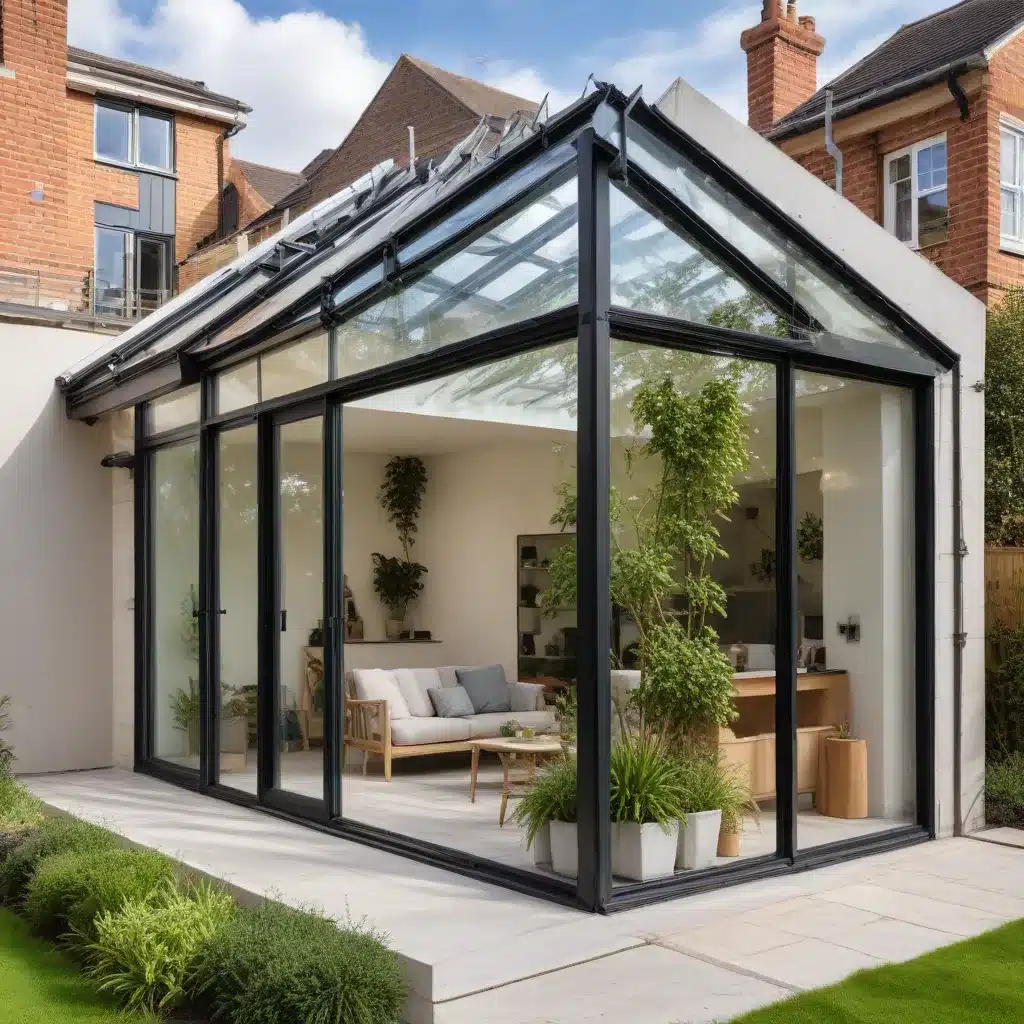
As an experienced home extension consultant, I’m excited to share insights on how homeowners can create sustainable, healthy home extensions that enhance the wellbeing of building occupants. In this comprehensive guide, we’ll explore the principles of sustainable design, construction best practices, and the positive impacts on occupant health and the environment.
Sustainable Building Design Principles
Designing a sustainable home extension requires a holistic approach that considers energy efficiency, renewable energy integration, and thoughtful material selection. Let’s dive into each of these key areas:
Energy Efficiency
A critical aspect of sustainable design is minimizing the extension’s energy demands. This can be achieved through strategies like high-performance insulation, efficient windows and doors, and optimized building orientation to take advantage of natural lighting and passive solar gain. By reducing the energy required for heating, cooling, and powering the extension, you’ll not only lower utility bills but also contribute to a smaller environmental footprint.
Renewable Energy
Integrating renewable energy sources, such as solar photovoltaic panels or a small-scale wind turbine, can allow the home extension to generate its own clean, renewable electricity. This helps offset the remaining energy needs and moves the project closer to a net-zero energy goal. Consulting with local renewable energy experts can ensure the right system is selected and properly installed.
Material Selection
The materials used in the home extension play a significant role in its sustainability. Prioritize the use of low-embodied carbon materials, such as sustainably harvested wood, recycled steel, or natural insulation products. Avoid materials with high embodied energy or those that may release harmful volatile organic compounds (VOCs) into the indoor environment. By carefully selecting materials, you can minimize the extension’s environmental impact and support occupant health.
Enhancing Occupant Wellbeing
Sustainable design not only benefits the environment but also has a direct impact on the health and comfort of the building’s occupants. Let’s explore how a sustainable home extension can enhance the wellbeing of its residents.
Indoor Air Quality
Ensuring high indoor air quality is crucial for occupant health. Strategies like proper ventilation, use of low-emitting materials, and strategic placement of houseplants can all contribute to cleaner, fresher air. Avoiding the use of harmful chemicals, such as VOCs found in many conventional paints and adhesives, is also essential.
Thermal Comfort
Maintaining a comfortable temperature and humidity level is vital for occupant satisfaction and productivity. Sustainable design principles, such as optimized insulation and passive solar design, can help regulate the indoor environment, reducing the need for excessive heating or cooling. Incorporating smart thermostats and zoning can further enhance thermal comfort.
Daylighting and Views
Abundant natural light and access to views of the outdoors have been shown to have a positive impact on occupant wellbeing. Strategically placed windows, skylights, and even atrium spaces can bring in natural daylight and connect the extension to the surrounding environment. This connection to nature can have a calming effect and support occupant mental health.
Sustainable Building Processes
Achieving a sustainable home extension goes beyond just the design; the construction process and ongoing operations also play a crucial role. Let’s explore some best practices for sustainable building processes.
Planning and Permitting
When planning a home extension, it’s essential to research and adhere to local regulations and building codes. Many municipalities now have sustainability-focused requirements or incentives that should be factored into the project. Additionally, exploring sustainable building certifications, such as LEED or Green Globes, can provide a framework for achieving a high-performance, sustainable extension.
Construction Practices
During the construction phase, sustainable practices can significantly reduce waste and environmental impact. This includes strategies like material recycling, on-site renewable energy generation, and careful planning to minimize construction debris. Maintaining a safe and healthy jobsite for workers is also a key consideration.
Occupant Health and Comfort
The true measure of a sustainable home extension is how it positively impacts the health and comfort of its occupants. Let’s delve deeper into the physical and mental wellbeing benefits.
Physical Wellbeing
Sustainable design features like high-efficiency HVAC systems, advanced air filtration, and optimal thermal regulation can dramatically improve the physical comfort and health of occupants. Proper humidity control and the use of low-emitting materials further contribute to a healthier indoor environment, reducing the risk of respiratory issues or other ailments.
Mental Wellbeing
The psychological benefits of sustainable design should not be overlooked. Incorporating biophilic design elements, such as natural materials, greenery, and views of the outdoors, can have a calming and restorative effect on occupants. Abundant daylighting and access to views have been shown to reduce stress, improve mood, and enhance cognitive function.
Economic and Environmental Impacts
Sustainable home extensions not only benefit occupant wellbeing but also have a positive impact on the homeowner’s wallet and the environment.
Cost Savings
Energy-efficient design and renewable energy integration can significantly reduce the ongoing operational costs of the home extension. Homeowners can expect to see lower utility bills and potentially take advantage of various government incentives or rebates for sustainable home improvements.
Ecological Footprint
By prioritizing sustainable practices, the home extension can dramatically reduce its environmental impact. Strategies like embodied carbon reduction, water conservation, and waste minimization all contribute to a smaller ecological footprint. This helps combat climate change and preserves natural resources for future generations.
In conclusion, sustainable home extensions offer a holistic approach to enhancing both the built environment and the wellbeing of its occupants. By incorporating energy-efficient design, renewable energy, and healthy, sustainable materials, homeowners can create a comfortable, eco-friendly living space that positively impacts their quality of life and the environment. If you’re considering a home extension, I encourage you to explore the sustainable options available to you. Contact our team at ABC Home to discuss how we can help you design and build a sustainable home extension that meets your needs and supports your family’s wellbeing.


