
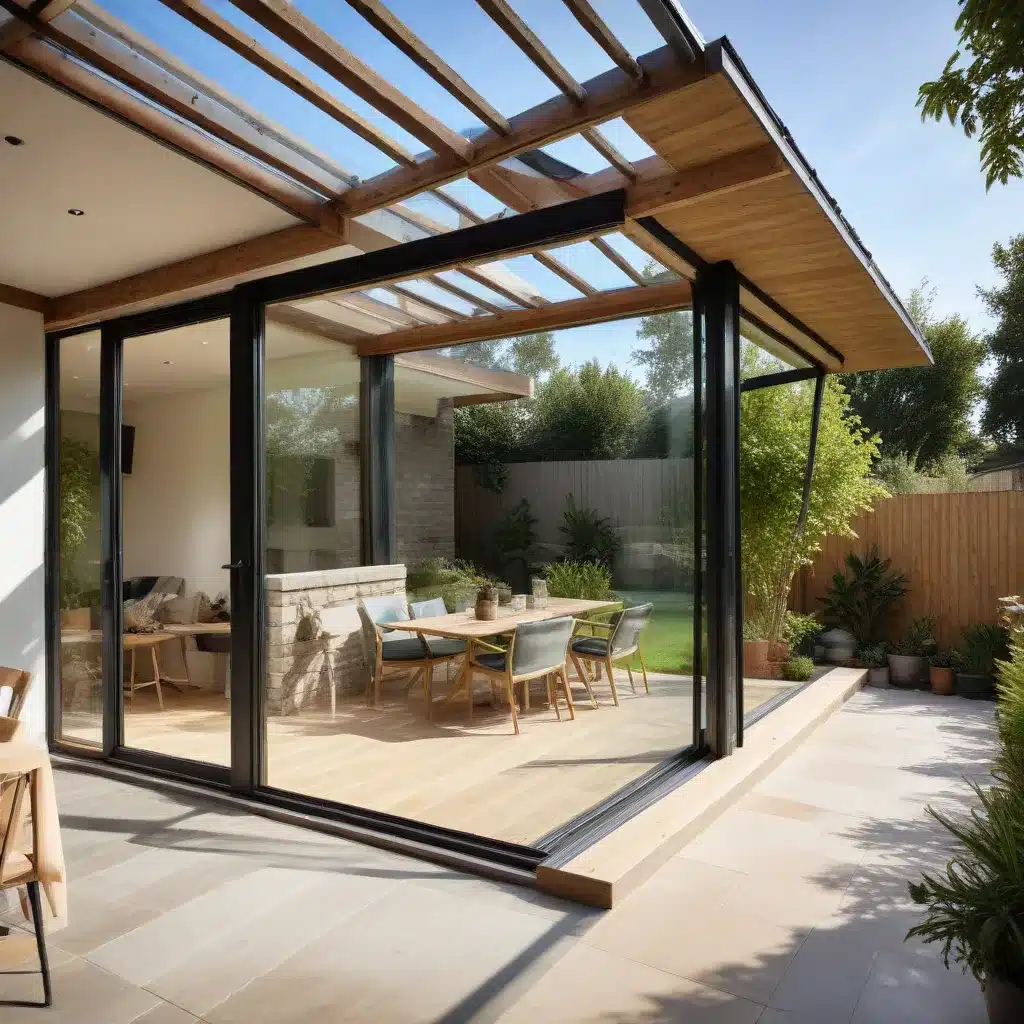
Sustainable Home Extensions: Enhancing Sustainable Building Renovations
As an experienced home extension consultant, I’m excited to share insights on how to approach home renovations and extensions through the lens of sustainability. In today’s climate-conscious world, it’s crucial that we consider the environmental impact of our building projects and explore ways to minimize our carbon footprint.
Sustainable Building Practices
When it comes to sustainable home extensions, the key lies in adopting building practices that prioritize renewable energy sources, energy-efficient design, and the use of eco-friendly materials. Let’s dive into each of these aspects in more detail.
Renewable Energy Sources
One of the cornerstones of sustainable home extensions is the integration of renewable energy sources. Solar photovoltaic (PV) systems have become increasingly accessible and cost-effective, allowing homeowners to generate their own clean electricity. By incorporating solar panels into your home extension, you can significantly reduce your reliance on fossil fuels and lower your overall energy consumption.
Additionally, homeowners may consider exploring the potential of geothermal heating and cooling systems. These innovative technologies harness the natural heat stored within the earth to provide efficient and environmentally friendly climate control for your home. Geothermal systems can be seamlessly integrated into home extension projects, contributing to your sustainable energy strategy.
Energy-Efficient Design
Designing your home extension with energy efficiency in mind is crucial for minimizing its environmental impact. Proper insulation is a key element in this regard. By choosing high-performance insulation materials with a high R-value, you can effectively reduce heat transfer, keeping your home warm in the winter and cool in the summer. This not only enhances comfort but also leads to significant energy savings and a lower carbon footprint.
Complementing the insulation, energy-efficient windows and doors play a vital role in optimizing the thermal performance of your home extension. Opt for double-glazed or triple-glazed windows with low-emissivity (Low-E) coatings, which help to minimize heat loss and gain, further contributing to your energy-efficient design.
Sustainable Materials
The materials you select for your home extension can have a profound impact on the project’s overall sustainability. Wherever possible, prioritize the use of recycled, reclaimed, or repurposed materials. This not only reduces waste but also minimizes the need for energy-intensive manufacturing processes.
For example, consider using reclaimed timber, which not only adds character to your extension but also has a lower environmental impact compared to newly harvested wood. Similarly, you can explore the use of sustainable materials like bamboo, cork, or hemp-based products, which are renewable, durable, and environmentally friendly.
When selecting building materials, also consider their embodied energy – the energy required to extract, manufacture, and transport the materials. By choosing low-embodied energy options, you can further reduce the carbon footprint of your home extension project.
Enhancing Building Renovations
While constructing a new home extension presents opportunities for incorporating sustainable practices, the renovation of existing structures can also be a powerful way to enhance a building’s environmental performance. Let’s explore some strategies for making your home renovations more sustainable.
Retrofitting Existing Structures
One of the most effective ways to improve the sustainability of your home is through retrofitting. This involves upgrading the existing building envelope, systems, and appliances to enhance energy efficiency and reduce resource consumption.
For instance, you can improve the thermal insulation of your home by adding extra insulation to the walls, roof, and floors. This helps to minimize heat loss and gain, reducing the energy needed for heating and cooling. Additionally, replacing outdated windows and doors with energy-efficient alternatives can significantly improve the thermal performance of your home.
Passive Design Strategies
Passive design principles can be seamlessly integrated into your home renovation project, further enhancing its sustainability. Passive design focuses on optimizing the building’s orientation, layout, and materials to harness natural light, ventilation, and thermal dynamics, reducing the need for active heating, cooling, and lighting systems.
Strategies such as strategic window placement, incorporating thermal mass, and utilizing natural ventilation can all contribute to a more passive, energy-efficient home. By incorporating these principles into your renovation, you can create a comfortable living environment while minimizing your energy demands and environmental impact.
Minimizing Environmental Impact
When undertaking a home renovation project, it’s essential to consider the overall environmental impact of the process. This includes managing construction waste, minimizing the use of hazardous materials, and adopting sustainable disposal and recycling practices.
Implement a comprehensive construction waste management plan, ensuring that materials are properly sorted, recycled, or responsibly disposed of. Explore opportunities to repurpose or donate unwanted materials, reducing the amount of waste sent to landfills.
Additionally, be mindful of the materials you use, opting for low-volatile organic compound (VOC) paints, finishes, and adhesives to maintain healthy indoor air quality. By prioritizing environmentally responsible practices throughout the renovation process, you can minimize the overall environmental footprint of your project.
Sustainable Design Principles
At the core of sustainable home extensions and renovations lie several key design principles that should guide your decision-making process. Let’s explore these principles in more detail.
Optimizing Energy Efficiency
Energy efficiency is a fundamental aspect of sustainable building design. By optimizing the energy performance of your home extension or renovation, you can significantly reduce your energy consumption and associated greenhouse gas emissions.
Thermal insulation is a crucial element in this regard. Ensuring your home has high-quality, well-installed insulation in the walls, roof, and floors can dramatically improve its thermal efficiency, minimizing heat loss and gain. Additionally, airtightness measures, such as sealing air leaks and drafts, further enhance the energy performance of your home.
Passive solar design strategies, which harness the sun’s natural energy, can also play a pivotal role in improving energy efficiency. This includes strategically positioning windows, using thermal mass materials, and incorporating shading devices to optimize the balance between heat gain and loss.
Incorporating Renewable Technologies
Integrating renewable energy technologies into your home extension or renovation project is a powerful way to reduce your reliance on fossil fuels and generate clean, sustainable power.
Solar photovoltaic (PV) systems are a popular choice, allowing you to convert sunlight into electricity for your home. These systems can be seamlessly incorporated into the design of your extension, ensuring a visually appealing and functional integration.
Geothermal heat pumps are another renewable technology worth considering. By utilizing the earth’s natural heat, these systems provide efficient and environmentally friendly heating and cooling, reducing your overall energy consumption and carbon footprint.
In some cases, you may also explore the potential of small-scale wind turbines or other renewable energy solutions, depending on the specific characteristics of your property and local climate.
Sustainable Materials and Resources
The materials and resources you choose for your home extension or renovation project play a crucial role in its overall sustainability. Let’s delve into the importance of eco-friendly building materials and responsible waste management.
Eco-Friendly Building Materials
When selecting materials for your sustainable home project, prioritize those that are environmentally friendly, renewable, and have a low environmental impact. This includes materials such as recycled and reclaimed timber, bamboo, cork, and natural stone.
Recycled and reclaimed materials offer a sustainable alternative to newly manufactured products, reducing the demand for resource extraction and energy-intensive production processes. Locally sourced materials can also contribute to the overall sustainability of your project by reducing the carbon footprint associated with transportation.
In addition to the materials themselves, consider the embodied energy and carbon associated with their production, transportation, and installation. By choosing materials with a lower embodied impact, you can further enhance the sustainability of your home extension or renovation.
Waste Reduction and Recycling
Responsible waste management is an integral part of sustainable building practices. During the construction or renovation process, implement a comprehensive waste management plan to minimize the amount of waste sent to landfills.
Prioritize the deconstruction and repurposing of existing building materials wherever possible. This not only reduces waste but also allows you to incorporate unique and characterful elements into your new design.
Embrace the principles of a circular economy by exploring opportunities to recycle and reuse materials. Work with local waste management providers to ensure that construction waste is properly sorted, recycled, or responsibly disposed of.
By adopting a holistic approach to waste reduction and recycling, you can significantly minimize the environmental impact of your home extension or renovation project.
Integrating Sustainable Landscaping
The outdoor spaces surrounding your home extension or renovation project also present opportunities to incorporate sustainable practices. Let’s explore how you can integrate sustainable landscaping elements into your overall design.
Biodiversity and Habitat Conservation
When planning your home’s landscaping, consider the importance of preserving and enhancing local biodiversity. Select native plant species that are adapted to the regional climate and can provide valuable habitats for local wildlife, such as pollinators and birds.
Incorporate permeable surfaces, such as gravel or porous pavement, to allow for natural water infiltration and reduce the impact of stormwater runoff. This not only benefits the local ecosystem but also helps to recharge groundwater supplies.
Sustainable Outdoor Spaces
Sustainable landscaping can also contribute to the overall energy efficiency and resource conservation of your home. Consider integrating edible gardens, where you can grow your own fruits, vegetables, and herbs, reducing the need for energy-intensive food transportation and packaging.
Rainwater harvesting systems can be an excellent way to capture and store precipitation for landscape irrigation, reducing the demand on municipal water supplies. Additionally, you can explore the integration of renewable energy sources, such as solar-powered lighting or small-scale wind turbines, to power your outdoor spaces.
By thoughtfully designing your home’s landscaping with sustainability in mind, you can create a harmonious and environmentally conscious outdoor environment that complements the sustainable features of your home extension or renovation.
In conclusion, as an experienced home extension consultant, I’m excited to see the growing trend towards sustainable building practices in the residential sector. By embracing renewable energy sources, energy-efficient design, and eco-friendly materials, homeowners can not only reduce their environmental impact but also enjoy the long-term benefits of lower energy costs and increased property value.
Remember, every home extension or renovation project is an opportunity to make a positive difference. I encourage you to explore the sustainable design principles and strategies outlined in this article, and work with professionals who can guide you through the process of creating a truly sustainable home. Together, we can build a future where our homes not only reflect our personal style but also contribute to the health of our planet.
If you’re ready to embark on a sustainable home extension or renovation project, I invite you to visit our home extensions service page to learn more about our comprehensive approach. Our team of experts is dedicated to helping homeowners like you achieve their sustainability goals while enhancing the functionality and beauty of their living spaces. Let’s work together to create a sustainable sanctuary that you can be proud to call home.


