
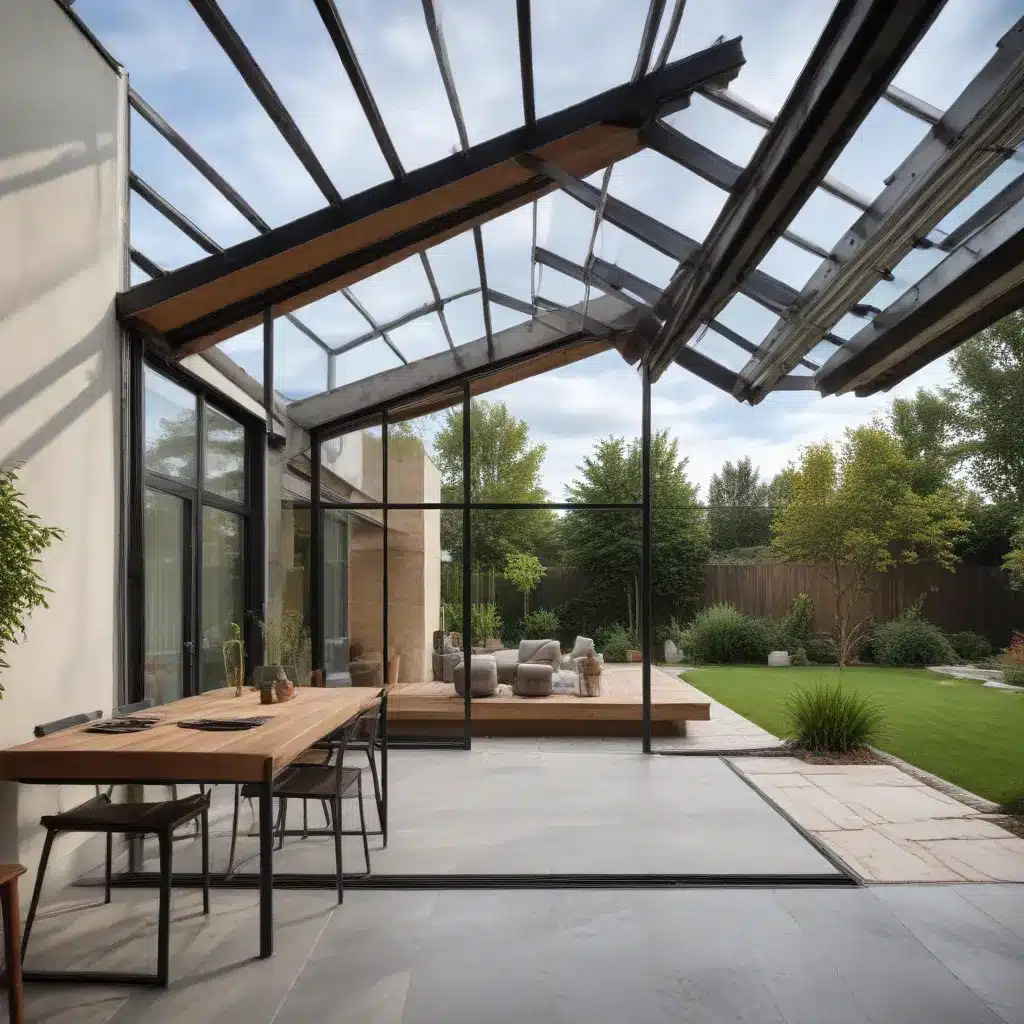
As an experienced home extension consultant here at ABC Home, I’m excited to delve into the world of sustainable home extensions and share some invaluable insights with you. In today’s climate-conscious era, it’s more important than ever to consider the environmental impact of our building practices. That’s why I’m here to guide you through the principles of sustainable construction, eco-friendly material choices, and energy-efficient design strategies that can transform your home extension project into a shining example of green living.
Sustainable Construction Practices
When it comes to home extensions, sustainability should be at the forefront of your mind. After all, the construction industry is a major contributor to greenhouse gas emissions and resource depletion. But fear not, my fellow Scots – with the right approach, we can create home extensions that are not only visually stunning, but also environmentally responsible.
Principles of Sustainable Construction
At the heart of sustainable construction lies a fundamental shift in mindset. Rather than simply building for the sake of building, we must consider the long-term implications of our actions. This means embracing a holistic, lifecycle-based approach that prioritizes resource efficiency, waste reduction, and the minimization of environmental impact.
One of the key principles of sustainable construction is to minimize the consumption of natural resources. This can be achieved through careful material selection, efficient design, and the incorporation of renewable energy sources. By reducing our reliance on non-renewable materials and fossil fuels, we can significantly lower the carbon footprint of our home extensions.
Another important principle is to promote circular economy practices. This involves designing for disassembly, reuse, and recycling, ensuring that materials can be repurposed at the end of a building’s lifespan. By keeping materials in continuous use, we can reduce waste and conserve valuable resources.
Eco-Friendly Building Materials
When it comes to the materials used in your home extension, it’s crucial to prioritize eco-friendly options. This could include things like:
- Sustainable Timber: Look for timber that is certified by the Forest Stewardship Council (FSC) or the Programme for the Endorsement of Forest Certification (PEFC), ensuring responsible forestry practices.
- Recycled and Reclaimed Materials: Incorporating recycled or reclaimed materials, such as steel, glass, or even salvaged building components, can significantly reduce the embodied carbon of your project.
- Natural Insulation: Materials like sheep’s wool, cellulose, or hemp-based insulation provide excellent thermal performance while minimizing the use of synthetic, energy-intensive options.
- Low-VOC Paints and Finishes: Choosing paints, sealants, and other finishes with low volatile organic compound (VOC) content can improve indoor air quality and reduce the release of harmful chemicals.
By carefully selecting these eco-friendly building materials, you can create a home extension that is not only visually appealing but also kinder to the environment.
Energy-Efficient Design Strategies
When it comes to the design of your home extension, energy efficiency should be a top priority. This can be achieved through a range of strategies, including:
- Passive Solar Design: Orienting your home extension to maximize passive solar gain, incorporating features like large windows, thermal mass, and strategic shading, can significantly reduce your energy consumption.
- High-Performance Insulation: Ensuring that your home extension is well-insulated, using materials like rigid foam or structural insulated panels (SIPs), can help to minimize heat loss and improve overall energy efficiency.
- Energy-Efficient Glazing: Choosing high-performance, double-glazed or triple-glazed windows can help to reduce heat transfer, improve thermal comfort, and enhance the overall energy performance of your home extension.
By incorporating these energy-efficient design strategies, you can create a home extension that not only looks great but also operates in a more sustainable and cost-effective manner.
Sustainable Home Extension Design
Now that we’ve covered the principles of sustainable construction and the importance of eco-friendly materials, let’s dive into the specific design considerations for your sustainable home extension.
Passive Solar Design
Passive solar design is a key component of sustainable home extension design. By carefully orienting your extension to take advantage of the sun’s natural energy, you can reduce your reliance on artificial heating and cooling, resulting in significant energy savings.
Some key passive solar design strategies include:
- Optimizing Window Placement: Positioning large windows on the south-facing side of your home extension to capture the sun’s warmth during the winter months, while incorporating shading or overhangs to prevent overheating in the summer.
- Thermal Mass: Incorporating materials with high thermal mass, such as concrete or stone, into your home extension design. These materials can absorb and store heat during the day, then release it slowly at night, helping to regulate the interior temperature.
- Natural Ventilation: Designing your home extension to take advantage of natural airflow, using strategically placed windows and vents, can reduce the need for mechanical cooling systems.
By implementing these passive solar design principles, you can create a comfortable and energy-efficient home extension that minimizes its environmental impact.
Water Conservation Strategies
Water conservation is another crucial aspect of sustainable home extension design. In an era of increasing water scarcity, it’s essential to incorporate strategies that reduce your overall water usage.
Some effective water conservation strategies include:
- Rainwater Harvesting: Installing a rainwater collection system to capture and store precipitation for landscape irrigation or non-potable uses, such as toilet flushing.
- Low-Flow Fixtures: Incorporating water-efficient plumbing fixtures, such as low-flow showerheads, faucets, and toilets, can significantly reduce your home’s water consumption.
- Greywater Recycling: Designing your home extension to include a greywater system that reuses water from sinks, showers, and washing machines for landscape irrigation or other non-potable uses.
By implementing these water conservation strategies, you can not only reduce your environmental impact but also lower your utility bills and contribute to the long-term sustainability of your home extension.
Renewable Energy Integration
Integrating renewable energy sources into your home extension design is a crucial step towards achieving true sustainability. By harnessing the power of the sun, wind, or even geothermal energy, you can reduce your reliance on fossil fuels and lower your carbon footprint.
Some renewable energy options to consider for your home extension include:
- Solar Photovoltaic (PV) Systems: Installing solar panels on the roof or integrating them into the design of your home extension can provide a clean, renewable source of electricity.
- Solar Thermal Systems: Incorporating solar thermal collectors to heat water for your home extension can significantly reduce your energy consumption and associated emissions.
- Small-Scale Wind Turbines: In suitable locations, installing a small-scale wind turbine can supplement your home extension’s energy needs with renewable, on-site generation.
By combining these renewable energy strategies with your passive solar design and water conservation efforts, you can create a truly sustainable home extension that minimizes its environmental impact and provides long-term cost savings.
Sustainable Construction Techniques
Sustainable construction techniques are essential for ensuring that your home extension project is executed in an environmentally responsible manner. Let’s explore some of the key strategies you can implement.
Prefabrication and Modular Construction
One innovative approach to sustainable home extensions is the use of prefabrication and modular construction techniques. These methods involve the off-site fabrication of building components, which are then assembled on-site, reducing construction waste and minimizing the environmental impact of the build.
Prefabricated and modular systems often utilize standardized, high-quality components that can be easily disassembled and reused or recycled at the end of the building’s lifespan. This aligns with the principles of a circular economy, where materials are kept in continuous use rather than ending up in landfills.
Moreover, these construction techniques can significantly reduce the construction timeline, leading to cost savings and a more efficient building process.
On-Site Waste Management
Effective on-site waste management is another crucial component of sustainable home extension construction. By implementing strategies to minimize, reuse, and recycle construction waste, you can significantly reduce the environmental impact of your project.
Some key on-site waste management strategies include:
- Waste Sorting and Segregation: Designating specific areas on-site for the collection and sorting of different waste streams, such as wood, metal, plastic, and concrete, can facilitate the recycling and reuse of these materials.
- Material Optimization: Carefully planning material orders and cutting to minimize waste, as well as utilizing off-cuts and leftover materials wherever possible, can help to reduce the overall amount of construction waste.
- Donation and Repurposing: Donating or repurposing usable building materials and components, such as doors, windows, or fixtures, can divert waste from landfills and support local community initiatives.
By adopting these on-site waste management practices, you can not only reduce the environmental impact of your home extension project but also contribute to a more circular, resource-efficient construction industry.
Sustainable Site Preparation
The way in which you prepare the site for your home extension can also have a significant impact on the project’s overall sustainability. Careful planning and consideration of the site’s natural features can help to minimize disruption and preserve the local ecosystem.
Some sustainable site preparation strategies include:
- Tree and Vegetation Preservation: Identifying and protecting existing trees, shrubs, and other vegetation on the site can help to maintain the natural habitat and reduce the need for extensive landscaping.
- Soil Conservation: Implementing measures to prevent soil erosion, such as the use of mulch or temporary ground cover, can help to preserve the site’s natural soil structure and fertility.
- Stormwater Management: Designing the site to effectively manage and infiltrate stormwater, through the use of permeable surfaces or rain gardens, can help to reduce runoff and prevent water pollution.
By incorporating these sustainable site preparation techniques, you can ensure that your home extension project is integrated seamlessly into the local environment, minimizing its overall ecological impact.
Environmental Impact Considerations
When it comes to sustainable home extensions, it’s essential to consider the project’s environmental impact throughout its entire lifecycle, from construction to operation and eventual demolition.
Life Cycle Assessment
Conducting a comprehensive life cycle assessment (LCA) can provide valuable insights into the environmental impact of your home extension project. An LCA examines the environmental effects associated with all stages of a building’s life, including resource extraction, manufacturing, transportation, construction, use, and end-of-life disposal or recycling.
By understanding the full environmental impact of your home extension, you can make informed decisions about material selection, energy efficiency, and other sustainable design strategies. This holistic approach helps to ensure that your project truly minimizes its environmental footprint.
Embodied Carbon Reduction
One key aspect of environmental impact consideration is the reduction of embodied carbon – the greenhouse gas emissions associated with the extraction, manufacture, transport, and installation of building materials. By prioritizing low-carbon materials, such as timber, and minimizing the use of energy-intensive materials like steel and concrete, you can significantly reduce the embodied carbon of your home extension.
Additionally, strategies like reusing or repurposing existing building components can further lower the embodied carbon of your project, contributing to its overall sustainability.
Sustainable Landscaping
The landscaping design of your home extension can also play a vital role in its environmental impact. Incorporating sustainable landscaping elements, such as native and drought-tolerant plants, can help to reduce the need for water-intensive irrigation and maintenance.
Additionally, thoughtful landscape design can enhance the overall biodiversity of the site, providing habitat for local flora and fauna, and contributing to the ecological health of the surrounding area.
Regulatory Frameworks and Certifications
When it comes to sustainable home extensions, it’s important to navigate the various regulatory frameworks and certification systems that can guide your project towards greater sustainability.
Green Building Standards
There are several green building standards and codes that can be applied to home extension projects, each with their own unique focus and requirements. One prominent example is the California Green Building Standards Code, also known as CALGreen, which is the first statewide green building code in the United States.
CALGreen establishes mandatory and voluntary measures for new construction and home additions, covering areas such as energy efficiency, water conservation, material selection, and indoor environmental quality. By aligning your home extension project with the requirements of CALGreen or other green building standards, you can ensure that your project meets or exceeds important sustainability benchmarks.
Incentives and Policies
Many local and national governments offer incentives and policies to encourage the adoption of sustainable construction practices. These can include tax credits, rebates, or expedited permitting processes for projects that meet specific green building criteria.
As you plan your home extension, be sure to research the available incentives and policies in your area, as they can provide valuable financial and logistical support for your sustainable construction efforts.
Sustainable Procurement
Sustainable procurement practices are also an essential consideration for your home extension project. By sourcing materials, products, and services from suppliers that prioritize sustainability, you can further reinforce the environmental responsibility of your project.
Look for certifications such as Forest Stewardship Council (FSC) for timber products, GREENGUARD for low-emitting materials, or Environmental Product Declarations (EPDs) that provide transparent information about a product’s environmental impact.
Incorporating sustainable procurement practices into your home extension project can not only reduce its environmental footprint but also support the growth of the green building industry as a whole.
Economic Benefits of Sustainable Extensions
Investing in a sustainable home extension may seem like a significant upfront cost, but the long-term economic benefits can be substantial. Let’s explore some of the key ways in which sustainable design and construction can pay dividends for both you and the environment.
Operational Cost Savings
One of the primary economic benefits of a sustainable home extension is the potential for significant operational cost savings. By incorporating energy-efficient features, such as high-performance insulation, solar panels, and water-conserving fixtures, you can dramatically reduce your utility bills over the life of the extension.
These savings can quickly offset any additional upfront costs associated with sustainable design and construction, making your home extension a wise long-term investment.
Property Value Appreciation
Sustainable home extensions can also contribute to the overall value of your property. As the demand for eco-friendly, energy-efficient homes continues to grow, buyers are increasingly willing to pay a premium for properties that boast these desirable features.
By incorporating sustainable design elements into your home extension, you can position your property to appeal to a wider range of potential buyers, potentially increasing the resale value and making your investment even more worthwhile.
Long-Term Sustainability
Perhaps the most significant economic benefit of a sustainable home extension is the long-term sustainability it can provide. By minimizing the environmental impact of your project and reducing your reliance on non-renewable resources, you’re investing in the future of your home and the planet.
This commitment to sustainability can have far-reaching consequences, from insulating you from the fluctuations of energy and water prices to contributing to a more resilient, eco-friendly community. In an era of increasing environmental concerns, a sustainable home extension can be a wise and future-proof investment.
Community and Social Aspects
Sustainable home extensions don’t just benefit the environment and your wallet – they can also have a positive impact on your local community and the overall well-being of its residents.
Occupant Health and Wellbeing
By incorporating sustainable design strategies, such as improved indoor air quality, natural daylighting, and thermal comfort, you can create a healthier, more comfortable living environment for the occupants of your home extension. This can lead to tangible benefits, such as improved respiratory health, increased productivity, and enhanced overall quality of life.
Inclusive Design Principles
Sustainable home extensions should also embrace inclusive design principles, ensuring that the space is accessible and accommodating to people of all abilities. This might include features like wide doorways, adjustable countertops, and easy-to-use controls, making the extension welcoming and functional for everyone.
Local Community Engagement
Finally, consider the impact your sustainable home extension can have on the local community. By incorporating sustainable landscaping, renewable energy generation, or even community-focused design elements, you can contribute to the overall environmental and social well-being of your neighborhood.
Additionally, engaging with local stakeholders and sharing your sustainable construction journey can inspire others to adopt similar practices, creating a ripple effect of positive change within the community.
As an experienced home extension consultant, I hope this article has provided you with a comprehensive understanding of the principles, strategies, and benefits of sustainable home extensions. By embracing sustainable construction practices, you can not only create a visually stunning and energy-efficient addition to your home, but also contribute to a more sustainable future for your community and the planet. If you’re ready to take the next step in your sustainable home extension journey, don’t hesitate to contact our team at ABC Home – we’re here to guide you every step of the way.


