
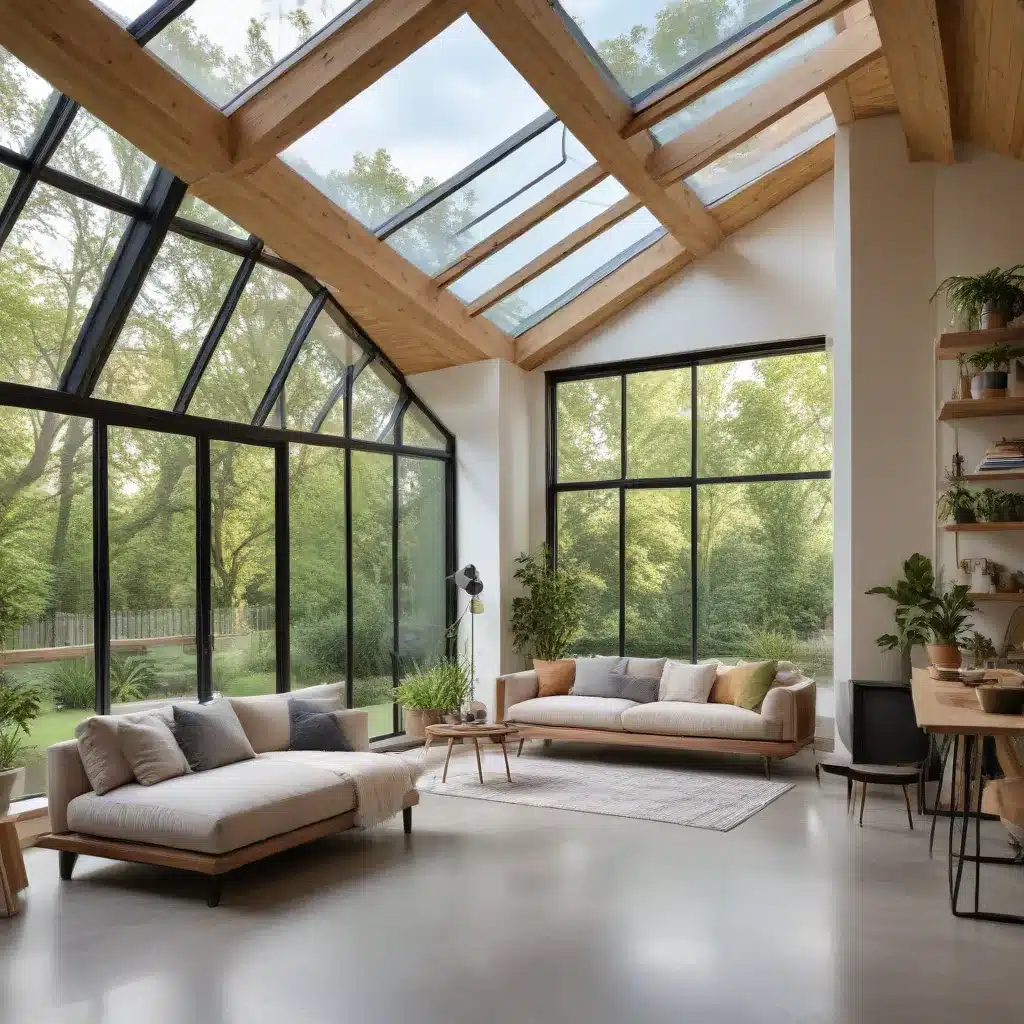
Indoor Air Quality Considerations
As an experienced home extension consultant, I’ve seen firsthand how the quality of indoor air can have a profound impact on the health, comfort, and productivity of a home’s occupants. In this comprehensive guide, we’ll delve into the key aspects of sustainable home extensions that can help enhance indoor air quality (IAQ) and create a healthier living environment.
Ventilation Systems
Proper ventilation is the cornerstone of maintaining good indoor air quality. Modern ventilation systems can bring the same effect as an open window, allowing for the necessary air circulation to improve oxygen levels and control humidity. The White House’s Toolkit for Sustainable and Healthy Schools emphasizes the importance of well-ventilated classrooms, a principle that can be equally applied to home extensions.
When planning your home extension, consider incorporating energy-efficient mechanical ventilation systems that can introduce fresh outdoor air while expelling stale indoor air. These systems, such as heat recovery ventilators (HRVs) or energy recovery ventilators (ERVs), not only improve air quality but also help maintain thermal comfort by transferring heat or coolness between the incoming and outgoing airstreams.
Humidity Control
Maintaining appropriate humidity levels is another crucial aspect of indoor air quality. The Guiding Principles for Sustainable Federal Buildings recommends keeping humidity levels between 30% and 60% as the acceptable norm. Excess moisture can lead to the growth of mold and mildew, while dry air can exacerbate respiratory issues and static electricity.
In your home extension, consider incorporating dehumidifiers or humidity-controlled HVAC systems to actively manage the indoor humidity levels. Proper insulation and air sealing can also help regulate humidity by preventing the infiltration of outdoor moisture. Additionally, ensuring adequate ventilation can aid in maintaining the right balance of humidity, as it allows for the removal of excess moisture.
Pollutant Removal
Beyond ventilation and humidity control, it’s essential to address the sources of indoor air pollutants in your home extension. According to the World Green Building Council’s Health and Wellbeing Framework, factors such as interior finishing materials, cleaning products, and even occupant activities can contribute to poor indoor air quality.
When selecting building materials and finishes for your home extension, opt for low-emitting, eco-friendly options that minimize the release of volatile organic compounds (VOCs) and other harmful chemicals. This can include choosing low-VOC paints, formaldehyde-free insulation, and sustainable flooring solutions like resilient flooring with waterborne finishes.
Additionally, implement effective cleaning and maintenance protocols to prevent the buildup of dust, allergens, and microbial contaminants. Encourage the use of natural, biodegradable cleaning products that don’t contribute to indoor air pollution.
Sustainable Building Materials
The choice of building materials for your home extension can significantly impact indoor air quality and the overall sustainability of the project. By selecting eco-friendly and low-emitting materials, you can create a healthier living environment while reducing your environmental footprint.
Eco-Friendly Insulation
Insulation is a crucial component of any home extension, as it helps regulate the indoor temperature and improve energy efficiency. Look for insulation materials that are made from renewable, natural resources, such as cellulose, wool, or plant-based fibers. These options not only provide effective thermal and acoustic insulation but also have low embodied carbon and emit fewer VOCs compared to traditional synthetic insulation.
Low-VOC Paints and Finishes
Paints, sealants, and other interior finishes can be significant sources of VOCs, which can negatively impact indoor air quality. When selecting these products for your home extension, prioritize low-VOC or zero-VOC options that meet stringent environmental standards. These paints and finishes not only reduce the release of harmful chemicals but also contribute to a cleaner, healthier indoor environment.
Renewable Resource Materials
Consider incorporating materials derived from renewable resources, such as bamboo, cork, or reclaimed wood, into your home extension. These materials often have a lower environmental impact compared to traditional building products, and they can also contribute to improved indoor air quality by avoiding the use of synthetic chemicals or materials that may off-gas over time.
Energy-Efficient Design
Sustainable home extensions should prioritize energy-efficient design strategies to minimize the environmental impact and promote healthier indoor conditions.
Passive Solar Strategies
Passive solar design principles, such as optimizing window placement, incorporating thermal mass, and utilizing shading devices, can help regulate the indoor temperature and reduce the need for energy-intensive heating and cooling systems. By harnessing the power of the sun, you can create a more comfortable and energy-efficient living space within your home extension.
Thermal Regulation
Ensuring proper insulation, air sealing, and thermal mass in your home extension can help maintain a consistent and comfortable indoor temperature. This not only enhances energy efficiency but also contributes to better indoor air quality by preventing the infiltration of outdoor pollutants and regulating humidity levels.
Renewable Energy Integration
Integrating renewable energy sources, such as solar photovoltaic panels or a heat pump system, into your home extension can further reduce its environmental impact and improve indoor air quality. By generating clean, on-site energy, you can minimize the reliance on fossil fuel-powered utilities, which can contribute to indoor air pollution through combustion byproducts.
Occupant Well-Being
Sustainable home extensions should not only focus on the physical aspects of indoor air quality but also consider the overall well-being and comfort of the occupants.
Daylighting and Circadian Rhythms
Incorporating ample natural daylighting into your home extension can have a positive impact on indoor air quality and occupant well-being. Exposure to natural light helps regulate the body’s circadian rhythms, which can improve sleep quality, cognitive function, and overall health. Additionally, natural light can reduce the need for artificial lighting, which can contribute to better air quality by minimizing the heat and energy demands on the building.
Biophilic Design Elements
Integrating biophilic design elements, such as living plants, natural materials, and views of nature, can also enhance indoor air quality and promote occupant well-being. Plants can help filter and purify the air, while the presence of natural elements can have a calming and restorative effect on the occupants.
Acoustic Comfort
Noise control and acoustic comfort are essential aspects of indoor air quality and overall occupant well-being. In your home extension, consider incorporating sound-absorbing materials, strategic placement of windows and doors, and other acoustic design strategies to create a peaceful and distraction-free living environment.
By considering these multifaceted aspects of sustainable home extensions, you can create a living space that not only enhances indoor air quality but also promotes the overall health, comfort, and well-being of the occupants. Remember, a well-designed and constructed home extension can be a transformative investment in both the environment and the quality of life for its residents.
If you’re interested in exploring sustainable home extension options, I’d be happy to discuss our services at ABC Home. Our team of experienced professionals can guide you through the process, ensuring your home extension aligns with the principles of sustainable indoor air quality and occupant well-being.


