
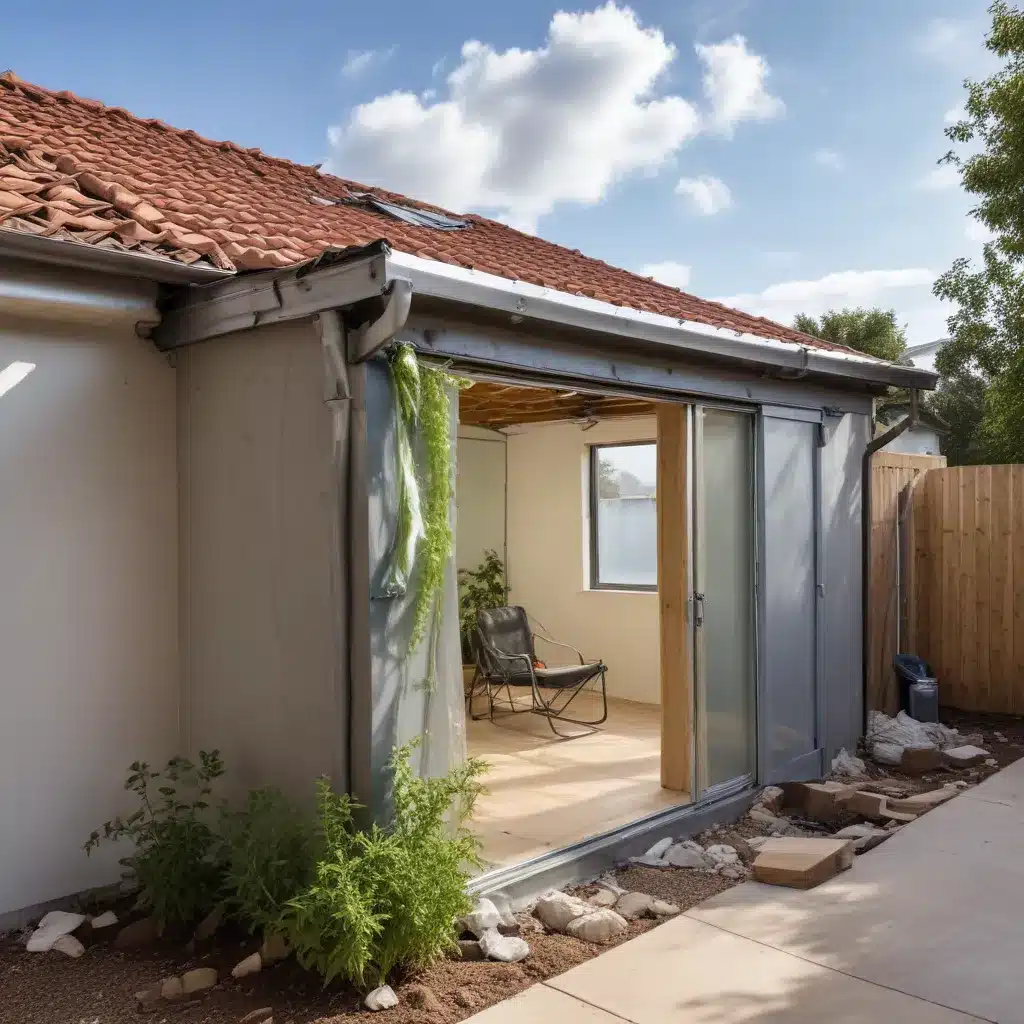
Sustainable Home Extensions: Enhancing Sustainable Waste Management
As an experienced home extension consultant, I’m thrilled to share insights on a crucial aspect of sustainable home design – waste management. In today’s environmentally-conscious world, homeowners are increasingly seeking ways to reduce their carbon footprint and create more eco-friendly living spaces. One of the key areas to address is sustainable waste handling during home extension projects.
Principles of Sustainable Home Design
Before delving into waste management strategies, let’s first establish the core principles of sustainable home design. These guiding principles form the foundation for creating energy-efficient, resource-conscious, and environmentally-friendly living spaces.
Energy-Efficient Strategies
Optimizing energy efficiency is a cornerstone of sustainable home design. This can be achieved through strategies such as improved insulation, strategic window placement, and the use of energy-efficient appliances and lighting. By minimizing energy consumption, homeowners can significantly reduce their environmental impact and lower their long-term operating costs.
Renewable Energy Integration
Integrating renewable energy sources, such as solar panels or geothermal systems, is another key aspect of sustainable home design. These renewable energy solutions not only reduce reliance on fossil fuels but also provide homeowners with a reliable and clean source of power, contributing to the overall sustainability of the property.
Water Conservation Techniques
Water conservation is another crucial element of sustainable home design. Implementing water-efficient fixtures, greywater recycling systems, and rainwater harvesting can significantly reduce a home’s water consumption and alleviate the strain on local water resources.
Sustainable Waste Management Systems
Now, let’s delve into the heart of this article – sustainable waste management systems for home extensions.
Waste Reduction Approaches
The first step in sustainable waste management is to focus on reducing waste at the source. This can be achieved through meticulous planning, efficient material ordering, and adopting construction techniques that minimize waste generation. By carefully managing the procurement and use of building materials, homeowners and contractors can significantly reduce the amount of waste produced during the extension project.
Recycling and Composting Practices
Recycling and composting are essential components of sustainable waste management. Homeowners should work closely with their contractors to ensure that a comprehensive recycling program is in place, covering a wide range of materials such as metals, plastics, wood, and even drywall. Additionally, implementing on-site composting for organic waste can divert a significant portion of the waste stream from landfills, contributing to a more circular economy.
Innovative Waste Disposal Solutions
As the home extension project progresses, homeowners and contractors may encounter waste streams that are more challenging to handle. In such cases, innovative waste disposal solutions can be explored. This may include the use of advanced recycling technologies, such as those mentioned in the Montgomery County example, which can help process and recover materials that would otherwise end up in landfills.
Sustainable Materials and Construction
Selecting eco-friendly building materials and employing sustainable construction methods are also crucial for creating a truly sustainable home extension.
Eco-Friendly Building Materials
When it comes to building materials, homeowners should prioritize options that are renewable, recyclable, and have a low carbon footprint. This may include materials like sustainably harvested wood, recycled steel, and natural insulation products. These materials not only reduce the environmental impact of the construction process but also contribute to the long-term sustainability of the home.
Sustainable Construction Methods
Adopting sustainable construction methods, such as modular or prefabricated building techniques, can also enhance the overall sustainability of a home extension project. These methods often result in less waste, improved energy efficiency, and a reduced carbon footprint compared to traditional construction approaches.
Life-Cycle Assessment Considerations
Homeowners should also consider the life-cycle assessment of the materials and construction methods used in their home extension project. This involves evaluating the environmental impact of a product or system from its extraction, manufacturing, and transportation to its eventual disposal or recycling. By taking a holistic view of the life cycle, homeowners can make informed decisions that prioritize long-term sustainability.
Enhancing Biodiversity and Ecosystem Services
Sustainable home design extends beyond the built environment, encompassing the integration of the property with the surrounding natural ecosystem.
Native Landscaping Techniques
Incorporating native landscaping techniques into the home extension design can help enhance biodiversity and support local ecosystems. By selecting indigenous plant species, homeowners can create habitats that attract and support a variety of wildlife, such as pollinators and other beneficial organisms.
Habitat Creation and Preservation
Alongside native landscaping, homeowners can also explore ways to create or preserve natural habitats within their property. This may involve setting aside dedicated green spaces, incorporating wildlife-friendly features, or even restoring degraded ecosystems.
Stormwater Management Strategies
Effective stormwater management is another important aspect of sustainable home design. By implementing strategies like permeable surfaces, rain gardens, and bioswales, homeowners can help reduce the impact of runoff on local waterways and promote groundwater recharge.
Remember, sustainable home extensions are not just about reducing waste and energy consumption – they’re about creating living spaces that exist in harmony with the natural environment. By embracing these principles, homeowners can not only enhance the long-term sustainability of their homes but also contribute to the overall well-being of their local ecosystems.
For homeowners seeking to embark on a sustainable home extension project, I encourage you to explore the comprehensive services offered by ABC Home. Our team of experts can guide you through every step of the process, ensuring that your extension is designed and constructed with the highest standards of sustainability in mind.


