
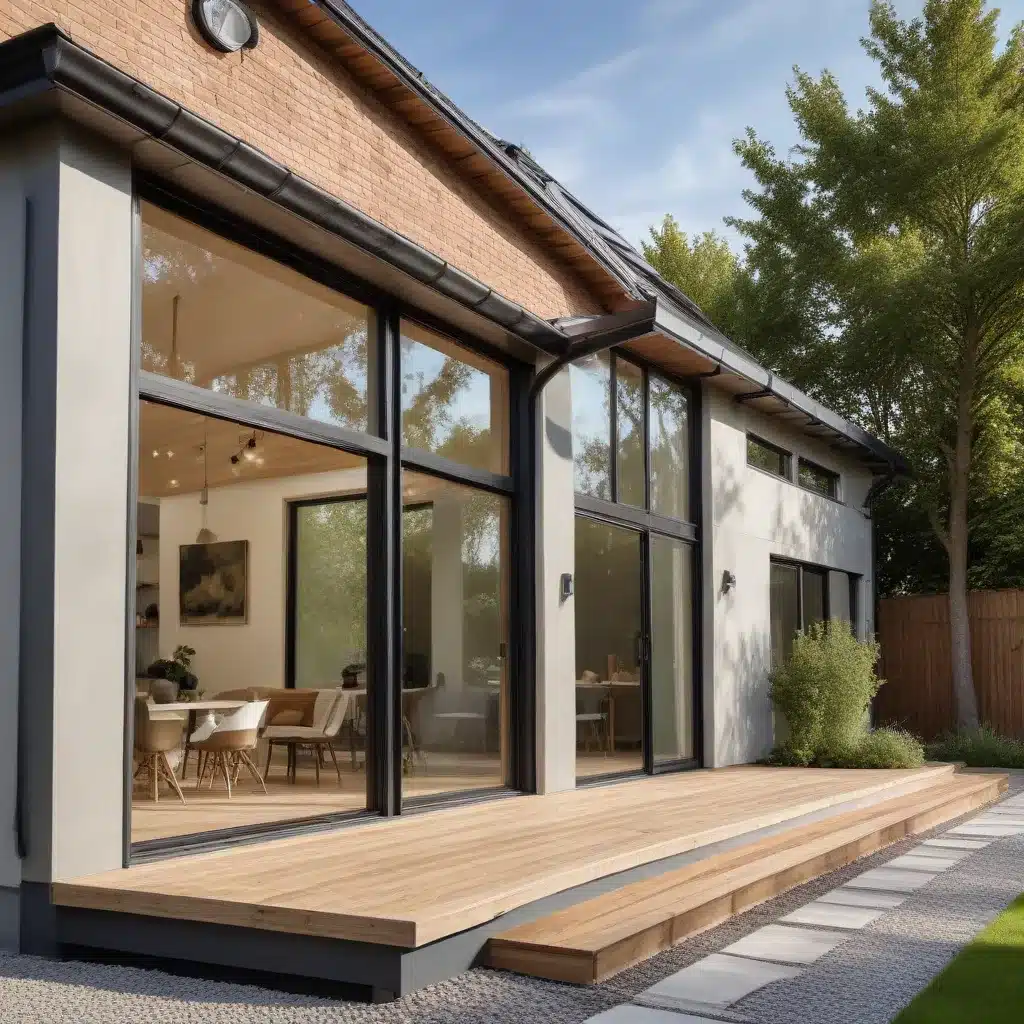
Sustainable Home Extensions: Exploring Sustainable Heating and Cooling
Home extensions can be a fantastic way to expand your living space and increase the value of your property. However, as you plan your home extension, it’s crucial to consider sustainable heating and cooling solutions that not only reduce your environmental impact but also provide long-term cost savings. In this comprehensive guide, we’ll explore a range of sustainable heating and cooling options to help you create a comfortable, energy-efficient home extension.
Passive Design Principles
One of the most effective ways to approach sustainable home extensions is to incorporate passive design principles. These strategies focus on harnessing natural resources, such as sunlight and air flow, to regulate the temperature of your home without relying heavily on mechanical systems.
Start by ensuring your home extension is properly insulated. High-performance insulation, such as rigid foam or blown-in cellulose, can significantly reduce heat transfer, keeping your home warm in the winter and cool in the summer. Additionally, consider installing energy-efficient windows that provide excellent thermal performance, further enhancing your passive heating and cooling capabilities.
Orientation and building placement are also crucial factors in passive design. Position your home extension to maximize natural sunlight during the colder months, while incorporating shading elements, such as overhangs or deciduous trees, to block the sun’s rays in the summer. This passive solar approach can dramatically reduce your reliance on artificial heating and cooling.
Active Heating and Cooling Systems
While passive design is a fantastic foundation, you may still require active heating and cooling systems to maintain a comfortable indoor environment. Geothermal heat pumps are a highly efficient and sustainable option, leveraging the stable temperatures found underground to provide both heating and cooling.
Geothermal systems work by circulating a fluid (either water or a water-antifreeze mixture) through a series of underground pipes, known as a “ground loop.” In the winter, the fluid absorbs heat from the ground and transfers it to the home, while in the summer, the process is reversed, and the system extracts heat from the home and dissipates it into the cooler ground.
These systems are incredibly efficient, often achieving a coefficient of performance (COP) of 3 to 6, meaning they can produce 3 to 6 units of energy for every 1 unit of electricity consumed. This is a significant improvement over traditional heating and cooling technologies, such as furnaces and air conditioners, which typically have efficiencies in the range of 75% to 90%.
Another sustainable active cooling option is evaporative cooling, which uses the natural process of evaporation to lower the temperature of the air. This technology is particularly well-suited for dry climates, where the relative humidity is low. By passing hot, dry air over a water-saturated pad, the air is cooled through the evaporation of the water, providing a refreshing and energy-efficient alternative to conventional air conditioning.
Renewable Energy Integration
To further enhance the sustainability of your home extension, consider integrating renewable energy sources, such as solar photovoltaic (PV) panels or solar thermal collectors. Solar PV panels can generate clean, renewable electricity to power your home’s heating, cooling, and other electrical needs, reducing your reliance on grid-supplied electricity.
Solar thermal collectors, on the other hand, can be used to heat water or provide space heating. These systems work by using the sun’s energy to heat a fluid, which is then circulated through a heat exchanger to warm the air or water in your home. This approach can significantly reduce your reliance on fossil fuels for heating, making your home extension more eco-friendly.
Building Materials and Construction
The choice of building materials and construction methods can also play a significant role in the sustainability of your home extension. Look for materials with high insulation values, such as structural insulated panels (SIPs) or cross-laminated timber (CLT), which can provide excellent thermal performance while minimizing the carbon footprint of your construction process.
Additionally, consider the use of recycled or reclaimed materials, which can reduce waste and lower the embodied energy of your home extension. For example, you could incorporate reclaimed wood, recycled steel, or even upcycled shipping containers into your design.
Regulations and Certifications
As you plan your sustainable home extension, it’s essential to be aware of the relevant building codes, regulations, and green building certification programs that may apply to your project. These guidelines can help ensure your home extension meets energy efficiency standards and may even qualify you for various incentives or rebates.
In the UK, the Building Regulations set out minimum energy efficiency requirements for new construction and home extensions. Additionally, voluntary certification programs, such as the BREEAM (Building Research Establishment Environmental Assessment Method) and the Passivhaus Standard, can provide a framework for designing and constructing highly energy-efficient and sustainable buildings.
Home Automation and Smart Technologies
To further optimize the performance and efficiency of your sustainable home extension, consider integrating smart home technologies. Climate control systems, energy monitoring tools, and intelligent appliances can all work together to create a more responsive and efficient home environment.
For example, a smart thermostat can automatically adjust the heating or cooling based on occupancy and weather patterns, ensuring your home maintains a comfortable temperature while minimizing energy consumption. Similarly, energy monitoring systems can provide detailed insights into your home’s energy use, allowing you to identify and address areas for improvement.
By embracing a holistic approach to sustainable home extensions, incorporating passive design principles, active heating and cooling systems, renewable energy integration, and smart home technologies, you can create a comfortable, energy-efficient, and environmentally responsible living space. Remember, every small step towards sustainability can have a significant impact on your carbon footprint and long-term energy costs.
If you’re considering a home extension and want to explore sustainable heating and cooling solutions, don’t hesitate to contact our team at ABC Home. Our experienced consultants can provide personalized guidance and help you navigate the various options available, ensuring your home extension is a shining example of eco-friendly design.


