
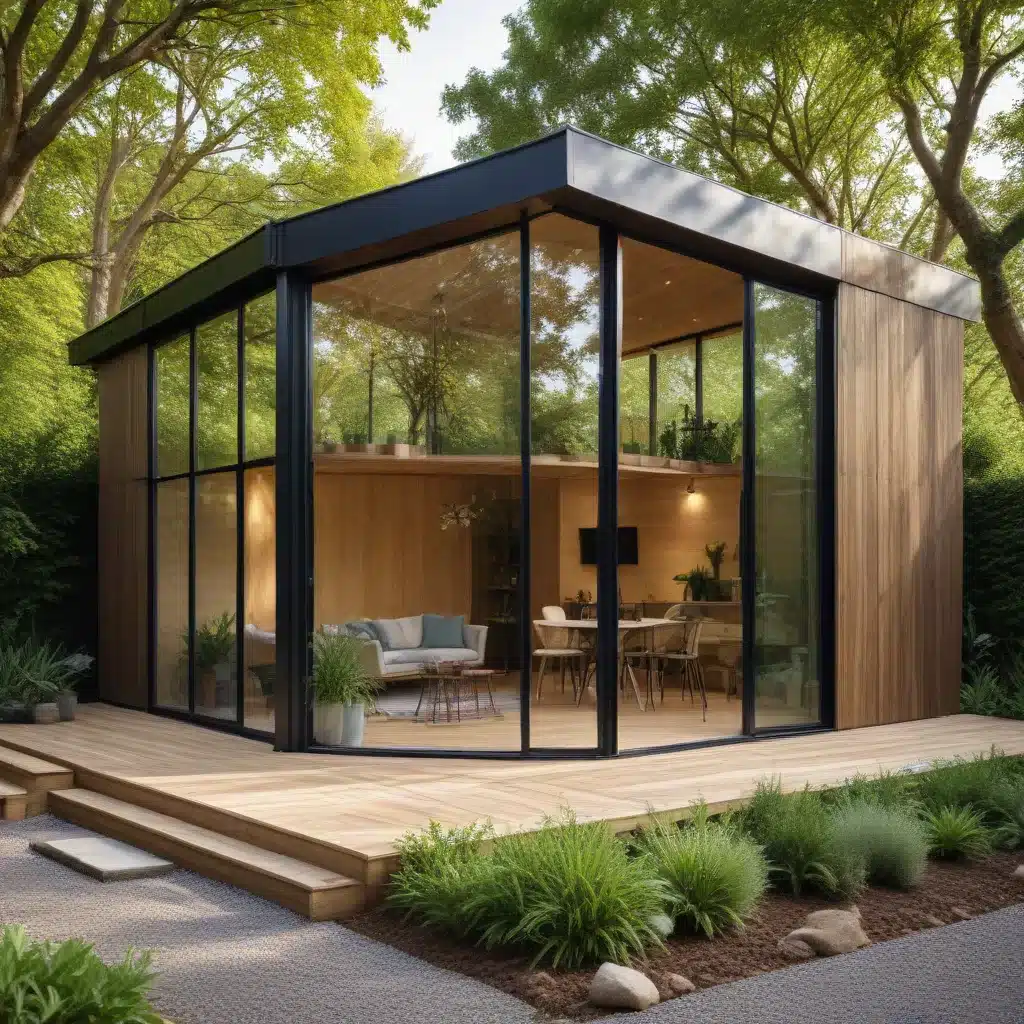
Sustainable Home Extensions: Harnessing the Power of Biophilic Design
Ah, the humble home extension – a common pursuit among us Scots as we seek to expand our living spaces and create more functional, comfortable abodes. But, did ye ken that the secret to a truly sustainable and soul-nourishing extension lies not just in bricks and mortar, but in embracing the very elements of nature itself?
Aye, it’s true! Through the principles of biophilic design, we can harness the restorative power of the natural world to craft home extensions that are not only aesthetically pleasing, but actively improve the health and well-being of their occupants. So, let’s delve into the wonders of biophilic design and explore how you can weave this enchanting approach into your next home extension project.
Biophilic Design Principles
At the heart of biophilic design lies a simple, yet profound truth: we, as humans, have an innate affinity for the natural world. This concept, known as the biophilia hypothesis, suggests that our evolutionary roots have hardwired us to seek connections with nature – a connection that’s crucial for our physical, mental, and emotional well-being.
Integrating Nature
When it comes to home extensions, this means thoughtfully incorporating natural elements into the very fabric of the design. Think lush, verdant walls, soothing water features, and an abundance of natural light – all working in harmony to create a seamless integration of the indoors and outdoors. As Allie Blackwell, a renowned biophilic design expert, so eloquently puts it:
“Biophilic design isn’t just a luxury, it’s a necessity for our health and well-being. By bringing nature into our homes, we can create sanctuaries that nourish the mind, body, and soul.”
Enhancing Natural Elements
But it’s not enough to simply include a few potted plants and call it a day. True biophilic design involves enhancing the natural elements within your home extension, elevating them to become integral parts of the overall experience. This could involve strategically placed skylights that bathe a cozy reading nook in natural light, or an indoor water feature that not only soothes the senses but also helps regulate the indoor climate.
Biomimicry and Naturalistic Aesthetics
And let’s not forget the power of biomimicry and naturalistic aesthetics. By drawing inspiration from the patterns, textures, and forms found in nature, you can create a home extension that feels both visually captivating and deeply connected to the natural world. From the sinuous curves of a biomorphic staircase to the intricate fractal patterns of a custom-designed light fixture, the opportunities to infuse your extension with nature-inspired beauty are truly endless.
Sustainable Materials and Construction
Of course, a truly sustainable home extension must go beyond just aesthetic considerations. It’s also essential to consider the environmental impact of the materials and construction methods used.
Renewable and Recycled Resources
Look for materials that are renewable, recycled, or upcycled, such as sustainably harvested wood, reclaimed stone, or even repurposed glass bottles. Not only do these choices reduce your carbon footprint, but they also add a unique and charming character to your home extension.
Energy-Efficient Systems
Pair your nature-inspired design with cutting-edge energy-efficient systems, such as geothermal heating and cooling, solar panels, or high-performance insulation. By minimizing your extension’s energy demands, you can further reduce its environmental impact and ensure a more sustainable future for your home.
Minimizing Environmental Impact
And don’t forget to consider the overall site impact of your home extension. Seek out construction methods that preserve existing natural features, such as mature trees or wildlife habitats, and explore ways to integrate your extension seamlessly into the surrounding landscape.
Optimizing Indoor-Outdoor Connectivity
One of the hallmarks of a truly biophilic home extension is the seamless integration of indoor and outdoor spaces. By blurring the boundaries between the two, you can create a sense of fluidity and connection that enhances the overall experience.
Expansive Fenestration
Start by maximizing the use of expansive fenestration, such as large windows, sliding doors, or even entire glass walls. This allows natural light to flood the interior, while also providing unobstructed views of the great outdoors. As The Design Sheppard notes, “Flooding the space with natural light allows our bodies to work according to the natural rhythms of the day and night cycle.”
Seamless Transitions
But it’s not just about letting the light in – it’s also about creating a smooth, uninterrupted transition between your home’s interior and the external environment. Consider incorporating features like sliding or folding doors that can disappear entirely, allowing the boundaries to melt away and creating a truly harmonious living experience.
Blending Boundaries
Take it one step further by exploring ways to blur the physical boundaries between your home extension and the surrounding landscape. This could involve using the same or complementary materials on both the interior and exterior, or strategically placing windows and doors to create a sense of visual continuity.
Addressing Climate and Site Considerations
Of course, no two home extension projects are alike, and it’s essential to consider the unique climate and site conditions of your property when designing a biophilic extension.
Passive Heating and Cooling
In colder climates, for example, you might focus on maximizing passive solar heating through strategic window placement and high-performance insulation. Conversely, in warmer regions, you may want to prioritize natural ventilation and shading strategies to keep your extension cool and comfortable.
Microclimate Adaptations
Don’t forget to consider the microclimate of your site as well. By understanding the nuances of your local environment, such as prevailing wind patterns or sun exposure, you can tailor your biophilic design to take full advantage of these natural assets.
Site-Specific Strategies
Perhaps you have a stunning view of a nearby forest or a babbling brook that runs along the edge of your property. Incorporate these natural features into your home extension design, allowing them to become an integral part of the overall biophilic experience.
By embracing the principles of biophilic design and tailoring your home extension to the unique characteristics of your site and climate, you can create a truly sustainable, nature-inspired living space that nourishes both the body and the soul. So, what are you waiting for? Start planning your biophilic home extension today and let the power of nature transform your living experience.
If you’re ready to take the next step in your home extension journey, be sure to check out our home extensions service page for more information on how we can help bring your biophilic vision to life.


