
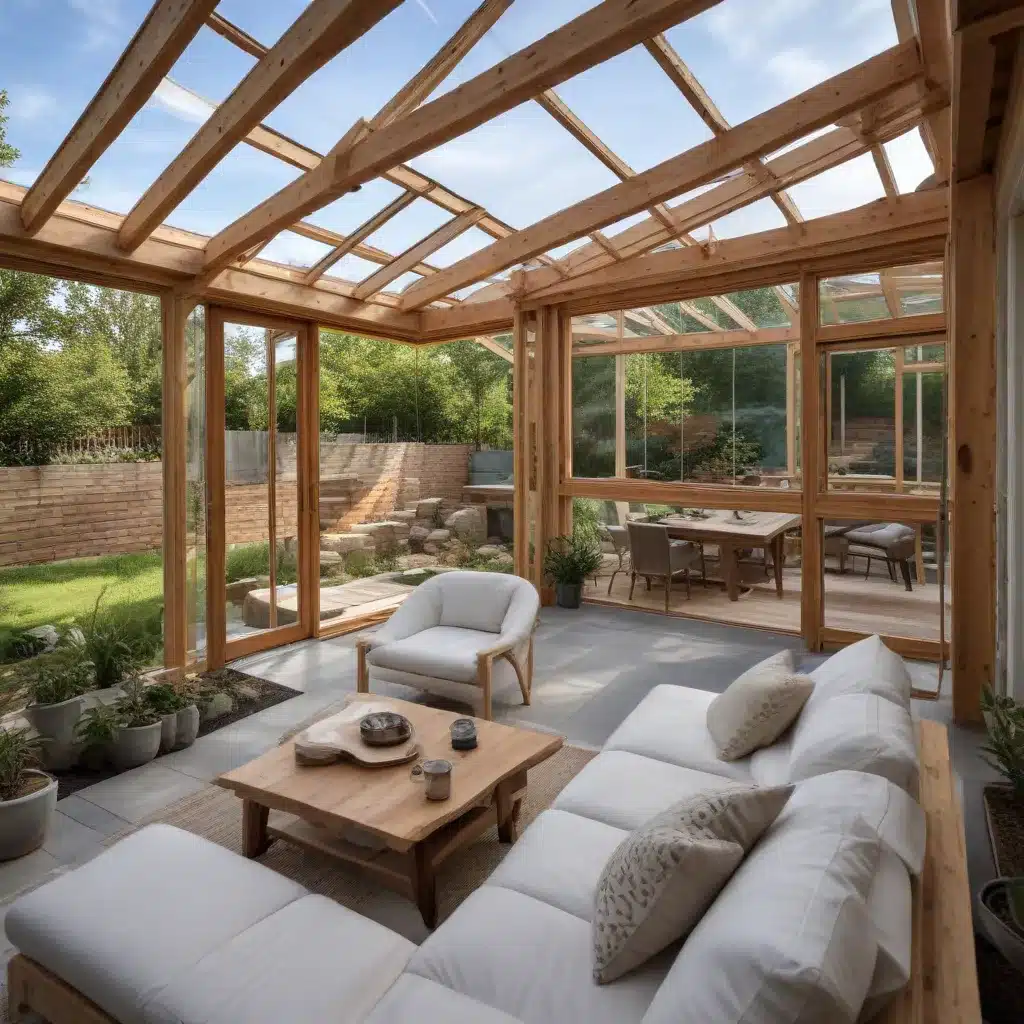
As an experienced home extension consultant, I’m excited to share insights on how you can achieve truly sustainable home extensions by leveraging the power of Building Information Modeling (BIM). In today’s climate-conscious world, homeowners are increasingly seeking ways to reduce their environmental impact while enhancing the comfort and functionality of their living spaces.
Sustainable Building Design
When it comes to home extensions, the foundation of sustainability lies in the design process. Incorporating passive design strategies and energy-efficient technologies can dramatically improve the environmental performance of your project.
Some key passive design considerations include optimizing window placement and orientation to harness natural light and ventilation, incorporating thermal mass materials to regulate indoor temperatures, and strategically positioning shading elements to manage solar gain. These low-tech solutions can have a significant impact on your home’s energy demands, reducing the need for resource-intensive mechanical systems.
Pairing passive design with cutting-edge energy-efficient technologies, such as high-performance insulation, heat pumps, and smart home automation, can further enhance the sustainability of your home extension. By taking a holistic approach to design, you can create a living space that not only looks beautiful, but also operates efficiently and minimizes its carbon footprint.
Sustainable Materials
The materials you choose for your home extension play a crucial role in its environmental impact. Opting for renewable, recycled, or recyclable materials can dramatically reduce your project’s embodied carbon and resource depletion.
Renewable materials like timber, bamboo, and cork offer a natural, low-impact alternative to traditional construction materials. These materials often have a lower carbon footprint, as they can be harvested and replenished in a sustainable manner. Timber, in particular, has gained popularity in recent years due to its versatility, strength, and ability to store carbon throughout its lifecycle.
Recycled and recyclable materials, such as steel, aluminum, and certain plastics, can also contribute to the sustainability of your home extension. These materials often require less energy and resources to produce compared to virgin materials, reducing the overall environmental impact of your project.
Building Information Modeling (BIM)
Building Information Modeling (BIM) is a powerful digital tool that can significantly enhance the sustainability of home extension projects. BIM is a collaborative process that involves creating a 3D model of a building, which can then be used to analyze its performance, optimize its design, and streamline the construction process.
BIM Principles
At the core of BIM are the principles of 3D modeling and parametric design. By creating a 3D model of your home extension, you can visualize the project in a more intuitive and comprehensive way, identifying potential issues and optimizing the design before any physical construction takes place.
Parametric design, on the other hand, allows you to create dynamic, rule-based models that can be easily modified and updated as the project evolves. This flexibility is particularly valuable in the context of sustainable design, as it enables you to explore different material and system options, analyze their performance, and make informed decisions.
BIM Applications
BIM offers a range of applications that can enhance the sustainability of your home extension project. One of the key benefits is collaborative design, which allows multiple stakeholders, such as architects, engineers, and construction professionals, to work together in a shared digital environment. This collaborative approach can lead to more informed and coordinated decision-making, ultimately resulting in a more sustainable final product.
BIM can also be used to perform detailed building performance analyses, such as energy simulations, daylight studies, and life-cycle assessments. These analyses can help you identify the most energy-efficient and environmentally-friendly design strategies, ensuring that your home extension meets or exceeds sustainability targets.
Integrating BIM and Sustainability
To fully harness the power of BIM for sustainable home extensions, it’s crucial to integrate these two processes seamlessly throughout the project lifecycle.
Sustainable BIM Workflows
One of the key ways to achieve this integration is by incorporating sustainability analysis and life-cycle assessment (LCA) into the early stages of the BIM workflow. By assessing the environmental impact of your design decisions from the outset, you can make more informed choices about materials, systems, and strategies that will optimize the sustainability of your home extension.
This integrated approach allows you to evaluate the trade-offs between different design scenarios, such as the use of conventional steel versus recycled steel or timber, and make data-driven decisions that align with your sustainability goals. By leveraging BIM and LCA together, you can create a more robust and informed design process, leading to a truly sustainable home extension.
Sustainable BIM Tools
The integration of BIM and sustainability is further enabled by the development of specialized software tools and plugins. These tools can seamlessly integrate with your BIM workflow, providing real-time feedback on the environmental performance of your design decisions.
For example, BIM-based energy simulation tools can analyze the energy consumption and carbon footprint of your home extension, helping you identify opportunities for improvement. Material optimization plugins, on the other hand, can assist you in selecting the most sustainable materials based on factors such as embodied carbon, recycled content, and end-of-life recyclability.
By leveraging these sustainable BIM tools, you can make more informed and data-driven decisions, ultimately creating a home extension that not only looks beautiful, but also operates efficiently and minimizes its environmental impact.
Challenges and Considerations
While the integration of BIM and sustainability offers immense potential for home extension projects, there are also some challenges and considerations to keep in mind.
Technological Barriers
One of the main challenges is the limitations of current BIM software and the ongoing need for improved data integration. As technology continues to evolve, there may be gaps or incompatibilities between different software platforms, making it difficult to seamlessly transfer data and analyses across the entire project workflow.
Additionally, the availability and quality of data related to building materials, their environmental impact, and lifecycle performance can be a limiting factor in the sustainability assessment process. Overcoming these technological barriers requires ongoing collaboration between software developers, material manufacturers, and the construction industry to ensure that BIM tools and data sources are continuously improving.
Adoption and Implementation
Another key consideration is the level of stakeholder engagement and the industry’s readiness to adopt sustainable BIM practices. Homeowners, architects, builders, and other professionals involved in home extension projects may have varying levels of knowledge and experience with BIM and sustainability.
Effective adoption and implementation of sustainable BIM workflows requires a concerted effort to educate and train all stakeholders, as well as the establishment of industry standards and regulations that support the integration of these practices. Addressing these adoption and implementation challenges will be crucial in ensuring that sustainable home extensions become the norm, rather than the exception.
Conclusion
By integrating sustainable building design principles with the power of Building Information Modeling, homeowners and home extension professionals can create truly transformative projects that not only enhance the living experience but also minimize the environmental impact. From passive design strategies and sustainable material selection to collaborative BIM workflows and specialized software tools, there are numerous opportunities to elevate the sustainability of your home extension.
As an experienced home extension consultant, I encourage you to explore these sustainable BIM approaches and to contact our team to learn more about how we can help you achieve your vision for a sustainable and functional home extension. Together, we can push the boundaries of what’s possible and create a more sustainable future, one home extension at a time.


