
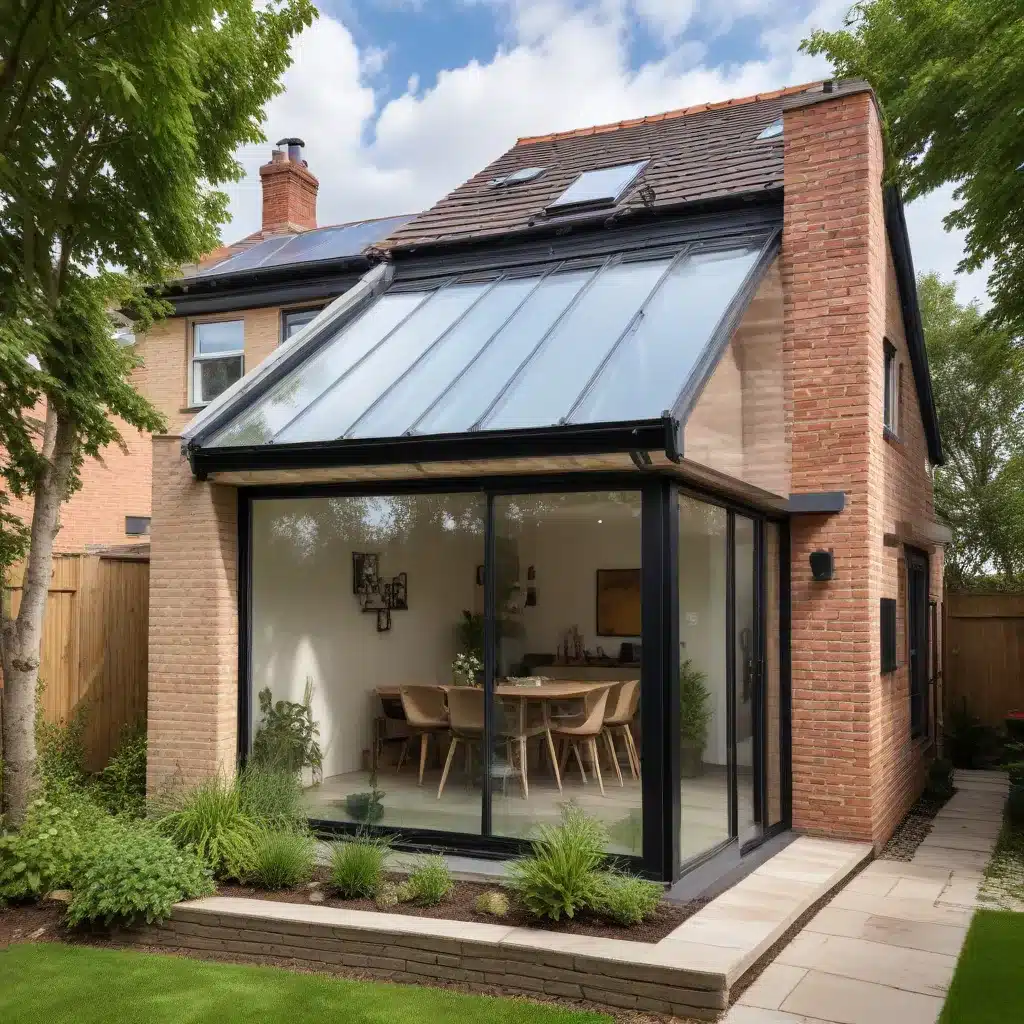
Sustainable Home Extensions: Optimizing Natural Ventilation Strategies
As an experienced home extension consultant, I’m excited to share insights on how you can leverage natural ventilation strategies to create sustainable and energy-efficient home additions. In today’s world, where energy efficiency and occupant well-being are paramount, understanding the principles of passive design and optimizing airflow can make all the difference in your home extension project.
Passive Design Principles
At the heart of sustainable home extensions lies the concept of passive design. By harnessing the power of natural elements, you can minimize the need for mechanical cooling and heating, ultimately reducing your energy consumption and carbon footprint. The key is to carefully consider the orientation, layout, and fenestration of your home extension to maximize the potential for natural ventilation.
One of the foundational principles of passive design is to optimize the building’s orientation. By aligning the primary facades with the prevailing wind direction, you can capture cooling breezes and enhance natural airflow throughout the space. This simple yet effective strategy can significantly improve the overall comfort and energy performance of your home extension.
Additionally, the strategic placement of windows, doors, and other openings can dramatically influence the airflow patterns within the space. By creating a well-designed network of inlet and outlet vents, you can harness the stack effect, where warm air rises and exits through high-level openings, drawing in cooler air from lower-level inlets. This natural air circulation can provide a refreshing and energy-efficient cooling solution.
Airflow Optimization
Maximizing the potential for natural ventilation requires a deep understanding of airflow dynamics. Factors such as wind speed, direction, and turbulence can significantly impact the effectiveness of your natural ventilation strategy.
One effective approach is to incorporate computational fluid dynamics (CFD) analysis into your design process. This powerful tool can simulate the airflow patterns within your home extension, allowing you to optimize the placement and design of openings for maximum efficiency. By identifying and addressing potential airflow obstructions or stagnation zones, you can create a seamless and effective natural ventilation system.
Additionally, the integration of strategically placed vents, louvres, and other airflow-enhancing elements can further improve the performance of your natural ventilation system. These features can be designed to respond to changing environmental conditions, automatically adjusting to maintain optimal airflow and thermal comfort.
Thermal Comfort Considerations
While natural ventilation is a highly effective passive cooling strategy, it’s crucial to consider the impact on thermal comfort. The delicate balance between airflow, temperature, and humidity must be carefully managed to ensure a comfortable and healthy indoor environment.
One key factor to consider is the relationship between thermal mass and insulation. By strategically incorporating materials with high thermal mass, such as stone or concrete, you can create a thermal buffer that helps regulate indoor temperatures. Coupling this with effective insulation can further enhance the thermal performance of your home extension, ensuring that the occupants experience a comfortable and consistent indoor climate.
Moreover, the integration of operable windows, adjustable shading devices, and other environmental control systems can empower occupants to fine-tune the indoor conditions to their preferences. This level of personal control not only improves comfort but also fosters a sense of connection between the occupants and their living environment.
Building Materials and Design
Sustainable home extensions require a thoughtful approach to material selection and design. By prioritizing eco-friendly and energy-efficient building materials, you can reduce the environmental impact of your project while enhancing the overall performance of your home extension.
Sustainable Material Selection
When it comes to sustainable material selection, look for options that are renewable, recycled, or locally sourced. Materials such as bamboo, recycled steel, or natural insulation products like sheep’s wool or cellulose can offer a low-carbon footprint while providing excellent thermal and acoustic performance.
Additionally, consider the embodied energy and lifecycle analysis of the materials you choose. By selecting materials with a lower environmental impact, you can further enhance the sustainability of your home extension.
Thermal Mass and Insulation
The interplay between thermal mass and insulation is crucial in creating a well-balanced and energy-efficient home extension. Thermal mass, such as masonry or concrete, can help regulate indoor temperatures by absorbing and slowly releasing heat, while effective insulation prevents unwanted heat transfer, minimizing the need for mechanical cooling and heating.
By carefully considering the placement and integration of these elements, you can create a thermal envelope that responds to the changing environmental conditions, maintaining a comfortable indoor climate with minimal energy consumption.
Glazing and Fenestration
The strategic placement and design of windows, doors, and other glazed elements can have a significant impact on the natural ventilation and thermal performance of your home extension. High-performance glazing, such as double-or triple-glazed units with low-emissivity coatings, can help reduce heat gain and improve energy efficiency.
Additionally, the incorporation of shading devices, such as overhangs, louvers, or automated blinds, can further enhance the thermal and visual comfort of the occupants by controlling the amount of sunlight and heat entering the space.
Energy-Efficient Cooling Techniques
While natural ventilation is a powerful passive cooling strategy, there may be times when additional cooling techniques are required to maintain optimal comfort levels. Exploring energy-efficient cooling alternatives can help you strike a balance between occupant well-being and environmental sustainability.
Passive Cooling Methods
Beyond natural ventilation, consider incorporating other passive cooling methods into your home extension design. Strategies such as evaporative cooling, where water evaporation provides a natural cooling effect, or the use of thermal mass to absorb and release heat can be highly effective in reducing the reliance on mechanical cooling systems.
Hybrid Ventilation Systems
In some cases, a hybrid ventilation system that combines natural and mechanical elements may be the most suitable approach. This could involve the use of energy-efficient heat pumps or air conditioning units that are strategically integrated with the natural ventilation system, providing a balanced and responsive cooling solution.
Evaporative Cooling Alternatives
Evaporative cooling systems, which utilize the latent heat of evaporation to lower the air temperature, can be a highly efficient and eco-friendly cooling option for your home extension. These systems are particularly well-suited for dry climates, where the low humidity allows for effective evaporative cooling.
Indoor Air Quality and Occupant Health
Sustainable home extensions should not only focus on energy efficiency but also prioritize the health and well-being of the occupants. Incorporating strategies to maintain excellent indoor air quality and create a biophilic, nature-inspired environment can have a profound impact on the overall living experience.
Pollutant Mitigation Strategies
Ensuring good indoor air quality involves addressing potential pollutant sources and implementing effective ventilation strategies. This may include the use of low-emitting building materials, strategic placement of air intakes, and the integration of air filtration systems to remove airborne contaminants.
Biophilic Design Elements
Embracing biophilic design principles can enhance the connection between the occupants and the natural world. Incorporating natural materials, abundant greenery, and access to daylight can create a soothing and restorative environment, positively impacting the mental and physical well-being of the occupants.
Ventilation System Integration
The seamless integration of the natural ventilation system with other indoor air quality measures, such as mechanical filtration or humidity control, can further optimize the overall performance and health benefits of your home extension. By taking a holistic approach to ventilation and air quality, you can ensure a comfortable, healthy, and sustainable living environment.
In conclusion, as an experienced home extension consultant, I encourage you to embrace the principles of sustainable design and optimize natural ventilation strategies in your home extension project. By considering passive design, airflow optimization, and the integration of energy-efficient cooling techniques, you can create a truly sustainable and comfortable living space that enhances the well-being of both the occupants and the environment. To learn more about our home extension services, please visit https://abc-home.co.uk/home-extension/.


