
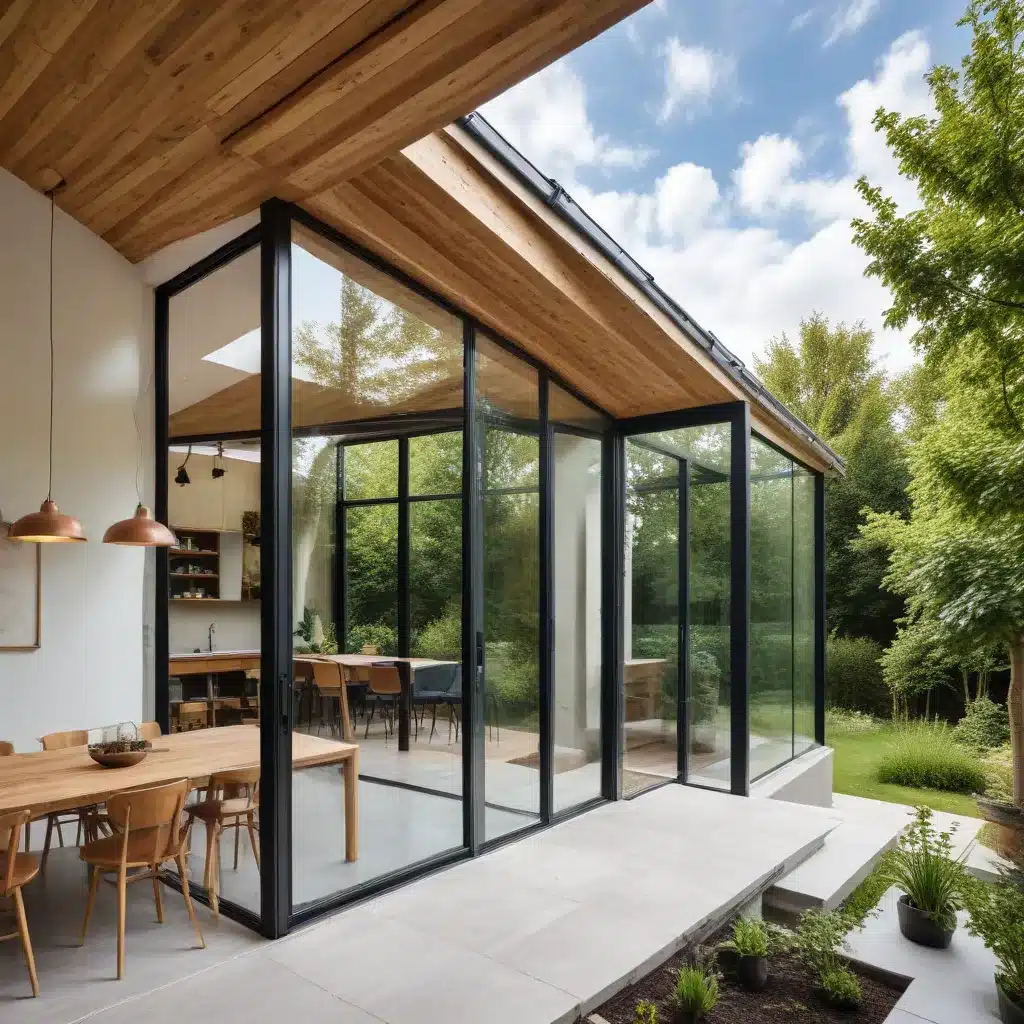
As an experienced home extension consultant, I’ve witnessed firsthand the profound impact that sustainable design and construction practices can have on the long-term performance and environmental footprint of residential properties. In this comprehensive guide, we’ll delve into the world of sustainable home extensions, exploring the key principles of sustainable building design, materials, and the crucial process of sustainable building commissioning.
Sustainable Building Design
The foundation of a sustainable home extension lies in the design phase. By incorporating passive design strategies and leveraging energy-efficient technologies, you can create a home that not only reduces its environmental impact but also provides a comfortable, healthy, and cost-effective living environment for its occupants.
Passive Design Strategies
Passive design techniques harness natural resources, such as sunlight, wind, and thermal mass, to regulate the indoor climate without relying on mechanical systems. Some effective passive design strategies include:
- Optimizing Building Orientation: Aligning the home’s main living spaces to maximize solar exposure and natural ventilation can significantly reduce the need for artificial heating and cooling.
- Enhancing Insulation: Incorporating high-performance insulation in walls, roofs, and foundations helps to retain heat during the colder months and keep the interior cool in the summer.
- Strategically Placing Windows: Carefully positioned windows can maximize natural daylighting, reduce the need for artificial lighting, and allow for cross-ventilation.
- Incorporating Shading Devices: Exterior shading elements, such as overhangs, screens, or vegetation, can help control solar gain and minimize the impact of direct sunlight.
Energy-Efficient Technologies
Complementing passive design strategies, the integration of energy-efficient technologies can further enhance the sustainability of your home extension. Some key technologies to consider include:
- High-Efficiency Heating, Ventilation, and Air Conditioning (HVAC) Systems: Investing in modern, energy-efficient HVAC equipment can significantly reduce energy consumption and emissions.
- LED Lighting: Replacing traditional light bulbs with LED alternatives can cut lighting-related energy use by up to 80%.
- Smart Home Automation: Incorporating smart home technologies, such as programmable thermostats and motion-activated lighting, can optimize energy usage and improve overall efficiency.
- Renewable Energy Generation: Integrating renewable energy sources, like solar photovoltaic panels, can help offset the home’s energy consumption and move towards net-zero or net-positive energy performance.
Sustainable Materials and Construction
The materials and construction methods used in your home extension can have a significant impact on its environmental footprint. By selecting low-impact building materials and adopting sustainable construction practices, you can further enhance the sustainability of your project.
Low-Impact Building Materials
When it comes to sustainable home extensions, the materials you choose play a crucial role. Look for building products that are:
- Locally Sourced: Prioritize materials that are produced or harvested within close proximity to your project site, reducing the environmental impact of transportation.
- Renewable or Recyclable: Opt for materials that are derived from renewable resources, such as wood, or can be easily recycled at the end of the building’s lifespan.
- Low-Embodied Carbon: Consider the embodied carbon of the materials, which is the greenhouse gas emissions associated with their extraction, manufacturing, and transportation.
Some examples of sustainable building materials include bamboo, reclaimed timber, natural insulation made from cellulose or sheep’s wool, and low-carbon concrete alternatives.
Sustainable Construction Practices
In addition to material selection, the construction methods used in your home extension can also contribute to its overall sustainability. Sustainable construction practices may include:
- Waste Reduction: Implement strategies to minimize construction waste, such as efficient material ordering, on-site sorting, and recycling or repurposing of unused materials.
- Water Conservation: Incorporate water-efficient construction techniques, such as waterless toilets, greywater recycling systems, and the use of drought-tolerant landscaping.
- Indoor Air Quality: Ensure proper ventilation, the use of low-VOC (volatile organic compound) materials, and the implementation of dust control measures to maintain a healthy indoor environment during construction.
By prioritizing sustainable materials and construction methods, you can create a home extension that not only looks beautiful but also minimizes its environmental impact and aligns with your sustainability goals.
Sustainable Building Commissioning
The commissioning process is a crucial step in ensuring the long-term performance and efficiency of your sustainable home extension. This multifaceted approach involves both pre-occupancy and post-occupancy commissioning, optimizing the building’s systems and operations for maximum sustainability.
Commissioning Process
Pre-Occupancy Commissioning:
During the pre-occupancy phase, the commissioning process verifies that all building systems, including HVAC, plumbing, electrical, and control systems, are installed and functioning as intended. This comprehensive evaluation helps to identify and address any issues or inefficiencies before the building is occupied, ensuring a smooth transition and optimal performance from the start.
Post-Occupancy Commissioning:
Even after the initial commissioning, the work is not done. Post-occupancy commissioning, also known as ongoing or continuous commissioning, is a crucial step in maintaining the building’s sustainable performance. This process involves regular monitoring, testing, and adjustments to ensure that the building continues to operate at its peak efficiency and meets the desired sustainability targets.
Optimization Strategies
The commissioning process allows for the identification and implementation of optimization strategies to enhance the building’s energy performance and indoor environmental quality.
Energy Performance Optimization:
By closely monitoring the building’s energy consumption, the commissioning team can identify opportunities to fine-tune systems, adjust operating schedules, and implement energy-saving measures. This may include optimizing HVAC settings, improving lighting controls, or implementing renewable energy technologies.
Indoor Environmental Quality Optimization:
Sustainable building commissioning also focuses on ensuring that the home extension provides a healthy and comfortable indoor environment for its occupants. This may involve adjusting ventilation systems, managing indoor air quality, and optimizing thermal comfort levels.
By embracing a comprehensive commissioning approach, you can ensure that your sustainable home extension operates at its full potential, maximizing energy efficiency, reducing environmental impact, and providing a comfortable and healthy living space for its occupants.
Sustainable Building Performance
Achieving sustainable building performance is an ongoing process that requires continuous monitoring, verification, and improvement. By implementing robust monitoring and verification systems, as well as a commitment to continuous improvement, you can ensure that your sustainable home extension maintains its high-performance standards over time.
Monitoring and Verification
Measurement and Verification:
Continuous monitoring and measurement of the building’s energy and resource consumption, indoor environmental quality, and overall performance are essential for verifying the effectiveness of your sustainable design and construction strategies. This data-driven approach allows you to identify areas for improvement and track the long-term impact of your home extension.
Ongoing Performance Evaluation:
Regular performance evaluations, conducted by qualified professionals, can provide valuable insights into the building’s operations and identify any areas that require optimization or adjustment. These evaluations may include energy audits, indoor air quality assessments, and occupant satisfaction surveys.
Continuous Improvement
Operational Adjustments:
Based on the insights gained from monitoring and verification, the building’s systems and operations can be fine-tuned and adjusted to maintain optimal performance. This may involve updating control settings, optimizing equipment schedules, or implementing new technologies to address any emerging needs or changing occupant requirements.
Occupant Engagement:
Engaging the home’s occupants is a crucial aspect of continuous improvement. By educating and empowering the residents to understand and interact with the building’s sustainable features, you can foster a culture of environmental stewardship and encourage active participation in maintaining the home’s high-performance standards.
By prioritizing sustainable building performance through robust monitoring, verification, and a commitment to continuous improvement, you can ensure that your sustainable home extension remains a shining example of eco-friendly living for years to come.
Regulatory and Certification Frameworks
To support the development of sustainable home extensions, various regulatory and certification frameworks have been established. These guidelines and standards help ensure that new construction and renovations meet stringent energy efficiency, sustainability, and environmental impact criteria.
Building Code Compliance
Across many jurisdictions, building codes have been updated to incorporate sustainability provisions and energy efficiency requirements. Compliance with these codes is often a prerequisite for obtaining the necessary permits and approvals for your home extension project. Some key areas of focus in sustainable building codes include:
- Energy Efficiency Requirements: Mandatory minimum energy performance standards for building envelopes, HVAC systems, and other energy-consuming components.
- Sustainability Provisions: Regulations addressing the use of sustainable materials, water conservation, waste management, and renewable energy integration.
Green Building Certifications
In addition to building code compliance, many homeowners and developers opt to pursue voluntary green building certifications to demonstrate their commitment to sustainability. Two of the most widely recognized certification programs are:
LEED (Leadership in Energy and Environmental Design):
Developed by the U.S. Green Building Council, LEED is a globally recognized green building certification system that provides a comprehensive framework for sustainable design, construction, and operations. LEED certification helps ensure that your home extension meets stringent criteria for energy efficiency, water conservation, indoor environmental quality, and more.
BREEAM (Building Research Establishment Environmental Assessment Method):
BREEAM is a leading sustainability assessment method for buildings, widely used in the United Kingdom and internationally. The BREEAM certification process evaluates a building’s performance across various sustainability categories, including energy, water, waste, and environmental impact.
By aligning your sustainable home extension with these regulatory and certification frameworks, you can demonstrate your commitment to environmental responsibility, ensure compliance with industry best practices, and position your project as a shining example of eco-friendly living.
As an experienced home extension consultant, I’ve seen firsthand the transformative impact that sustainable design, construction, and commissioning can have on the performance and livability of residential properties. By embracing the principles of sustainable home extensions, you can create a living space that not only reduces its environmental footprint but also provides a comfortable, healthy, and cost-effective haven for you and your family. Remember, sustainable home extensions are not just about the here and now – they’re an investment in a brighter, more eco-friendly future.
If you’re ready to embark on your sustainable home extension journey, I encourage you to explore the resources and services available at ABC Home. Our team of experts is here to guide you through every step of the process, from design and construction to ongoing performance optimization. Together, let’s create a home that not only meets your needs but also sets a new standard for sustainable living in your community.


