
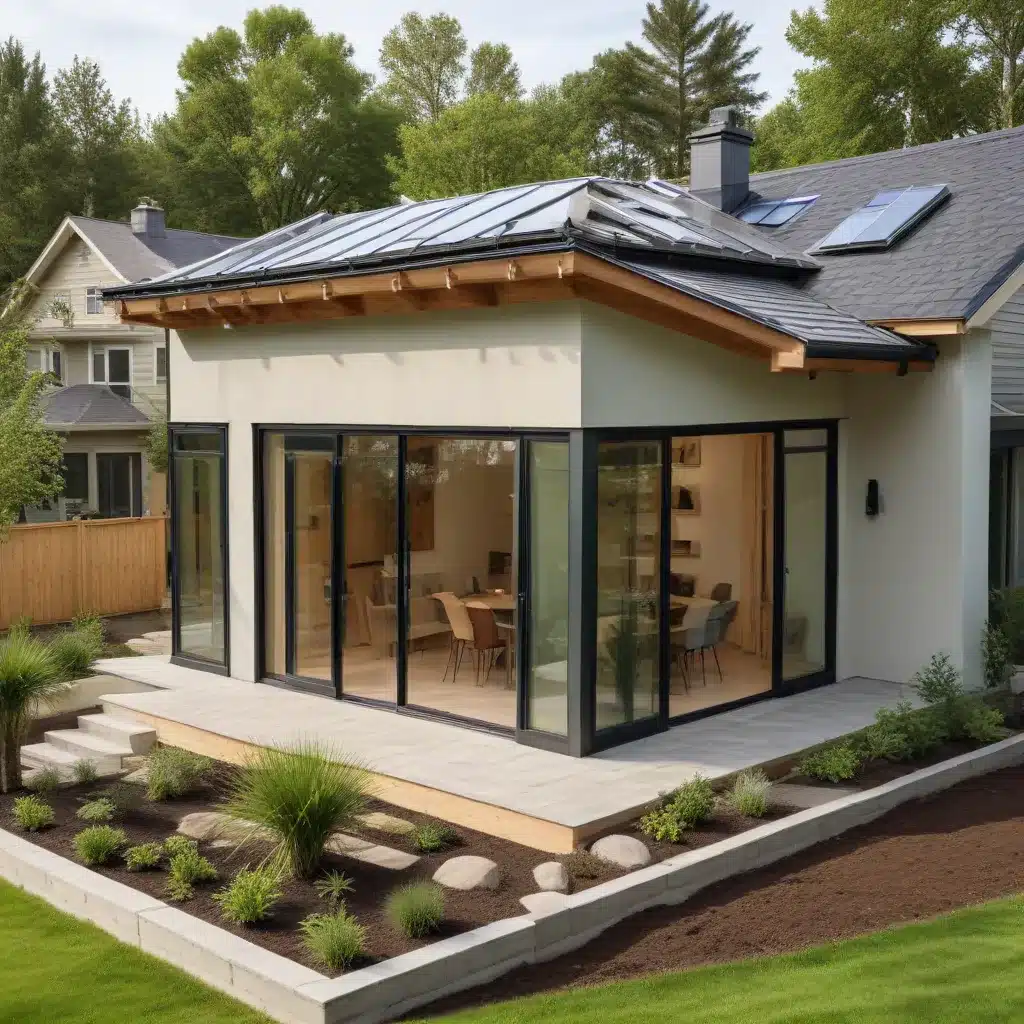
As an experienced home extension consultant, I’m delighted to share my insights on optimizing sustainable home extensions through strategic financing and incentive utilization. In this comprehensive guide, we’ll explore the world of sustainable building practices, uncover the various government and private financing options available, and provide practical tips to maximize the benefits of sustainable home improvement projects.
Sustainable Building Practices
When it comes to home extensions, sustainability should be at the forefront of your mind. After all, the choices you make today will have a lasting impact on the environment and your energy bills for years to come. Let’s dive into the key elements of sustainable building:
Energy-Efficient Design
The foundation of any sustainable home extension lies in its design. By incorporating energy-efficient principles, you can create a space that not only looks beautiful but also operates with minimal environmental impact. This includes optimizing insulation, strategically placing windows to harness natural light, and selecting high-performance building materials.
One of my top recommendations is to work with an architect or designer who specializes in sustainable design. They’ll be able to help you identify the most energy-efficient solutions for your project, from innovative heating and cooling systems to smart home technology.
Renewable Energy Integration
Integrating renewable energy sources, such as solar panels or ground-source heat pumps, can take your home extension to the next level of sustainability. Not only do these systems reduce your reliance on fossil fuels, but they also have the potential to lower your energy bills in the long run.
When it comes to renewable energy, it’s important to carefully assess your options and choose the solution that best fits your property and energy needs. Your local renewable energy advisor can provide valuable guidance on the most suitable technologies and help you navigate the process of installation and integration.
Sustainable Materials
The materials you choose for your home extension can have a significant impact on its environmental footprint. Look for options that are eco-friendly, such as:
- Reclaimed or recycled materials
- Sustainably sourced timber
- Low-emitting paints and finishes
- Insulation made from renewable resources
By prioritizing sustainable materials, you’re not only reducing the environmental impact of your project but also contributing to a more circular economy.
Sustainable Building Financing
Investing in a sustainable home extension can be a significant financial undertaking, but the long-term benefits often outweigh the initial costs. Fortunately, there are a variety of financing options available to help you achieve your sustainable goals.
Government Incentives
Governments around the world recognize the importance of promoting sustainable home improvements, and they offer a range of incentives to encourage homeowners to take action. These can include:
- Tax credits or rebates for energy-efficient upgrades
- Grants for renewable energy installations
- Low-interest loans for sustainable home renovations
It’s important to research the incentives available in your local area and take advantage of them to maximize the financial benefits of your project.
Private Financing Options
In addition to government incentives, there are also private financing options to consider for your sustainable home extension. These can include:
- Green mortgages or equity release schemes
- Specialist home improvement loans
- Crowdfunding platforms for sustainable projects
By exploring these private financing avenues, you can access the necessary funds to bring your sustainable vision to life.
Cost-Benefit Analysis
When evaluating the financial feasibility of a sustainable home extension, it’s crucial to conduct a thorough cost-benefit analysis. This involves weighing the upfront costs against the long-term savings and environmental benefits.
For example, if you invest £20,000 in solar panel installation, you might save £1,500 per year on your energy bills. Over the 25-year lifespan of the solar panels, that equates to £37,500 in savings – a significant return on your initial investment.
By carefully crunching the numbers, you can make an informed decision about the financial viability of your sustainable home extension project.
Optimizing Sustainable Incentives
Navigating the world of sustainable incentives can be a daunting task, but with the right approach, you can maximize the benefits for your home extension project.
Identifying Applicable Incentives
The first step is to research the various incentives available in your local area. This can include tax credits, rebates, grants, and low-interest loans. Some useful resources to explore include government websites, local council offices, and industry associations.
Maximizing Incentive Utilization
Once you’ve identified the relevant incentives, it’s time to develop a strategy to maximize their benefits. This might involve:
- Timing your project to align with specific incentive program deadlines
- Bundling multiple incentives to increase the overall financial savings
- Collaborating with your contractor or installer to ensure you’re taking full advantage of all available options
Navigating Incentive Programs
Navigating the bureaucratic maze of incentive programs can be challenging, but it’s worth the effort. Be prepared to provide detailed documentation, submit applications in a timely manner, and follow up on the status of your requests.
It’s also a good idea to seek guidance from professionals who are well-versed in sustainable home improvement incentives. They can help you identify the most relevant programs, ensure you’re meeting all the requirements, and streamline the application process.
Project Management for Sustainable Extensions
Successful sustainable home extensions require meticulous planning and project management. Let’s explore the key considerations:
Planning and Budgeting
Before you even break ground, it’s essential to have a comprehensive plan in place. This includes detailed budgeting, timelines, and contingency plans to account for any unexpected challenges.
For instance, you might need to factor in the additional costs of specialized sustainable materials or the time required for obtaining necessary permits and approvals.
Contractor Selection
Choosing the right contractor is crucial for the success of your sustainable home extension. Look for contractors with proven experience in sustainable building practices and a strong track record of delivering high-quality, energy-efficient projects.
Permitting and Regulations
Navigating the complex web of local building codes and regulations can be a daunting task, but it’s essential for ensuring your sustainable home extension project is compliant and meets all the necessary standards.
Work closely with your local planning authority to understand the specific requirements for your area and be prepared to provide detailed documentation to support your application.
Remember, the journey towards a sustainable home extension may have its challenges, but the long-term benefits are well worth the effort. By embracing energy-efficient design, renewable energy integration, and sustainable materials, you’re not only creating a more comfortable and eco-friendly living space, but you’re also contributing to a greener future.
And don’t forget, the team at ABC Home is here to support you every step of the way. Whether you need guidance on financing options, assistance with contractor selection, or advice on navigating the regulatory landscape, we’re dedicated to helping you achieve your sustainable home extension goals.
So, what are you waiting for? Let’s start planning your dream sustainable home extension today!


