
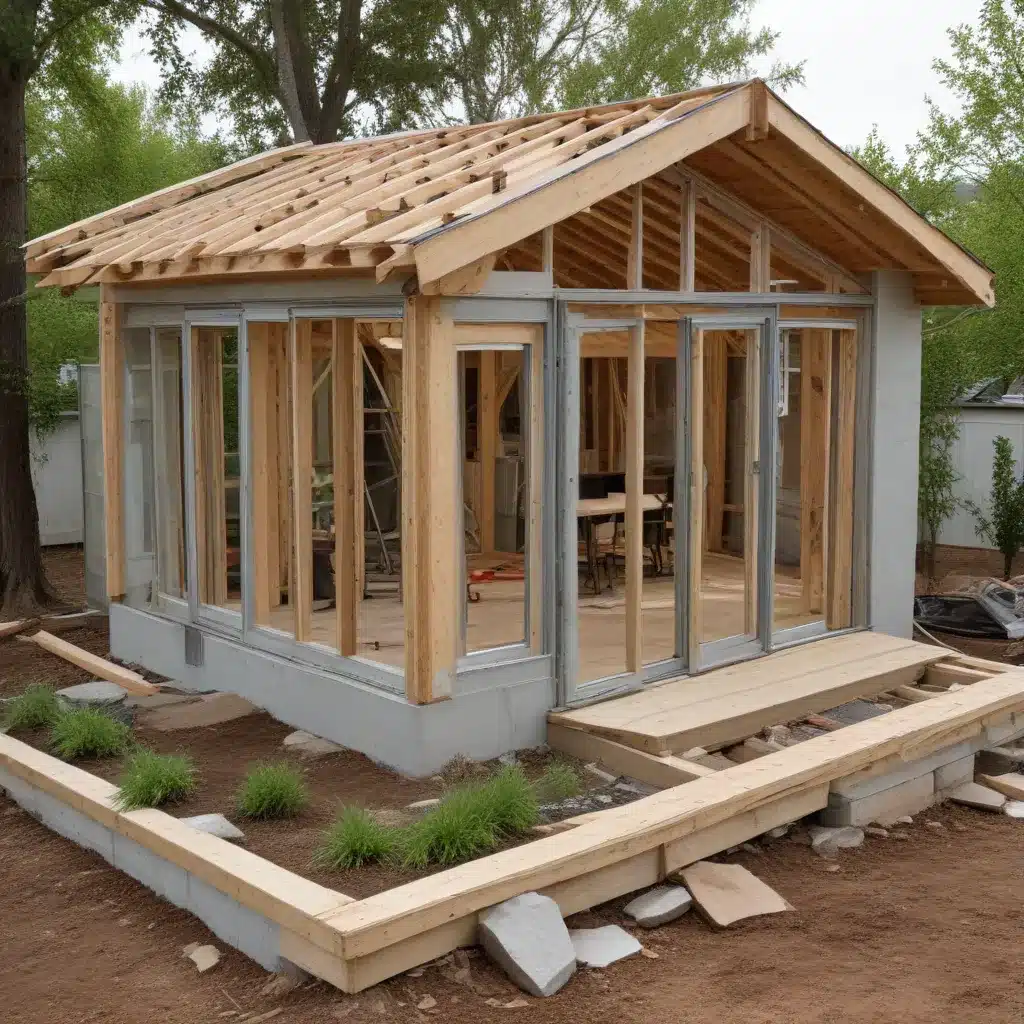
As an experienced home extension consultant here at ABC Home, I’ve seen firsthand how incorporating sustainable design principles can transform the environmental impact of home renovation projects. In this comprehensive guide, we’ll delve into the world of sustainable home extensions, exploring the key considerations, the power of life cycle assessment (LCA), and strategies for optimizing your design to achieve a more eco-friendly, energy-efficient, and circular outcome.
Sustainable Building Principles
Designing a sustainable home extension requires a holistic approach that considers the project’s ecological impact, energy efficiency, and material selection – all crucial elements in creating a truly sustainable built environment.
Ecological Considerations
The construction industry is a significant contributor to environmental degradation, responsible for up to 60% of natural resource consumption and at least 39% of global carbon emissions. As home extension professionals, we have a unique opportunity to reduce this impact by prioritizing ecological principles in our designs.
One core consideration is minimizing the disruption to the local habitat and ecosystem. This could involve preserving mature trees, integrating native landscaping, and carefully managing water runoff and soil erosion during the construction phase. By respecting the site’s natural features, we can ensure our home extensions seamlessly blend with the surrounding environment.
Energy Efficiency
Energy efficiency is a cornerstone of sustainable building design. Home extensions should be planned with a focus on passive strategies that harness natural ventilation, daylighting, and thermal mass to reduce the reliance on active heating, cooling, and lighting systems. This not only lowers operational energy demands but also contributes to the overall comfort and wellbeing of the occupants.
Careful selection of high-performance insulation, glazing, and building envelope components can dramatically improve the thermal efficiency of a home extension, resulting in reduced energy consumption and utility costs for the homeowner.
Material Selection
The choice of building materials is a crucial factor in determining the environmental impact of a home extension project. Prioritizing the use of low-embodied carbon, renewable, and locally sourced materials can significantly reduce the carbon footprint of the construction process.
Materials such as timber, straw bales, and rammed earth offer sustainable alternatives to traditional high-impact options like concrete and steel. Additionally, specifying recycled and reclaimed materials wherever possible can contribute to a more circular economy, diverting waste from landfills and minimizing the extraction of virgin resources.
Life Cycle Assessment (LCA)
To truly understand the sustainability of a home extension, we must consider the entire life cycle of the building, from the extraction of raw materials to the end-of-life disposal or recycling. This holistic approach, known as life cycle assessment (LCA), provides a comprehensive evaluation of the environmental impacts associated with a project.
Environmental Impact Evaluation
LCA enables us to quantify the potential environmental impacts of a home extension, including global warming potential (embodied and operational carbon), water consumption, air and water pollution, and resource depletion. By analyzing these metrics, we can make informed decisions about material selection, construction methods, and energy systems that minimize the overall environmental footprint.
Embodied Carbon Analysis
Embodied carbon refers to the greenhouse gas emissions associated with the extraction, manufacture, transportation, and installation of building materials. LCA allows us to assess the embodied carbon of a home extension, empowering us to prioritize low-carbon materials and construction techniques that reduce the upfront environmental impact.
Operational Energy Considerations
In addition to embodied carbon, LCA also examines the operational energy requirements of a home extension over its lifetime. This includes the energy needed for heating, cooling, lighting, and powering household appliances. By optimizing the energy efficiency of the design, we can minimize the operational carbon emissions and ongoing energy costs for the homeowner.
Optimizing Sustainable Design
Achieving a truly sustainable home extension requires a multi-faceted approach that combines passive design strategies, active systems integration, and a focus on circularity and waste reduction.
Passive Strategies
Passive design elements, such as strategic window placement, thermal mass, and natural ventilation, can significantly reduce the operational energy demands of a home extension. By harnessing the local climate and site-specific conditions, we can create comfortable living spaces that require minimal active heating and cooling.
Active Systems Integration
While passive strategies form the foundation of sustainable design, the integration of high-efficiency active systems, such as solar photovoltaic panels, heat pumps, and smart home automation, can further enhance the energy performance of a home extension. By seamlessly blending these active systems into the overall design, we can maximize the renewable energy generation and minimize the reliance on grid-supplied electricity.
Circularity and Waste Reduction
The principles of a circular economy, where waste is minimized and materials are reused or recycled, are crucial in sustainable home extension projects. This involves designing for disassembly, specifying modular and adaptable components, and implementing robust waste management strategies during the construction phase. By embracing circularity, we can reduce the amount of construction waste sent to landfills and create opportunities for future reuse and repurposing.
Regulatory Frameworks
To support the adoption of sustainable home extensions, various regulatory frameworks, building codes, and certification schemes have been developed to guide designers and homeowners.
Building Codes and Standards
Building regulations and standards play a vital role in ensuring that home extensions meet minimum sustainability requirements. These may include energy efficiency targets, embodied carbon limits, and water conservation measures. Staying up-to-date with the latest regulatory changes and adapting our designs accordingly is essential for achieving compliance and contributing to broader sustainability goals.
Sustainable Certification Schemes
Voluntary certification programs, such as BREEAM, LEED, and the Passive House Standard, provide a comprehensive framework for evaluating the sustainability of a home extension. By aiming to meet the criteria set by these schemes, we can demonstrate the environmental, energy, and health performance of our designs, helping homeowners make informed choices.
Policy Incentives
Governments and local authorities are increasingly offering incentives to encourage the adoption of sustainable building practices. These may include tax rebates, grants, or preferential planning approvals for projects that incorporate energy-efficient technologies, renewable energy generation, and circular design principles. Leveraging these policy-driven incentives can make sustainable home extensions more financially viable for homeowners, further driving the transition towards a more eco-friendly built environment.
By embracing sustainable building principles, incorporating life cycle assessment, and optimizing our design strategies, we can transform home extension projects into shining examples of environmental stewardship. As experienced consultants, it’s our responsibility to guide homeowners towards making informed, sustainable choices that reduce their carbon footprint, enhance energy efficiency, and contribute to a more circular built environment. Remember, every home extension is an opportunity to make a positive impact on the planet – let’s seize that opportunity together.
If you’re ready to embark on a sustainable home extension project, visit our home extensions service page to learn more about our comprehensive approach and how we can help you achieve your goals.


