
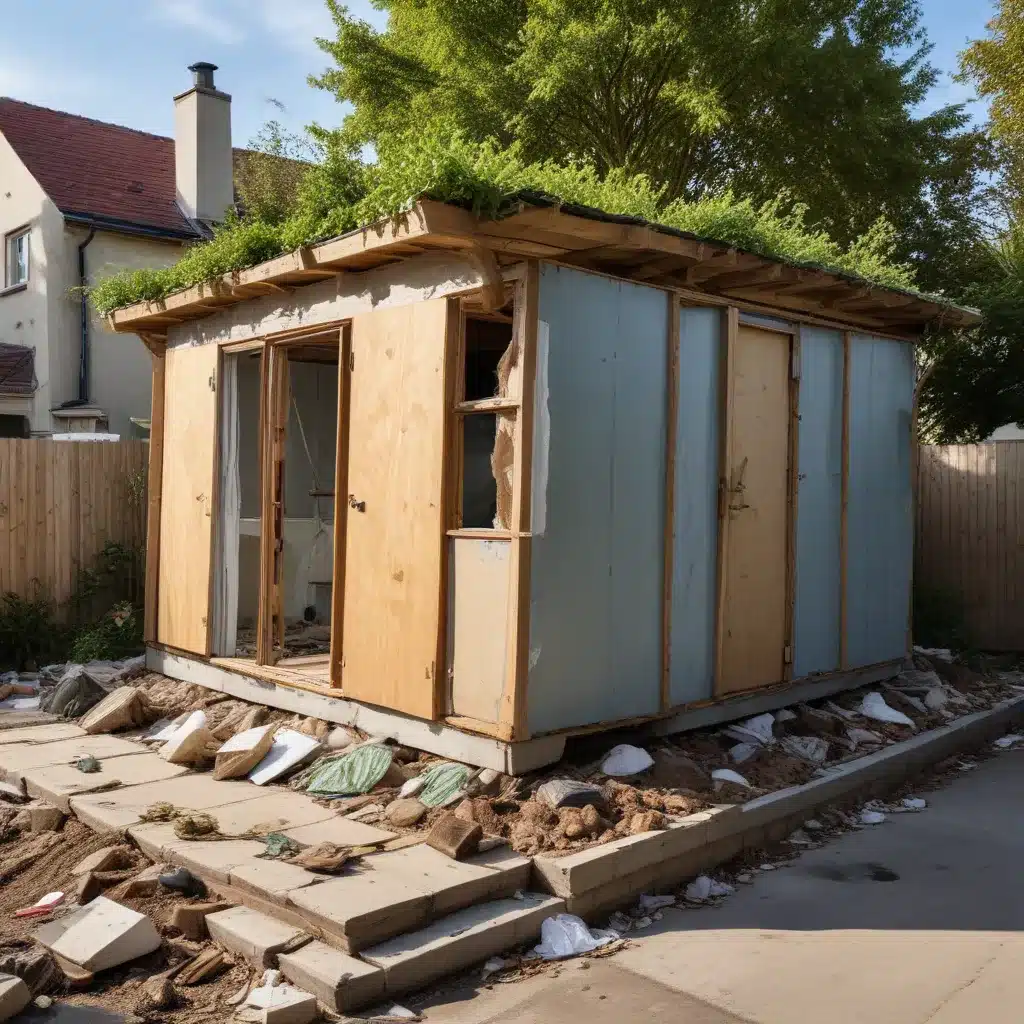
Sustainable Home Extensions: Optimizing Sustainable Waste Management
As an experienced home extension consultant, I’ve seen firsthand how the construction industry can contribute to environmental challenges. However, with the right strategies and practices, home extensions can be designed and built in a sustainable manner, minimizing waste and maximizing resource efficiency. In this comprehensive guide, we’ll explore the key principles of sustainable waste management for home extensions, empowering you to create eco-friendly and resource-conscious additions to your living space.
Waste Reduction Strategies
The cornerstone of sustainable waste management is to minimize waste generation from the outset. This can be achieved through careful planning, design, and material selection. As a home extension consultant, I often recommend the following waste reduction strategies:
1. Precise Measurement and Ordering: Accurately measuring the required materials and ordering only what is needed can significantly reduce construction waste. By avoiding over-ordering, you can prevent the accumulation of unused materials that would otherwise end up in landfills.
2. Modular Design and Prefabrication: Incorporating modular design principles and prefabricated components into your home extension can reduce on-site waste. Modular construction allows for more efficient use of materials, as components can be precisely manufactured off-site and assembled with minimal waste.
3. Adaptable and Flexible Design: Designing your home extension with adaptability and flexibility in mind can minimize the need for future renovations or modifications. By anticipating potential changes in your lifestyle or family needs, you can create a space that can evolve over time without generating additional waste.
4. Deconstruction and Disassembly: When it’s time to update or replace your home extension, consider designing it with deconstruction and disassembly in mind. This approach allows for the reuse or recycling of materials, reducing the amount of waste that ends up in landfills.
Recycling and Reuse Strategies
Once you’ve implemented waste reduction strategies, the next step is to focus on recycling and reusing materials. This not only diverts waste from landfills but also contributes to a more circular economy, where resources are kept in use for as long as possible.
1. Material Salvage and Repurposing: Carefully examine the existing materials on your property, such as old building materials or furniture, and explore ways to repurpose them in your home extension. This could involve upcycling salvaged wood into decorative features or incorporating reclaimed materials into the design.
2. Partnering with Waste Management Providers: Establish a strong relationship with your local waste management providers to ensure that construction and demolition waste is properly sorted, recycled, and diverted from landfills. Many waste management companies offer dedicated services for the recycling of materials like wood, metal, and concrete.
3. Utilizing Recycled and Reclaimed Materials: When selecting materials for your home extension, prioritize the use of recycled and reclaimed products. This can include everything from insulation made from recycled plastic to flooring crafted from reclaimed wood.
4. Exploring Innovative Recycling Solutions: Stay informed about emerging technologies and initiatives in the construction industry that promote the recycling and reuse of materials. For example, some companies are developing methods to recycle and reuse composite materials, which were previously difficult to process.
Composting and Organic Waste Management
Alongside the management of construction waste, sustainable home extensions should also address the handling of organic waste generated during the construction process and throughout the extension’s lifetime.
1. On-Site Composting: Consider implementing an on-site composting system to manage organic waste, such as landscaping debris or food scraps generated during the construction phase. This not only diverts waste from landfills but also produces nutrient-rich compost that can be used to enrich the soil in your home’s landscaping.
2. Integrating Composting Infrastructure: When designing your home extension, allocate space for a dedicated composting area or bin. This ensures that organic waste can be easily collected and processed, making composting a seamless part of your household’s waste management routine.
3. Educating Homeowners: Provide homeowners with guidance and resources on how to effectively manage organic waste through composting. This can include instructions on proper composting techniques, recommended materials, and the benefits of using compost in their gardens or landscaping.
By incorporating these waste reduction, recycling, and composting strategies into your home extension project, you can significantly minimize the environmental impact of the construction process and create a more sustainable living space.
Sustainable Materials and Building Practices
Alongside waste management, the selection of sustainable materials and the implementation of energy-efficient building practices are crucial elements of a truly eco-friendly home extension.
1. Renewable Resources: Prioritize the use of materials derived from renewable resources, such as bamboo, FSC-certified wood, or natural fiber insulation. These materials are harvested in a sustainable manner and have a lower environmental impact compared to traditional building materials.
2. Recycled and Reclaimed Materials: As mentioned earlier, incorporating recycled and reclaimed materials into your home extension can reduce waste and conserve natural resources. This can include everything from recycled glass tiles to structural beams made from reclaimed timber.
3. Energy-Efficient Building Practices: Implement energy-efficient building techniques, such as proper insulation, high-performance windows, and airtight construction, to minimize the energy consumption and carbon footprint of your home extension. This not only benefits the environment but also reduces long-term operating costs for the homeowners.
4. Passive Solar Design: Incorporate passive solar design principles into your home extension, leveraging the sun’s natural energy to heat and cool the space. This can involve strategic window placement, the use of thermal mass materials, and the incorporation of shading devices.
5. Water Conservation Strategies: Implement water-saving features, such as low-flow fixtures, rainwater harvesting systems, and drought-resistant landscaping, to minimize the extension’s water consumption and reduce the strain on local water resources.
By aligning your home extension project with these sustainable material and building practices, you can create a space that not only looks beautiful but also operates in an environmentally responsible manner.
Renewable Energy Integration
To further enhance the sustainability of your home extension, consider integrating renewable energy sources into the design. This not only reduces the property’s carbon footprint but also provides long-term cost savings for the homeowners.
1. Solar Power: Explore the installation of solar photovoltaic (PV) panels on the roof or integrated into the design of your home extension. Solar power can generate clean, renewable electricity to power the additional living space and potentially contribute to the overall energy needs of the household.
2. Wind Power: In suitable locations, the integration of small-scale wind turbines can supplement the home extension’s energy requirements. This can be particularly effective in areas with consistent wind patterns.
3. Geothermal Energy: Depending on the site conditions, a geothermal heating and cooling system can be an efficient and eco-friendly option for your home extension. Geothermal systems leverage the stable temperatures found underground to provide heating and cooling, reducing the reliance on fossil fuels.
4. Energy Storage Solutions: Consider pairing your renewable energy systems with energy storage technologies, such as batteries or thermal storage, to maximize the utilization of the generated renewable energy and provide backup power during grid outages.
By seamlessly integrating renewable energy sources into your home extension, you can create a self-sustaining and energy-independent living space that aligns with the principles of sustainability.
Conclusion
Sustainable home extensions are not only environmentally responsible but can also provide long-term benefits for homeowners, both in terms of cost savings and the creation of a healthier, more comfortable living environment. By implementing comprehensive waste management strategies, selecting sustainable materials, and integrating renewable energy sources, you can transform your home extension into a shining example of eco-friendly design and construction.
As an experienced home extension consultant, I encourage you to explore the strategies and principles outlined in this article. By taking a holistic approach to sustainable home extensions, you can contribute to a more sustainable future while enhancing the value and livability of your property. Remember, small steps can lead to significant environmental impacts, so start your sustainable home extension journey today. For more information or assistance with your project, please don’t hesitate to contact our home extension service.


