
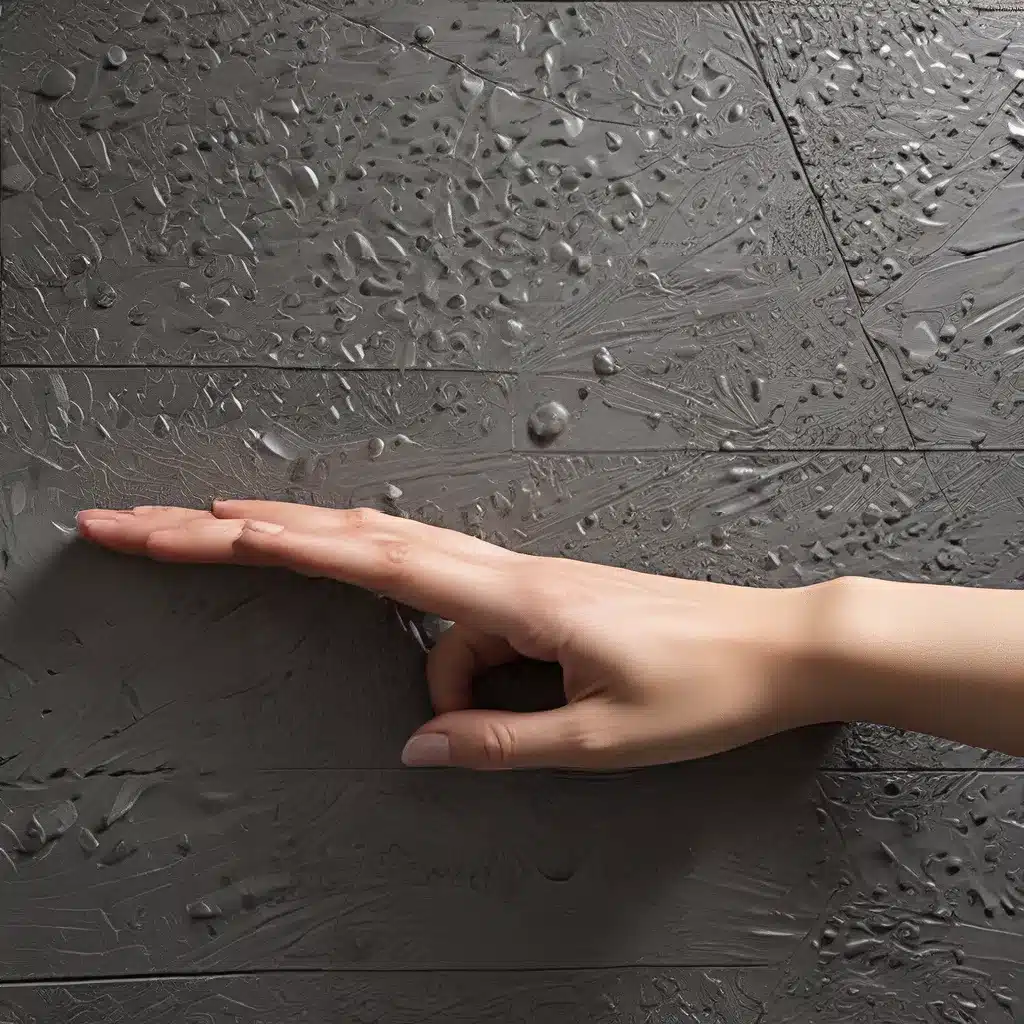
The Sensory Wonderland of Textures
Imagine stepping into a world where the simplest of surfaces come alive with a symphony of tactile delights. A world where every touch ignites a cascade of sensations, transforming the mundane into the extraordinary. This is the realm of texture transformation – the art of elevating our everyday experiences through the power of touch.
As I embark on this exploration, I can’t help but wonder, what secrets do these textured landscapes hold? How can we harness their transformative potential to enhance the way we interact with our surroundings? Join me as I delve into the captivating world of texture and uncover the keys to unlocking its sensory magic.
Unraveling the Tactile Tapestry
Textures are the silent storytellers of our physical world. They whisper tales of origin, craftsmanship, and the very essence of the materials that comprise them. From the weathered grain of reclaimed wood to the silky smoothness of polished marble, each surface offers a unique sensory experience that can profoundly impact our perception and interaction with our surroundings.
But textures are not just about the sense of touch; they also have the power to influence our other senses. The rough, earthy feel of a handcrafted ceramic tile, for instance, can evoke images of rolling hills and the warmth of a crackling fireplace. Conversely, the sleek, glossy sheen of a contemporary countertop can conjure up visions of urban sophistication and clean lines.
The Transformative Power of Texture
Mastering the art of texture transformation requires a deep understanding of the interplay between our senses and the physical world. It’s about recognizing the emotive potential of every surface and harnessing it to create truly immersive experiences.
Imagine running your fingers across a delicate lace pattern, feeling the intricate weave of each thread as it caresses your skin. The sensation instantly transports you to a bygone era, evoking images of elegant Victorian parlors and the whispers of a timeless romance. Or consider the thrill of sinking your hands into a plush, velvet cushion – the soft, enveloping texture instantly triggering a sense of comfort and relaxation.
This is the magic of texture transformation. It’s about elevating the mundane into the extraordinary, allowing us to forge deeper connections with the spaces we inhabit. And the possibilities are endless, limited only by the bounds of our imagination.
Tactile Transformations in Home Design
One of the most exciting frontiers for texture transformation lies in the realm of home design and renovation. As we seek to create spaces that not only look beautiful but also feel inviting and engaging, the role of tactile elements becomes paramount.
Imagine stepping into a room where the walls are adorned with a captivating textured wallpaper, its undulating patterns beckoning you to reach out and explore. Or picture a cozy living room where the plush, velvet upholstery of the sofa invites you to sink in and indulge in a moment of pure comfort.
Texture layering is a powerful technique that can transform the overall ambiance of a space. By strategically combining different tactile elements, such as rough and smooth, matte and glossy, or soft and rigid, designers can craft a multidimensional sensory experience that engages the senses on a deeper level.
But the magic of texture transformation doesn’t stop there. Innovative materials and finishes are opening up a world of possibilities, allowing us to reimagine even the most functional aspects of our homes. Imagine a sleek, high-performance kitchen worktop that boasts a captivating, tactile surface, or a bathroom vanity with a captivating, almost sculptural texture that begs to be touched.
The Science of Sensory Delight
As we delve deeper into the world of texture transformation, it’s important to understand the underlying science that governs our sensory perceptions. At the heart of this phenomenon lies the intricate neural pathways that connect our sense of touch to the richly detailed tapestry of our brain’s interpretation.
Skin is our largest sensory organ, and it is teeming with a vast array of receptors that respond to various tactile stimuli. From the delicate Meissner’s corpuscles that detect light touch to the robust Pacinian corpuscles that sense pressure and vibration, our skin is a veritable symphony of sensory capabilities.
But the journey doesn’t end there. As these tactile signals are transmitted to the brain, they are processed and integrated with our other senses, creating a multidimensional experience that can evoke powerful emotional responses. The feel of a soft, plush fabric, for instance, may trigger feelings of comfort and security, while the roughness of a weathered surface could conjure up a sense of ruggedness and resilience.
This understanding of the neurological underpinnings of texture perception has spawned a growing field of research, with scientists and designers exploring innovative ways to harness this knowledge to enhance our everyday experiences.
Texture Transformation in Action
So, how can we put the power of texture transformation into practice? The possibilities are truly endless, but let’s explore a few inspiring examples that showcase the transformative potential of tactile elements.
In the realm of home decor, designers are increasingly incorporating textured artwork and sculptural elements to create a captivating sensory experience. Imagine a wall adorned with a mosaic of intricate, three-dimensional tiles that catch the light and cast mesmerizing shadows, inviting you to reach out and explore their tactile nuances.
Or consider the transformation of a humble accent wall, where a layer of hand-applied plaster or natural stone creates a captivating, tactile canvas that adds depth, warmth, and a sense of timelessness to the space.
Beyond the walls, texture transformation is also making its mark on furniture and furnishings. A sleek, modern coffee table with a subtly grained, hand-finished wooden top can infuse a room with a sense of rustic elegance, while a meticulously woven area rug can ground a space with its tactile allure.
And let’s not forget the power of textiles. Draping a room in sumptuous velvet curtains or adorning a bed with a luxurious, high-pile throw can instantly elevate the sensory experience, creating an atmosphere of opulence and indulgence.
Unlocking the Future of Tactile Design
As we continue to push the boundaries of texture transformation, the future holds endless possibilities for enhancing our built environments and elevating our everyday experiences.
Emerging technologies, such as dynamic surfaces that can change their texture and appearance at the touch of a button, are paving the way for a truly interactive and adaptive built environment. Imagine a wall panel that can morph from a smooth, sleek finish to a tactile, undulating pattern, allowing you to customize the ambiance of a space with a simple gesture.
Likewise, the integration of haptic feedback and virtual reality is opening up new avenues for exploring texture in the digital realm. Imagine being able to virtually “feel” the intricate grain of a piece of furniture or the soft, plush cushions of a sofa, all while planning your dream home from the comfort of your own screen.
The future of texture transformation is rife with exciting possibilities, and it’s up to us to embrace this sensory revolution and harness its transformative power. So, let’s dive in, explore, and unlock the secrets of the tactile world, one captivating surface at a time.


