
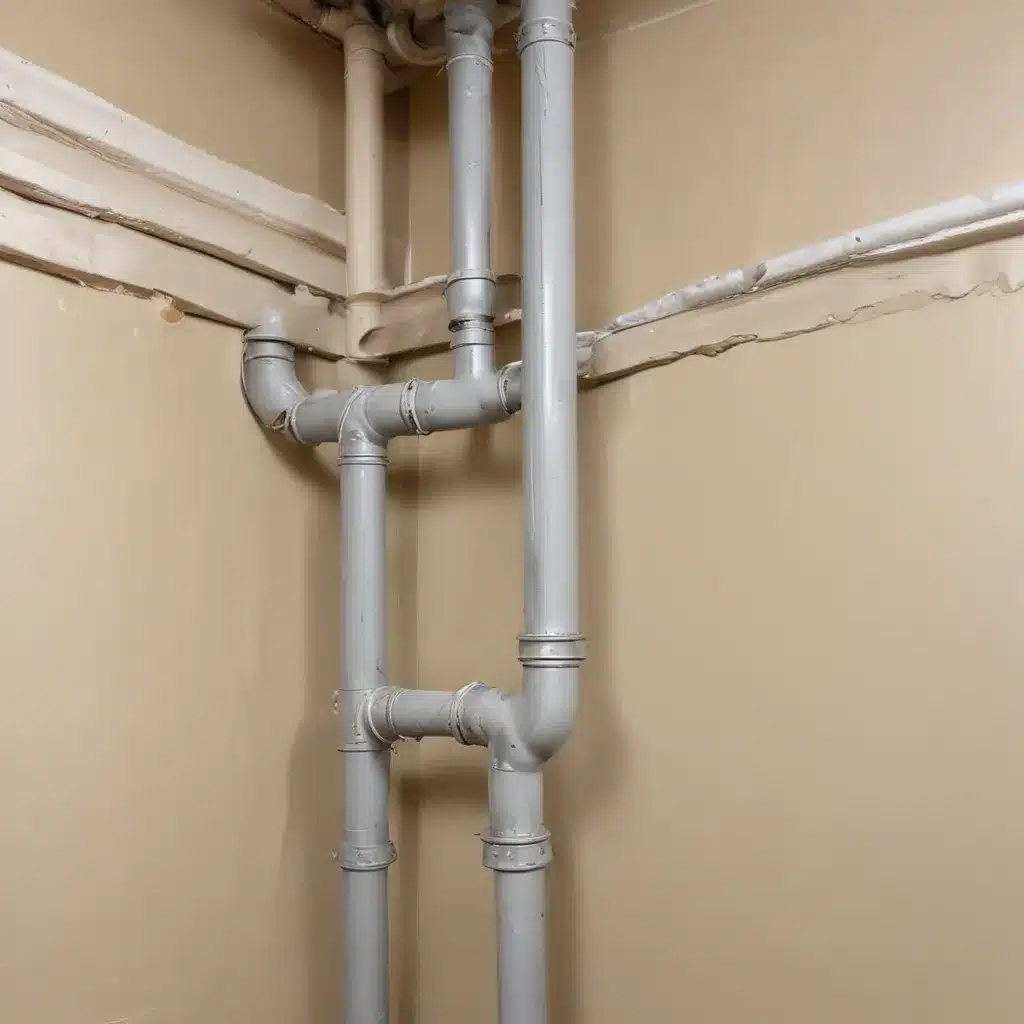
Uncovering the Hidden Hazards in Your Home
If you’re like me, the mere thought of renovating your home can be equal parts exciting and daunting. The possibilities of transforming your living space are thrilling, but the potential pitfalls can make your head spin. Well, my friends, buckle up – because today, we’re going to dive headfirst into one of the most critical (and often overlooked) aspects of any remodeling project: checking for lead.
Now, I know what you’re thinking – lead? Isn’t that some outdated problem from the 1970s? Well, I’m here to tell you that lead is still very much a concern, especially in older homes. In fact, according to the Minnesota Department of Health, about 75% of homes built before 1978 contain some lead-based paint. That’s a staggering statistic, and one that should have every homeowner and renovator taking a long, hard look at their property.
The Dangers of Lead: A Silent Killer
Before we dive into the specifics of testing for lead, let’s take a moment to understand why this seemingly innocuous substance can be so dangerous. Lead is a heavy metal that can have devastating effects on both children and adults. Exposure to lead can cause a range of health issues, including:
- Damage to the brain and nervous system
- Slowed growth and development in children
- Kidney problems
- Increased blood pressure
- Fertility issues
And the worst part? Lead poisoning can often go undetected, as the symptoms can be subtle and easily mistaken for other conditions. That’s why it’s so important to be proactive and test for lead before you even think about picking up a hammer.
High-Risk Areas: Where to Focus Your Search
Okay, so we know lead is a problem, but where exactly should you be looking for it? According to the Environmental Protection Agency, the most common culprits are:
- Deteriorating lead-based paint (peeling, chipping, chalking, cracking, or damp)
- Surfaces that children can chew on, like windowsills or door frames
- Soil around the home
- Household dust
- Certain consumer products, like toys or jewelry
Now, I know what you’re thinking – “But my house was built in the 80s, surely I’m in the clear!” Well, not so fast. While it’s true that lead-based paint was banned for consumer use in 1978, that doesn’t mean your home is automatically lead-free. Many older homes still have layers of pre-1978 paint hiding underneath, just waiting to be uncovered during a renovation.
And let’s not forget about the other potential sources of lead, like plumbing materials and household dust. Even if your home was built more recently, there’s still a chance that lead could be lurking in unexpected places.
Testing for Lead: Three Foolproof Methods
Now that we’ve covered the dangers and the high-risk areas, it’s time to get down to the nitty-gritty of testing for lead. Luckily, there are a few different methods you can use to get the job done, and they range in both cost and complexity.
-
Home Test Kits: These are a quick and inexpensive option, and they can be used to test a variety of materials, including paint, dust, and soil. Just keep in mind that they won’t tell you exactly how much lead is present, only whether it’s there or not.
-
Environmental Laboratories: If you want a more precise reading, you can send samples of paint, dust, or water to an accredited lab for testing. This route will cost you a bit more, but it can give you a clear picture of the lead levels in your home.
-
Licensed Lead Risk Assessors: For the ultimate in peace of mind, you can hire a licensed professional to come in and evaluate your home for lead sources before and after any remodeling work. They’ll be able to provide a comprehensive assessment and ensure that any lead hazards have been properly addressed.
Whichever method you choose, just remember to follow the instructions carefully and take the proper precautions. After all, the last thing you want is to accidentally spread lead dust throughout your home!
Protecting Yourself and Your Family
Now that you know how to test for lead, it’s time to talk about the crucial next step: protecting yourself and your family. Because let’s be real, uncovering a lead problem is only half the battle – you’ve also got to know how to handle it safely.
One of the most important things to keep in mind is that lead dust is incredibly easy to transfer. It can cling to your hair, skin, and clothing, and then get passed on to your loved ones or anyone else working on the project. That’s why it’s essential to follow proper safety protocols, like:
- Wearing protective gear (like masks and coveralls) during any demolition or renovation work
- Containing the work area to prevent the spread of lead dust
- Thoroughly cleaning the area and disposing of any lead-contaminated materials properly
And let’s not forget about the little ones. Children are especially vulnerable to the effects of lead, so it’s crucial to keep them away from any high-risk areas until the job is done.
Tackling the Lead Challenge Head-On
I know, I know – this all sounds like a lot to handle. But trust me, the peace of mind you’ll get from knowing your home is lead-free is worth the extra effort. And who knows, you might even uncover a few surprises along the way! (That’s what happened to me when I found a hidden stash of my grandpa’s old fishing lures – turns out they were made with lead, which explained a lot about his, uh, “unique” casting technique).
So, what are you waiting for? It’s time to put on your detective hat and get to work. Your dream home renovation is just a lead test away! And if you ever need a helping hand, don’t hesitate to reach out to the experts at ABC Home – they’ll be more than happy to guide you through the process.
Happy hunting, my friends!


