
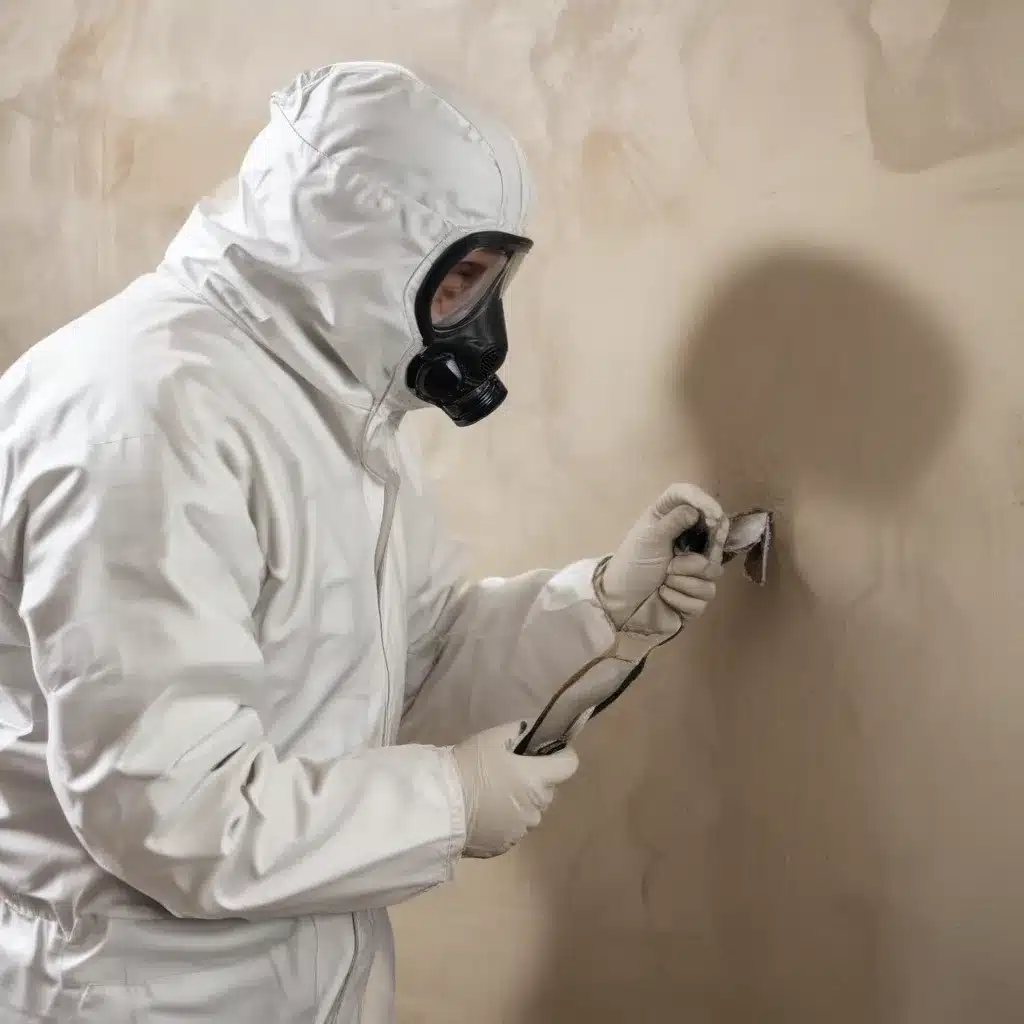
A Miracle Material with a Deadly Secret
Asbestos: the seemingly perfect construction material with its strength, durability and fire-resistant properties. It’s no wonder it was used extensively in building materials in the 20th century. However, this ‘miracle’ material was later discovered to be a silent killer.
As a building and renovation company based in Aberdeen, UK, we at ABC Home have seen first-hand the devastating impact asbestos can have. In this in-depth article, we’ll dive into the importance of asbestos testing and inspection, explore the hazards of this deadly mineral, and provide guidance on how to safeguard your building and its occupants.
Unraveling the Asbestos Enigma
Asbestos is the name for a group of six naturally occurring minerals that have long, thin fibres and are highly heat-resistant. The six different minerals are:
- Chrysotile: this white curly fibre, also known as ‘white asbestos’ is one of the most commonly used forms of asbestos
- Crocidolite: this is the most dangerous type of asbestos due to its thin, needle-like fibres that can penetrate the lungs, also known as ‘blue asbestos’
- Amosite: these fibres are straight and grey-brown and were mainly used in thermal insulation products, also known as ‘brown asbestos’
- Anthophyllite: a rare type of asbestos that was mainly used in composite flooring products
- Tremolite: another rare fibre type sometimes used in flooring materials
- Actinolite: this greenish-grey fibrous mineral often found in metamorphic rocks was mainly used in building materials such as insulation and cement products.
All types of asbestos are hazardous to human health. From around 1930 to the 1980s, asbestos was used to build homes all over the UK. But scientists soon discovered that asbestos was in fact highly toxic and responsible for serious health problems, including lung cancer.
A Ticking Time Bomb: The Legacy of Asbestos
Though asbestos was banned in 1999, the legacy of this ‘miracle’ material continues to claim thousands of lives in the UK every year. The scale of the problem is truly staggering.
According to the Health and Safety Executive, asbestos is responsible for around 5,000 deaths every year in the UK. Mesothelioma, a cancer caused by asbestos exposure, is the most common work-related cancer in the UK and has killed over 50,000 people in the country since the 1980s.
But the horror doesn’t end there. “Any person intending to either abate asbestos containing materials in any amount greater than the trigger levels, or demolish a facility shall, on a form supplied by the Division, provide a written notice of the intent to conduct asbestos abatement or demolition.” Asbestos-related diseases are expected to cause over 90,000 deaths in the UK by 2050, with mesothelioma deaths peaking in the next few years before declining.
The numbers are staggering, and they highlight the ongoing risk that asbestos poses to public health in the UK. As a building owner or duty holder in charge of a property that was built before the year 2000, it’s crucial to identify the presence of asbestos in your building to ensure occupants are safe from potential harm.
Identifying the Silent Killer
Asbestos fibres are easily inhaled and can lodge themselves in the lungs, causing inflammation and scarring. Asbestos exposure can lead to serious health problems, including lung cancer, mesothelioma, and asbestosis.
The symptoms of these diseases can take years, sometimes decades, to develop, and in some cases, can be fatal. Mesothelioma is a type of cancer that affects the lining of the lungs, chest, and abdomen. It is caused by inhaling asbestos fibres, and there is no known cure. Symptoms of mesothelioma can include shortness of breath, chest pain, and weight loss.
Lung cancer is another potential health problem associated with asbestos exposure. Asbestos fibres can damage lung tissue, leading to the development of cancerous tumours. Symptoms of lung cancer can include coughing, chest pain, and difficulty breathing.
Asbestosis is a chronic lung condition caused by long-term exposure to asbestos fibres. It can lead to shortness of breath, coughing, and chest pain. In severe cases, asbestosis can lead to heart failure or death.
It’s clear that identifying the presence of asbestos is crucial, especially if the materials are deteriorating or damaged. When asbestos-containing materials are disturbed, for example during renovation or demolition, the fibres can be released into the air, leading to serious health consequences if they are inhaled.
Navigating the Asbestos Testing and Inspection Process
The process of asbestos testing and inspection involves several steps. The first step is to identify potential sources of asbestos. This can include building materials such as insulation, flooring, boards, roofing materials, and textured coatings.
Once potential sources of asbestos have been identified, samples are taken from the building materials and sent to the laboratory for bulk analysis. This involves examining the material using microscopy to check whether asbestos fibres are present.
Air sampling is another type of asbestos testing used to measure the concentration of asbestos fibres in the air. Different types of air tests can be undertaken depending on the scenario, but all asbestos testing must be undertaken by a UKAS accredited laboratory.
Managing Asbestos: Options and Considerations
Should asbestos be found in your building, there are several options for dealing with it. The first option is to leave the asbestos in place if it is in good condition and not likely to be disturbed. The asbestos can then be managed, with condition monitoring or re-inspection undertaken on at least an annual basis.
However, if the asbestos-containing material is damaged or deteriorating, it may need to be removed or abated, i.e. safely removed and disposed of. Depending on the type of asbestos material, this will usually need to be carried out by a HSE licensed asbestos removal contractor to ensure it is done safely and in line with the regulations.
Asbestos training is an essential step in ensuring that duty holders and building managers are aware of the risks of exposure to asbestos. It’s important to note that different types of training may be required depending on the individual’s role and level of responsibility in managing asbestos-containing materials.
When searching for asbestos training courses, look for those that are accredited by both UKATA (United Kingdom Asbestos Training Association) and the BOHS (British Occupational Hygiene Society). Asbestos training is not a one-time event but should be ongoing, with regular refresher training to stay up to date with any changes in regulations or best practices.
Safeguarding Your Building: The Way Forward
Identifying and managing potential sources of asbestos in your building can help prevent the risk of serious health problems for occupants. Take the necessary steps to protect yourself and those around you by getting your building inspected and tested for asbestos today.
At ABC Home, we understand the importance of proactive asbestos management. As a leading provider of asbestos services in the UK, we have a comprehensive range of UKAS accredited testing, inspection and specialist consultancy services to enable duty holders to comply with the Control of Asbestos Regulations 2012. We also offer an extensive range of UKATA and BOHS accredited asbestos training courses for duty managers and building owners.
Don’t wait until it’s too late. Contact us today to learn more about how we can help you safeguard your building and its occupants from the silent killer that is asbestos.


