
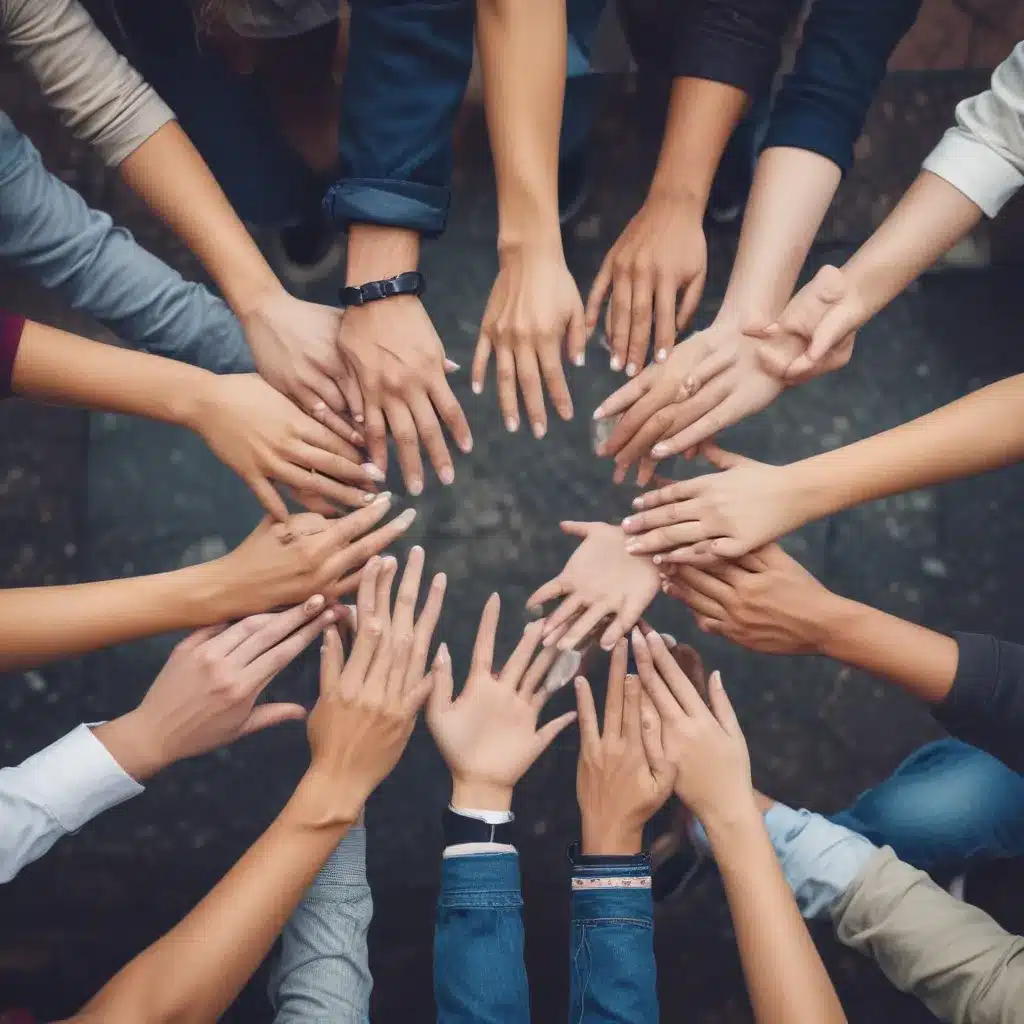
The Power of Shared Spaces
Have you ever walked into a room and just felt…at home? Like the space was designed with intention, where every element seamlessly complemented the next, creating a harmonious whole that invited you to linger and soak it all in? I had that experience recently when I visited the newly renovated community center in my hometown of Aberdeen, UK.
ABC Home, the local building and renovation company behind the project, really outdid themselves. From the moment I stepped through the doors, I could sense the care and thought that had gone into crafting this space. The warm, earthy tones of the wood paneling blended perfectly with the pops of vibrant color in the furnishings, creating an atmosphere that was simultaneously cozy and energizing. And the flow of the layout – it just made sense, guiding visitors effortlessly between the various multi-purpose rooms and community hubs.
But what struck me most was how the space seemed to bring people together. Locals of all ages were mingling, chatting, and engaging with one another in a way that felt organic and genuine. Kids were laughing as they played in the activity zones, while seniors sipped tea and traded stories in the lounge area. It was a true reflection of the diverse, thriving community that Aberdeen is known for.
As I wandered through, observing these interactions, I couldn’t help but be in awe of the skill required to craft such an inviting, community-centric environment. It’s not just about selecting the right materials or designing an aesthetically pleasing layout – it’s about understanding the intangible elements that turn a functional space into a vibrant, welcoming hub. And that, my friends, is where the true magic happens.
The Art of Crafting Community
So what are the secret ingredients that transform a building project into a community-building triumph? Based on my experience at the Aberdeen community center, I’d say it all comes down to three key elements: empathy, intentionality, and collaboration.
Empathy
To create a space that truly resonates with a community, you have to start by deeply understanding the people who will be using it. What are their needs, their interests, their pain points? What brings them together, and what are the barriers that might prevent them from connecting? Empathy is the foundation upon which you can build a space that feels tailor-made for its inhabitants.
The team at ABC Home clearly took the time to engage with the local community, to listen to their ideas and concerns. They didn’t just impose their own vision – they worked to translate the community’s collective aspirations into a physical reality. And that level of care and understanding is palpable in the final product.
Intentionality
But empathy alone isn’t enough. To create a genuinely impactful community space, you also need a clear, intentional vision. What exactly are you trying to achieve? How will the various elements of the design work together to foster connection, collaboration, and a sense of shared purpose?
At the Aberdeen community center, you can see this intentionality in action. The layout is designed to encourage mingling and collaboration, with ample open spaces and flexible, modular furnishings. The activity zones cater to diverse interests and age groups, ensuring that there’s something for everyone. And the overall aesthetic – warm, inviting, and bursting with personality – telegraphs a message of inclusivity and belonging.
It’s not just about ticking boxes or checking off a list of requirements. It’s about crafting a cohesive experience that elevates the everyday and inspires people to engage with one another in meaningful ways.
Collaboration
Of course, executing on this kind of vision requires a level of collaboration that goes beyond the typical client-contractor relationship. To truly create a community-centric space, you need to bring together a diverse array of stakeholders – from local government officials and community leaders to designers, architects, and tradespeople.
And that’s exactly what the team at ABC Home did. They worked hand-in-hand with the city, neighborhood associations, and a range of community organizations to ensure that everyone’s needs and perspectives were represented. The result is a space that feels truly collaborative, a reflection of the community’s collective efforts and shared aspirations.
The Ripple Effect of Community-Driven Design
But the impact of a well-designed community space extends far beyond the walls of the building itself. When you get it right, the effects can be truly transformative, reverberating outward and touching the lives of everyone in the surrounding area.
Think about it – when people have access to a vibrant, welcoming hub where they can connect, learn, and engage with one another, it can unlock all sorts of positive ripple effects. Neighbors who might have otherwise kept to themselves start striking up conversations, forging new friendships and support networks. Local businesses see an influx of foot traffic, boosting their bottom lines and contributing to the overall economic vitality of the area. And perhaps most importantly, a strong sense of community pride and belonging begins to take root, empowering residents to take a more active role in shaping the future of their neighborhood.
I saw all of these ripple effects in action at the Aberdeen community center. The place was buzzing with energy and excitement, a testament to the power of thoughtful, community-driven design. And it’s not just about creating a beautiful space – it’s about cultivating the human connections and shared experiences that breathe life into a community and help it thrive.
The Endless Possibilities of Community-Centric Design
As I reflected on my experience at the Aberdeen community center, I couldn’t help but wonder – what if more building and renovation projects were approached with this same level of intentionality and care for the people they serve? Imagine the transformation we could spark in communities all over the world.
Sure, it might require a bit more effort and collaboration upfront. But the payoff, both in terms of human impact and long-term sustainability, is truly invaluable. When you design with the community’s needs and aspirations at the forefront, you’re not just building a structure – you’re building a foundation for connection, growth, and shared prosperity.
And the possibilities are endless. From cozy neighborhood gathering spaces to vibrant urban hubs, community-centric design can take on countless forms, each one a unique reflection of the people it serves. The key is to approach each project with empathy, intentionality, and a deep commitment to collaboration. Because when you get those elements right, the result is something truly special – a space that doesn’t just meet the community’s needs, but elevates and inspires them.
So if you’re a building or renovation professional, I challenge you to think beyond the bricks and mortar. Look for opportunities to truly embed yourself in the communities you serve, to understand their unique stories and aspirations. And then use that insight to craft spaces that bring people together, that foster connection, and that leave a lasting, positive impact. Because that, my friends, is the true skill in creating community.


