
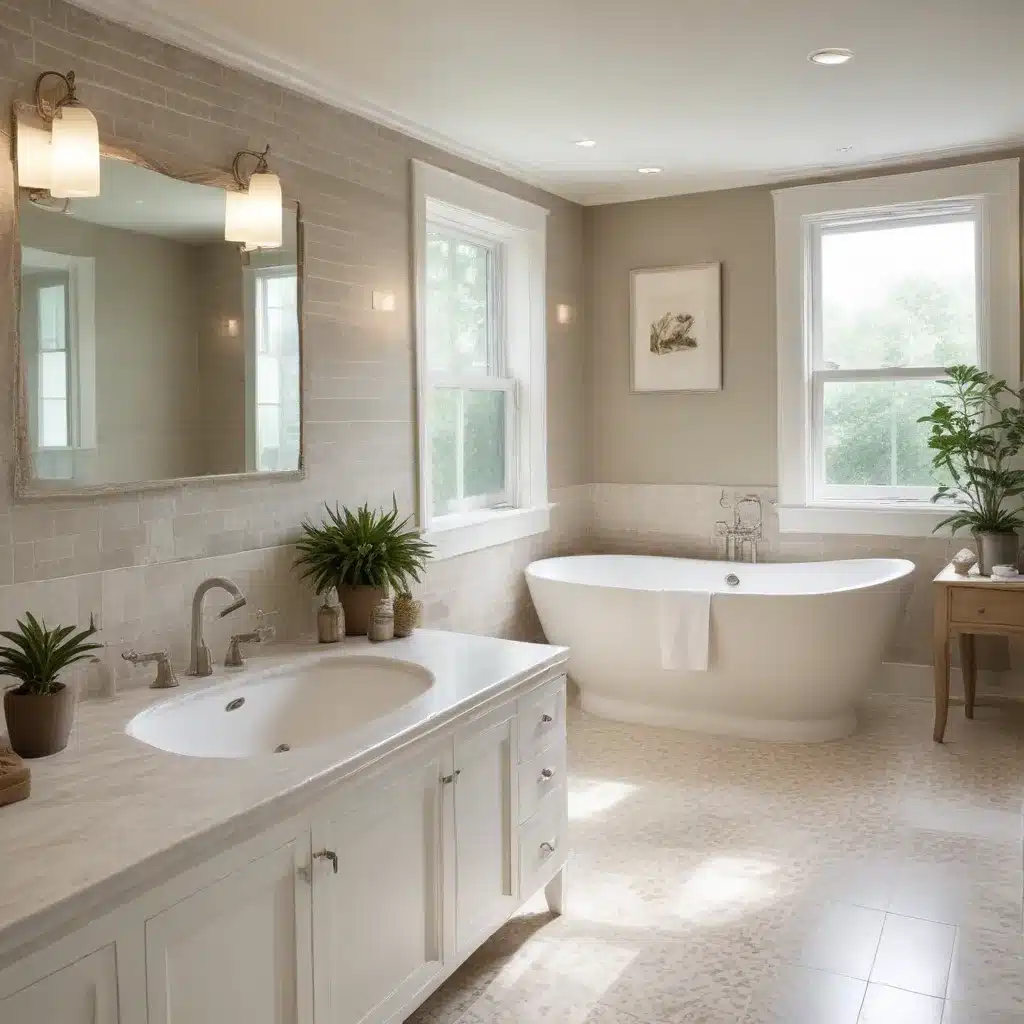
Understanding the Importance of Enduring Design
In the realm of home improvement, few spaces receive as much attention as the bathroom. As a vital area of daily use, creating a bathroom that stands the test of time is not only aesthetically pleasing but also a sound investment. The concept of timeless design in bathrooms goes beyond mere visual appeal; it encompasses functionality, durability, and adaptability to changing needs.
When considering a bathroom renovation or new build, it’s crucial to focus on elements that will remain relevant and functional for years to come. This approach not only ensures long-term satisfaction but can also contribute to the overall value of a property. In the UK, where housing stock varies greatly in age and style, a timeless bathroom can be a unifying feature that bridges traditional and contemporary aesthetics.
The benefits of opting for a timeless bathroom design extend to cost-effectiveness over time. By choosing high-quality materials and classic styles, homeowners can avoid the need for frequent updates or renovations. This is particularly important in the context of UK building regulations, which emphasise longevity and sustainability in construction and renovation projects.
Key Elements of Timeless Bathroom Design
Colour Palette: The Foundation of Lasting Style
The colour scheme of a bathroom plays a fundamental role in creating a timeless ambiance. Neutral tones have long been favoured for their versatility and enduring appeal. Shades such as white, cream, beige, and soft greys form an excellent base for a classic bathroom design. These colours not only create a sense of spaciousness but also provide a blank canvas that can be easily accessorised or updated over time.
When selecting neutral colours, it’s important to consider the undertones and how they interact with natural and artificial light. Cooler whites can create a crisp, clean look, while warmer neutrals can add a sense of comfort and luxury. The key is to choose a palette that complements the overall architecture of the home and can adapt to changing tastes and trends.
It’s worth noting that while bold colours can be striking, they often date quickly and may limit future design options. However, this doesn’t mean a timeless bathroom must be devoid of colour. Subtle accents through tiles, accessories, or even plants can add personality without compromising the overall timeless aesthetic.
Materials: Selecting for Longevity and Quality
The choice of materials in bathroom design is crucial for both aesthetics and durability. Natural materials such as marble, granite, and hardwoods have been used in bathrooms for centuries and continue to be popular choices for their timeless appeal. These materials not only look beautiful but also tend to age gracefully, developing character over time.
When considering man-made materials, porcelain and ceramic tiles remain excellent options for their durability and wide range of styles. Large-format tiles are particularly on-trend and can create a seamless, spacious look that is likely to remain fashionable for years to come. For countertops, engineered quartz offers the look of natural stone with added durability and lower maintenance requirements.
It’s important to balance aesthetics with practicality. In the UK, where moisture and temperature fluctuations can be significant, materials must be able to withstand these conditions. Always ensure that materials meet British Standards for water resistance and slip resistance where applicable.
Fixtures and Fittings: Combining Form and Function
The selection of fixtures and fittings is where timeless design truly comes to life in a bathroom. Classic choices such as pedestal sinks, freestanding baths, and traditional-style taps have remained popular for decades and show no signs of falling out of favour. These elements can be complemented by modern technologies without compromising their timeless appeal.
When choosing fixtures, consider both style and function. For example, a wall-hung toilet not only creates a sleek, modern look but also facilitates easier cleaning and can make a small bathroom appear more spacious. Similarly, a thermostatic shower mixer combines classic aesthetics with modern convenience and safety features.
It’s also worth considering the finish of your fixtures. Chrome has long been a popular choice for its versatility and durability. However, brushed nickel, bronze, and even brass finishes can add warmth and character while still maintaining a timeless look.
Lighting: Illuminating Timeless Design
Lighting plays a crucial role in bathroom design, affecting both functionality and ambiance. A well-planned lighting scheme can enhance the timeless qualities of a bathroom while providing practical illumination for daily tasks.
Natural Light: Maximising Daylight
Natural light is a key element in creating a timeless bathroom space. Where possible, maximise the use of windows or skylights to bring in daylight. This not only reduces the need for artificial lighting during the day but also helps to create a sense of spaciousness and connection to the outdoors.
In the UK, where natural light can be limited, especially during winter months, consider using frosted glass or privacy film on windows to allow light in while maintaining privacy. Light tubes or sun tunnels can also be effective in bringing natural light into windowless bathrooms or those on lower floors.
Artificial Lighting: Layering for Effect
A comprehensive artificial lighting plan should include three types of lighting: ambient, task, and accent. Ambient lighting provides overall illumination and can be achieved through ceiling-mounted fixtures or recessed lights. Task lighting is crucial for activities such as applying makeup or shaving and is typically installed around mirrors. Accent lighting can highlight architectural features or artwork, adding depth and interest to the space.
When selecting light fixtures, opt for classic designs that complement the overall aesthetic of the bathroom. Wall sconces on either side of a mirror, for example, provide both task lighting and a timeless decorative element. Consider using dimmers on all lighting circuits to allow for flexibility in creating different moods and atmospheres.
Energy Efficiency: Future-Proofing Your Lighting
In line with UK building regulations and the push towards more sustainable homes, it’s important to consider energy-efficient lighting options. LED bulbs are an excellent choice for bathrooms, offering long life, low energy consumption, and a range of colour temperatures to suit different needs.
When installing new lighting, ensure compliance with UK regulations regarding electrical safety in bathrooms. All fittings should have the appropriate IP (Ingress Protection) rating for their location within the bathroom to ensure safety and longevity.
Storage Solutions: Combining Style and Practicality
Effective storage is essential in creating a timeless bathroom that remains functional and clutter-free over the years. The key is to incorporate storage solutions that blend seamlessly with the overall design while providing ample space for toiletries, linens, and other bathroom essentials.
Built-in Cabinetry: Maximising Space
Built-in cabinetry offers a sleek, integrated look that can be customised to fit any bathroom layout. Consider floor-to-ceiling cabinets for maximum storage in a minimal footprint. Vanity units with drawers and cupboards provide essential storage around the sink area. Opt for classic door styles and hardware that will stand the test of time.
When designing built-in storage, consider the specific needs of the household. For example, include a mix of open shelving for display and closed storage for items that are better kept out of sight. In smaller bathrooms, look for opportunities to utilise often-overlooked spaces, such as above the toilet or in narrow niches.
Open Shelving: Adding Character
Open shelving can add visual interest and a sense of openness to a bathroom. When used judiciously, it can display attractive items like folded towels, decorative containers, or plants, contributing to the overall aesthetic of the space. However, be mindful not to overuse open shelving, as it can lead to a cluttered appearance if not well-maintained.
Consider materials that complement the overall design scheme. Glass shelves can add a touch of elegance and lightness, while wooden shelves can bring warmth and texture to the space. Ensure that any open shelving is properly sealed to withstand the humid bathroom environment.
Innovative Storage Solutions
Look for innovative storage solutions that can be incorporated without disrupting the timeless design. For example, mirrored cabinets provide both storage and functionality without taking up additional wall space. Recessed niches in shower areas offer convenient storage for toiletries while maintaining a clean, streamlined look.
In period properties, consider how original features like fireplaces or alcoves can be repurposed for storage. These unique elements can add character while providing practical storage solutions that respect the heritage of the building.
Flooring: The Foundation of Timeless Design
The choice of flooring in a bathroom is crucial, not only for its visual impact but also for practical considerations such as water resistance and safety. Timeless bathroom flooring should be durable, easy to maintain, and compatible with underfloor heating systems, which are becoming increasingly popular in UK homes.
Natural Stone: Enduring Beauty
Natural stone flooring, such as marble, limestone, or slate, offers a timeless elegance that can suit both traditional and contemporary bathroom designs. Each piece of stone is unique, adding character and depth to the space. However, natural stone requires proper sealing and maintenance to protect against moisture and staining.
When selecting natural stone, consider the slip resistance, especially for wet areas. Many stone types can be finished to improve their anti-slip properties without compromising their aesthetic appeal. Be aware that some natural stones can be more porous than others, so choose wisely based on the specific requirements of your bathroom.
Porcelain Tiles: Versatility and Durability
Porcelain tiles are an excellent choice for timeless bathroom flooring. They offer the look of natural materials like stone or wood but with superior water resistance and durability. Large-format porcelain tiles can create a seamless look that enhances the sense of space in a bathroom.
Modern manufacturing techniques allow for a wide range of designs and textures in porcelain tiles. From classic marble-look tiles to more contemporary concrete effects, there’s a porcelain tile to suit every timeless bathroom design. Consider using the same tiles on both floors and walls for a cohesive, luxurious look.
Patterns and Layouts: Adding Interest
The way flooring is laid can contribute significantly to the timeless appeal of a bathroom. Classic patterns such as herringbone, basketweave, or simple grid layouts can add visual interest without appearing trendy or dated. For a more subtle approach, consider using different tile sizes in a complementary colour palette to create texture and depth.
When using patterned tiles, balance is key. A bold floor pattern can be a stunning feature in a bathroom with otherwise simple design elements. Conversely, in a bathroom with ornate fixtures or busy wall treatments, a more subdued flooring choice may be appropriate to maintain a timeless, harmonious look.
Accessories and Finishing Touches
The accessories and finishing touches in a bathroom play a crucial role in tying together the overall design and adding personality to the space. When aiming for a timeless look, it’s important to choose accessories that complement the core design elements without overwhelming them.
Mirrors: Reflecting Style and Light
Mirrors are both functional and decorative elements in a bathroom. A well-placed mirror can enhance natural light, create the illusion of more space, and serve as a focal point. For a timeless appeal, consider classic shapes such as oval, rectangular, or round mirrors with simple frames in materials that match or complement other fixtures in the room.
Large, frameless mirrors can create a sleek, modern look that is likely to remain stylish for years to come. Alternatively, a vintage-inspired mirror with an ornate frame can add character to a more traditional bathroom design. Consider installing a heated mirror pad to prevent fogging, a practical feature that enhances usability without impacting the aesthetic.
Towel Rails and Hooks: Practical Elegance
Towel storage is an essential consideration in any bathroom design. Heated towel rails offer both functionality and comfort, especially in the UK climate. Choose models with clean lines and finishes that match other fixtures in the bathroom. For a more traditional look, freestanding towel racks or ladder-style rails can add a touch of elegance.
In addition to rails, well-placed hooks provide convenient hanging spots for robes or additional towels. Opt for high-quality, durable hooks in finishes that complement other hardware in the room. Remember that these small details contribute significantly to the overall cohesion of the design.
Decorative Elements: Adding Personal Touch
While the foundation of a timeless bathroom design relies on neutral colours and classic fixtures, accessories provide an opportunity to inject personality and warmth. Consider adding elements such as:
- Artwork: Choose pieces that complement the colour scheme and style of the bathroom. Water-resistant prints or properly sealed canvases are good options for the humid environment.
- Plants: Greenery can add life and colour to a bathroom. Select species that thrive in humid conditions and low light if natural light is limited.
- Textiles: High-quality bath mats and towels in colours that complement the overall design can add texture and comfort.
When selecting decorative elements, aim for a curated look rather than cluttering the space. Remember that in a bathroom, simplicity often leads to a more timeless and elegant result.
Sustainable Features for Longevity
Incorporating sustainable features into a timeless bathroom design not only contributes to environmental conservation but also ensures the space remains functional and efficient for years to come. In the UK, where there is an increasing focus on sustainable building practices, these features can add value to a property and reduce long-term running costs.
Water-Efficient Fixtures
Water conservation is a key consideration in modern bathroom design. Opt for low-flow taps, showerheads, and dual-flush toilets that meet or exceed UK water efficiency standards. These fixtures can significantly reduce water consumption without compromising performance or aesthetics.
Consider installing a thermostatic shower mixer, which maintains a consistent water temperature and can reduce water waste. For a touch of luxury that’s also water-efficient, rainshower heads with flow regulators offer a generous spray pattern while conserving water.
Energy-Efficient Heating
Underfloor heating is an increasingly popular choice for bathrooms in the UK, providing efficient, even warmth and freeing up wall space that would otherwise be occupied by radiators. Electric underfloor heating systems are relatively easy to install and can be controlled independently of the home’s main heating system, allowing for efficient use.
For those considering a more substantial investment, a heat pump system can provide both heating and hot water for the bathroom (and potentially the entire home) with high efficiency. While the initial cost may be higher, the long-term energy savings and reduced carbon footprint make it a worthwhile consideration for a truly future-proof bathroom.
Ventilation: Balancing Efficiency and Aesthetics
Proper ventilation is crucial in maintaining a healthy bathroom environment and preserving the integrity of materials and finishes. Modern extractor fans can be both powerful and quiet, with humidity sensors that automatically activate when needed. Consider models with heat recovery capabilities to maintain energy efficiency.
For a more integrated look, ceiling-mounted extractor fans can be discreetly incorporated into the overall design. In period properties, where maintaining the original aesthetic is important, consider ducted ventilation systems that can be hidden within the building fabric while still providing effective air circulation.
Compliance with UK Building Regulations
When designing or renovating a bathroom, it’s essential to ensure compliance with UK building regulations. These regulations are in place to ensure safety, accessibility, and energy efficiency. While the specifics can vary depending on the scope of the project and local authority requirements, there are several key areas to consider:
Electrical Safety
Bathrooms are considered special locations under electrical regulations due to the presence of water. Ensure that all electrical installations comply with the current edition of the IET Wiring Regulations (BS 7671). This includes:
- Using appropriate IP-rated light fittings and switches based on their location within the bathroom.
- Installing a suitable earth bonding system.
- Ensuring that electrical outlets are located at safe distances from water sources.
Ventilation Requirements
Adequate ventilation is crucial in bathrooms to prevent dampness and mould growth. The building regulations specify minimum extraction rates based on the size of the bathroom. Typically, this requires:
- An extract fan capable of 15 litres per second with a 15-minute overrun for bathrooms without windows.
- Natural ventilation (e.g., an openable window) plus an extract fan for bathrooms with windows.
Water Efficiency
New and replacement fittings must meet water efficiency standards as outlined in Part G of the Building Regulations. This includes:
- WCs with a maximum flush volume of 6 litres for full flush and 4 litres for reduced flush.
- Showers with a maximum flow rate of 10 litres per minute.
- Basin taps with a maximum flow rate of 6 litres per minute.
Accessibility Considerations
While not all bathrooms need to be fully accessible, considering future needs can enhance the longevity of the design. Some aspects to consider include:
- Providing sufficient clear space for manoeuvring, particularly if there’s a possibility of future wheelchair use.
- Installing grab rails or ensuring walls are strengthened to allow for future installation.
- Opting for lever-style taps and controls that are easy to operate.
Energy Efficiency
Energy efficiency measures in bathrooms contribute to the overall energy performance of the home. Consider:
- Using LED lighting to reduce energy consumption.
- Ensuring any new windows meet current thermal performance standards.
- Properly insulating pipework to minimise heat loss.
By adhering to these regulations and incorporating sustainable, accessible features, you can create a bathroom that is not only timeless in style but also compliant with current standards and adaptable to future needs. For the most up-to-date and detailed information on building regulations affecting bathroom design and renovation in the UK, visit https://abc-home.co.uk/, where you can find comprehensive guides and resources.
Cost Considerations for Timeless Bathroom Design
Investing in a timeless bathroom design requires careful budgeting and consideration of long-term value. While initial costs may be higher for quality materials and fixtures, the durability and enduring style can offer significant savings over time by reducing the need for frequent updates or renovations.
Budgeting for Quality
When planning your bathroom project, allocate your budget to prioritise elements that have the most impact on longevity and style. This typically includes:
- High-quality tiles or flooring
- Durable fixtures (toilet, sink, bath/shower)
- Well-crafted cabinetry
- Efficient heating and ventilation systems
Here’s a breakdown of potential costs for a medium-sized bathroom renovation in the UK, based on mid-range to high-end finishes:
| Item | Estimated Cost Range (GBP) |
|---|---|
| Tiling (floor and walls) | £1,000 – £3,000 |
| Sanitaryware (toilet, sink, bath) | £1,500 – £5,000 |
| Shower enclosure and system | £800 – £2,500 |
| Cabinetry and storage | £1,000 – £3,000 |
| Lighting | £300 – £1,000 |
| Heating (including underfloor) | £500 – £2,000 |
| Labour (including plumbing and electrical) | £2,000 – £5,000 |
| Total Estimated Range | £7,100 – £21,500 |
These figures are indicative and can vary significantly based on the specific choices made and the complexity of the installation. Always obtain detailed quotes from reputable contractors before proceeding with your project.
Cost-Saving Strategies
While it’s important not to compromise on quality for key elements, there are ways to manage costs without sacrificing the timeless appeal of your bathroom:
-
Refinish rather than replace: If existing fixtures are in good condition, consider refinishing or reglazing them rather than replacing them entirely.
-
Mix high-end with budget-friendly: Splurge on statement pieces like a luxurious vanity or shower system, while choosing more affordable options for less prominent elements.
-
Opt for look-alike materials: High-quality porcelain tiles can mimic the appearance of natural stone at a fraction of the cost.
-
DIY where appropriate: While complex tasks should be left to professionals, simple jobs like painting or installing accessories can be done yourself to save on labour costs.
-
Plan for the future: Invest in adaptable design elements that can accommodate changing needs, reducing the likelihood of costly modifications later.
Remember, a well-designed, timeless bathroom is an investment in your property. By focusing on quality, durability, and classic design principles, you can create a space that not only meets your current needs but also stands the test of time, potentially increasing the value of your home in the long run.
Maintenance and Longevity
A key aspect of creating a timeless bathroom is ensuring that it not only looks good initially but continues to do so for years to come. Proper maintenance is crucial in preserving the beauty and functionality of your bathroom, regardless of its style. Here are some strategies to maintain your timeless bathroom and extend its longevity:
Regular Cleaning Routines
Establish a consistent cleaning routine to prevent the build-up of soap scum, limescale, and mildew. Different surfaces require different care:
- Natural stone: Use pH-neutral cleaners to avoid etching or damaging the surface. Seal the stone annually to protect against stains and water damage.
- Porcelain and ceramic tiles: Clean with mild detergent and warm water. Avoid abrasive cleaners that can scratch the surface.
- Chrome and metal fixtures: Wipe down with a soft cloth after use to prevent water spots. Use a mixture of vinegar and water for tougher stains.
- Glass shower screens: Squeegee after each use to prevent soap scum build-up. Use a mixture of white vinegar and water for weekly cleaning.
Preventative Measures
Taking steps to prevent damage can significantly extend the life of your bathroom:
- Ventilation: Always use the extractor fan during and after showers to reduce moisture and prevent mould growth.
- Water softeners: In hard water areas, consider installing a water softener to reduce limescale build-up on fixtures and tiles.
- Grout sealing: Seal grout lines annually to prevent water penetration and mould growth.
- Leak detection: Regularly check for leaks around taps, toilets, and shower enclosures. Address any issues promptly to prevent water damage.
Timely Repairs and Upgrades
Address minor issues promptly to prevent them from becoming major problems:
- Replace worn seals and washers in taps to prevent leaks.
- Re-caulk around baths, showers, and sinks as needed to maintain waterproofing.
- Update lighting fixtures or switch plates that show signs of wear or outdated style.
Professional Maintenance
Consider scheduling professional maintenance for more complex systems:
- Have a plumber inspect and service your bathroom plumbing every few years.
- If you have a power shower or complex heating system, arrange for annual servicing.
- For natural stone surfaces, consider professional deep cleaning and resealing every few years.
By implementing these maintenance strategies, you can ensure that your timeless bathroom remains beautiful and functional for many years, justifying the initial investment in quality materials and design.
Adapting Timeless Design to Different Bathroom Sizes
One of the challenges in creating a timeless bathroom is adapting classic design principles to different spatial constraints. Whether you’re working with a compact en-suite or a spacious family bathroom, the key is to maintain a balance between functionality and aesthetic appeal. Here are strategies for applying timeless design to various bathroom sizes:
Small Bathrooms and En-suites
In compact spaces, every element must work hard to earn its place. Focus on:
-
Light colours: Use a predominantly light colour palette to create an illusion of space. Consider using the same tile on both floors and walls to create a seamless look.
-
Smart storage: Opt for wall-mounted vanities to free up floor space. Utilize vertical storage with tall, narrow cabinets or open shelving.
-
Compact fixtures: Choose space-saving fixtures like corner sinks, wall-hung toilets, and shower-over-bath combinations.
-
Large mirror: Install a generously sized mirror to reflect light and create the impression of a larger space.
-
Glass enclosures: Use clear glass shower screens to maintain visual continuity and prevent the space from feeling compartmentalized.
Medium-sized Bathrooms
With more space to work with, you can introduce additional elements while maintaining a timeless aesthetic:
-
Focal point: Create a focal point with a statement bathtub or a beautifully tiled shower area.
-
Zoning: Use subtle changes in tile pattern or colour to define different areas within the bathroom.
-
Double vanity: If space allows, consider a double vanity for added convenience and storage.
-
Seating: Incorporate a small stool or built-in bench for added functionality and comfort.
-
Layered lighting: Implement a more complex lighting scheme with ambient, task, and accent lighting to enhance the space’s versatility.
Large Bathrooms
In spacious bathrooms, the challenge is to create a cohesive design that doesn’t feel empty or disjointed:
-
Symmetry: Use symmetrical layouts to create a sense of balance and grandeur.
-
Freestanding elements: Incorporate freestanding bathtubs or vanities as statement pieces.
-
Separate wet areas: Consider creating distinct zones for the shower and bath, perhaps with a central vanity area.
-
Luxurious materials: Take advantage of the space to use larger format tiles or expansive slabs of natural stone.
-
Architectural details: Introduce architectural elements like columns, archways, or a fireplace to add character and divide the space.
-
Seating area: In very large bathrooms, consider creating a dedicated seating or dressing area.
Regardless of the bathroom size, maintain a consistent design language throughout the space. Use a cohesive colour palette, consistent fixture finishes, and complementary textures to create a harmonious, timeless look that suits the scale of your bathroom.
Conclusion: The Enduring Appeal of Timeless Bathroom Design
Creating a timeless bathroom is an art that balances classic aesthetics with modern functionality. By focusing on quality materials, neutral colour palettes, and thoughtful design elements, you can create a space that remains beautiful and relevant for years to come. Remember that timeless doesn’t mean static; it’s about creating a foundation that can evolve with your needs while maintaining its core appeal.
Key takeaways for achieving a timeless bathroom design include:
- Invest in high-quality, durable materials that age gracefully.
- Choose a neutral colour palette as a base, allowing for personalisation through easily changeable elements.
- Prioritize functionality and storage solutions that meet both current and future needs.
- Incorporate energy-efficient and water-saving features for long-term sustainability.
- Ensure compliance with UK building regulations to create a safe and legally sound space.
- Plan for regular maintenance to preserve the beauty and functionality of your bathroom.
By applying these principles and adapting them to your specific space and needs, you can create a bathroom that not only serves you well today but continues to be a source of comfort and pride for years to come. A timeless bathroom is more than just a stylistic choice; it’s an investment in your home’s future, offering enduring value and enjoyment.


