
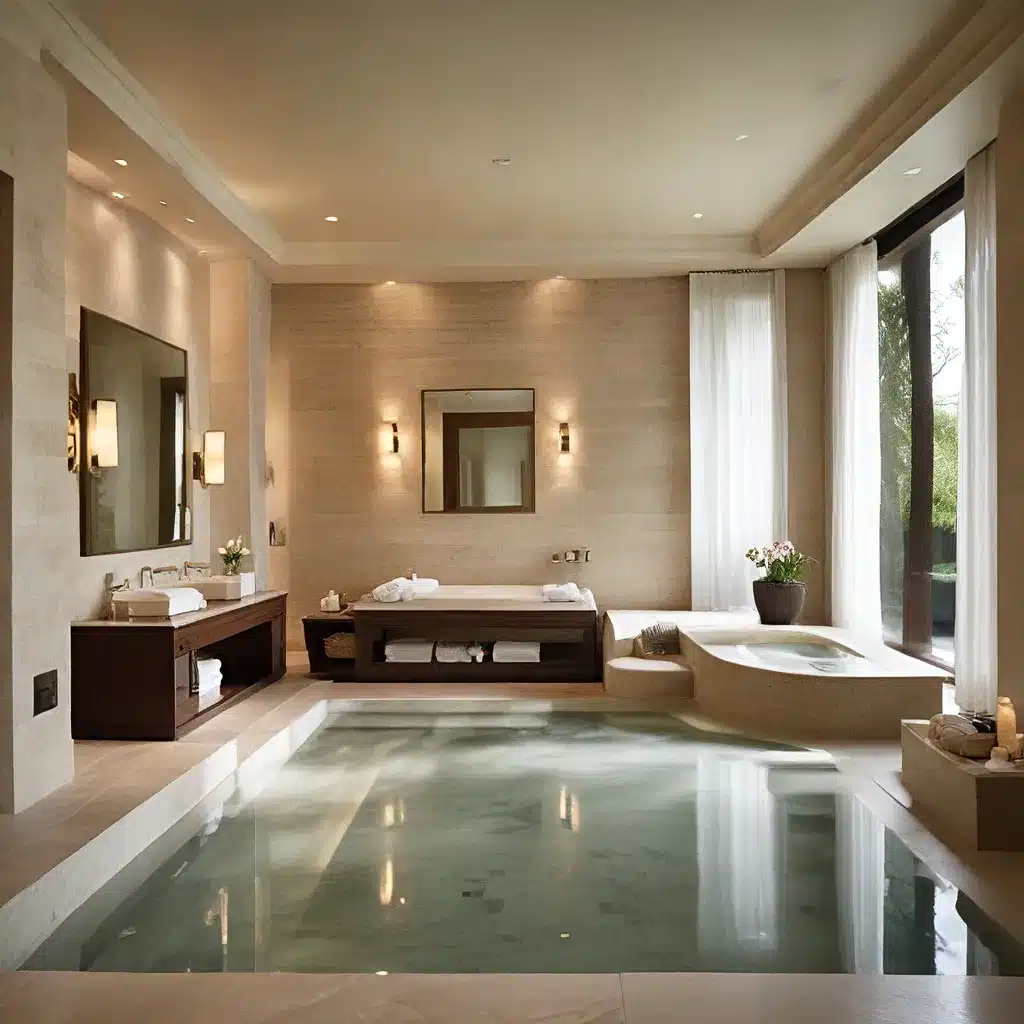
The Evolution of Bathroom Design in British Homes
The bathroom has undergone a remarkable transformation in British homes over the past century. From basic functional spaces to luxurious retreats, the evolution reflects changing lifestyles, technological advancements, and design preferences. Today’s homeowners seek bathrooms that combine the charm of traditional British architecture with modern comforts and aesthetics.
In the early 20th century, bathrooms were often small, utilitarian rooms with basic fixtures. The focus was primarily on hygiene and functionality, with little attention paid to style or comfort. As indoor plumbing became more widespread, bathrooms began to incorporate more features, such as built-in bathtubs and pedestal sinks.
The post-war period saw a shift towards more colourful and expressive bathroom designs. Bold tile patterns, pastel fixtures, and creative layouts became popular as homeowners sought to make a statement with their bathrooms. This era also saw the introduction of new materials and technologies, such as acrylic baths and electric showers, which offered greater flexibility in design and function.
Harmonising Classic and Contemporary Elements
The Appeal of Timeless Design
Timeless bathroom design combines elements that have endured through various style periods with contemporary features that meet modern needs. This approach creates spaces that feel both familiar and fresh, avoiding the pitfalls of short-lived trends while embracing innovation.
Incorporating classic design elements pays homage to the architectural heritage of many UK homes, particularly those built in the Victorian, Edwardian, or Georgian eras. These period features can include:
- Claw-foot bathtubs
- Pedestal sinks
- Subway tiles
- Brass or copper fixtures
- Ornate mirrors
Contemporary elements, on the other hand, bring functionality, energy efficiency, and a clean aesthetic to the bathroom. These may include:
- Walk-in showers with frameless glass
- Wall-hung toilets
- LED lighting
- Underfloor heating
- Smart technology integration
Balancing Act: Mixing Old and New
The key to successfully blending classic and contemporary styles lies in finding the right balance. This can be achieved through careful selection of materials, colours, and fixtures that complement each other while creating visual interest.
One effective approach is to use a neutral colour palette as a base, which allows both traditional and modern elements to shine without competing for attention. For example, a bathroom might feature classic white subway tiles on the walls, paired with sleek, modern fixtures in matte black or brushed nickel.
Another strategy is to focus on one or two statement pieces that embody either the classic or contemporary style, while keeping the rest of the design more subdued. A freestanding copper bathtub, for instance, can serve as a stunning focal point in an otherwise minimalist space.
Key Design Considerations for UK Bathrooms
Space Optimisation
Many UK homes, particularly in urban areas, have limited bathroom space. Efficient space planning is crucial to create a functional and aesthetically pleasing bathroom that incorporates both classic and contemporary elements.
Consider the following space-saving techniques:
-
Wall-mounted fixtures: Toilets and vanities that are mounted to the wall create the illusion of more floor space and make cleaning easier.
-
Corner installations: Utilising corner spaces for sinks or showers can maximise floor area in compact bathrooms.
-
Multifunctional elements: Combining storage with fixtures, such as vanity units with built-in storage or shower niches, helps reduce clutter.
-
Sliding doors: Opting for sliding shower doors or pocket doors for the bathroom entrance can save valuable space compared to traditional swing doors.
Lighting Design
Proper lighting is essential in creating a bathroom that successfully blends classic and contemporary styles. A well-thought-out lighting scheme can enhance the ambiance, highlight key features, and improve functionality.
Consider layering different types of lighting:
-
Ambient lighting: Provides overall illumination and can be achieved through ceiling-mounted fixtures or recessed lights.
-
Task lighting: Focused lighting around mirrors and vanity areas for grooming tasks.
-
Accent lighting: Used to highlight architectural features or decorative elements, such as wall sconces flanking a mirror.
-
Natural light: Where possible, maximise natural light through windows or skylights to create a bright, inviting space.
Material Selection
Choosing the right materials is crucial in achieving a harmonious blend of classic and contemporary styles. Here’s a comparison of some popular materials for bathroom surfaces:
| Material | Classic Appeal | Contemporary Appeal | Durability | Maintenance |
|---|---|---|---|---|
| Marble | High | Moderate | Moderate | High |
| Porcelain | High | High | High | Low |
| Glass | Moderate | High | Moderate | Moderate |
| Wood | High | Moderate | Low-Moderate | High |
| Concrete | Low | High | High | Moderate |
When selecting materials, consider not only their aesthetic appeal but also their practicality in terms of durability, maintenance, and compliance with UK building regulations.
Regulatory Compliance and Best Practices
Building Regulations for Bathrooms
All bathroom renovations in the UK must comply with the Building Regulations 2010 and subsequent amendments. These regulations ensure that bathrooms are safe, energy-efficient, and accessible. Key areas of compliance include:
-
Ventilation: Bathrooms must have adequate ventilation to prevent moisture buildup and mould growth. This can be achieved through openable windows or mechanical extraction fans.
-
Electrical safety: All electrical installations must comply with Part P of the Building Regulations. This includes proper zoning of electrical fixtures and the use of appropriate IP-rated fittings.
-
Water efficiency: New fittings must meet water efficiency standards to reduce water consumption. This includes using dual-flush toilets and flow-restricted taps and showerheads.
-
Structural integrity: Any alterations to the building structure, such as removing walls or installing new windows, must be approved by a building control officer.
-
Accessibility: Consider future-proofing the bathroom by incorporating accessible design features, such as level-access showers and grab rails.
Energy Efficiency Considerations
Incorporating energy-efficient features not only reduces utility costs but also aligns with the UK’s commitment to reducing carbon emissions. Consider the following energy-saving measures:
-
Insulation: Properly insulating walls, floors, and pipes can reduce heat loss and improve overall energy efficiency.
-
Water heating: Install an energy-efficient boiler or consider alternative heating methods such as heat pumps or solar thermal systems.
-
Low-flow fixtures: Choose water-saving taps, showerheads, and toilets to reduce water consumption without compromising performance.
-
LED lighting: Replace traditional bulbs with LED alternatives, which use significantly less energy and have a longer lifespan.
-
Smart controls: Implement smart thermostats and timers to optimise heating and ventilation based on usage patterns.
Sustainable Material Choices
Sustainability is increasingly important in bathroom design. When selecting materials, consider their environmental impact, durability, and recyclability. Some sustainable options include:
- Recycled glass tiles
- Reclaimed wood for vanities or shelving
- Low-VOC paints and sealants
- Bamboo flooring
- Locally-sourced natural stone
By choosing sustainable materials, you not only reduce the environmental impact of your bathroom renovation but also create a healthier living space.
Cost Considerations and Budgeting
Estimating Project Costs
The cost of a bathroom renovation in the UK can vary widely depending on the scope of work, materials chosen, and labour costs. As of September 2024, here’s a general breakdown of potential costs for a mid-range bathroom renovation:
| Item | Estimated Cost (GBP) |
|---|---|
| Labour | 3,000 – 5,000 |
| Fixtures and fittings | 2,000 – 4,000 |
| Tiling | 1,000 – 2,500 |
| Plumbing | 1,500 – 3,000 |
| Electrical work | 500 – 1,500 |
| Flooring | 500 – 1,500 |
| Paint and finishing | 300 – 800 |
| Total | 8,800 – 18,300 |
These figures are estimates and can vary based on factors such as location, complexity of the project, and quality of materials chosen. It’s advisable to obtain multiple quotes from reputable contractors and allow for a contingency of 10-20% of the total budget for unexpected costs.
Cost-Saving Strategies
While creating a luxurious spa-like bathroom that blends classic and contemporary styles can be costly, there are several strategies to manage expenses:
-
Retain existing layout: Keeping plumbing and electrical points in their current locations can significantly reduce labour costs.
-
Mix high-end and budget-friendly materials: Splurge on statement pieces while opting for more affordable options for less prominent elements.
-
Refinish rather than replace: Consider refinishing existing fixtures or tiles if they’re in good condition rather than replacing them entirely.
-
DIY where appropriate: Take on simpler tasks like painting or installing accessories yourself, but leave complex work to professionals.
-
Shop smart: Look for end-of-line sales, ex-display items, or consider purchasing from online marketplaces for discounted fixtures and materials.
-
Phase the renovation: If budget constraints are tight, consider completing the renovation in stages, focusing on essential elements first.
By carefully planning your budget and making informed decisions about where to invest and where to save, you can create a stunning bathroom that combines classic and contemporary elements without breaking the bank.
Design Process and Implementation
Planning and Conceptualisation
The first step in creating a bathroom that successfully blends classic and contemporary styles is thorough planning and conceptualisation. This phase involves:
-
Assessing the existing space: Measure the bathroom accurately and note any structural elements that cannot be changed.
-
Defining your style preferences: Collect inspiration images and create a mood board to visualise your desired aesthetic.
-
Identifying must-have features: List essential elements, such as a bathtub, shower, or double vanity, that need to be incorporated into the design.
-
Considering functionality: Think about how the space will be used daily and plan accordingly.
-
Consulting with professionals: Engage with an interior designer or architect to refine your ideas and ensure they’re feasible within your space and budget.
Selecting Fixtures and Finishes
Choosing the right fixtures and finishes is crucial in achieving a harmonious blend of classic and contemporary styles. Consider the following:
-
Bathtub: A freestanding clawfoot tub can serve as a classic centrepiece, while a sleek, modern soaking tub offers a contemporary alternative.
-
Shower: Frameless glass enclosures provide a modern touch, while brass or nickel hardware can add a classic element.
-
Vanity: Combine a traditional wooden vanity with a modern vessel sink or opt for a wall-mounted unit with classic-inspired hardware.
-
Tiles: Mix classic subway tiles with contemporary large-format tiles or introduce a modern geometric pattern in a neutral colour palette.
-
Lighting: Pair traditional wall sconces with modern recessed lighting or a statement chandelier.
-
Mirrors: Choose an ornate framed mirror for a classic touch or a backlit LED mirror for a contemporary feel.
Implementation and Project Management
Proper project management is essential to ensure your bathroom renovation runs smoothly and stays on budget. Follow these steps:
-
Create a detailed project timeline: Break down the renovation into phases and set realistic deadlines for each.
-
Hire reputable professionals: Choose licensed contractors with experience in bathroom renovations and check their references.
-
Obtain necessary permits: Ensure all required building permits are secured before work begins.
-
Order materials in advance: To avoid delays, order fixtures, tiles, and other materials well ahead of the installation date.
-
Regular communication: Maintain open lines of communication with your contractor and design team throughout the project.
-
Quality control: Regularly inspect the work in progress and address any issues promptly.
-
Final walkthrough: Before making final payments, conduct a thorough inspection to ensure all work meets your expectations and complies with building regulations.
By following these steps and working with experienced professionals, you can transform your bathroom into a beautiful space that seamlessly blends classic and contemporary elements while meeting all regulatory requirements and staying within budget.
Maintenance and Longevity
Caring for Classic Elements
Maintaining the classic elements in your bathroom is crucial for preserving their beauty and ensuring their longevity. Here are some tips for caring for traditional materials and fixtures:
-
Natural stone surfaces: Seal marble or limestone surfaces annually to protect against stains and etching. Clean with pH-neutral cleaners to avoid damaging the stone.
-
Brass or copper fixtures: Use a soft cloth and mild soap to clean. Avoid abrasive cleaners that can damage the finish. Apply a protective wax periodically to maintain the lustre.
-
Clawfoot tubs: For cast iron tubs, avoid using harsh chemicals that can damage the enamel. Instead, clean with a mixture of baking soda and water. Refinish the exterior as needed to prevent rust.
-
Wooden elements: Regularly apply a water-resistant sealant to protect against moisture damage. Wipe up spills immediately to prevent water absorption.
-
Vintage tiles: Clean with a pH-neutral cleaner and avoid using acidic or abrasive products that can damage the glaze or grout.
Maintaining Modern Features
Contemporary elements often require different care techniques to keep them looking their best:
-
Glass shower enclosures: Use a squeegee after each use to prevent water spots and mineral buildup. Clean weekly with a vinegar and water solution or a commercial glass cleaner.
-
Chrome or stainless steel fixtures: Wipe down with a soft, damp cloth after use to prevent water spots. Polish periodically with a microfibre cloth to maintain shine.
-
Acrylic bathtubs: Clean with non-abrasive cleaners to avoid scratching the surface. Avoid using bleach or other harsh chemicals that can damage the material.
-
LED lighting: Dust regularly and replace bulbs as needed. Ensure any smart lighting systems are updated with the latest software for optimal performance.
-
Porcelain tiles: Clean with a pH-neutral cleaner and avoid using acidic or abrasive products that can damage the surface.
Long-term Care and Renovation
To ensure your bathroom remains functional and aesthetically pleasing for years to come:
-
Conduct regular inspections: Check for signs of wear, water damage, or mould growth, especially in areas prone to moisture.
-
Address issues promptly: Fix leaks, replace worn seals, and repair any damage as soon as it’s noticed to prevent more extensive problems.
-
Update as needed: While the goal is to create a timeless design, consider updating small elements like hardware or lighting fixtures every few years to keep the space feeling fresh.
-
Regrouting: Every 10-15 years, consider regrouting tiles to prevent water penetration and maintain a clean appearance.
-
Professional deep cleaning: Schedule a professional deep clean every few years to tackle built-up grime and restore surfaces to their original condition.
By implementing these maintenance practices, you can ensure that your classic-contemporary bathroom remains beautiful and functional for many years, maximising the return on your investment.
Accessorising and Styling
Bridging the Gap with Accessories
Accessories play a crucial role in tying together classic and contemporary elements in your bathroom. They offer an opportunity to add personality and refine the overall aesthetic without making permanent changes. Consider the following:
-
Towels and textiles: Choose high-quality towels and bathmats in colours that complement your design scheme. Mix classic patterns like stripes or damask with solid colours for a balanced look.
-
Storage solutions: Combine vintage-inspired glass jars for cotton balls and swabs with modern floating shelves or a sleek ladder towel rack.
-
Artwork: Hang a mix of classic and contemporary art pieces to reinforce your design theme. Consider waterproof prints or treated canvases to withstand bathroom humidity.
-
Plants: Introduce greenery with a mix of traditional potted plants and modern air plants or terrariums to add life and colour to the space.
-
Bath accessories: Select a cohesive set of soap dispensers, toothbrush holders, and trays that blend both styles. For example, pair a marble soap dish with a sleek stainless steel soap dispenser.
Creating a Spa-like Atmosphere
To enhance the luxurious feel of your bathroom and create a true spa-like retreat:
-
Lighting: Install dimmer switches to adjust the ambiance. Consider adding candles or a Himalayan salt lamp for a soft, relaxing glow.
-
Aromatherapy: Use essential oil diffusers or scented candles to create a calming atmosphere. Choose natural, subtle scents like lavender or eucalyptus.
-
Sound: Install a waterproof Bluetooth speaker to play soothing music or nature sounds.
-
Luxury linens: Invest in plush, high-quality bath towels, robes, and bath mats for a truly indulgent experience.
-
Spa accessories: Add a bamboo bath caddy, a plush bath pillow, or a wooden stool for storing bath items within easy reach.
Seasonal Updates
Keep your bathroom feeling fresh throughout the year with seasonal updates:
-
Spring/Summer: Introduce lighter colours through accessories like hand towels or a shower curtain. Add fresh flowers or tropical plants for a vibrant touch.
-
Autumn/Winter: Swap in warmer tones and textures, such as deep burgundy towels or a plush bath mat. Consider adding a small space heater for extra comfort on chilly mornings.
-
Holiday seasons: Subtly incorporate festive elements through themed hand soaps, scented candles, or small decorative items that don’t overwhelm the space.
By thoughtfully selecting and updating accessories, you can continually refine the balance between classic and contemporary elements in your bathroom, creating a space that remains fresh and inviting year-round.
Technology Integration
Smart Bathroom Features
Incorporating modern technology into a classic-contemporary bathroom design can enhance functionality and luxury without compromising style. Consider these smart features:
-
Digital shower controls: Install a smart shower system that allows precise temperature and flow control, with the option to save preferred settings for multiple users.
-
Heated floors: Implement underfloor heating with smart controls to ensure warm tiles on cold mornings. This technology can be hidden beneath classic tile designs.
-
Smart mirrors: Install mirrors with built-in LED lighting, demisting functionality, and even integrated displays for weather updates or news.
-
Automatic taps: Choose touchless faucets that combine water-saving technology with elegant design, available in both modern and classic styles.
-
Smart toilets: Consider a high-tech toilet with features like automatic flushing, seat warming, and built-in bidet functions, housed in a classically styled unit.
Energy Management Systems
Integrate energy-efficient technologies to reduce consumption and costs:
-
Smart lighting: Install LED bulbs with motion sensors or voice control capabilities, programmable to adjust brightness and colour temperature throughout the day.
-
Water-saving devices: Implement smart water meters to monitor usage and detect leaks, helping to conserve water and prevent damage.
-
Efficient ventilation: Use humidity-sensing extractor fans that automatically adjust their speed based on moisture levels, improving air quality and preventing mould growth.
-
Tankless water heaters: Install an on-demand water heating system to reduce energy consumption while ensuring a constant supply of hot water.
-
Smart home integration: Connect bathroom features to a central smart home system for comprehensive control and monitoring of energy usage.
Balancing Technology and Aesthetics
While integrating modern technology, it’s crucial to maintain the desired classic-contemporary aesthetic:
-
Concealed tech: Hide speakers, wiring, and control panels behind classic-style cabinet doors or within wall cavities to preserve a clean look.
-
Complementary finishes: Choose tech features with finishes that match your overall design scheme, such as brushed nickel or antique brass for a classic touch.
-
Minimalist interfaces: Opt for simple, unobtrusive control panels or touch-sensitive surfaces that blend seamlessly with surrounding materials.
-
Multifunctional elements: Select fixtures that combine multiple functions, such as a mirror with built-in lighting and defogging capabilities, to reduce visual clutter.
-
Customisable lighting: Use smart LED systems that can be programmed to emit warm, soft light for a classic ambiance or cool, bright light for a more contemporary feel.
By thoughtfully integrating these technologies, you can create a bathroom that offers modern convenience and efficiency while maintaining a harmonious blend of classic and contemporary design elements.
Case Studies: Successful Blends in UK Homes
Victorian Terrace Renovation
In a Victorian terrace house in London, homeowners successfully merged classic and contemporary elements to create a stunning bathroom:
Classic features:
– Original cast iron radiator, restored and repainted
– Claw-foot bathtub with brass fixtures
– White subway tiles with dark grout
Contemporary additions:
– Floating vanity with integrated LED lighting
– Frameless glass shower enclosure
– Large-format porcelain floor tiles
The renovation preserved the home’s period character while introducing modern conveniences. The homeowners reported a 15% increase in property value following the renovation, which cost approximately £12,000.
Cotswold Cottage Update
A 17th-century Cotswold cottage bathroom was transformed to blend its rustic charm with contemporary luxury:
Classic elements:
– Exposed stone wall, carefully restored
– Freestanding copper bathtub
– Antique wooden vanity, repurposed from an old dresser
Modern touches:
– Underfloor heating beneath limestone flooring
– Rainfall shower with thermostatic controls
– Smart mirror with integrated lighting and defogging function
The project cost £18,500 and took six weeks to complete. The homeowners noted significant improvements in energy efficiency and daily comfort.
New-Build Townhouse Design
In a new-build townhouse in Manchester, designers created a bathroom that pays homage to classic British style while embracing modern aesthetics:
Classic-inspired features:
– Marble-look porcelain tiles in a herringbone pattern
– Traditional-style sanitaryware with modern water-saving technology
– Brushed brass fixtures and hardware
Contemporary elements:
– Wall-hung toilet and vanity for a sleek, space-saving design
– LED strip lighting for ambient illumination
– Smart shower system with voice control capabilities
The bathroom was part of a larger home design project, with the bathroom alone costing £15,000. The property developers reported increased buyer interest due to the unique blend of styles.
These case studies demonstrate that successfully blending classic and contemporary elements can not only create visually stunning and functional bathrooms but also add significant value to properties across various architectural styles in the UK.
Conclusion: Crafting Your Timeless Spa Retreat
Blending classic and contemporary styles in bathroom design offers a unique opportunity to create a space that is both timeless and cutting-edge. By carefully balancing traditional elements with modern innovations, homeowners can craft bathrooms that respect architectural heritage while meeting the demands of contemporary living.
Key takeaways for successful implementation include:
-
Respect the existing architecture: Work with the inherent character of your home, whether it’s a Victorian terrace or a modern apartment.
-
Focus on quality: Invest in high-quality materials and craftsmanship to ensure longevity and timeless appeal.
-
Balance aesthetics and functionality: Incorporate modern technologies and space-saving solutions without compromising on style.
-
Consider sustainability: Choose eco-friendly materials and energy-efficient fixtures to create a bathroom that’s both beautiful and environmentally responsible.
-
Plan for the future: Design with adaptability in mind, allowing for easy updates as trends and technologies evolve.
-
Seek professional guidance: Consult with experienced designers and tradespeople to navigate complex renovations and ensure compliance with UK building regulations.
By following these principles and drawing inspiration from successful projects across the UK, you can create a bathroom that seamlessly blends classic charm with contemporary comfort. The result will be a personal spa retreat that not only enhances your daily life but also adds lasting value to your home.
For more information on bathroom fitting services and expert advice on blending classic and contemporary styles, visit https://abc-home.co.uk/bathroom-fitting/. With careful planning, thoughtful design, and quality execution, your dream bathroom is within reach.


