
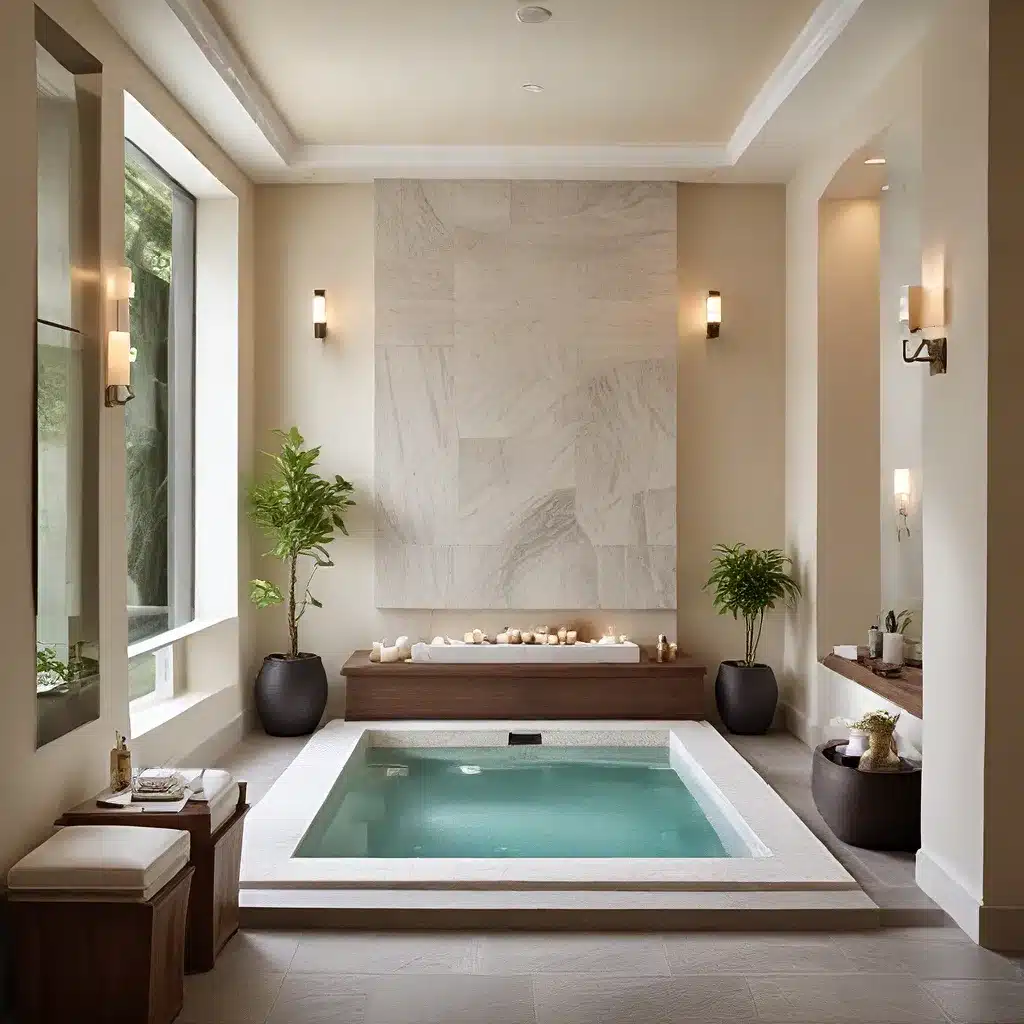
Introduction to Spa-Inspired Design in UK Homes
The concept of creating spa-inspired spaces within residential properties has gained significant traction in the UK housing market. Homeowners and property developers alike are recognising the value of incorporating tranquil, wellness-focused elements into bathrooms and other living areas. This trend reflects a growing desire for homes that offer a retreat from the stresses of modern life, combining functional necessities with luxurious touches that promote relaxation and well-being.
In Aberdeen and across the UK, the fusion of classic and contemporary design elements in spa-inspired spaces has become increasingly popular. This approach allows for the creation of timeless environments that balance traditional comfort with modern efficiency. By blending these styles, homeowners can achieve a look that is both enduring and fresh, capable of withstanding changing trends while still feeling current and inviting.
The implementation of spa-inspired design in UK homes goes beyond mere aesthetics. It involves careful consideration of materials, lighting, layout, and amenities that contribute to a sense of calm and rejuvenation. From water-efficient fixtures to ambient lighting systems, every aspect of these spaces is designed to enhance the user’s experience and promote a feeling of escape within the comfort of one’s own home.
Understanding UK Building Regulations for Bathroom Renovations
When undertaking a spa-inspired renovation in the UK, particularly in bathrooms, it is essential to adhere to current building regulations. These regulations are designed to ensure safety, accessibility, and energy efficiency in all residential construction and renovation projects. As of September 2024, several key regulations apply specifically to bathroom renovations:
-
Waterproofing and Drainage: All bathroom installations must comply with Part H of the Building Regulations, which covers drainage and waste disposal. This includes ensuring proper waterproofing of floors and walls in wet areas and installing adequate drainage systems to prevent water damage and leaks.
-
Electrical Safety: Bathrooms are considered special locations under Part P of the Building Regulations due to the increased risk associated with water and electricity. All electrical work must be carried out by a qualified electrician, and specific zones within the bathroom have restrictions on the type of electrical fittings that can be installed.
-
Ventilation: Part F of the Building Regulations mandates adequate ventilation in bathrooms to prevent the build-up of moisture and reduce the risk of mould growth. This typically involves the installation of an extractor fan with a specific extraction rate based on the room’s size.
Compliance with these regulations is not optional; it is a legal requirement for all renovation projects in the UK. Failure to adhere to these standards can result in fines, mandatory alterations, and potential safety hazards. It is advisable to consult with a qualified building inspector or architect to ensure all aspects of your spa-inspired renovation meet current regulatory standards.
Incorporating Energy Efficiency in Spa-Style Bathrooms
Energy efficiency is a crucial consideration in any modern renovation project, particularly in the creation of spa-inspired bathrooms. The UK government has set ambitious targets for reducing carbon emissions, and residential properties play a significant role in achieving these goals. As of September 2024, several energy-efficient technologies and practices are recommended for spa-style bathroom renovations:
-
Water-Efficient Fixtures: Installing low-flow showerheads, taps, and dual-flush toilets can significantly reduce water consumption without compromising the spa experience. These fixtures are designed to maintain water pressure while using less water, resulting in lower utility bills and reduced environmental impact.
-
LED Lighting: Incorporating LED lighting into your spa-inspired bathroom not only creates the desired ambiance but also contribuves to energy savings. LED bulbs use up to 75% less energy than traditional incandescent bulbs and have a much longer lifespan, reducing replacement costs over time.
-
Heated Towel Rails: While heated towel rails add a touch of luxury to a spa-inspired bathroom, they can be energy-intensive if not chosen carefully. Opt for models with programmable timers or those that can be connected to your home’s central heating system for more efficient operation.
Here’s a comparison of energy-efficient options for common bathroom fixtures:
| Fixture Type | Standard Option | Energy-Efficient Option | Potential Annual Savings (GBP) |
|---|---|---|---|
| Showerhead | 12 L/min flow | 6 L/min low-flow | £30 – £50 |
| Toilet | Single flush | Dual flush (3/6L) | £20 – £35 |
| Lighting | Halogen bulbs | LED bulbs | £15 – £25 per bulb |
| Towel Rail | Continuous on | Timed/Smart control | £40 – £60 |
By incorporating these energy-efficient elements into your spa-inspired bathroom design, you can create a space that is not only luxurious and relaxing but also environmentally responsible and cost-effective in the long term.
Selecting Materials for a Timeless Spa Aesthetic
The choice of materials plays a crucial role in achieving a timeless spa aesthetic that blends classic and contemporary styles. When selecting materials for your spa-inspired bathroom renovation, consider options that offer durability, ease of maintenance, and a timeless appeal. Here are some popular choices that meet these criteria:
-
Natural Stone: Materials like marble, granite, and limestone have been used in bathrooms for centuries and continue to be popular choices for their elegance and durability. While these materials can be more expensive upfront, their longevity and timeless appeal make them a worthwhile investment for many homeowners.
-
Porcelain Tiles: High-quality porcelain tiles offer the look of natural stone with added benefits such as lower cost, easier maintenance, and better water resistance. Many porcelain tiles now come in large format sizes, which can create a seamless, spa-like appearance with fewer grout lines.
-
Solid Surface Materials: Man-made solid surface materials, such as Corian or Silestone, provide a sleek, contemporary look while offering excellent durability and ease of maintenance. These materials can be moulded into various shapes, allowing for seamless integration of sinks and countertops.
-
Sustainable Wood: For a touch of warmth and natural beauty, consider incorporating sustainable wood elements into your spa-inspired bathroom. Teak and cedar are popular choices due to their natural water resistance and durability in humid environments.
When selecting materials, it’s important to consider not only their aesthetic appeal but also their practical properties. Here’s a comparison of common bathroom materials:
| Material | Durability | Maintenance | Cost (GBP/m²) | Water Resistance |
|---|---|---|---|---|
| Marble | High | High | £80 – £200 | Moderate |
| Porcelain | Very High | Low | £20 – £100 | Excellent |
| Solid Surface | High | Low | £150 – £300 | Excellent |
| Teak Wood | High | Moderate | £100 – £250 | Good |
By carefully selecting a combination of these materials, you can create a bathroom that not only captures the essence of a luxury spa but also stands the test of time in terms of both style and functionality.
Lighting Design for a Spa-Like Atmosphere
Lighting plays a crucial role in creating the right atmosphere for a spa-inspired bathroom. The goal is to achieve a balance between functional lighting for tasks and ambient lighting for relaxation. Here are some key considerations for lighting design in a spa-like bathroom:
-
Layered Lighting: Incorporate multiple light sources at different levels to create depth and flexibility in your lighting scheme. This typically includes ambient lighting for overall illumination, task lighting for specific areas like mirrors, and accent lighting to highlight architectural features or decor elements.
-
Dimmable Fixtures: Install dimmable lights to allow for adjustable light levels throughout the day. This feature is particularly important for creating a relaxing atmosphere during evening baths or other spa-like activities.
-
Colour Temperature: Choose light bulbs with a warm colour temperature (2700K to 3000K) to create a soothing, inviting atmosphere. Cool white lights can feel clinical and detract from the spa-like ambiance.
-
Natural Light: Maximise natural light where possible, as it can significantly enhance the sense of space and well-being in a bathroom. Consider installing frosted windows or skylights to maintain privacy while allowing natural light to filter in.
-
Waterproof Fittings: Ensure all light fittings in wet areas are appropriately rated for bathroom use (IP44 or higher) to comply with UK electrical safety regulations.
When planning your lighting design, consider the following options and their typical costs:
| Lighting Type | Purpose | Average Cost (GBP) |
|---|---|---|
| Recessed LED Downlights | Ambient lighting | £20 – £50 per fitting |
| LED Mirror Lights | Task lighting | £100 – £300 |
| LED Strip Lights | Accent lighting | £20 – £50 per metre |
| Pendant Lights | Feature lighting | £50 – £200 per fitting |
| Smart Lighting System | Control and automation | £200 – £500 for basic setup |
By carefully planning your lighting design, you can create a versatile and inviting spa-like atmosphere that enhances both the functionality and aesthetics of your bathroom.
Implementing Water Features for Relaxation
Water features are a quintessential element of spa-inspired bathrooms, adding both visual and auditory elements that contribute to a sense of relaxation and tranquility. When incorporating water features into your bathroom design, it’s important to consider both aesthetic appeal and practical considerations such as water usage and maintenance. Here are some popular water feature options for spa-inspired bathrooms:
-
Rainfall Showerheads: These large, overhead showerheads simulate the experience of standing in gentle rain, providing a luxurious and immersive shower experience. They can be installed as part of a walk-in shower or over a bathtub.
-
Wall-Mounted Water Fountains: Small, wall-mounted fountains can add a soothing sound of flowing water without taking up floor space. These can be particularly effective in creating a focal point and masking ambient noise.
-
Freestanding Water Features: For larger bathrooms, a freestanding water feature such as a small fountain or water wall can serve as a stunning centrepiece while providing the relaxing sound of flowing water.
-
Hydrotherapy Tubs: While more substantial in terms of installation and cost, hydrotherapy tubs offer the ultimate spa experience at home, combining the benefits of warm water immersion with massaging jets.
When selecting a water feature, consider the following factors:
| Feature Type | Water Usage | Maintenance Level | Average Cost (GBP) |
|---|---|---|---|
| Rainfall Showerhead | Moderate | Low | £100 – £500 |
| Wall Fountain | Low | Moderate | £200 – £1,000 |
| Freestanding Feature | Low to Moderate | High | £500 – £2,000 |
| Hydrotherapy Tub | High | High | £3,000 – £10,000+ |
It’s important to note that the installation of water features may require additional plumbing work and waterproofing measures. Always consult with a qualified plumber to ensure proper installation and compliance with UK building regulations.
Ventilation Solutions for Spa-Inspired Bathrooms
Proper ventilation is crucial in any bathroom, but it becomes even more important in spa-inspired spaces where humidity levels can be higher due to features like steam showers or large soaking tubs. Effective ventilation not only prevents mould growth and water damage but also contributes to a fresh and inviting atmosphere. Here are some ventilation solutions to consider for your spa-inspired bathroom:
-
Extractor Fans: As per UK building regulations, bathrooms must have adequate ventilation, typically in the form of an extractor fan. For spa-inspired bathrooms, consider a high-quality, quiet extractor fan with humidity sensors that automatically adjust the fan speed based on moisture levels.
-
Heat Recovery Ventilation (HRV) Systems: These systems provide continuous ventilation while recovering heat from the extracted air, improving energy efficiency. While more expensive to install, HRV systems can significantly reduce heating costs over time.
-
Natural Ventilation: Where possible, incorporate natural ventilation through openable windows or skylights. This can provide fresh air and natural light, enhancing the spa-like atmosphere.
-
Dehumidifiers: In addition to extractor fans, a dehumidifier can help maintain optimal humidity levels, particularly in bathrooms with limited natural ventilation.
When selecting ventilation solutions, consider the following options and their typical specifications:
| Ventilation Type | Air Flow Rate | Noise Level | Energy Efficiency | Average Cost (GBP) |
|---|---|---|---|---|
| Standard Extractor Fan | 15-30 L/s | 25-40 dB | Low | £50 – £150 |
| Humidity-Sensing Fan | 15-30 L/s | 20-35 dB | Moderate | £100 – £250 |
| HRV System | 30-60 L/s | 20-30 dB | High | £1,000 – £3,000 |
| Dehumidifier | N/A | 35-50 dB | Moderate | £100 – £300 |
It’s important to note that the required air flow rate for bathroom ventilation in the UK is typically calculated based on the room’s volume. As a general rule, the ventilation system should be capable of changing the air in the bathroom at least 6-8 times per hour.
When planning your ventilation strategy, consult with a qualified HVAC professional to ensure your system meets UK building regulations and provides optimal performance for your spa-inspired bathroom.
Flooring Options for Spa-Like Comfort and Safety
Selecting the right flooring for a spa-inspired bathroom is crucial for both aesthetic appeal and practical considerations such as safety and comfort. The ideal flooring should be water-resistant, slip-resistant, and comfortable underfoot while contributing to the overall spa-like atmosphere. Here are some popular flooring options for spa-inspired bathrooms in the UK:
-
Large Format Porcelain Tiles: These tiles offer a sleek, contemporary look and are available in a wide range of designs, including those that mimic natural stone. They are highly durable, water-resistant, and easy to clean. Opt for textured or matte finishes to enhance slip resistance.
-
Natural Stone: Materials like marble, limestone, or slate can create a luxurious, organic feel. However, they require proper sealing and regular maintenance to prevent water damage and staining. Choose honed or textured finishes for better slip resistance.
-
Luxury Vinyl Tiles (LVT): These offer a cost-effective alternative to natural materials while providing excellent water resistance and durability. Modern LVT can convincingly mimic the look of wood or stone while offering superior slip resistance and comfort underfoot.
-
Micro-cement: This seamless flooring option is becoming increasingly popular for its modern, minimalist aesthetic. It’s highly water-resistant and can be applied over existing tiles, making it a good option for renovations.
-
Bamboo: For a touch of natural warmth, bamboo flooring can be a sustainable and water-resistant option when properly treated and installed.
When selecting flooring, consider the following comparison:
| Flooring Type | Water Resistance | Slip Resistance | Durability | Average Cost (GBP/m²) |
|---|---|---|---|---|
| Porcelain Tiles | Excellent | Good to Excellent | High | £30 – £100 |
| Natural Stone | Good (with sealing) | Moderate to Good | High | £50 – £200 |
| Luxury Vinyl Tiles | Excellent | Excellent | Moderate to High | £20 – £50 |
| Micro-cement | Excellent | Good | High | £80 – £150 |
| Bamboo | Good (with proper treatment) | Moderate | Moderate | £40 – £80 |
In addition to the flooring material, consider installing underfloor heating for added comfort and luxury. This can be particularly effective with tile or stone flooring, which can otherwise feel cold underfoot.
When installing any flooring in a bathroom, it’s crucial to ensure proper waterproofing and, where applicable, adequate expansion gaps to accommodate moisture-related movement. Always follow manufacturer guidelines and consult with a professional installer to ensure your chosen flooring meets UK building regulations and safety standards.
Creating a Spa-Like Colour Palette
The colour scheme of your spa-inspired bathroom plays a significant role in creating a calm and relaxing atmosphere. When selecting colours for your space, it’s important to choose hues that promote tranquility while also complementing the overall design aesthetic. Here are some tips for creating a spa-like colour palette:
-
Neutral Base: Start with a neutral base colour for walls and large surfaces. Soft whites, warm beiges, and light greys create a serene backdrop that can be easily accented with other colours.
-
Nature-Inspired Hues: Incorporate colours found in nature to enhance the spa-like feel. Soft blues reminiscent of water, gentle greens that evoke foliage, and warm earth tones can all contribute to a calming atmosphere.
-
Tonal Variations: Use different shades and tones of the same colour to add depth and interest without overwhelming the space. This approach can create a cohesive look while avoiding monotony.
-
Accent Colours: Introduce small pops of colour through accessories or feature tiles to add visual interest. These accents should complement the overall palette without disrupting the calm atmosphere.
-
Metallic Elements: Incorporate subtle metallic accents in fixtures or accessories to add a touch of luxury. Brushed nickel, chrome, or brass can work well in spa-inspired spaces.
Here’s a suggested colour palette for a spa-inspired bathroom:
| Colour Element | Suggested Colours | RGB Values |
|---|---|---|
| Main Wall Colour | Soft White | RGB(245, 245, 245) |
| Secondary Wall Colour | Light Sage Green | RGB(203, 217, 198) |
| Floor Tile | Warm Grey | RGB(180, 180, 170) |
| Accent Colour 1 | Pale Blue | RGB(176, 204, 216) |
| Accent Colour 2 | Warm Taupe | RGB(179, 164, 154) |
| Metallic Accents | Brushed Nickel | N/A |
When applying your chosen colour scheme, consider the following tips:
- Use lighter colours on walls and ceilings to create a sense of space and airiness.
- Apply darker or more saturated colours in small doses, such as on a feature wall or through accessories.
- Consider the natural light in your bathroom and how it might affect the appearance of your chosen colours throughout the day.
- Test paint samples on your walls before committing to a colour, as lighting can significantly impact how a colour appears in your space.
Remember that the goal is to create a cohesive, calming environment that promotes relaxation. Avoid using too many contrasting colours or overly bold hues that might detract from the spa-like atmosphere you’re aiming to achieve.
Storage Solutions for a Clutter-Free Spa Bathroom
Effective storage is essential in creating a serene, spa-like atmosphere in your bathroom. Clutter can detract from the calm environment you’re aiming to achieve, so incorporating smart storage solutions is crucial. Here are some ideas for keeping your spa-inspired bathroom organised and clutter-free:
-
Built-in Cabinetry: Custom-built cabinets can maximise storage while maintaining a sleek, integrated look. Consider floor-to-ceiling cabinets for ample storage or floating vanities to create a sense of space.
-
Recessed Shelving: Utilise wall space by incorporating recessed shelves. These can be particularly effective in shower areas for storing toiletries without protruding into the space.
-
Hidden Storage: Incorporate hidden storage elements such as medicine cabinets behind mirrors or pull-out drawers within vanity units to keep everyday items out of sight but easily accessible.
-
Open Shelving: For a more open feel, consider installing some open shelving. This can be used to display neatly folded towels, plants, or decorative items that contribute to the spa atmosphere.
-
Freestanding Furniture: In larger bathrooms, consider adding freestanding pieces like a linen cabinet or a stylish ladder shelf for additional storage and visual interest.
-
Niche Storage: Create built-in niches in shower walls or bath surrounds for soap and shampoo storage, keeping these items off surfaces and out of sight.
Here’s a comparison of different storage options:
| Storage Type | Space Efficiency | Visual Impact | Average Cost (GBP) |
|---|---|---|---|
| Built-in Cabinetry | High | Low | £500 – £2,000+ |
| Recessed Shelving | Moderate | Low | £200 – £500 per shelf |
| Medicine Cabinet | High | Low | £100 – £500 |
| Open Shelving | Moderate | Moderate to High | £50 – £200 per shelf |
| Freestanding Cabinet | Moderate | High | £200 – £1,000 |
| Shower Niche | Low | Low | £150 – £400 per niche |
When planning your storage solutions, consider the following tips:
- Opt for moisture-resistant materials and finishes to ensure longevity in the humid bathroom environment.
- Choose storage solutions that complement your overall design aesthetic, whether that’s sleek and modern or warm and traditional.
- Incorporate drawer organisers and small containers within your storage to keep items neatly arranged and easily accessible.
- Consider the items you use daily and ensure they have a designated, easily reachable storage space.
- Use vertical space effectively, especially in smaller bathrooms, to maximise storage without cluttering floor space.
By carefully planning and implementing these storage solutions, you can maintain a clean, uncluttered look that enhances the spa-like atmosphere of your bathroom while ensuring all necessary items are neatly stored and easily accessible.
Incorporating Wellness Technology in Spa-Inspired Bathrooms
As technology continues to advance, there are increasingly sophisticated ways to enhance the spa experience in your home bathroom. Incorporating wellness technology can elevate your spa-inspired space, providing additional comfort, convenience, and therapeutic benefits. Here are some innovative technologies to consider:
-
Smart Showers: Programmable shower systems allow you to set preferred water temperature, pressure, and spray patterns. Some models even offer chromotherapy lighting and built-in speakers for a multi-sensory experience.
-
Heated Flooring: Underfloor heating not only provides comfort but can also help to reduce moisture and mould growth. Smart systems allow for programmable heating schedules and zone control.
-
LED Mirrors: Mirrors with built-in LED lighting can provide optimal illumination for grooming tasks while also contributing to the overall ambiance. Some models include anti-fog technology and Bluetooth speakers.
-
Aromatherapy Diffusers: Built-in or smart plug-in diffusers can dispense essential oils to enhance relaxation and create a true spa-like atmosphere.
-
Smart Toilets: High-tech toilets can offer features like heated seats, built-in bidets, automatic flushing, and even health monitoring capabilities.
-
Chromotherapy Lighting: LED lighting systems that can change colour can be incorporated into showers, baths, or general room lighting to promote relaxation and wellbeing.
Here’s a comparison of some wellness technology options:
| Technology | Features | Energy Efficiency | Average Cost (GBP) |
|---|---|---|---|
| Smart Shower System | Temperature control, multiple spray patterns | Moderate to High | £1,000 – £5,000 |
| Underfloor Heating | Programmable, zoned heating | High | £75 – £150 per m² |
| LED Smart Mirror | Anti-fog, Bluetooth audio, adjustable lighting | High | £300 – £1,000 |
| Smart Aromatherapy Diffuser | Programmable, app-controlled | High | £50 – £200 |
| Smart Toilet | Heated seat, bidet function, auto-flush | Moderate | £1,500 – £5,000+ |
| Chromotherapy System | Colour-changing LED, programmable | High | £200 – £1,000 |
When incorporating wellness technology, consider the following:
- Ensure all electrical installations comply with UK regulations for bathrooms, particularly regarding IP ratings and zoning.
- Consider the long-term energy efficiency of the devices to balance initial costs with ongoing operating expenses.
- Choose technologies that integrate well with your existing home systems for seamless control and operation.
- Prioritise technologies that offer genuine benefits to your daily routine and wellbeing, rather than simply adding gadgets for the sake of it.
- Consult with a specialist installer to ensure proper integration and functionality of smart systems.
By thoughtfully incorporating these technologies, you can create a truly luxurious and personalised spa experience in your own home. Remember to balance technology with the overall tranquil atmosphere you’re aiming to achieve in your spa-inspired bathroom.
For professional advice on incorporating these elements into your bathroom renovation, consider consulting with experts like those at ABC Home, who specialise in creating bespoke bathroom solutions.
Sustainable Practices in Spa Bathroom Design
Sustainability is an increasingly important consideration in home renovations, and spa-inspired bathrooms are no exception. Incorporating eco-friendly practices and materials not only reduces environmental impact but can also lead to long-term cost savings and a healthier living environment. Here are some sustainable approaches to consider when designing your spa-inspired bathroom:
-
Water Conservation: Install water-efficient fixtures such as low-flow showerheads, dual-flush toilets, and aerated taps. These can significantly reduce water consumption without compromising the spa experience.
-
Energy-Efficient Lighting: Use LED lighting throughout the bathroom. Consider installing motion sensors or timers to prevent lights from being left on unnecessarily.
-
Sustainable Materials: Choose materials with low environmental impact, such as recycled glass tiles, sustainably sourced wood, or reclaimed materials where possible.
-
Low-VOC Finishes: Opt for paints, sealants, and adhesives with low volatile organic compound (VOC) content to improve indoor air quality.
-
Natural Ventilation: Maximise natural ventilation where possible to reduce reliance on electric fans and improve air quality.
-
Greywater Systems: Consider installing a greywater recycling system to reuse water from sinks and showers for toilet flushing or garden irrigation.
-
Energy-Efficient Heating: Choose energy-efficient heating options such as heat pumps or solar water heating systems for hot water supply.
Here’s a comparison of sustainable options for common bathroom elements:
| Element | Standard Option | Sustainable Option | Potential Annual Savings (GBP) |
|---|---|---|---|
| Toilet | 6L flush | 4/2.6L dual flush | £30 – £50 |
| Showerhead | 12L/min flow | 6L/min eco showerhead | £70 – £100 |
| Lighting | Halogen spots | LED spots | £20 – £40 per bulb |
| Paint | Standard paint | Low-VOC paint | N/A (Health benefit) |
| Flooring | Virgin materials | Recycled content tiles | N/A (Environmental benefit) |
| Water Heating | Standard boiler | Heat pump system | £300 – £500 |
When implementing sustainable practices, consider the following:
- Look for products with recognised environmental certifications such as FSC for wood products or Energy Star for appliances.
- Calculate the long-term savings of energy-efficient options to justify higher upfront costs.
- Consider the whole lifecycle of materials, including their durability and potential for future recycling.
- Ensure that sustainable choices don’t compromise the overall spa-like atmosphere you’re aiming to create.
- Consult with a sustainability expert or green building professional to identify the most effective eco-friendly solutions for your specific project.
By incorporating these sustainable practices, you can create a spa-inspired bathroom that not only provides a luxurious and relaxing experience but also aligns with environmental responsibility. This approach can lead to a bathroom that is both indulgent and conscientious, reflecting a commitment to personal wellbeing and ecological sustainability.
Maintenance and Cleaning for Spa-Like Bathrooms
Maintaining the pristine condition of your spa-inspired bathroom is crucial for preserving its luxurious feel and ensuring longevity. Regular cleaning and maintenance not only keep your bathroom looking its best but also prevent issues like mould growth and water damage. Here are some tips for keeping your spa-like bathroom in top condition:
- Daily Maintenance:
- Wipe down surfaces after use to prevent water spots and soap scum build-up.
- Use a squeegee on glass shower doors to prevent water marks.
-
Ensure good ventilation by running the extractor fan or opening windows after showers or baths.
-
Weekly Cleaning:
- Clean all surfaces thoroughly with appropriate cleaners for each material.
- Pay special attention to grout lines and corners where mould can develop.
- Clean and disinfect taps, showerheads, and other fixtures.
-
Wash bath mats and towels.
-
Monthly Tasks:
- Deep clean tiles and grout using a suitable cleaner and brush.
- Check and clean the extractor fan.
- Descale showerheads and taps to maintain water flow.
-
Inspect seals around baths, showers, and sinks for any signs of wear or mould.
-
Quarterly Maintenance:
- Reseal grout lines if necessary to prevent water penetration.
- Check and replace shower curtains or liners if needed.
-
Clean out drains to prevent blockages.
-
Annual Checks:
- Inspect plumbing for any leaks or issues.
- Re-seal natural stone surfaces if used.
- Consider professional deep cleaning for hard-to-reach areas or stubborn stains.
Here’s a comparison of cleaning products suitable for different bathroom surfaces:
| Surface Type | Recommended Cleaner | Average Cost (GBP) | Frequency of Use |
|---|---|---|---|
| Ceramic Tiles | pH-neutral tile cleaner | £5 – £10 | Weekly |
| Natural Stone | Stone-specific cleaner | £10 – £20 | Weekly |
| Glass | White vinegar solution or glass cleaner | £2 – £5 | Daily/Weekly |
| Chrome Fixtures | Mild soap and water | £1 – £3 | Weekly |
| Grout | Baking soda paste or specialised grout cleaner | £5 – £15 | Monthly |
When maintaining your spa-inspired bathroom, keep these tips in mind:
- Always use cleaners appropriate for the specific materials in your bathroom to avoid damage.
- Avoid abrasive cleaning tools on delicate surfaces like natural stone or high-gloss finishes.
- Address any signs of mould or mildew immediately to prevent spread and potential health issues.
- Consider using eco-friendly cleaning products to maintain a healthy indoor environment.
- Establish a regular cleaning routine to make maintenance more manageable and prevent the build-up of grime and scale.
By following a consistent maintenance routine and addressing issues promptly, you can ensure that your spa-inspired bathroom remains a luxurious and inviting space for years to come. Regular care not only preserves the aesthetic appeal of your bathroom but also protects your investment by extending the life of fixtures and finishes.
Conclusion: Creating Your Perfect Spa Retreat
Designing a spa-inspired bathroom that blends classic and contemporary styles is an investment in both your home’s value and your personal wellbeing. By carefully considering elements such as lighting, materials, colour schemes, and technology, you can create a space that offers a daily retreat from the stresses of modern life.
Remember to balance aesthetic choices with practical considerations such as energy efficiency, water conservation, and ease of maintenance. Adhering to UK building regulations and incorporating sustainable practices not only ensures compliance but also contributes to a more environmentally responsible home.
Whether you’re undertaking a full renovation or making smaller updates, the key is to create a cohesive design that promotes relaxation and rejuvenation. With thoughtful planning and attention to detail, you can transform your bathroom into a timeless, tranquil space that provides a luxurious spa experience within the comfort of your own home.
As you embark on your spa bathroom project, consider consulting with professionals who specialise in bathroom design and installation. Their expertise can help you navigate the complexities of regulations, material selection, and installation, ensuring that your vision is realised to the highest standards.
By creating a spa-inspired bathroom that harmoniously blends classic and contemporary elements, you’re not just improving your home – you’re investing in your daily quality of life, creating a personal sanctuary where you can unwind, refresh, and emerge ready to face the world.


