
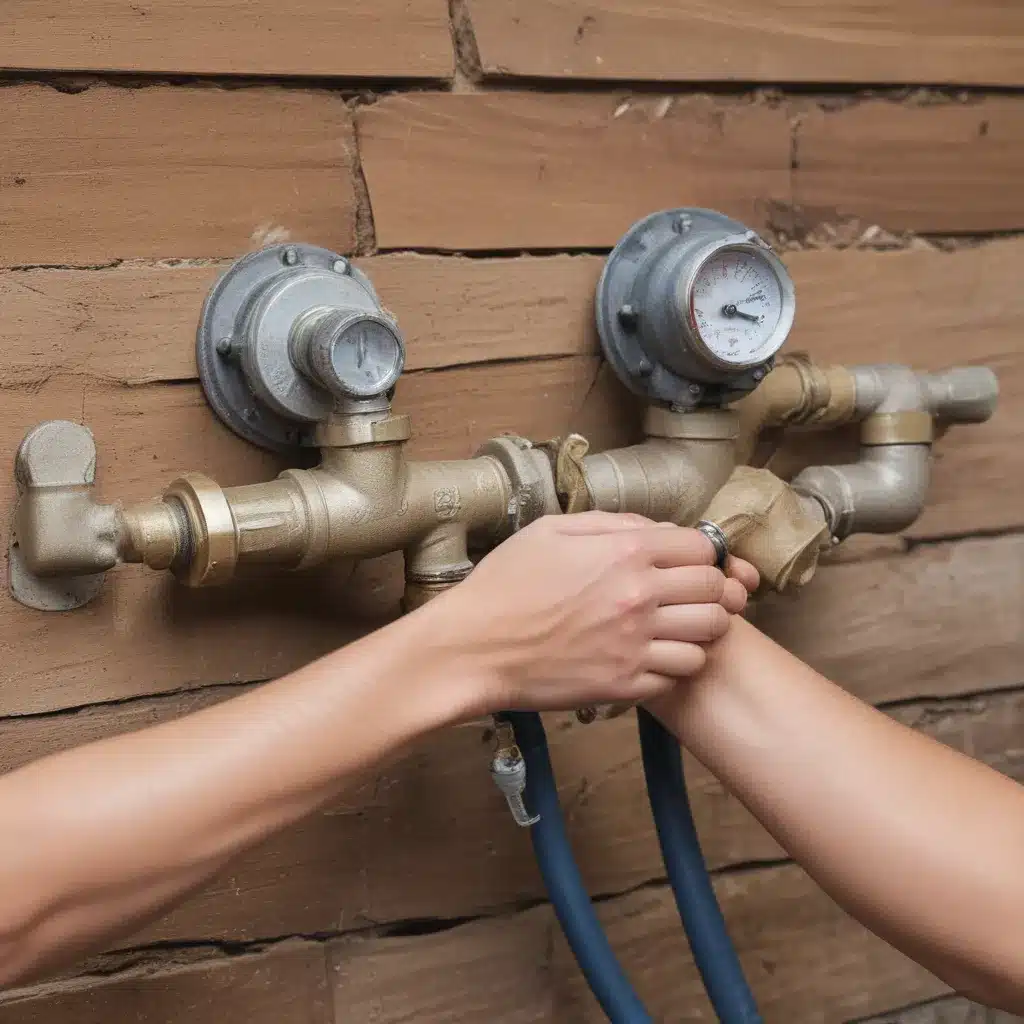
The Importance of Proper Water Pressure
As the owner of ABC Home, a reputable building and renovation company in Aberdeen, UK, I understand the crucial role that water pressure plays in the functionality and comfort of any home. Proper water pressure is not only essential for everyday tasks like showering, washing dishes, and doing laundry, but it can also have a significant impact on the lifespan and efficiency of your plumbing system.
Too low of a water pressure can lead to frustrating experiences, such as sluggish water flow, difficulty filling up tubs and sinks, and reduced effectiveness of water-based appliances. On the other hand, excessively high water pressure can cause unnecessary strain on pipes, fittings, and fixtures, potentially leading to costly leaks, burst pipes, and other plumbing issues down the line.
That’s why I’m passionate about sharing my expertise and providing practical tips to help homeowners in Aberdeen and the surrounding areas maintain the ideal water pressure in their homes, even after major installations or renovations. In this comprehensive guide, I’ll delve into the various factors that can affect water pressure, common problems you might encounter, and effective strategies for troubleshooting and optimizing your plumbing system.
Understanding Water Pressure and Its Importance
But before we dive into the nitty-gritty of maintaining proper water pressure, let’s first explore what water pressure is and why it’s so crucial. Water pressure, simply put, is the force that pushes water through your plumbing system and out of your taps, showers, and other fixtures. This pressure is typically measured in pounds per square inch (PSI) or kilopascals (kPa).
The ideal water pressure range for most homes in the UK is between 40-60 PSI (or 275-415 kPa). This range ensures that water flows at a sufficient rate to meet your household’s needs without putting undue stress on your plumbing components. Maintaining this optimal pressure level is essential for a variety of reasons:
-
Efficient Appliance Performance: High-quality water pressure ensures that your washing machine, dishwasher, and other water-based appliances operate at their full potential, delivering thorough cleaning and faster cycle times.
-
Comfortable Showering and Bathing: Adequate water pressure provides a satisfying, refreshing shower experience, with enough force to rinse away soap and shampoo effectively.
-
Effective Flushing of Toilets: Proper water pressure helps toilets flush efficiently, reducing the risk of clogging and ensuring a hygienic bathroom experience.
-
Prolonged Plumbing System Lifespan: Maintaining the right water pressure range can help prevent premature wear and tear on pipes, fittings, and fixtures, extending the overall lifespan of your plumbing system.
-
Reduced Water Waste: When water pressure is too high, it can lead to unnecessary splashing and water waste, driving up your utility bills. Proper pressure ensures you’re using water efficiently.
Now that we’ve established the importance of water pressure, let’s dive into the common factors that can influence it and the steps you can take to maintain the optimal levels in your home.
Factors Affecting Water Pressure
There are several factors that can impact the water pressure in your home, and understanding these can help you identify and address any issues that may arise. Let’s explore some of the most common culprits:
Distance from the Main Water Supply
The distance between your home and the main water supply line can play a significant role in your water pressure. Homes located farther away from the main supply tend to experience lower water pressure, as the water has to travel a longer distance and overcome greater resistance.
This is particularly relevant for homeowners in rural or semi-rural areas, where the main water lines may be situated some distance from their properties. In such cases, the water pressure may gradually decrease the farther you are from the source, and you may need to consider alternative solutions, such as installing a booster pump or a pressure tank, to maintain the desired pressure levels.
Elevation Changes
Another factor that can affect water pressure is the elevation of your home relative to the main water supply. If your home is located at a significantly higher elevation than the water source, gravity will work against the water flow, resulting in lower pressure.
This is a common issue for homeowners living on hilltops, in mountainous regions, or in multi-story buildings. The water has to work harder to overcome the effects of gravity, leading to a noticeable decrease in pressure at the higher levels of the home.
Pipe Size and Material
The size and material of your home’s plumbing pipes can also have a direct impact on water pressure. Smaller-diameter pipes or older, narrow pipes can restrict the flow of water, causing a drop in pressure. Similarly, the type of pipe material, such as galvanized steel or lead, can also contribute to pressure issues due to mineral buildup or corrosion over time.
When renovating or installing new plumbing systems, it’s crucial to ensure that the pipe sizes and materials are appropriate for the size and layout of your home, as well as the expected water demand. Upgrading to larger, more efficient pipes can often help resolve persistent water pressure problems.
Water Meter and Main Shut-Off Valve
The water meter and main shut-off valve, which are typically located near the entry point of the water supply to your home, can also impact water pressure if they are not functioning correctly.
A malfunctioning water meter or a partially closed main shut-off valve can create significant restrictions in the water flow, leading to lower pressure throughout your home. Regularly inspecting these components and ensuring they are fully open and working as intended can help maintain optimal water pressure.
Water Usage Patterns
The overall water usage patterns in your home can also affect the water pressure, especially during peak usage times. When multiple fixtures or appliances are in use simultaneously, the demand for water increases, which can temporarily reduce the pressure at each outlet.
This is a common occurrence during the morning rush when everyone is showering, running the dishwasher, and doing laundry. Understanding your household’s water usage patterns and making adjustments, such as staggering high-demand activities, can help mitigate the impact on water pressure.
By understanding these various factors that can influence water pressure, you’ll be better equipped to identify and address any issues that may arise in your home, ensuring a consistent and reliable water supply for all your needs.
Troubleshooting Water Pressure Problems
Now that we’ve covered the key factors that can affect water pressure, let’s dive into some practical troubleshooting steps you can take to maintain proper water pressure in your home.
Checking the Main Water Shut-Off Valve
The first step in troubleshooting water pressure issues is to check the main water shut-off valve, which is typically located near the water meter or the point where the main supply line enters your home. Ensure that this valve is fully open, as a partially closed valve can significantly restrict the water flow and reduce the overall pressure.
To check the valve, simply turn it counterclockwise as far as it will go. If the valve is not fully open, gently turn it until it is completely open. Once you’ve confirmed that the valve is in the correct position, you can move on to the next step in your investigation.
Inspecting the Water Meter
In addition to the main shut-off valve, the water meter itself can also be a source of water pressure problems. Over time, the meter can become clogged with sediment or debris, which can impede the water flow and cause a decrease in pressure.
To check the water meter, start by visually inspecting it for any signs of obstruction or damage. If you notice any debris or buildup, you may need to have the meter professionally cleaned or replaced to restore the proper water pressure.
Testing the Water Pressure
If the main shut-off valve and water meter appear to be functioning correctly, the next step is to test the actual water pressure in your home. This can be done using a water pressure gauge, which you can purchase from your local hardware store or plumbing supply retailer.
To test the water pressure, simply attach the gauge to an outdoor hose bib or a fixture near the main water supply line. Turn on the water and note the pressure reading. Ideally, the pressure should fall within the recommended range of 40-60 PSI (275-415 kPa).
If the pressure is significantly outside of this range, it’s a clear indication that you have a problem that needs to be addressed. Low pressure may require the installation of a booster pump, while high pressure may necessitate the use of a pressure-reducing valve.
Inspecting Plumbing Pipes and Fixtures
If the water pressure test reveals that the issue is not with the main shut-off valve or the water meter, the next step is to inspect the plumbing pipes and fixtures throughout your home.
Look for any visible signs of damage, such as cracks, leaks, or mineral buildup, which can restrict the flow of water and lead to decreased pressure. Pay close attention to areas where the pipes transition from one material to another, as these junctions can be vulnerable to pressure drops.
Additionally, check the aerators on your faucets and showerheads, as these can become clogged with debris over time, reducing the water flow and pressure. Cleaning or replacing these fixtures may help restore the proper pressure levels.
Considering Water Pressure Booster Pumps
In some cases, even after addressing the above issues, you may still find that the water pressure in your home is not satisfactory. This could be due to factors beyond your control, such as the distance from the main water supply or significant elevation changes.
In these instances, the installation of a water pressure booster pump may be the most effective solution. These devices are designed to increase the water pressure by adding an additional source of power to the water flow, ensuring that you have the necessary pressure for all your household needs.
Booster pumps come in a variety of sizes and configurations, so it’s essential to work with a professional plumber to determine the right option for your home and your specific water pressure requirements.
Staying Vigilant and Proactive
Maintaining proper water pressure in your home is an ongoing process that requires vigilance and proactive maintenance. By regularly checking the key components of your plumbing system, such as the main shut-off valve, water meter, and pipes, and addressing any issues promptly, you can help ensure that your home’s water pressure remains consistent and reliable.
Remember, addressing water pressure problems early on can save you from more costly and disruptive repairs down the line. So, don’t hesitate to call in a professional plumber if you’re experiencing persistent pressure issues or if you’re unsure of the best course of action.
Real-World Examples and Case Studies
To further illustrate the importance of maintaining proper water pressure and the practical steps you can take to address any issues, let’s dive into a few real-world examples and case studies from my experience as the owner of ABC Home.
The Case of the Dwindling Shower Pressure
One of our clients, Jane, had been complaining about a gradual decrease in her home’s water pressure, particularly in the master bathroom shower. When our team visited the property, we conducted a thorough inspection and discovered that the issue was primarily caused by a partially closed main shut-off valve.
The valve, which was located in an out-of-the-way crawl space, had gradually been turned more closed over time, likely due to a faulty handle or a previous homeowner’s attempt to conserve water. Once we identified the problem and fully opened the valve, the water pressure in the shower and throughout the rest of the home was restored to its optimal levels.
This case highlights the importance of regularly checking the main shut-off valve, even in areas that may not be easily accessible. By taking the time to inspect this crucial component, we were able to resolve the water pressure issue quickly and cost-effectively, much to the delight of our client.
The High-Pressure Dilemma
In another case, one of our clients, Mr. Smith, had been experiencing excessively high water pressure in his home, which was causing various problems, including leaks and damage to his plumbing fixtures.
After conducting a thorough assessment, our team determined that the issue was primarily due to the property’s proximity to the main water supply line, coupled with a lack of a pressure-reducing valve. The high pressure was putting unnecessary strain on the plumbing system, leading to the problems Mr. Smith was experiencing.
To address the issue, we recommended the installation of a pressure-reducing valve, which would effectively lower the water pressure to the optimal range. This solution not only resolved the immediate problems but also helped to extend the lifespan of the plumbing system and prevent future costly repairs.
Mr. Smith was grateful for our expertise and the prompt resolution of the high-pressure problem, which had been causing him significant headaches for some time.
The Multistory Pressure Challenge
In a more complex case, we worked with a client who was building a new, three-story home in a hilly area of Aberdeen. Due to the home’s elevated location and the need to distribute water efficiently across multiple floors, the client was concerned about maintaining consistent water pressure throughout the property.
To address this challenge, our team recommended the installation of a booster pump system, which would provide the necessary pressure boost to ensure that the upper floors received the same level of water pressure as the ground floor. We carefully calculated the pump’s size and capacity based on the home’s specific water demands and the elevation changes.
The result was a seamless and reliable water pressure system that met the needs of the homeowner, even during high-usage periods. The client was impressed with our technical expertise and the custom solution we provided to overcome the unique water pressure challenges presented by the home’s design and location.
These real-world examples demonstrate the diverse range of water pressure issues that homeowners may face and the tailored solutions that a experienced building and renovation company like ABC Home can provide. By addressing these problems proactively and with a deep understanding of the underlying causes, we’re able to help our clients maintain the optimal water pressure in their homes, ensuring a comfortable and efficient living environment.
Conclusion: Prioritizing Proper Water Pressure for a Comfortable Home
In conclusion, maintaining proper water pressure in your home is a critical aspect of ensuring the overall functionality and comfort of your living space. Whether you’re dealing with low pressure, high pressure, or pressure fluctuations, understanding the underlying causes and taking proactive steps to address them can make a significant difference in your daily life.
At ABC Home, we’ve helped countless homeowners in Aberdeen and the surrounding areas overcome their water pressure challenges, from simple fixes like adjusting the main shut-off valve to more complex solutions like installing booster pumps and pressure-reducing valves. Our team of experienced professionals is dedicated to providing personalized solutions that cater to the unique needs and requirements of each property.
Remember, proper water pressure is not just about convenience – it’s also about the longevity and efficiency of your plumbing system. By keeping a vigilant eye on the key components that influence water pressure and addressing any issues promptly, you can help extend the lifespan of your home’s plumbing and avoid costly repairs down the line.
So, if you’re facing any water pressure challenges in your home, don’t hesitate to reach out to the experts at ABC Home. We’re here to provide the guidance, expertise, and practical solutions you need to maintain the ideal water pressure and enjoy a comfortable, efficient, and worry-free living environment. Visit our website at https://abc-home.co.uk/ to learn more about our services and how we can help you address your water pressure concerns.


