
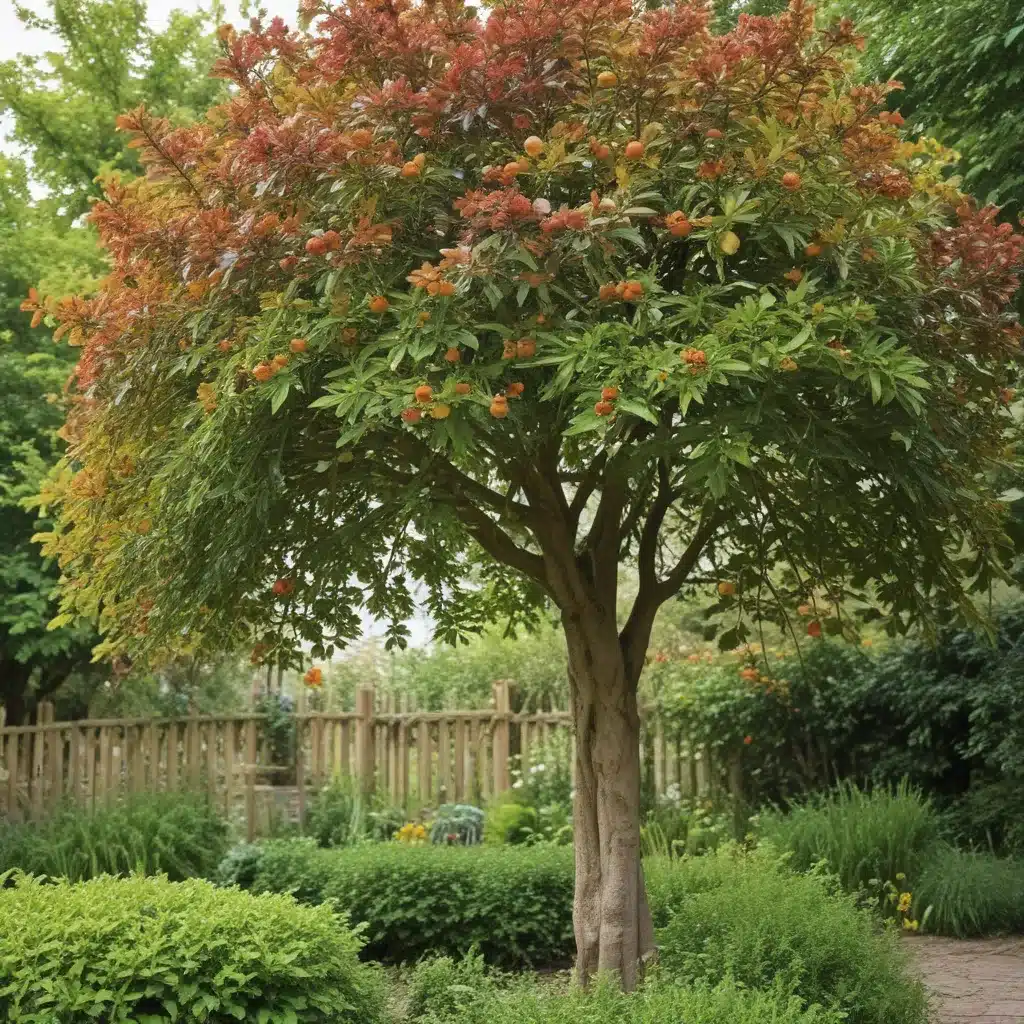
The Joys of Urban Gardening
I’ll never forget the first time I set foot in my little urban garden. It was a crisp autumn day, and the golden leaves were just beginning to drift down from the solitary tree in the corner. As I stepped outside, I was hit with a wave of tranquility – the gentle rustling of the branches, the earthy scent of damp soil, the flutter of a curious sparrow. In that moment, I knew I had found my own little oasis in the heart of the city.
You see, I’m what you might call a “recovering” city dweller. After years of living in cramped apartments and bustling city streets, I finally made the leap and purchased a modest home in Aberdeen. And with that came the opportunity to cultivate my own slice of nature – a small but mighty garden that would become my personal sanctuary.
But as any avid gardener knows, crafting the perfect outdoor space is no easy feat, especially when you’re working with limited square footage. That’s why I’ve pored over endless articles, consulted with local experts, and even gotten my hands dirty experimenting with different plants and layouts. And let me tell you, I’ve learned a thing or two along the way.
In this comprehensive guide, I’m excited to share my hard-earned insights on the top tree species that thrive in small urban gardens like mine. Whether you’re a seasoned green thumb or a budding gardener, I’m confident you’ll find something to inspire your own backyard oasis. So, let’s dive in and uncover the secrets to cultivating a lush, beautiful garden – even in the heart of the city.
Sizing Up Your Space: Choosing the Right Tree for Your Small Garden
The first step in selecting the perfect tree for your small garden is to take a close look at the available space. After all, the last thing you want is to end up with a towering behemoth that eventually threatens to swallow your entire backyard!
To get started, I recommend taking some careful measurements of your garden’s dimensions. Pay special attention to the height and width constraints – you’ll want to choose a tree that fits comfortably within those parameters, with enough room to grow without encroaching on your other plantings or structures.
Another crucial factor to consider is the tree’s mature size. Many species that may start out small can quickly balloon into giants, so it’s essential to research each variety’s expected growth patterns. Don’t be fooled by those adorable little saplings at the nursery – they may very well transform into hulking behemoths before you know it!
Of course, the specific needs of the tree are also important. Some thrive in full sun, while others prefer partial shade. Some have shallow, spreading root systems, while others send their roots deep into the earth. Understanding these nuances can make all the difference in ensuring your tree’s long-term health and your garden’s overall harmony.
To help you navigate these considerations, I’ve compiled a handy table outlining some of the top tree species that are well-suited for small urban gardens. Take a look and see which one might be the perfect fit for your outdoor oasis:
| Tree Species | Mature Height | Mature Width | Sun Exposure | Root System |
|---|---|---|---|---|
| Japanese Maple | 15-25 ft | 15-25 ft | Partial Shade | Shallow, Spreading |
| Crape Myrtle | 15-25 ft | 15-25 ft | Full Sun | Deep, Tap Root |
| Dwarf Fruit Trees | 8-15 ft | 8-15 ft | Full Sun | Shallow, Spreading |
| Redbud | 20-30 ft | 25-35 ft | Full Sun to Partial Shade | Deep, Tap Root |
| Serviceberry | 15-25 ft | 15-25 ft | Full Sun to Partial Shade | Shallow, Spreading |
As you can see, each of these trees has its own unique characteristics and requirements. The key is to carefully consider the dimensions of your garden, as well as the specific growing conditions, to ensure you make the best possible match.
Shedding Light on Sun Exposure
Now that we’ve gotten the basics of size and scale out of the way, let’s dive a little deeper into the importance of sun exposure when it comes to selecting the perfect tree for your small garden.
You see, trees, just like other plants, have very specific light preferences. Some thrive in full, direct sunlight, while others prefer the dappled shade of a partially shaded spot. And trust me, choosing the wrong tree for your garden’s light conditions can spell disaster.
Take the Japanese maple, for example. This beautiful, delicate tree is renowned for its vibrant fall foliage and graceful, sculptural form. But if you try to grow a Japanese maple in a spot that gets too much direct sun, you’re likely to end up with scorched, wilted leaves and a decidedly unhappy plant.
On the flip side, a tree like the crape myrtle simply won’t reach its full potential if it’s relegated to a shady corner of the garden. These sun-loving beauties need ample bright light to showcase their stunning summer blooms and develop their distinctive, multi-trunked growth habit.
So, how can you ensure you’re picking the right tree for your garden’s light conditions? Start by carefully assessing the amount of sun your outdoor space receives throughout the day. Take note of any areas that are particularly sunny or shady, and use that information to guide your tree selection.
If you’re working with a predominantly sunny spot, your best bets are likely to be trees like the crape myrtle, redbud, or dwarf fruit varieties. These sun-worshippers will thrive in those bright, open conditions and reward you with a dazzling display of color and form.
On the other hand, if your garden is on the shadier side, the Japanese maple or serviceberry might be better suited to your needs. These partial-shade lovers will appreciate the respite from the midday sun and flourish in those more sheltered spots.
Of course, as with most things in gardening, there’s often a bit of trial and error involved. But by being mindful of your garden’s light patterns and choosing your tree accordingly, you’ll be well on your way to cultivating a lush, healthy oasis – no matter how much (or how little) direct sun you’re working with.
Exploring Rooting Habits: Avoiding Subterranean Surprises
As if choosing the right tree size and light requirements weren’t enough to contend with, there’s one more crucial factor to consider when selecting the perfect specimen for your small garden: the root system.
You see, the way a tree’s roots grow and spread can have a significant impact on the overall health and harmony of your outdoor space. Plant the wrong tree in the wrong spot, and you could be in for a world of trouble – from cracked pavement to invaded septic systems and everything in between.
Take the redbud, for example. This lovely, spring-blooming tree is known for its deep, taproot-style root system. While this helps it thrive in drier conditions, it also means those roots can burrow deep underground and potentially wreak havoc on nearby structures or underground utilities.
On the other hand, trees like the Japanese maple and serviceberry are renowned for their more shallow, spreading root systems. While this makes them a safer bet for planting near buildings or hardscaping, it also means they require more frequent watering to keep those surface roots happy and healthy.
And then there are the dwarf fruit trees to consider. These compact, orchard-inspired beauties often have a root system that’s just as diminutive as their aboveground growth. But don’t let their small stature fool you – those roots can still pack a punch if they’re not given enough space to spread out.
So, how can you ensure you’re choosing a tree that won’t cause any subterranean surprises down the line? Start by closely examining the root system of any potential candidates. Look for trees with a growth habit that aligns with the available space in your garden, and be sure to leave ample room for those roots to expand without encroaching on nearby structures or utilities.
You might also want to consider planting your tree in a strategically placed raised bed or container. This can help contain the root system and prevent it from spreading too far afield. Just be sure to choose a container that’s large enough to accommodate the tree’s mature size, and remember to provide ample drainage to keep those roots healthy and happy.
Ultimately, understanding the unique rooting habits of different tree species is key to creating a harmonious, low-maintenance garden. By doing your due diligence and selecting the right tree for your space, you can enjoy all the beauty and benefits of urban greenery without having to worry about any subterranean surprises.
Embracing the Unexpected: Unique Tree Varieties for Small Spaces
As I’ve delved deeper into the world of urban gardening, I’ve come to realize that the true joy lies in the unexpected. While it’s important to choose trees that fit the practical constraints of your space, there’s also something to be said for embracing the unconventional and the truly unique.
Take the dwarf fruit trees, for example. These compact, orchard-inspired beauties offer so much more than just their diminutive size. Not only do they provide the opportunity to grow your own fresh, homegrown produce, but they also bring a touch of whimsy and delight to any small garden.
Imagine the surprise and delight of stumbling upon a pygmy apple or pear tree, its branches laden with juicy, ripe fruit just waiting to be plucked and enjoyed. Or how about the vibrant blooms of a miniature citrus tree, filling the air with its sweet, tantalizing fragrance? It’s enough to make any urban gardener’s heart skip a beat!
And let’s not forget about the serviceberry, a true unsung hero of the small-space gardening world. This versatile tree not only offers up a stunning display of delicate, white flowers in the spring, but it also produces an abundance of edible berries that rival their blueberry cousins in both flavor and nutritional value.
The best part? Serviceberries are incredibly easy to grow and maintain, making them an ideal choice for gardeners of all levels of experience. Plus, their relatively compact size and shallow root system make them a perfect fit for even the most diminutive of outdoor spaces.
But perhaps my personal favorite among the unique tree varieties for small gardens is the crape myrtle. With its striking, multi-trunked silhouette and vibrant summer blooms that range from brilliant fuchsia to delicate lavender, this tree is a true showstopper.
And the best part? Crape myrtles are surprisingly adaptable, thriving in everything from full sun to partial shade. So whether your garden is a sun-drenched oasis or a more sheltered retreat, this remarkable tree can add a touch of bold, botanical flair to your outdoor space.
So, don’t be afraid to think outside the box when it comes to choosing the perfect tree for your small garden. By embracing the unexpected and exploring unique varieties, you just might discover a true gem that becomes the centerpiece of your very own urban oasis.
Bringing it All Together: Crafting Your Dream Garden
Now that we’ve explored the key considerations for selecting the right tree for your small garden, it’s time to put all that knowledge into practice and start visualizing your dream outdoor space.
As you begin to consider the various tree species and their unique attributes, I encourage you to also think about how they might integrate with the rest of your garden design. After all, the tree you choose isn’t just a standalone feature – it’s an integral part of the larger landscape that should complement and enhance the overall aesthetic.
For example, if you’re drawn to the elegant, lacy foliage of a Japanese maple, you might want to pair it with complementary plantings like shade-loving ferns or a understory of woodland wildflowers. Or, if you’re captivated by the show-stopping blooms of a crape myrtle, you could surround it with an array of sun-loving perennials that echo its vibrant color palette.
And don’t forget to consider the seasonal changes that your chosen tree will bring to the garden. Will its fall foliage provide a stunning autumnal display? Does it offer winter interest in the form of striking bare branches or peeling bark? Thinking ahead to how your tree will evolve and transform throughout the year can help you create a cohesive, visually compelling outdoor oasis.
Of course, the ultimate goal is to craft a small garden that not only looks beautiful, but also functions as a true sanctuary – a serene, nature-filled escape from the hustle and bustle of daily life. And the tree you select can play a pivotal role in achieving that sense of tranquility and harmony.
Perhaps you envision the graceful, dancing branches of a serviceberry offering dappled shade and a peaceful respite from the midday sun. Or maybe you picture the sweet, fragrant blooms of a dwarf fruit tree luring in a parade of pollinators and beckoning you to slow down and savor the moment.
Whichever tree speaks to you, I encourage you to let your imagination run wild. Sketch out potential layout ideas, experiment with different plant pairings, and don’t be afraid to think outside the box. After all, the true joy of urban gardening lies in the process of creating your own personal oasis – a space that reflects your unique style, preferences, and passion for the natural world.
And who knows? With a little creativity and the right tree selection, you just might end up cultivating a small garden that feels like a world unto itself – a hidden gem that transports you to a place of pure, unadulterated serenity, no matter how hectic the outside world may be.
So, are you ready to dive in and start planning your dream small-space garden? I can’t wait to see what you come up with!


