
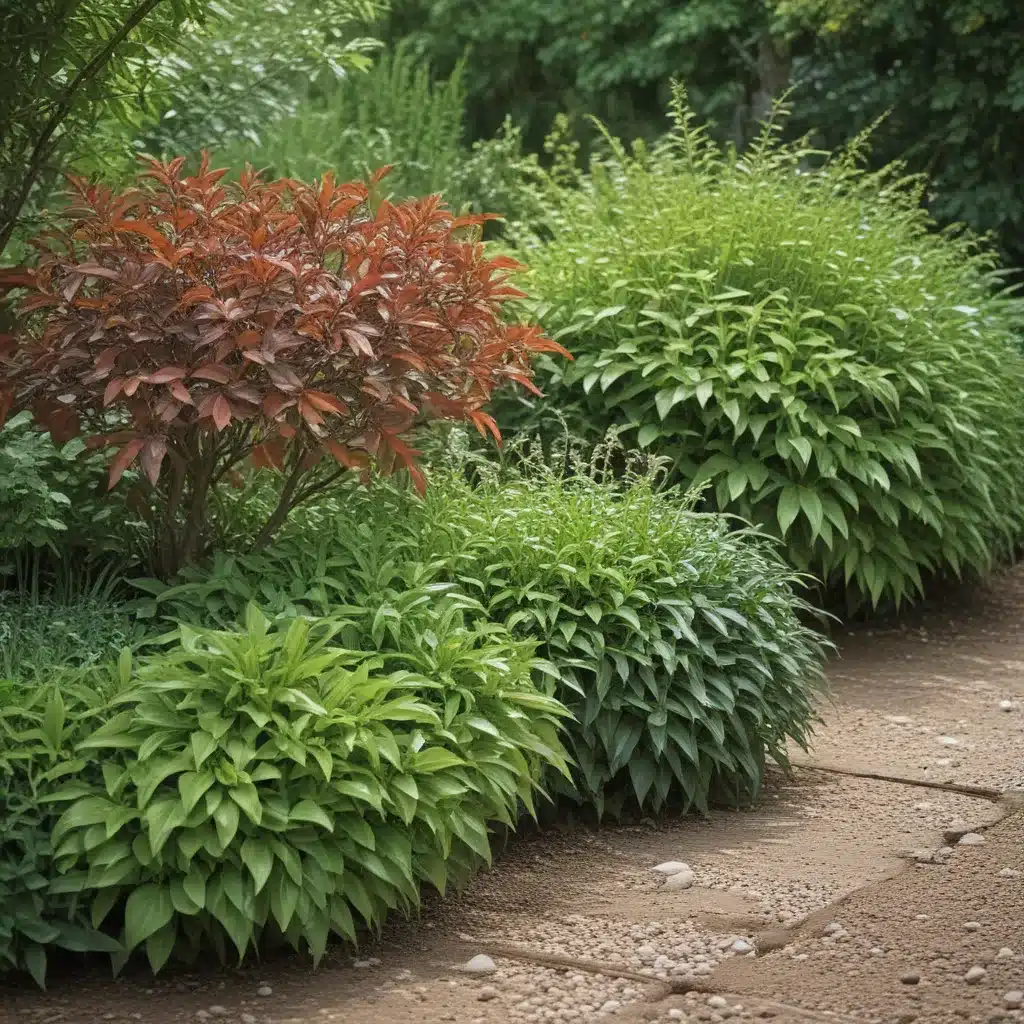
Unsung Heroes of the Landscape: Tough Plants for Tricky Spots
Have you ever stood in your garden, surveying the landscape, and felt a twinge of despair? Maybe it’s that corner that’s baked by the sun all day long, or that weirdly shaded spot under the big tree where nothing seems to grow. Fear not, my green-thumbed friends – there are plenty of tough, resilient plants out there just waiting to transform those problem areas into lush, vibrant oases.
Growing up in rainy, temperate Scotland, I’ll admit I had a bit of a steep learning curve when I first moved to the Granite City of Aberdeen. The climate here can be, shall we say, a tad more challenging – hot, dry summers, blustery winds, and long, dark winters. But over the years, I’ve discovered a whole menagerie of hardy, adaptable plants that not only survive, but actually thrive in these tricky conditions.
And let me tell you, there’s nothing quite like the sense of satisfaction that comes from coaxing life out of a seemingly barren patch of earth. Whether it’s a sun-baked border or a dank, shady corner, the right plant can turn a problem area into a showcase of resilience and beauty. So, are you ready to meet some of the toughest, most versatile plants in the Aberdeen gardening arsenal?
Sizzling Survivors: Hardy Plants for Hot, Dry Spots
Picture this: you’ve got a south-facing wall or a sunny raised bed that’s absolutely scorching during the summer months. The soil is bone-dry, and even the hardiest annuals wilt and wither under the relentless glare of the sun. It’s enough to make even the most seasoned gardener throw in the trowel. But fear not, because there are plenty of plants out there that positively thrive in these hot, dry conditions.
Let’s start with the unsung heroes of the xeriscaping world – the succulents. These plump, fleshy-leaved wonders are practically the stuff of legend when it comes to surviving in arid environments. Take the ever-popular sedum, for example. With its sprawling, ground-hugging habit and a dizzying array of flower colors, sedum is the perfect choice for those sun-drenched, well-drained spots in your garden. And the best part? It requires next to no maintenance, making it an absolute godsend for busy gardeners.
But the succulent party doesn’t stop there. Echeveria, with its stunning rosette-like foliage, is another tough-as-nails option that can add a touch of architectural drama to your landscape. And for a real conversation-starter, why not try the ever-quirky ‘Hens and Chicks’ (Sempervivum)? These adorable little succulents form dense, spreading mats, and their vibrant colors and unique textures will have your friends and neighbors wondering just how you managed to pull it off.
Of course, succulents aren’t the only game in town when it comes to hot, dry gardens. Another one of my personal favorites is the ever-reliable lavender. With its silvery-green foliage and oh-so-fragrant purple blooms, lavender is an absolute magnet for bees and butterflies. And the best part? It’s incredibly drought-tolerant, thriving in even the most parched, well-drained soils.
So, if you’re struggling to keep your garden thriving in the face of blazing summer heat, consider giving these tough, sun-loving plants a try. They’ll reward your efforts with a stunning display of resilience and beauty, turning those problem areas into the envy of the entire neighborhood.
Shade Superstars: Tough Plants for Gloomy, Shady Spots
Now, let’s talk about the other end of the spectrum – those dark, gloomy spots in your garden where the sun barely dares to tread. Whether it’s a densely wooded area, a north-facing border, or the ever-challenging spot under a towering tree, finding the right plants for these shady havens can be a real head-scratcher.
But fear not, my shady-loving friends, because there’s a whole host of tough, adaptable plants just waiting to transform those dull, lifeless corners into vibrant, lush oases. Take the mighty fern, for example. These ancient, delicate-looking beauties are true masters of the shade garden, thriving in even the darkest, dampest conditions. From the elegant, lacy fronds of the lady fern to the bold, architectural fronds of the ostrich fern, these versatile plants can add texture, depth, and a touch of prehistoric charm to any shady spot.
And speaking of prehistoric charm, let’s not forget about the humble hostas. These broad-leaved wonders are the quintessential shade-loving perennials, offering a dazzling array of leaf shapes, sizes, and colors to suit any style of garden. Whether you’re looking for bold, sculptural foliage or delicate, fragrant blooms, there’s a hosta out there that’s just perfect for your shady oasis.
But the shade-loving superstars don’t stop there. For a real pop of color, consider the eye-catching Begonia. These tropical-looking beauties thrive in the dappled shade, boasting an impressive array of foliage hues, from deep, velvety burgundy to vibrant, variegated greens. And let’s not forget about the humble (but oh-so-charming) Impatiens – these shade-loving annuals will reward you with a never-ending display of bright, cheerful blooms, even in the darkest corners of your garden.
So, if you’re feeling a bit stumped by those shady spots in your garden, take heart. There are plenty of tough, resilient plants out there just waiting to turn those gloomy areas into vibrant, flourishing oases of beauty. All it takes is a little bit of creativity and a willingness to experiment. Who knows, you might just discover your new favorite plant in the process!
Tough Customers: Hardy Plants for Windy, Exposed Sites
Ah, the ever-present bane of the Aberdeen gardener – the wind. Whether it’s the blustery gusts that sweep in off the North Sea or the bone-chilling drafts that howl through the granite canyons of the city, dealing with constant exposure to the elements can be a real challenge for even the most seasoned green thumb.
But fear not, my wind-battered friends, because there are plenty of tough, resilient plants out there that can stand up to even the most relentless gales. Take the ever-stalwart Seascape cotoneaster, for example. This low-growing, spreading shrub is a true champion of the coastal garden, with its glossy, evergreen foliage and a remarkable ability to withstand salt spray and high winds. And for a real head-turner, why not try the striking, architectural forms of the Yucca? These spiky, drought-tolerant beauties are practically tailor-made for exposed, windy sites, adding a touch of Southwest-inspired flair to any landscape.
Of course, it’s not just shrubs and perennials that can hold their own in the face of blustery conditions. When it comes to tough, wind-resistant trees, the Scots pine is a true hero of the Aberdeen gardening world. With its dense, evergreen foliage and a sturdy, well-anchored root system, this rugged conifer can shrug off even the most intense gusts, making it the perfect choice for windbreaks and shelterbelts.
And let’s not forget about the humble grasses – these unsung champions of the garden world are true masters of survival in exposed, windy sites. From the delicate, swaying plumes of Miscanthus to the architectural, upright forms of Stipa, these tough, resilient plants can add movement, texture, and a touch of drama to any windswept landscape.
So, if you’re feeling a bit discouraged by the constant battle against the elements, take heart. With the right selection of tough, wind-resistant plants, you can transform even the most exposed, blustery corners of your garden into oases of resilience and beauty. Just be prepared to hold on to your hat!
Battling the Elements: Tips for Growing Tough Plants in Challenging Conditions
Okay, so we’ve explored some of the toughest, most versatile plants out there – the unsung heroes that can thrive in even the most challenging garden conditions. But how exactly do you go about growing these hardy, resilient beauties? Well, my friends, it’s all about understanding the specific needs and adaptations of each plant, and then tailoring your gardening techniques to suit.
For starters, let’s talk about soil. When it comes to growing tough plants in hot, dry, or exposed sites, well-draining soil is an absolute must. These hardy species simply can’t tolerate the dreaded “wet feet” that can so quickly lead to root rot and other nasty issues. So, be sure to amend your soil with plenty of compost or other organic matter to boost its drainage capabilities.
And speaking of water, these tough, resilient plants are masters of water conservation – but that doesn’t mean you can just ignore them completely. In fact, during their initial establishment phase, many of these species will actually require a bit more attention and consistent watering to help them get their roots firmly established. But once they’re settled in, you can breathe a sigh of relief, as many of these plants will happily go for extended periods without any supplemental irrigation.
Alright, now let’s talk about one of the biggest challenges of all – exposure to the elements. Whether it’s scorching sun, howling winds, or a combination of the two, these hardy plants have evolved all sorts of clever adaptations to help them cope. From the waxy, drought-resistant leaves of succulents to the dense, wind-resistant foliage of evergreen shrubs, each species has its own unique strategies for surviving in tough conditions.
The key, then, is to pay close attention to the specific needs and preferences of each plant, and then do your best to recreate those ideal conditions in your own garden. That might mean positioning them in just the right spot to catch the perfect amount of sunlight, or using strategic windbreaks and shelterbelts to protect them from the blustery gusts. And of course, don’t forget to mulch, mulch, mulch – that extra layer of organic material can work wonders in helping your tough plants retain moisture and stay healthy.
So, there you have it, my green-thumbed friends – the secrets to growing some of the toughest, most resilient plants in the Aberdeen gardening arsenal. With a bit of strategic planning and a whole lot of trial and error, you can transform even the most challenging problem areas into thriving, vibrant oases of beauty. Now get out there and start digging!
A Final Word on Tough, Resilient Plants
As I reflect on my journey as an Aberdeen gardener, I can’t help but marvel at the incredible resilience and adaptability of the plants that have become my closest companions. These unsung heroes of the landscape have taught me so much about the true power of nature, and the incredible ability of living things to thrive in even the most daunting of environments.
Whether it’s the delicate, lacy fronds of a fern that defy the darkness of a shady corner, or the sturdy, wind-whipped forms of drought-tolerant succulents, these tough, resilient plants never cease to amaze me. They’re a constant reminder that with the right strategies and a bit of TLC, even the most challenging garden conditions can be transformed into oases of beauty and wonder.
And you know, the more I learn about these tough, adaptable species, the more I realize that they’re not just a practical solution to my gardening woes – they’re also a source of endless fascination and delight. From the quirky, endearing charm of ‘Hens and Chicks’ to the architectural drama of a towering Yucca, each plant has its own unique personality and story to tell.
So, if you’re a fellow Aberdeen gardener (or really, any gardener dealing with tough, challenging conditions), I encourage you to embrace the power of these tough, resilient plants. Experiment, explore, and discover the endless possibilities that lie within your own little patch of earth. Who knows, you might just find your new favorite plant – and maybe even a kindred spirit in the process.
After all, when it comes to gardening in the face of adversity, we tough plants have to stick together, don’t we? So, let’s raise a trowel to the unsung heroes of the landscape, and may your gardens forever be filled with the vibrant, resilient beauty that they bring.


