
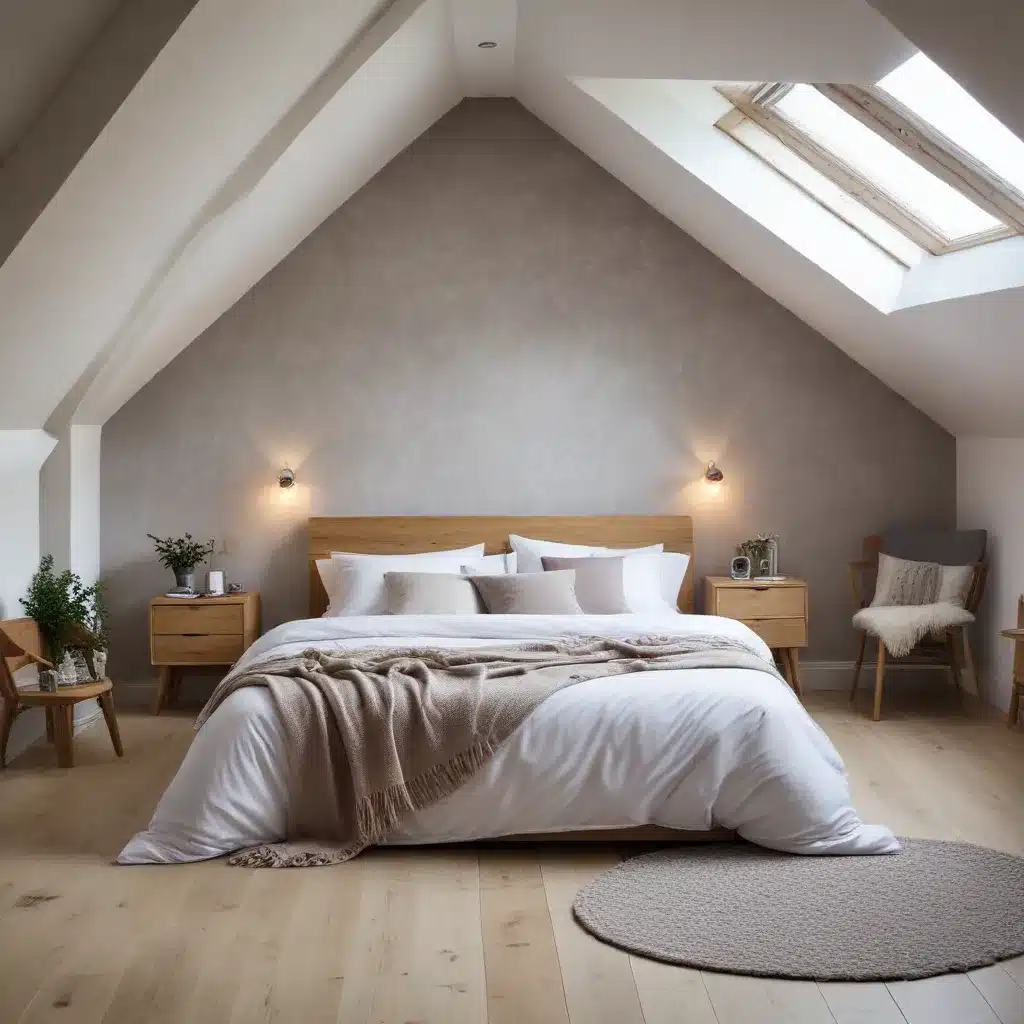
Unlocking the Potential of Your Loft Space
In the bustling city of Aberdeen, where space is at a premium, homeowners are increasingly looking upwards to maximise their living areas. The loft conversion has emerged as a popular and practical solution, offering a chance to transform underutilised attic spaces into cosy, functional retreats. However, navigating the regulatory landscape and ensuring a seamless, cost-effective renovation can be a daunting task.
This comprehensive guide will walk you through the process of converting your loft into a comfortable, code-compliant bedroom retreat, tailored to the unique building practices and standards within the UK. From understanding the mandatory building regulations to exploring sustainable and cost-effective design options, we’ve got you covered.
Laying the Groundwork: Assessing Your Loft’s Potential
Before you embark on your loft conversion journey, it’s essential to carefully evaluate the existing space and consider the various factors that will shape your project. This initial assessment will help you determine the feasibility, budget, and scope of your renovation.
Measuring and Evaluating the Loft Space: Begin by measuring the dimensions of your loft, taking into account the height, width, and length. According to the UK’s Building Regulations, a minimum ceiling height of 2.2 metres is required for a habitable room, with at least 50% of the floor area meeting this criterion. Additionally, ensure that there is adequate head clearance and consider any sloping ceilings or dormer windows that may impact the usable space.
Structural Integrity and Building Regulations: Consult with a qualified structural engineer to assess the structural integrity of your loft and the supporting roof structure. They will advise on any necessary reinforcements or modifications required to comply with the UK’s Building Regulations. This step is crucial to ensure the safety and longevity of your loft conversion.
Accessibility and Fire Safety: Accessibility and fire safety are paramount considerations in any loft conversion project. Ensure that the new staircase leading to the loft bedroom meets the minimum width and height requirements set by the Building Regulations. Additionally, install the necessary fire alarms, smoke detectors, and emergency exits to safeguard your living space.
Insulation and Energy Efficiency: Improving the energy efficiency of your loft conversion is not only beneficial for the environment but can also lead to significant cost savings on your energy bills. Incorporate high-performance insulation materials, such as mineral wool or rigid foam boards, to meet the current UK thermal regulations and minimise heat loss.
Navigating the Regulatory Landscape
Ensuring compliance with the UK’s building regulations is a crucial aspect of any loft conversion project. Failure to adhere to these standards can result in costly delays, as well as potential legal and safety issues. Let’s delve into the key regulatory requirements you’ll need to address.
Planning Permission and Building Regulations Approval: In the UK, most loft conversions fall under “permitted development” and do not require planning permission, provided they meet certain criteria. However, you will need to obtain building regulations approval from your local authority to ensure your conversion meets the necessary safety and construction standards. This process may involve submitting detailed plans, specifications, and technical drawings for review.
Structural Integrity and Load-bearing Requirements: The UK’s Building Regulations stipulate specific guidelines for the structural integrity of loft conversions. This includes ensuring that the roof structure, floor joists, and walls can safely support the additional weight and loads imposed by the new bedroom. Your structural engineer will play a pivotal role in designing the necessary reinforcements and modifications to meet these requirements.
Fire Safety and Escape Routes: Fire safety is a critical concern in loft conversions. The Building Regulations mandate the installation of fire-resistant materials, smoke alarms, and a safe means of escape in the event of an emergency. This may involve upgrading the existing staircase or incorporating a new, compliant staircase to provide a direct route to the ground floor.
Electrical and Plumbing Considerations: Any electrical or plumbing work carried out as part of your loft conversion must be completed by a qualified professional and comply with the relevant UK regulations. This includes the installation of lighting, power outlets, and any necessary plumbing, such as for an en-suite bathroom.
Ventilation and Thermal Efficiency: Ensuring adequate ventilation and thermal efficiency is essential for maintaining a comfortable and healthy living environment in your loft bedroom. The Building Regulations outline specific requirements for insulation, air tightness, and mechanical ventilation systems to meet current energy efficiency standards.
By familiarising yourself with these regulatory requirements and working closely with experienced professionals, you can navigate the approval process with confidence and ensure that your loft conversion project meets all necessary standards.
Designing Your Cosy Loft Retreat
With the regulatory landscape mapped out, it’s time to explore the exciting design possibilities for transforming your loft into a cosy and functional bedroom retreat. From selecting the right materials to incorporating sustainable features, let’s delve into the key design considerations.
Maximising Space and Functionality: Efficient space planning is crucial in a loft conversion, as you’ll need to balance the competing demands of comfort, storage, and accessibility. Consider incorporating built-in furniture, such as fitted wardrobes or storage units, to optimise the available space. Carefully position the bed, seating area, and any en-suite facilities to create a harmonious and ergonomic layout.
Lighting and Ventilation: Natural light is a precious commodity in any loft conversion, so maximise the use of skylights, dormer windows, or strategically placed windows to flood the space with natural illumination. Complement this with a well-planned lighting scheme, including ambient and task lighting, to create a cosy and inviting ambience. Ensure adequate ventilation, either through operable windows or a mechanical ventilation system, to maintain indoor air quality and comfort.
Sustainable Design Considerations: Incorporating sustainable design elements into your loft conversion not only benefits the environment but can also lead to long-term cost savings. Explore the use of energy-efficient lighting, such as LED bulbs, and consider installing a high-performance insulation system to minimise heat loss and improve the overall thermal efficiency of the space. Additionally, investigate the feasibility of integrating renewable energy sources, such as solar panels or a heat pump, to reduce your carbon footprint and utility bills.
Aesthetic and Finishing Touches: The aesthetic of your loft bedroom should reflect your personal style while seamlessly integrating with the existing architecture of your home. Embrace the natural charm of the loft space by showcasing exposed beams, brick walls, or timber elements. Complement these features with a warm, cosy colour palette and carefully selected furnishings to create a harmonious and inviting retreat.
By striking the right balance between functionality, sustainability, and aesthetic appeal, you can transform your loft into a cosy and inviting bedroom retreat that not only meets your needs but also aligns with the UK’s building standards and sustainable design principles.
Cost Considerations and Project Management
Embarking on a loft conversion project can be a significant financial investment, but with careful planning and cost management, you can ensure a successful and cost-effective outcome. Let’s explore the key factors that will impact your project’s budget and discuss strategies for effective project management.
Budgeting and Cost Estimates: The cost of a loft conversion in the UK can vary widely, depending on the size, complexity, and the specific features you wish to incorporate. As a general guide, a basic loft conversion in Aberdeen can range from £20,000 to £50,000, while more extensive projects with en-suite bathrooms or dormer windows can cost upwards of £50,000. It’s essential to work closely with a qualified quantity surveyor or cost consultant to develop a detailed budget that accounts for all the necessary expenses, including materials, labour, regulatory approvals, and any unexpected contingencies.
Material Selection and Cost-Saving Strategies: Carefully selecting building materials and exploring cost-saving strategies can help you manage your loft conversion budget effectively. Consider using more affordable yet durable options, such as engineered wood flooring or cost-effective insulation products, without compromising on quality or performance. Additionally, explore the possibility of sourcing materials directly from suppliers or manufacturers to bypass the markup of intermediaries.
Project Management and Timeline: Effective project management is crucial to ensure the timely and cost-efficient completion of your loft conversion. Engage a reputable construction company or project manager who can develop a detailed project plan, coordinate the various trades, and monitor the progress to minimise delays and unexpected costs. Establish clear communication channels with the project team and be prepared to make decisions promptly to maintain the project’s momentum.
Financing Options: Depending on your financial situation, you may need to explore various financing options to fund your loft conversion project. This could include traditional mortgage products, personal loans, or specialist home improvement loans. Research the available options, compare interest rates, and determine the most cost-effective solution that aligns with your financial capabilities.
By carefully planning your budget, implementing cost-saving strategies, and engaging in effective project management, you can transform your loft into a cosy bedroom retreat while keeping your financial investment within a manageable range.
Embracing Sustainability and Energy Efficiency
In the context of the UK’s commitment to reducing its carbon footprint and promoting sustainable living, the design and construction of your loft conversion present an opportunity to incorporate eco-friendly features and enhance the overall energy efficiency of your home.
Insulation and Thermal Performance: Ensuring the optimal thermal performance of your loft conversion is a key aspect of sustainable design. Invest in high-quality insulation materials, such as wool or rigid foam boards, that exceed the minimum U-value requirements set by the UK’s Building Regulations. This will not only improve the comfort of your loft bedroom but also contribute to significant energy savings and a reduction in your carbon emissions.
Renewable Energy Integration: Consider integrating renewable energy sources, such as solar photovoltaic (PV) panels or a heat pump, into your loft conversion project. These technologies can generate clean, renewable electricity or provide efficient heating and cooling, further enhancing the sustainability of your home. Consult with renewable energy specialists to explore the feasibility and potential cost savings of these systems.
Water Conservation and Waste Management: Incorporate water-efficient fixtures, such as low-flow showerheads and dual-flush toilets, to minimise water consumption in your loft en-suite bathroom. Additionally, explore the possibility of implementing greywater recycling systems or rainwater harvesting to repurpose water for non-potable uses, such as flushing toilets or irrigation.
Indoor Air Quality and Ventilation: Ensure that your loft conversion promotes healthy indoor air quality through effective ventilation strategies. This may involve the installation of mechanical ventilation systems with heat recovery, which can capture and recycle the heat from exhaust air, thereby reducing energy demands and improving overall air quality.
Sustainable Material Selection: When selecting building materials for your loft conversion, prioritise products with low embodied carbon, such as sustainably sourced timber, recycled insulation, or energy-efficient windows. These choices not only minimise the environmental impact of your project but also contribute to the long-term sustainability of your home.
By embracing sustainable design principles and energy-efficient technologies, you can transform your loft into a cosy, eco-friendly bedroom retreat that aligns with the UK’s commitment to a greener future and reduces your overall carbon footprint.
Conclusion
Embarking on a loft conversion project in Aberdeen presents an exciting opportunity to unlock the untapped potential of your home and create a cosy, functional bedroom retreat. By navigating the regulatory landscape, designing a thoughtful and sustainable space, and effectively managing the project’s costs, you can turn your loft into a sanctuary that not only meets your needs but also complies with the UK’s building standards and environmental objectives.
As you embark on this journey, remember to work closely with experienced professionals, such as structural engineers, architects, and qualified tradespeople, to ensure a seamless and successful loft conversion. By following the guidance provided in this article, you’ll be well on your way to transforming your loft into a cosy, energy-efficient, and code-compliant bedroom retreat that you can enjoy for years to come.
To learn more about the services and expertise offered by ABC Home, a leading provider of construction and home improvement solutions in the UK, please visit our website. Our team of experts is dedicated to guiding you through every step of the loft conversion process, from design and planning to execution and compliance, ensuring a hassle-free and successful project.


