
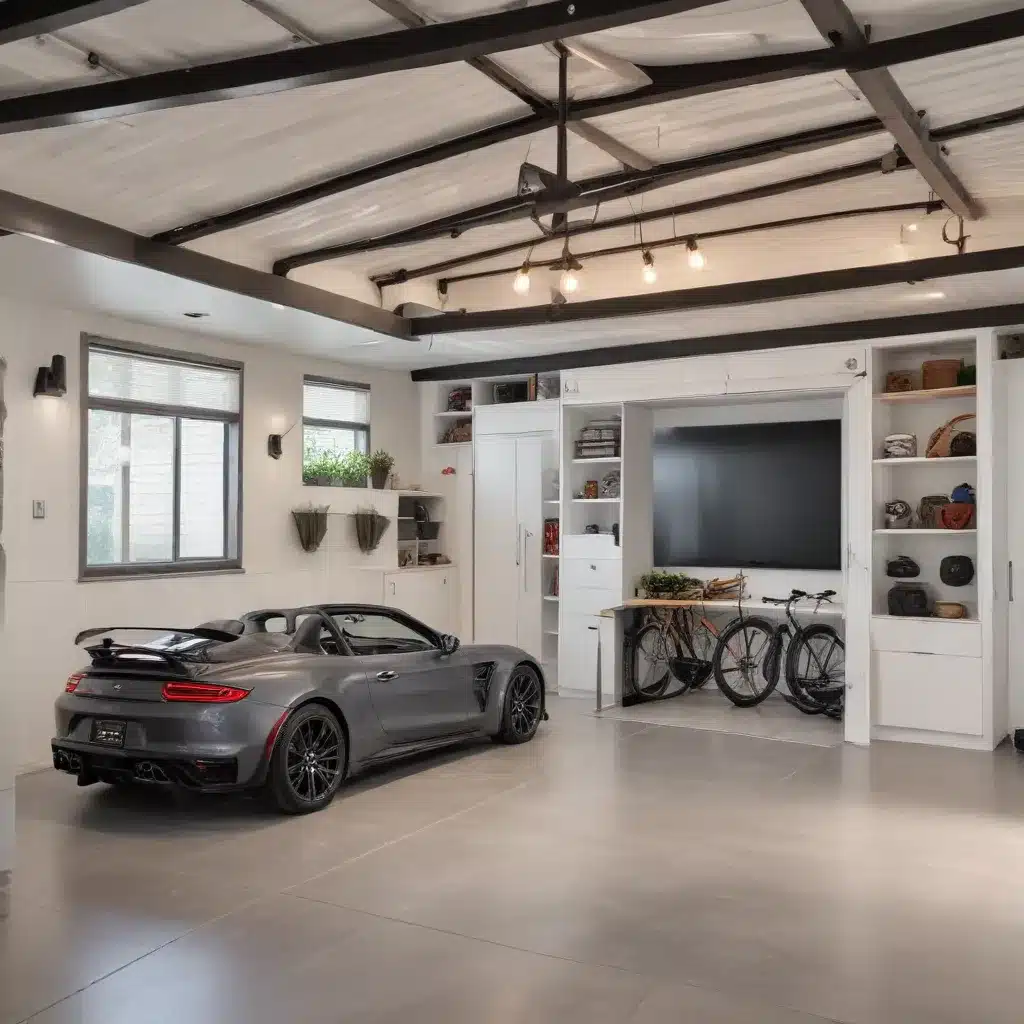
Navigating UK Building Regulations for Garage Conversions
In the bustling city of Aberdeen and across the United Kingdom, homeowners are increasingly seeking to maximise the potential of their living spaces. One such area ripe for transformation is the humble garage, which can be converted into a multifunctional haven that seamlessly integrates with modern lifestyles. However, before embarking on any garage conversion project, it is essential to navigate the intricate web of UK building regulations to ensure compliance and safeguard both the homeowner and the integrity of the structure.
Compliance with UK Building Regulations
The UK’s robust building regulations, administered by local authorities, play a crucial role in ensuring the safety, energy efficiency, and structural integrity of any residential construction or renovation project. When it comes to transforming a garage into a livable space, homeowners must adhere to a specific set of regulations outlined in the Building Regulations 2010 (as amended).
Permitted Development Rights: One of the first considerations is whether the proposed conversion falls within the scope of Permitted Development Rights. These rights allow for certain types of minor home improvements without the need for formal planning permission, provided they meet specific criteria. In the case of garage conversions, Permitted Development Rights may apply, but it is essential to consult with the local planning authority to ensure compliance.
Building Regulations Approval: Regardless of Permitted Development Rights, any garage conversion project will require Building Regulations approval. This process ensures that the proposed changes meet the necessary standards for safety, accessibility, energy efficiency, and structural integrity. Homeowners or their appointed contractors must submit detailed plans and specifications to the local authority’s building control department for review and approval before commencing any work.
Key Considerations for Compliance: Some of the critical areas that must be addressed during the Building Regulations approval process for a garage conversion include:
-
Structural Integrity: The existing garage structure must be assessed to ensure it can safely support the additional loads and stresses associated with a livable space. This may involve reinforcing the foundations, walls, or roof as necessary.
-
Fire Safety: Adequate fire safety measures, such as the installation of fire-resistant doors, smoke alarms, and emergency exits, must be incorporated to protect the occupants.
-
Thermal Efficiency: The converted space must meet the required standards for thermal insulation, ventilation, and energy efficiency to comply with the UK’s Building Regulations and energy-saving initiatives.
-
Accessibility: The design must consider accessibility, particularly if the converted space is intended for use by elderly or disabled occupants. This may include provisions for wheelchair-friendly access, wider doorways, and appropriate bathroom facilities.
-
Drainage and Services: The existing garage’s drainage and utility systems, such as electricity, water, and heating, must be assessed and upgraded as necessary to accommodate the new living space.
By navigating these regulatory requirements, homeowners can ensure that their garage conversion project not only meets the necessary standards but also enhances the overall value and liveability of their property.
Cost Considerations for Garage Conversions in the UK
Transforming a garage into a multifunctional living space is a significant investment, and homeowners in the UK must carefully consider the associated costs to ensure the project’s feasibility and long-term financial sustainability. The total cost of a garage conversion can vary widely depending on several factors, including the scope of the project, the location, and the specific requirements of the local building regulations.
Estimating the Cost of Garage Conversions
According to the latest industry data, the average cost of a garage conversion in the UK ranges from £10,000 to £25,000, with the majority of projects falling within the £15,000 to £20,000 bracket. However, it is important to note that these figures are merely a general guideline, and the actual cost can be influenced by various factors, such as:
-
Size and Complexity: The size of the garage and the complexity of the conversion, including the need for structural changes or the incorporation of additional features, can significantly impact the overall cost.
-
Building Regulations and Compliance: Adhering to the UK’s building regulations, as outlined in the previous section, can add to the project’s expenses, as homeowners may need to invest in specialized materials, professional inspections, and any necessary upgrades or modifications.
-
Finishes and Furnishings: The choice of materials, fixtures, and furnishings for the converted space can greatly influence the final cost, with high-end finishes typically commanding a higher price tag.
-
Location: The geographic location of the property can also play a role, as construction costs and labour rates may vary across different regions of the UK.
To help homeowners better understand the cost breakdown, here is a sample table outlining the typical expenses associated with a garage conversion project in the UK:
| Item | Estimated Cost (GBP) |
|---|---|
| Structural Alterations | £2,000 – £5,000 |
| Insulation and Drywall | £1,500 – £3,000 |
| Electrical Upgrades | £1,000 – £2,500 |
| Plumbing and Heating | £1,500 – £3,000 |
| Doors and Windows | £2,000 – £4,000 |
| Flooring | £1,000 – £2,500 |
| Painting and Decoration | £1,000 – £2,000 |
| Building Regulations | £500 – £1,000 |
| Contingency (10%) | £1,000 – £2,500 |
| Total Estimated Cost | £10,000 – £25,000 |
It’s important to note that these cost estimates are based on current industry data and may vary depending on the specific project requirements and the chosen level of finishes. Homeowners are advised to obtain detailed quotes from reputable local contractors to ensure an accurate assessment of the costs involved in their garage conversion project.
Sustainable Practices for Garage Conversions in the UK
As the UK continues to prioritise environmental sustainability and energy efficiency, homeowners embarking on garage conversion projects must also consider adopting eco-friendly practices and technologies. By incorporating sustainable design principles and energy-saving measures, homeowners can not only reduce their carbon footprint but also enjoy long-term cost savings on utility bills.
Prioritising Energy Efficiency
One of the core aspects of sustainable garage conversion is ensuring the thermal efficiency of the new living space. This can be achieved through strategic insulation, high-performance windows, and the integration of energy-efficient heating and cooling systems.
Insulation: Upgrading the insulation within the garage walls, ceiling, and floor is crucial to minimising heat loss and maintaining a comfortable indoor temperature. Homeowners should consider using high-R-value insulation materials, such as mineral wool or rigid foam boards, to meet or exceed the recommended U-values specified in the UK’s Building Regulations.
Windows and Doors: Replacing old, drafty garage doors and windows with modern, double-glazed units can significantly improve the thermal performance of the converted space. These energy-efficient fenestrations help to retain heat in the winter and prevent unwanted heat gain in the summer, reducing the reliance on mechanical heating and cooling systems.
Heating and Cooling Systems: Integrating energy-efficient heating and cooling technologies, such as heat pumps, underfloor heating, or zoned HVAC systems, can further enhance the sustainability of the garage conversion. These systems not only reduce energy consumption but also provide precise temperature control and improved indoor air quality.
Embracing Renewable Energy Solutions
To take the sustainability of a garage conversion project to the next level, homeowners can consider incorporating renewable energy technologies, such as solar photovoltaic (PV) panels or solar thermal systems.
Solar PV Panels: Installing solar PV panels on the roof of the converted garage can generate clean, renewable electricity to power the new living space, reducing reliance on the grid and providing long-term cost savings on energy bills.
Solar Thermal Systems: Integrating a solar thermal system, which uses the sun’s energy to heat water, can contribute to the domestic hot water supply for the converted garage, further enhancing the property’s overall energy efficiency.
Battery Storage: Coupling renewable energy systems with battery storage technology can allow homeowners to store excess energy generated during the day and use it during periods of high demand, optimising the efficiency and self-sufficiency of the converted garage.
Sustainable Materials and Waste Management
When undertaking a garage conversion project, it is also essential to consider the environmental impact of the materials used and the responsible management of construction waste.
Sustainable Materials: Homeowners should prioritise the selection of eco-friendly, low-embodied-energy materials, such as reclaimed wood, recycled concrete, or sustainably sourced insulation, to minimise the project’s carbon footprint.
Waste Management: Efficient waste management practices, including the segregation and recycling of construction materials, can help to divert waste from landfills and promote a more circular economy.
By embracing these sustainable practices, homeowners in the UK can transform their garages into environmentally friendly, energy-efficient living spaces that not only enhance their quality of life but also contribute to a more sustainable future.
Unlocking the Multifunctional Potential of Garage Conversions
Beyond the regulatory and cost considerations, garage conversions in the UK offer homeowners an extraordinary opportunity to unlock the multifunctional potential of their living spaces. By reimagining the traditional role of the garage, homeowners can create versatile and personalised havens that seamlessly integrate with their evolving lifestyles.
Embracing Flexible Design
One of the key advantages of a garage conversion is the ability to tailor the space to the homeowner’s unique needs and preferences. Whether it’s a home office, a dedicated hobby room, or a cosy guest suite, the design can be customised to accommodate a wide range of functions.
Modular Layouts: Utilising modular furniture and adaptable room dividers can enable homeowners to easily reconfigure the space as their needs change over time, ensuring the converted garage remains a dynamic and versatile extension of the home.
Multifunctional Zones: By strategically zoning the converted space, homeowners can create distinct areas for work, leisure, and relaxation, seamlessly integrating the various functions within a cohesive design.
Seamless Integration: Careful attention to the architectural details and the integration of the converted garage with the main house can help to create a harmonious and aesthetically pleasing transition, blending the new living space with the existing home.
Enhancing Accessibility and Inclusivity
Garage conversions also present an opportunity to improve the accessibility and inclusivity of the home, catering to the needs of all occupants, including the elderly and those with mobility challenges.
Accessibility Features: Incorporating features such as wide doorways, level thresholds, and wheelchair-friendly bathrooms can ensure the converted space is welcoming and accommodating for individuals with diverse abilities.
Adaptable Design: Designing the converted garage with flexibility in mind, such as providing ample circulation space and adjustable furniture, can future-proof the living space and enable it to adapt to the changing needs of the occupants over time.
Inclusive Considerations: By prioritising universal design principles, homeowners can create a converted garage that not only meets their current requirements but also provides a comfortable and accessible environment for all.
Enhancing Property Value
Beyond the functional and personal benefits, a well-executed garage conversion can also have a positive impact on the overall value of the property. By transforming an underutilised space into a valuable and versatile living area, homeowners can significantly increase the appeal and marketability of their home.
Increased Square Footage: The additional square footage provided by a converted garage can be a significant selling point, particularly in areas with limited living space or high demand for homes with flexible layouts.
__Improved Functionality:** The incorporation of functional features, such as dedicated workspaces, guest accommodations, or recreational areas, can make the property more attractive to potential buyers, who often prioritise homes that cater to their evolving needs.
Enhanced Curb Appeal: A thoughtfully designed and integrated garage conversion can also enhance the property’s overall aesthetic, contributing to its curb appeal and potentially commanding a higher market value.
By embracing the multifunctional potential of garage conversions, homeowners in the UK can create personalised living spaces that not only meet their day-to-day needs but also contribute to the long-term value and appeal of their property.
Conclusion
As the demand for flexible and efficient living spaces continues to grow in the UK, the transformation of garages into multifunctional havens has become an increasingly appealing option for homeowners. By navigating the intricate web of building regulations, carefully managing the associated costs, and incorporating sustainable design principles, homeowners can unlock the true potential of their garage conversions.
Through the careful integration of adaptable layouts, accessible features, and energy-efficient technologies, garage conversions can seamlessly blend with the homeowner’s evolving lifestyle, providing a versatile and personalised extension of their living space. Moreover, these transformative projects can significantly enhance the overall value and appeal of the property, making them a compelling investment for homeowners in the UK.
By embracing the opportunities presented by garage conversions, homeowners can not only optimise their existing living spaces but also contribute to a more sustainable and inclusive future for their communities. Visit https://abc-home.co.uk/ to explore more resources and inspiration for your own garage transformation project.


