
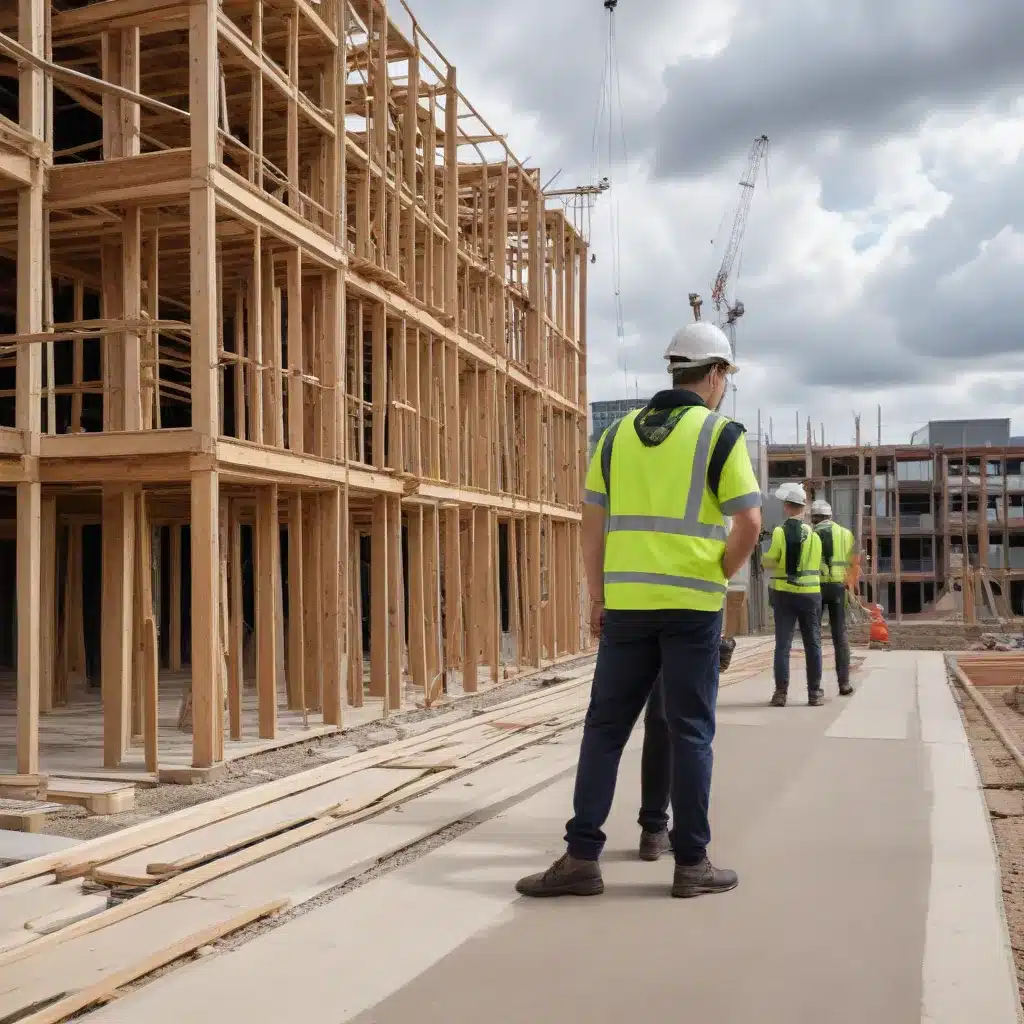
As an experienced home building and renovation expert, navigating the complex web of UK building regulations can feel like a daunting task. Whether you’re planning a loft conversion, a kitchen extension, or a complete home rebuild, ensuring compliance is critical not only for the success of your project, but also for the safety and wellbeing of your family.
In this comprehensive guide, we’ll explore the key aspects of UK building regulations, including specifics for Scotland, and provide you with a roadmap to help you successfully deliver your home improvement project.
Obtaining Necessary Permissions
Building Permit Application Process
The first step in any home building or renovation project is to obtain the necessary permissions from your local authority. This typically involves submitting a building permit application, which outlines the scope of your proposed work and demonstrates compliance with relevant regulations.
The application process can vary across different local councils, but generally, you’ll need to provide detailed plans, drawings, and specifications for the work. Be prepared to answer questions about the project’s impact on the surrounding area, access, and any potential disruptions to neighbors.
Compliance with Local Authority Requirements
Once your application is submitted, the local authority will review it to ensure your plans meet all the necessary building regulations. This may involve a series of inspections at various stages of the project, so it’s important to work closely with your local council throughout the process.
Depending on the scale and nature of your project, you may also need to secure approvals from other regulatory bodies, such as the Environment Agency or Historic England. Familiarize yourself with the specific requirements in your area to avoid delays or complications down the line.
Securing Approvals from Regulatory Bodies
For larger or more complex projects, you may need to obtain additional approvals from national regulatory bodies. This could include securing planning permission from the local planning authority or gaining consent from Historic England for work on a listed building.
Be sure to factor in the time required for these approval processes when planning your project timeline. Engage with the relevant authorities early on to understand their specific requirements and ensure a smooth and efficient journey to securing the necessary permissions.
Meeting Energy Efficiency Standards
Minimum Energy Performance Standards (MEPS)
One of the key focuses of UK building regulations is ensuring new and renovated buildings meet stringent energy efficiency standards. The government’s Minimum Energy Performance Standards (MEPS) require that all new homes and major renovations achieve a minimum energy performance rating, typically an EPC (Energy Performance Certificate) Band C or higher.
To comply with MEPS, you’ll need to incorporate a range of energy-saving features into your project, such as high-performance insulation, efficient heating systems, and renewable energy sources like solar panels or heat pumps.
Renewable Energy Integration
The UK is committed to transitioning to a low-carbon economy, and this is reflected in the building regulations. Many local authorities now require a certain percentage of a building’s energy needs to be met through renewable sources, such as solar, wind, or ground-source heat pumps.
Integrating these renewable technologies into your project can be complex, so it’s advisable to work closely with experienced contractors and energy assessors to ensure compliance and maximize the benefits.
Thermal Insulation and Ventilation Requirements
Ensuring your home is well-insulated and has an effective ventilation system is crucial for meeting energy efficiency standards. The building regulations specify minimum requirements for wall, roof, and floor insulation, as well as the performance of windows, doors, and other building elements.
Proper ventilation is also essential to maintain indoor air quality and prevent issues like damp and mold. The regulations outline specific guidelines for mechanical or natural ventilation systems, depending on the size and complexity of your project.
Ensuring Structural Safety
Foundations and Load-Bearing Structures
At the heart of any successful home building or renovation project is a solid, safe, and well-designed structural foundation. The building regulations set out strict requirements for the size, depth, and materials used in foundations, as well as the strength and stability of load-bearing walls, floors, and beams.
It’s essential to work with qualified structural engineers to ensure your plans meet these safety standards and can withstand the loads and stresses placed on the building over its lifetime.
Fire Safety Considerations
Keeping your family safe from fire is a top priority, and the building regulations have extensive provisions to address this. These cover everything from the fire resistance of building materials and the placement of fire alarms to the design of escape routes and the accessibility of fire-fighting equipment.
Be sure to consult with fire safety experts and local fire authorities to fully understand the regulations that apply to your project and implement the necessary measures to protect your home.
Accessibility and Inclusive Design
In addition to structural safety, the building regulations also place a strong emphasis on accessibility and inclusive design. This ensures that your home can be easily navigated and used by people of all abilities, including those with physical, sensory, or cognitive impairments.
Requirements may include provisions for level access, wider doorways and corridors, accessible bathrooms, and the installation of features like grab rails and adjustable worktops. Carefully consider these aspects from the outset to create a truly inclusive living environment.
Managing Legal Documentation
Building Regulations Compliance Certificates
Upon completion of your home building or renovation project, you’ll need to obtain the necessary compliance certificates to demonstrate that your work has been carried out in accordance with the building regulations. This typically includes a Building Regulations Completion Certificate, which confirms that the final construction meets all the required standards.
Keep these certificates safe, as they may be required for future property transactions or insurance purposes.
Maintaining Project Records
Throughout the entire process, it’s crucial to maintain comprehensive records of your project, including all relevant documents, approvals, and inspection reports. This documentation not only helps you navigate the legal and regulatory requirements but also serves as a valuable reference for any future work or issues that may arise.
Navigating Inspection and Approval Processes
The building regulations require a series of inspections at various stages of the project, conducted by your local authority or approved inspectors. These inspections are designed to ensure compliance and identify any issues before they become problematic.
Be prepared to work closely with the inspectors, providing them with all the necessary information and documentation they require. Staying on top of the inspection schedule and addressing any concerns promptly can help ensure a smooth and successful project delivery.
Complying with Scotland-Specific Regulations
Scottish Building Standards
While the overall framework of UK building regulations applies across the country, there are some important differences for projects located in Scotland. The Scottish Building Standards set out the technical requirements and guidance for construction work in Scotland, which are outlined in the Scottish Government’s Technical Handbooks.
It’s essential to familiarize yourself with the specific standards and local authority variations that apply in your area to ensure your project meets the necessary requirements.
Sustainability and the Environment
Scotland has a strong focus on sustainability and environmental protection, which is reflected in its building regulations. All new buildings in Scotland must meet strict energy performance targets, and the use of renewable energy sources is often mandatory.
Additionally, the regulations address issues like Sustainable Urban Drainage Systems (SUDS) and the reduction of carbon emissions, ensuring your project aligns with the country’s environmental goals.
Adaptations for Historic Buildings
If your home is a listed building or located within a conservation area, you’ll need to navigate an additional layer of regulations to ensure your renovation or restoration work is sensitive to the building’s historic character.
This may involve securing listed building consent, complying with conservation area regulations, and balancing the need to preserve heritage features with the requirements for modern standards and energy efficiency. Engaging with local heritage authorities early in the process is crucial to a successful outcome.
By understanding the intricacies of UK building regulations, including the specific requirements for projects in Scotland, you can navigate the process with confidence and ensure the successful delivery of your home building or renovation project. Remember to work closely with your local authority, engage experienced professionals, and maintain meticulous records throughout the process. With the right approach, you can turn your vision into reality while meeting all the necessary legal and safety standards.
For more information and guidance on building regulations compliance, visit ABC Home’s ‘Building Regulations Compliance’ category.


