
Embracing Natural Hues: Trends in UK Home Improvement
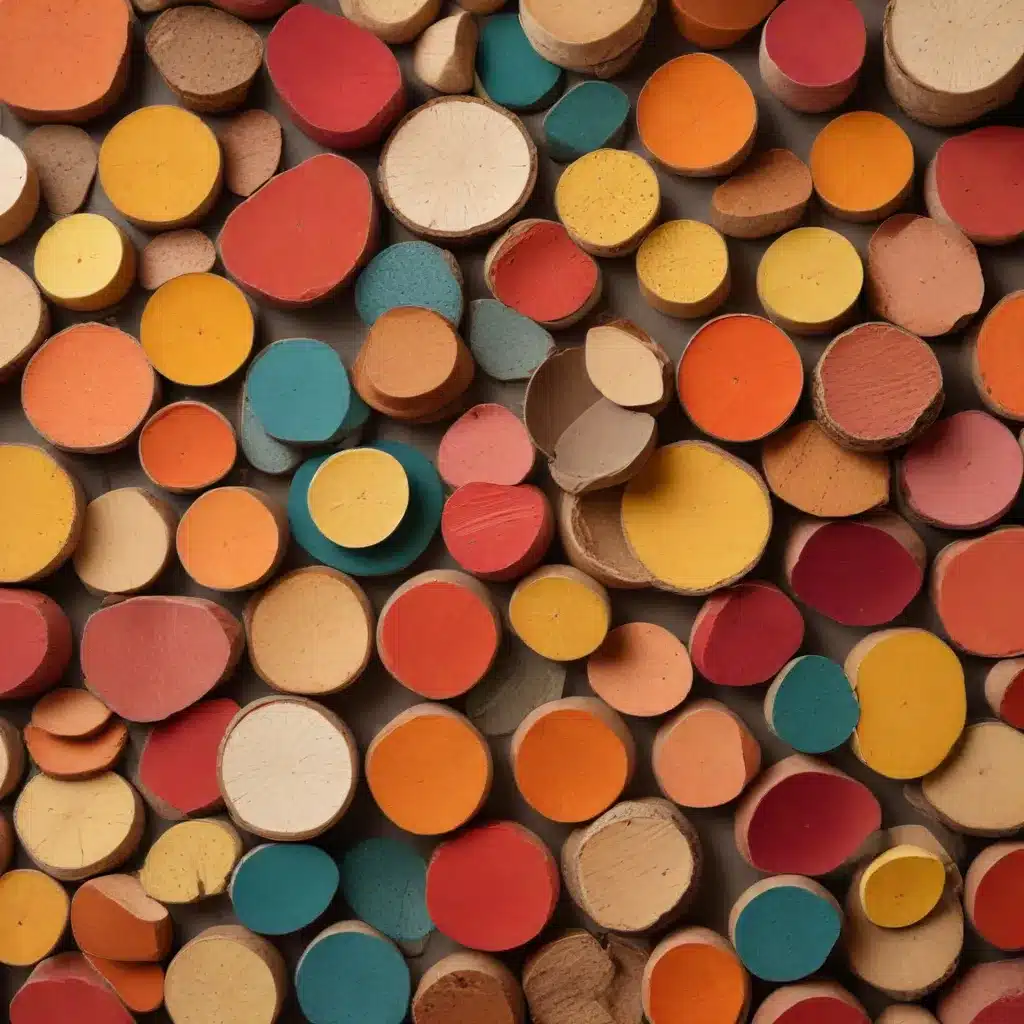
In the ever-evolving world of UK home improvement and construction, homeowners and builders are increasingly drawn to the unexpected beauty of natural building materials. Gone are the days of monochromatic palettes; today, homeowners are embracing pops of color that seamlessly integrate with the surrounding environment. This shift towards more vibrant and sustainable options is not only aesthetically pleasing but also aligned with the growing emphasis on eco-friendly practices in the UK.
Unlocking the Power of Natural Dyes
One of the most intriguing trends is the resurgence of natural dyes in building materials. These plant-based pigments offer a wide range of hues, from the bold crimson of madder root to the soothing azure of indigo. By incorporating these natural dyes into their projects, builders and homeowners can create unique and visually striking elements that stand out from the typical neutral tones.
The benefits of using natural dyes extend beyond their aesthetic appeal. Many of these plant-based pigments are not only environmentally friendly but also inherently more durable and resistant to fading than their synthetic counterparts. This makes them a practical choice for both interior and exterior applications, from vibrant accent walls to weatherproof exterior cladding.
Embracing Sustainable Timber Finishes
Another area where natural materials are shining is in the realm of timber finishes. In the UK, where timber-framed construction is prevalent, homeowners are exploring the rich and varied tones of sustainably sourced woods. From the warm honey hues of oak to the striking dark grains of walnut, these natural materials add depth and character to any space.
Beyond their aesthetic appeal, sustainable timber finishes also offer tangible environmental benefits. UK regulations and building standards increasingly emphasize the use of responsibly sourced timber, which helps to promote sustainable forestry practices and reduce the carbon footprint of construction projects.
Integrating Natural Stone and Earthen Materials
In addition to timber, homeowners are also embracing the inherent beauty of natural stone and earthen materials. Locally sourced flagstone, slate, and even rammed earth can lend a sense of timeless elegance and authenticity to both interior and exterior design schemes.
These natural materials not only contribute to the overall aesthetic but also often possess superior thermal and acoustic properties, making them a practical choice for energy-efficient home improvement projects. By prioritizing the use of locally sourced and sustainable materials, homeowners can align their design choices with the UK’s growing emphasis on reducing the environmental impact of the construction industry.
Regulatory Compliance and Cost Considerations
As homeowners and builders navigate the world of natural building materials, it’s crucial to understand the regulatory landscape and cost implications in the UK. Compliance with building regulations, such as those set forth by the UK’s Building Regulations 2010, is essential to ensure the safety and integrity of any construction project.
When it comes to cost, the use of natural materials can often be more economical in the long run, as they tend to have a longer lifespan and require less maintenance than their synthetic counterparts. However, the initial investment may be higher, and homeowners should carefully weigh the trade-offs between upfront costs and long-term sustainability.
To help homeowners and builders make informed decisions, we’ve compiled a table comparing the cost and sustainability factors of some popular natural building materials in the UK:
| Material | Cost per Unit (GBP) | Sustainability Rating |
|---|---|---|
| Sustainably Sourced Oak Timber | £50-£100 per sq. m | High |
| Locally Quarried Flagstone | £30-£80 per sq. m | High |
| Rammed Earth | £40-£100 per sq. m | Very High |
| Natural Indigo Dye | £20-£50 per liter | High |
| Madder Root Dye | £15-£40 per liter | High |
Remember, these are general estimates, and actual costs may vary depending on factors such as location, supplier, and project scope. It’s always advisable to consult with local builders, suppliers, and regulatory authorities to ensure compliance and obtain accurate cost projections.
Embracing the Beauty of Natural Materials
As homeowners and builders in the UK continue to seek out more sustainable and visually appealing options, the use of natural building materials is poised to become increasingly prevalent. By embracing the unexpected pops of color and the rich textures that these materials offer, we can create homes that not only reflect our personal style but also align with the UK’s commitment to environmental responsibility.
To explore the full range of natural building materials and design possibilities, we encourage you to visit https://abc-home.co.uk/, a leading resource for sustainable home improvement in the UK. There, you’ll find a wealth of information, expert guidance, and inspiration to help you bring your vision to life while adhering to the latest UK regulations and cost-effective strategies.
Remember, the journey towards a more sustainable and visually captivating built environment begins with small steps. By incorporating natural dyes, timber finishes, and stone accents into your home improvement projects, you can contribute to a future where unexpected beauty and environmental stewardship go hand in hand.
Navigating the UK Regulatory Landscape
As homeowners and builders embrace the use of natural building materials, it’s crucial to understand the regulatory landscape in the UK. The UK’s Building Regulations 2010 (as amended) provide a comprehensive framework for ensuring the safety, functionality, and sustainability of all construction projects, including those involving natural materials.
Compliance with UK Building Regulations
The Building Regulations 2010 cover a wide range of areas, including structural integrity, fire safety, energy efficiency, and accessibility. When incorporating natural building materials, it’s essential to ensure that they meet the relevant performance standards and comply with the regulations.
For example, the regulations have specific requirements for the thermal insulation properties of building materials, which can be particularly relevant when using natural insulation options like sheep’s wool or hemp. Similarly, the regulations address the fire safety characteristics of materials, ensuring that they do not pose a significant risk in the event of a fire.
Sustainable Construction Practices
In addition to the core building regulations, the UK has also introduced various policies and initiatives to promote sustainable construction practices. The UK Government’s Construction 2025 strategy, for instance, sets ambitious targets for reducing the environmental impact of the industry, including a 50% reduction in greenhouse gas emissions and a 50% reduction in the time taken to deliver construction projects.
To align with these sustainability goals, homeowners and builders are encouraged to prioritize the use of natural, low-carbon materials that have a smaller carbon footprint. This includes not only the materials themselves but also the supply chain and manufacturing processes involved.
Cost-Effective Compliance Strategies
While compliance with UK building regulations is non-negotiable, there are strategies that can help mitigate the associated costs. One approach is to work closely with experienced builders and contractors who are familiar with the regulations and can provide cost-effective solutions.
Additionally, homeowners may be able to take advantage of various government incentives and funding schemes that support sustainable construction practices. For example, the UK’s Green Homes Grant scheme offers financial assistance to homeowners who undertake energy-efficient home improvements, including the installation of natural insulation materials.
By navigating the regulatory landscape and exploring cost-effective compliance strategies, homeowners and builders can unlock the full potential of natural building materials, creating spaces that are not only visually stunning but also aligned with the UK’s commitment to sustainability.
The Future of Sustainable Building in the UK
As the UK continues to lead the charge in sustainable construction practices, the future of natural building materials looks increasingly bright. With a growing emphasis on environmental responsibility, the demand for low-carbon, locally sourced, and visually appealing building solutions is on the rise.
Innovative Applications of Natural Materials
Beyond the traditional uses of natural materials, we can expect to see more innovative applications in the years to come. For instance, the use of mycelium-based insulation, derived from fungal networks, is gaining traction as a highly sustainable and versatile building material. Similarly, advancements in the processing and application of agricultural waste materials, such as straw and hemp, are opening up new possibilities for eco-friendly construction.
Integrating Technology and Sustainability
The future of sustainable building in the UK will also see a greater integration of technology and data-driven solutions. Building information modeling (BIM) and digital twin technologies, for example, can help architects, engineers, and construction professionals optimize the use of natural materials, streamline building processes, and reduce waste.
Moreover, the increased adoption of smart home technologies and renewable energy systems will further enhance the sustainability of natural building projects. By seamlessly integrating these cutting-edge solutions, homeowners can create living spaces that are not only aesthetically pleasing but also highly efficient and environmentally conscious.
Collaboration and Knowledge Sharing
To drive the continued progress of sustainable building in the UK, collaboration and knowledge sharing will play a crucial role. Industry associations, academic institutions, and government agencies are working together to develop new standards, guidelines, and training programs that empower builders, contractors, and homeowners to make informed decisions about natural building materials.
Through these collaborative efforts, the UK construction industry can stay ahead of the curve, anticipating and adapting to the evolving regulatory landscape, technological advancements, and market demands. By fostering a culture of innovation and knowledge sharing, the UK can solidify its position as a global leader in sustainable building practices.
Conclusion
In the ever-evolving world of UK home improvement and construction, the use of natural building materials is experiencing a resurgence, driven by a growing demand for sustainable, visually appealing, and cost-effective solutions. From the vibrant hues of natural dyes to the rich textures of sustainably sourced timber and stone, these materials are transforming the built environment and aligning with the UK’s commitment to environmental responsibility.
As homeowners and builders navigate this exciting landscape, it’s crucial to understand the regulatory framework, cost considerations, and innovative applications that are shaping the future of sustainable building in the UK. By embracing the unexpected beauty of natural materials and leveraging the latest advancements in technology and collaboration, the construction industry can pave the way for a more sustainable and visually captivating built environment.
To explore the full range of natural building materials and design possibilities, we encourage you to visit https://abc-home.co.uk/, a leading resource for sustainable home improvement in the UK. There, you’ll find a wealth of information, expert guidance, and inspiration to help you bring your vision to life while adhering to the latest UK regulations and cost-effective strategies.
Remember, the journey towards a more sustainable and visually captivating built environment begins with small steps. By incorporating natural dyes, timber finishes, and stone accents into your home improvement projects, you can contribute to a future where unexpected beauty and environmental stewardship go hand in hand.


