
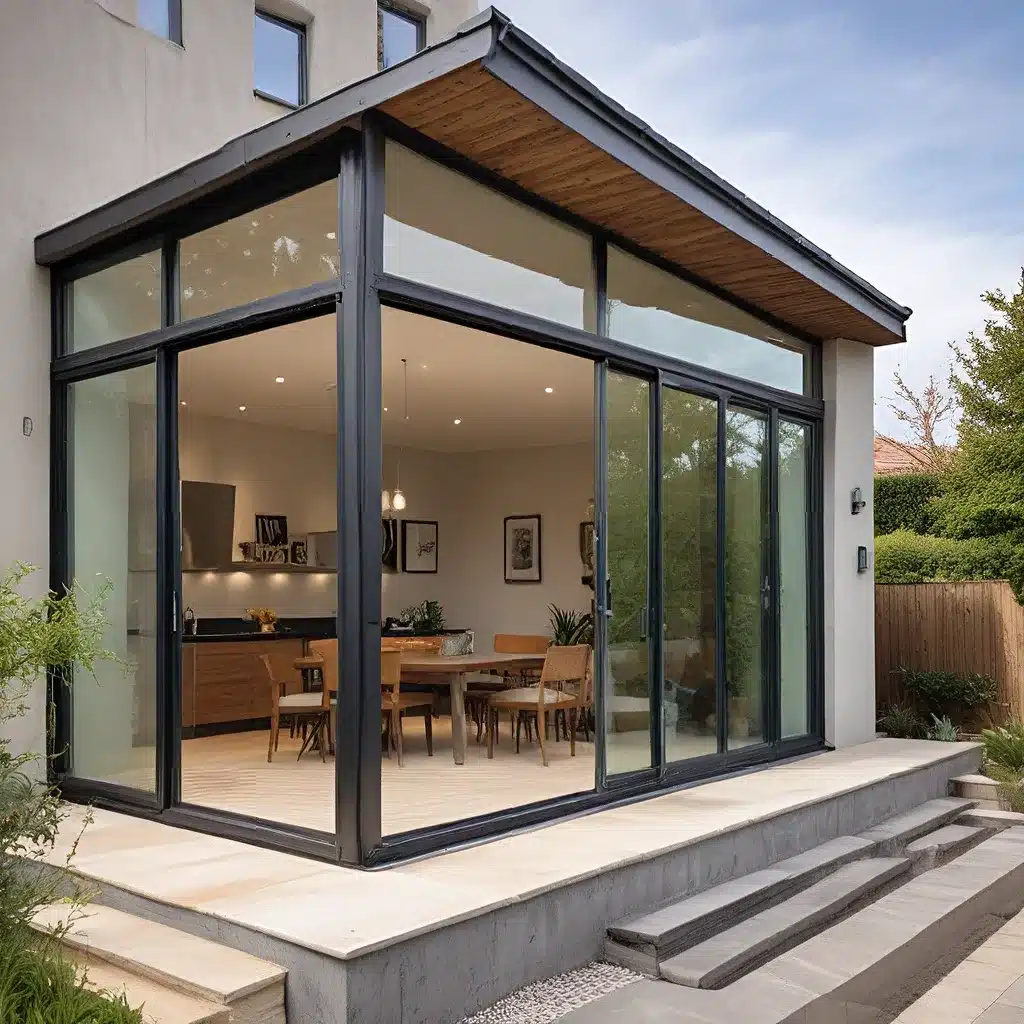
Exploring the Benefits of Accessory Dwelling Units (ADUs)
As a homeowner, you’re always looking for ways to enhance your property’s value and functionality. One innovative solution that’s gaining traction is the Accessory Dwelling Unit (ADU) – a versatile addition that can breathe new life into your living space. Whether you’re seeking to generate rental income, accommodate multi-generational living, or plan for the future, an ADU could be the answer you’ve been searching for.
ADUs come in a variety of forms, each with its own distinct advantages. Detached ADUs are standalone structures on the same lot as your main house, offering seclusion and independence. Attached ADUs, on the other hand, are built as extensions to your existing home, seamlessly blending convenience with privacy. For those looking to optimize their current footprint, interior conversions of spaces like attics or basements can create self-contained living areas without altering the property’s overall appearance.
No matter which ADU configuration suits your needs, these remarkable structures can provide a significant boost to your home’s value. By offering additional living space and the potential for rental income, an ADU can make your property more attractive to prospective buyers, setting it apart in a competitive real estate market. And let’s not forget the long-term benefits – as our population ages, ADUs present a practical and cost-effective solution for aging-in-place, allowing seniors to live independently yet in close proximity to family.
Navigating the Zoning and Regulatory Landscape
Before embarking on your ADU journey, it’s crucial to understand the local zoning requirements and regulations. These guidelines often dictate the maximum size, height, and placement of your ADU, ensuring it maintains the character of your neighborhood. For example, in Oak Park, detached ADUs are subject to lot coverage limits and must be smaller than the primary dwelling if located on the ground floor.
Parking and occupancy rules are also essential considerations, with some areas mandating on-site accommodation for displaced garage spaces or limiting the number of residents. These regulations vary widely across different regions, so it’s vital to consult your local authorities or work with a professional who specializes in real estate law.
Some communities, like Chicago, have designated pilot areas to encourage ADU development, reflecting the evolving nature of zoning policies. If your property falls outside these designated zones, you may need to navigate a more complex approval process, potentially requiring special permits or zoning variances.
Financing Your ADU Project
Funding an ADU project can be a significant hurdle, but there are several options available to ease the financial burden. Fannie Mae’s HomeStyle Renovation loan is designed to support the addition or renovation of an ADU, allowing you to leverage the home’s existing equity. For new constructions, the Construction-to-Permanent Financing option may be more suitable.
If you’re purchasing or refinancing a home with an existing ADU, the HomeReady loan from Fannie Mae is worth considering, as it can factor in the rental income from the ADU when qualifying for the loan. Additionally, some local and state governments offer incentives, such as tax breaks, fee waivers, or grants, to promote ADU development and increase affordable housing options.
Understanding the long-term financial implications of an ADU is also essential. Factors like increased property taxes, utility bills, and ongoing maintenance costs should be carefully evaluated to ensure your investment aligns with your financial goals and capabilities.
Designing and Constructing Your ADU
When it comes to the design and construction of your ADU, efficiency and functionality are key. According to Fannie Mae’s guidelines, a well-designed ADU should encompass living, sleeping, cooking, and bathroom areas, all while maximizing the available square footage. Innovative solutions, such as built-in storage and multi-functional furniture, can transform a compact space into a comfortable and inviting living environment.
Maintaining the aesthetic harmony between your ADU and the primary residence is also important, ensuring a seamless integration that preserves the overall character of your property. Privacy and independent access are crucial considerations, striking the right balance between proximity and personal space.
The permitting process can seem daunting, but with the right guidance, it can be navigated smoothly. Start with an initial application to your local housing department, followed by the standard permitting procedures. In some areas, like Chicago, a zoning opinion letter may be required, which can be obtained from the Department of Housing (DOH).
Selecting an experienced contractor who is familiar with ADU projects is vital. They should be well-versed in local zoning rules and capable of executing the necessary renovations to meet these standards. In Chicago, for example, the NHS Chicago ADU manual recommends verifying that contractors have the appropriate permits, plans, insurance, and qualifications.
Leveraging Financing Incentives and Grants
Recognizing the role of ADUs in addressing the affordable housing crisis, various grant programs provide financial support to homeowners. In certain locales, such as Chicago, homeowners may be eligible for forgivable loans that contribute to ADU construction or renovation costs, with the potential to increase the loan amount for projects that enhance accessibility and ADA compliance.
These initiatives aim to make ADU projects more accessible, easing the economic challenges for homeowners. By taking advantage of these grant programs and financing options, you can play a pivotal role in expanding affordable housing while enjoying the benefits of additional rental income and property value enhancement.
Compliance and Legal Considerations
Ensuring proper licensing and compliance is a critical aspect of the ADU process. Each municipality has its own set of rules and regulations governing the size, style, and placement of these units. Failure to adhere to these local guidelines can result in significant consequences, including fines and mandatory alterations to the structure.
To prevent such outcomes, it’s essential to consult with professionals who specialize in real estate law or contractors well-versed in local zoning regulations. Understanding the full scope of legal and financial implications is crucial for a successful ADU project.
Financing options like those offered by Fannie Mae can ease the burden of adding or renovating an ADU, as these products are designed to accommodate the unique needs of such projects. By ensuring proper licensing and compliance, you can confidently add value to your property and contribute to the affordable housing solution, all while potentially benefiting from additional income.
The Rise of ADUs in Urban Housing Strategies
As cities evolve and populations age, Accessory Dwelling Units (ADUs) are emerging as a key component in urban housing strategies. These units, which are additional living spaces on the same lot as a single-family home, offer a unique combination of affordability and convenience.
ADUs can significantly bolster the urban housing supply by introducing more affordable living spaces within existing neighborhoods, aligning with the American Planning Association’s (APA) recommendation to use these units as a means to alleviate housing shortages while preserving the character of communities.
Furthermore, ADUs serve as a practical housing solution for seniors, allowing them to age in place with dignity. These units provide the necessary independence and privacy while offering the security of being close to family or caregivers, which can be a more appealing and cost-effective alternative to traditional senior living facilities.
For homeowners looking to finance ADU construction or renovation, Fannie Mae’s financing options can be instrumental. Their loan products, such as the HomeStyle Renovation loan and Construction-to-Permanent Financing, are designed to accommodate the costs associated with ADU projects, including the potential to use rental income from the ADU to assist in qualifying for the loan.
By understanding the role of ADUs in urban housing and demographic shifts, homeowners can make informed decisions that benefit both their families and the broader community. ADUs not only enhance property value but also contribute to the diversity and accessibility of housing options in urban areas.
The Power of Visuals in Bistro Marketing
In the vibrant and ever-evolving world of culinary delights, marketing a bistro business demands creativity, passion, and a keen understanding of your target audience. It’s not merely about showcasing your exquisite menu or the ambiance of your establishment – it’s about telling a story that resonates with food enthusiasts.
Leveraging social media platforms to share behind-the-scenes glimpses, customer testimonials, and special events can significantly amplify your reach. Incorporating visually appealing content, from scrumptious photos of your dishes to videos of bustling kitchen scenes, captivates potential diners’ imaginations and invites them to experience your bistro’s unique atmosphere.
Tools like Desygner allow for the seamless creation of professional-grade graphics that can elevate your brand’s online presence. An attention-grabbing visual – whether it be a tantalizing image of your signature dish or an elegant snapshot of your chic dining space – can speak volumes, stirring appetites and embedding your bistro’s unique identity into the minds of viewers.
Carefully curated content on platforms such as Instagram or Facebook becomes an extension of your bistro’s identity, weaving together stories of culinary craftsmanship and joyful dining occasions. Remember, every picture tells a story – make sure yours invite curiosity, evoke emotions, and spark conversations, captivating potential guests long before they step through your doors.
Conclusion: Unlocking the Potential of Your Home with ADUs
In conclusion, Accessory Dwelling Units (ADUs) represent a forward-thinking approach to property enhancement, urban development, and demographic adaptation. By offering a unique blend of flexibility, affordability, and sustainability, these versatile structures can unlock the potential of your home, catering to a variety of needs, from generating rental income to accommodating family members and planning for aging in place.
Navigating the complexities of zoning, financing, and legal compliance may seem daunting, but with the right resources and guidance, the process becomes manageable and rewarding. Organizations like RenoFi, along with loan products from Fannie Mae, offer the support and financial tools necessary to bring ADU projects to fruition.
As we witness shifts in housing demands and strive for more inclusive communities, ADUs stand out as a valuable asset. They not only enhance the value of individual properties but also contribute to the broader goal of creating diverse and accessible housing options. For homeowners ready to embark on this journey, the wealth of information and assistance available makes now an opportune time to explore the possibilities that ADUs have to offer.
So, whether you’re seeking to generate additional income, accommodate extended family, or plan for your golden years, an ADU could be the solution that unlocks the true potential of your home. With the right strategy and the support of trusted resources, you can transform your property into a versatile, modern living space that caters to your evolving needs and contributes to the greater housing solutions of your community.
Explore our home extension and conversion services to see how we can help you unlock the full potential of your property.


