
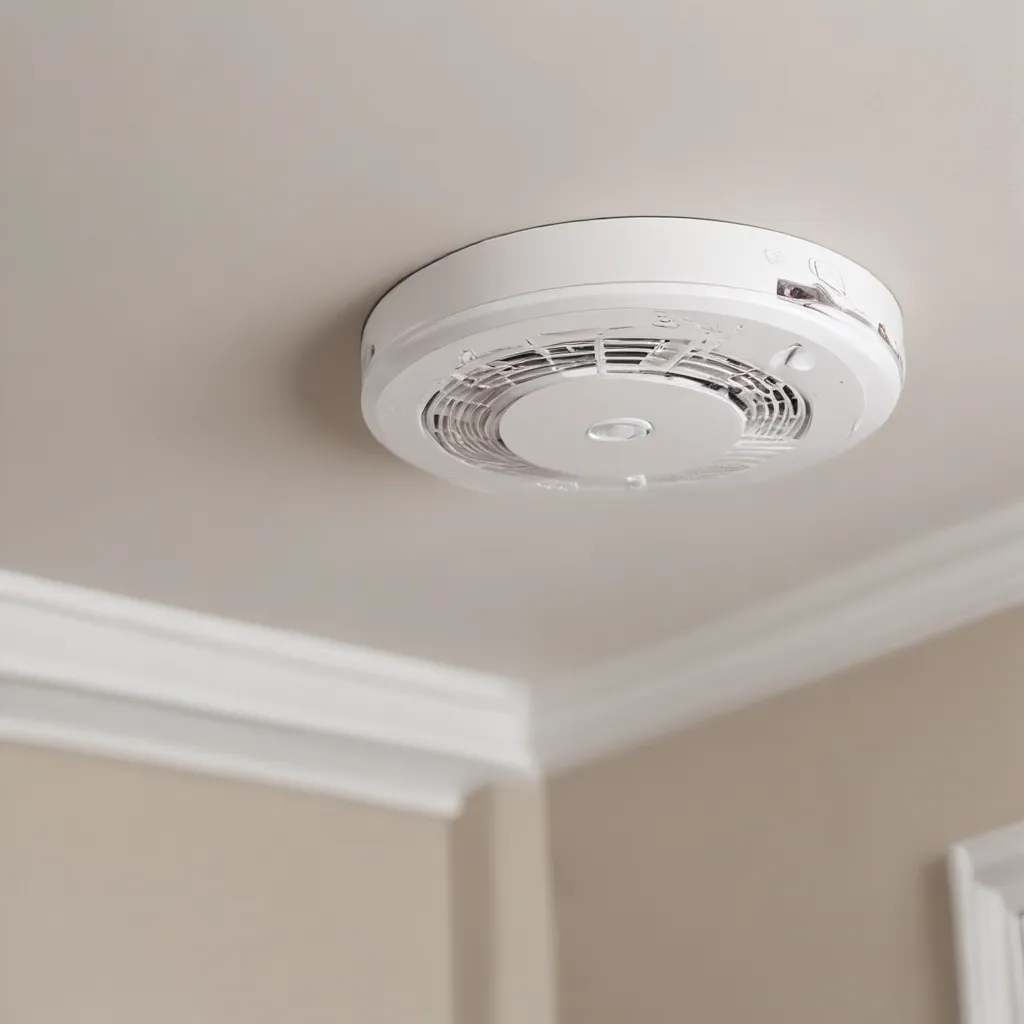
The Importance of Smoke and Carbon Monoxide Alarms
As a homeowner, there’s nothing more important than protecting your family from the dangers of fire, smoke, and carbon monoxide. These silent killers can strike without warning, leaving devastating consequences in their wake. That’s why ensuring your home is equipped with the latest and greatest in smoke and carbon monoxide detection technology should be a top priority.
I’ll never forget the scare my family had a few years back. It was a chilly winter night, and we were all cozied up watching a movie together when suddenly, our carbon monoxide alarm started blaring. Our hearts dropped as we realized there must be a dangerous gas leak somewhere in the house. Luckily, we were able to quickly evacuate and call emergency services. Turns out, a faulty furnace was the culprit, and we were able to get it repaired before any serious harm was done.
But not everyone is as fortunate. Carbon monoxide poisoning claims hundreds of lives each year, and house fires continue to be one of the leading causes of property damage and loss of life. That’s why I’m on a mission to ensure my family is protected with the latest and greatest in smoke and CO detection technology. And I’m here to share what I’ve learned with you, my fellow ABC Home readers.
The Evolution of Smoke and CO Alarms
Gone are the days of the old-school, ear-piercing smoke alarms that would go off at the slightest hint of steam from your morning shower. Today’s smoke and carbon monoxide detectors are true technological marvels, packed with features that make them smarter, more reliable, and more user-friendly than ever before.
One of the biggest advancements has been the shift towards dual-sensor alarms that combine both photoelectric and ionization technologies. According to the First Alert brand, this allows the alarm to detect a wider range of fire types, from slow-smoldering blazes to fast-flaming ones. No more false alarms from your morning toast mishaps, and quicker response times to real emergencies.
Another game-changer has been the rise of interconnected alarms that can communicate with each other throughout your home. So if one alarm is triggered, they all sound off, ensuring everyone is alerted to the danger, no matter where they are in the house. First Alert’s Wireless Interconnect Alarms even have LED indicators that can pinpoint the exact location of the triggered alarm, taking the guesswork out of the equation.
And let’s not forget about the advancements in carbon monoxide detection. These odorless, colorless gases can be deadly, yet they often go undetected until it’s too late. But modern CO alarms, like the First Alert Onelink Safe & Sound, are equipped with electrochemical sensors that can pick up on the slightest trace of this silent killer, giving you and your family the precious time you need to evacuate and call for help.
Choosing the Right Alarms for Your Home
With so many options on the market, it can be overwhelming to know which smoke and CO alarms are the best fit for your home. But fear not, I’m here to break it down for you.
First, you’ll want to decide whether you want hardwired or battery-operated alarms. Hardwired alarms, like the First Alert Onelink, offer the ultimate in reliable protection, as they’re connected directly to your home’s electrical system. They even come with a built-in battery backup, so you’re covered even in a power outage.
Battery-operated alarms, on the other hand, offer more flexibility in terms of placement and installation. They’re a great option for renters or older homes without the necessary wiring. Just be sure to choose a model with a long-lasting, 10-year sealed battery, like the First Alert 2-in-1 Smoke & CO Alarm, to avoid the hassle of constantly changing batteries.
Next, you’ll want to consider the sensor type. As I mentioned earlier, dual-sensor alarms that combine photoelectric and ionization technologies are the way to go for comprehensive fire protection. But if you have specific needs, like detecting fast-flaming fires or smoldering blazes, you may want to look into specialized alarms like the Universal Security Instruments Sensing Plus Alarms.
And don’t forget about interconnectivity. If you have multiple levels or bedrooms in your home, look for alarms that can communicate with each other, like the First Alert Wireless Interconnect Alarms. This ensures that everyone in your home will be alerted, no matter where the threat originates.
Finally, consider any additional features that might be useful for your specific needs. Some alarms, like the First Alert Onelink, come equipped with Alexa integration and high-quality speakers for added convenience and peace of mind.
Maintaining and Testing Your Alarms
Investing in top-notch smoke and CO alarms is only half the battle. To ensure your family’s safety, you’ll also need to stay on top of regular maintenance and testing. It’s a small task that can make a world of difference.
First and foremost, be sure to test your alarms monthly. I like to set a recurring reminder on my calendar to ensure I never forget. Simply press the test button and listen for the alarm to sound off. If it’s not working, it’s time to replace the batteries or the entire unit.
Speaking of batteries, make sure to swap them out every six months, even if you have a 10-year sealed battery alarm. I like to change them when we change the clocks for Daylight Saving Time – it’s an easy way to remember.
And don’t forget about cleaning! Dust and debris can quickly clog up the sensors, causing false alarms or, even worse, preventing the alarm from detecting a real emergency. Gently vacuum the exterior of your alarms once a month using the soft brush attachment, and consider using a can of compressed air to clear out any hard-to-reach nooks and crannies.
Finally, be sure to replace your alarms every 10 years, even if they seem to be functioning properly. Smoke and CO detectors have a finite lifespan, and updating to newer, more advanced models can provide an extra layer of protection for your family.
The Importance of a Home Escape Plan
While smoke and CO alarms are crucial for early detection, having a well-rehearsed home escape plan is equally important. After all, what good are the alarms if you and your loved ones don’t know how to safely evacuate when they go off?
Sit down with your family and map out at least two exit routes from every room in your home. Designate a meeting spot a safe distance away, like your mailbox or a neighbor’s house. And be sure to practice your escape plan at least twice a year, so everyone knows exactly what to do in the event of an emergency.
It’s also a good idea to keep a fire extinguisher on every level of your home, and make sure everyone knows how to use it. The First Alert EZ Fire Spray is a great option – small, easy-to-use, and effective on a variety of fire types.
Conclusion: Prioritizing Home Safety
At the end of the day, protecting your family from the dangers of fire, smoke, and carbon monoxide is one of the most important responsibilities a homeowner can have. And with the latest advancements in smoke and CO alarm technology, there’s really no excuse not to have your home outfitted with the best-of-the-best.
So what are you waiting for? Head on over to ABC Home and start exploring your options. From hardwired, interconnected alarms to specialized detectors and fire extinguishers, they’ve got everything you need to keep your loved ones safe.
Remember, a little bit of preparation and maintenance can go a long way. Test those alarms, swap out those batteries, and practice your escape plan. Because when it comes to home safety, there’s no such thing as being too cautious. Your family’s lives are worth it.


