
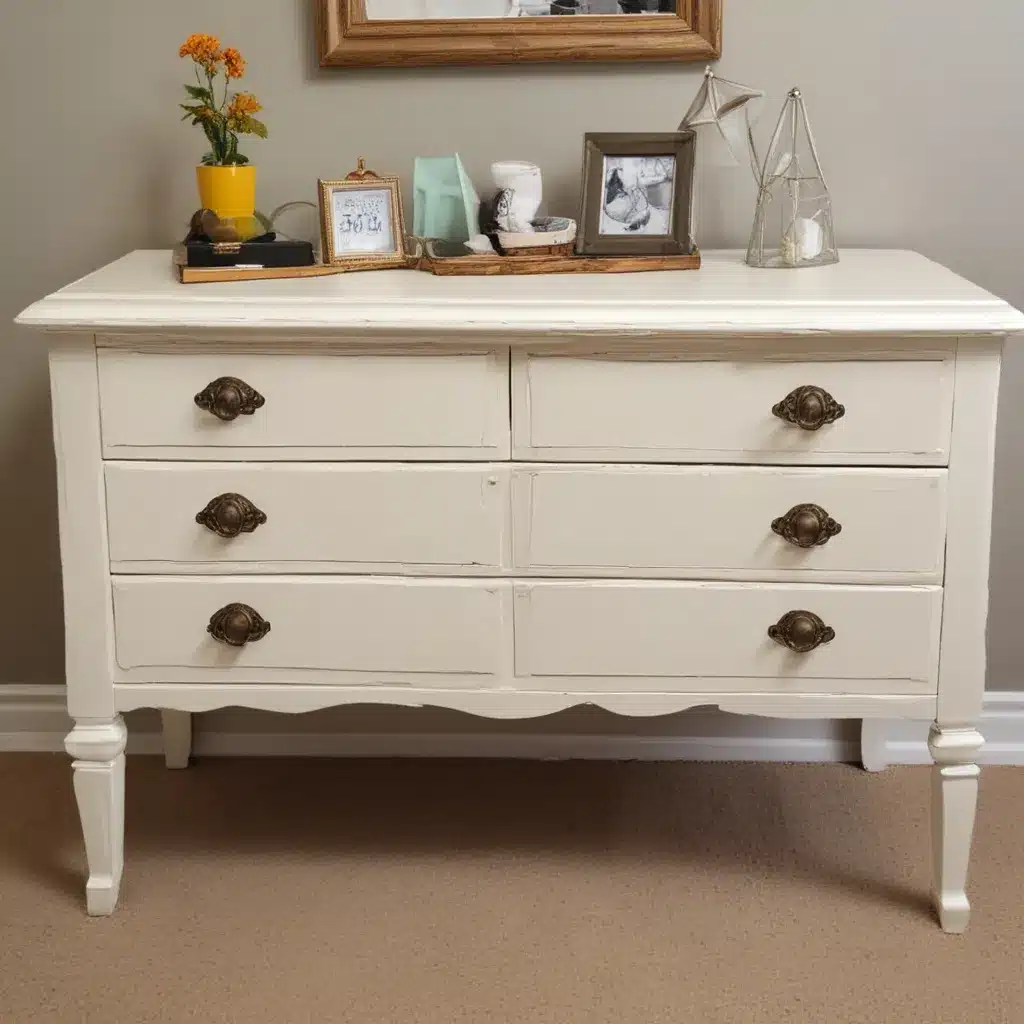
Unleash Your Inner Interior Designer: Transforming Drab to Fab with Ease
Ah, the joys of home renovation – where the possibilities are endless, and the potential for disaster lurks around every corner. As the owner of ABC Home Renovation, I’ve seen it all, from nightmarish DIY nightmares to stunning masterpieces that would make even the most seasoned interior designer green with envy. Today, I want to share with you a secret that can turn your tired, uninspired furniture into the talk of the town: quick and easy DIY makeovers.
So, you may be wondering, “But I’m no Martha Stewart – how on earth can I pull off a furniture makeover without ending up in the emergency room?” Fear not, my friends, for I have the answers you seek. In this comprehensive guide, I’ll walk you through the step-by-step process of transforming your drab, lifeless pieces into showstopping works of art. Get ready to channel your inner Picasso and prepare to amaze your guests with your newfound DIY superpowers.
The Beauty of Reinvention: Embracing the Potential in Tired Furniture
Have you ever found yourself strolling through a charity shop or scouring the local flea market, only to be captivated by a piece of furniture that seems to be begging for a second chance? Perhaps it’s a worn-out wooden dresser, a tattered armchair, or a dingy side table – the kind of items that would make even the most seasoned interior designer shudder. But I’m here to tell you that these outcasts of the furnishing world are hidden gems, just waiting to be polished and transformed into the centerpieces of your home.
You see, the true beauty of furniture makeovers lies in the power of reinvention. With a little elbow grease, a dash of creativity, and a whole lot of determination, you can breathe new life into these forgotten pieces and create something truly unique. Imagine the look on your friends’ faces when they walk into your living room and marveling at the stunning vintage-inspired armchair that you rescued from the depths of a dusty thrift store.
The DIY Furniture Makeover Toolkit: Your Guide to Success
Now, before you dive headfirst into your first furniture makeover project, it’s important to have the right tools and materials at your disposal. Think of this as your DIY toolkit – the essential items that will turn your vision into a reality.
First and foremost, you’ll need a good quality paint or stain. This is the foundation of your transformation, so choose wisely. Opt for a paint that is durable, long-lasting, and easy to apply. Chalk paint has become a popular choice for furniture makeovers, as it provides a lovely matte finish and adheres beautifully to a variety of surfaces.
Next, you’ll need some basic tools, such as:
– Sandpaper (varying grits for smooth and distressed finishes)
– Paint brushes (both angled and flat for precise application)
– Screwdrivers and a drill (for any necessary disassembly or hardware changes)
– Painter’s tape (to create clean, crisp lines)
– Gloves and a dust mask (for your protection during the sanding process)
Don’t forget the all-important finishing touches, like new hardware, decorative trim, or fabric for upholstery. These details can truly elevate your DIY piece and make it shine.
With your toolkit in hand, you’re ready to embark on your furniture makeover journey. But before you get started, there’s one more essential step: planning.
Plan Your Transformation: Visualizing the Possibilities
Before you even pick up a paint brush, it’s crucial to have a clear vision of what you want your finished piece to look like. This is where the fun really begins – let your creativity run wild and start brainstorming ideas.
Begin by taking a good, hard look at the piece you’re about to transform. What is its current state? Is it in need of a complete overhaul, or just a few minor tweaks? Consider the overall style and aesthetic you’re hoping to achieve. Do you want to go for a sleek, modern look? Or perhaps a rustic, farmhouse-inspired vibe is more your speed?
Once you’ve identified the direction you want to take, it’s time to start sketching out your design. Grab a pen and paper (or fire up your digital drawing app) and start playing around with different color schemes, patterns, and embellishments. Don’t be afraid to get a little wild – the beauty of DIY furniture makeovers is that you can always start over if your first idea doesn’t quite hit the mark.
As you’re planning, don’t forget to think about the practicalities as well. How will the piece function in your space? Will the new design and finish be durable enough to withstand daily use? By taking the time to plan and visualize your transformation, you’ll set yourself up for success and avoid any unexpected roadblocks along the way.
Sanding and Stripping: The Foundation of Your Makeover
With your plan in place, it’s time to roll up your sleeves and get to work. The first step in any furniture makeover is to prepare the surface for the new finish. This typically involves sanding or stripping the existing paint or stain.
Now, I know what you’re thinking: “Sanding? That sounds like a lot of hard work!” And you’d be right. Sanding can be a tedious and physically demanding task, but it’s an essential part of the process. Think of it as laying the foundation for your masterpiece – without a smooth, even surface, your new finish simply won’t adhere properly.
Depending on the condition of your piece, you may need to start with a coarser grit of sandpaper and work your way up to a finer one. This will help remove any stubborn paint or varnish and create a nice, even surface. Be sure to sand in the direction of the wood grain for the best results.
If your furniture is in particularly rough shape, you may need to reach for a chemical stripper. This powerful solution can help dissolve even the toughest finishes, but it’s important to use it with caution and proper ventilation. Follow the instructions carefully and take all necessary safety precautions.
Once you’ve stripped or sanded the piece to your liking, it’s time to give it a good, thorough cleaning. Wipe away any dust or debris, ensuring that the surface is smooth and ready for the next step in your transformation.
Painting and Staining: Unleashing Your Artistic Flair
With the hard work of prep done, it’s time to dive into the fun part – painting or staining your furniture. This is where you can really let your creative juices flow and start to bring your vision to life.
If you’ve decided to go the painting route, the key is to take your time and apply the paint in thin, even coats. This will help prevent drips and ensure a professional-looking finish. Don’t be afraid to experiment with different techniques, like dry brushing or sponging, to create unique textures and effects.
Staining, on the other hand, can give your furniture a beautiful, natural-looking finish. This is a great option if you want to preserve the character and grain of the wood. Simply apply the stain with a clean, lint-free cloth, working in the direction of the wood grain. Be sure to wipe away any excess to avoid an uneven appearance.
One of the best things about DIY furniture makeovers is the opportunity to play with color. Don’t be afraid to step outside your comfort zone and try something bold and unexpected. A vibrant, eye-catching hue can instantly transform a ho-hum piece into the star of the show.
As you’re painting or staining, remember to take your time and enjoy the process. This is your chance to truly make the piece your own, so have fun with it! And don’t be discouraged if your first attempt doesn’t turn out exactly as planned – practice makes perfect, and every mistake is a chance to learn and grow as a DIY furniture artist.
Distressing and Distressing: Adding Character and Personality
Now that you’ve got the base coat down, it’s time to take your DIY furniture makeover to the next level with a little bit of distressing. This technique can add depth, character, and a touch of vintage charm to your piece, transforming it from a generic, mass-produced item into a one-of-a-kind treasure.
Distressing can take many forms, from light sanding and strategic chipping to more dramatic techniques like intentional gouging and denting. The key is to approach it with a light hand and a keen eye for detail. You want the finished product to look naturally worn and weathered, not like it’s been through a battle.
One of my favorite distressing methods is to use a sandpaper block or a piece of steel wool to gently rub away the paint or stain in strategic areas. This can create the illusion of a well-loved piece that’s been passed down through the generations. You can also use a hammer or a screwdriver to create subtle dents and dings, giving the impression that the furniture has a rich history.
If you’re feeling particularly adventurous, you can even try techniques like burning or using a wire brush to create a more rugged, industrial look. Just be sure to take all necessary safety precautions and work in a well-ventilated area.
As you’re distressing your furniture, remember to step back and assess your work frequently. You want to achieve that perfect balance of intentional wear and tear, without going overboard. And don’t be afraid to experiment – the beauty of DIY is that you can always start over if you’re not happy with the results.
Finishing Touches: Elevating Your Masterpiece
With the painting, staining, and distressing complete, it’s time to put the finishing touches on your DIY furniture makeover. This is where you can really let your personality shine and transform your piece into a true work of art.
One of the easiest ways to add a personalized touch is to swap out the hardware. Whether it’s sleek, modern knobs or vintage-inspired pulls, new hardware can instantly elevate the look and feel of your furniture. Take some time to browse online or visit your local home goods store to find the perfect pieces that complement your design.
If your piece is in need of a little extra TLC, consider adding decorative trim or molding. This can be a great way to cover up any imperfections or create a more polished, finished look. You can find a variety of pre-made trim options at your local hardware store, or get creative and DIY your own using wood or even fabric.
And let’s not forget about the power of textiles! If you’re working with a piece that has upholstery, such as an armchair or sofa, consider reupholstering it with a bold, patterned fabric. This can instantly transform the look and feel of the entire piece, and it’s a great way to infuse your personal style.
As you’re adding these final touches, remember to step back and admire your handiwork. This is the moment where your vision truly comes to life, and you can bask in the glory of your DIY prowess. Soak in the satisfaction of taking a tired, forgotten piece and turning it into a stunning, one-of-a-kind treasure.
Showcasing Your Transformation: Tips for Displaying Your Masterpiece
With your DIY furniture makeover complete, it’s time to show off your hard work and creativity to the world. But where should you display your newly transformed piece? The answer, my friends, lies in the art of styling and placement.
One of the best ways to showcase your masterpiece is to give it a prominent spot in your home, such as the living room or entryway. This will immediately draw the eye and create a stunning focal point that sets the tone for the rest of your space. Consider placing it against a contrasting wall color or pairing it with complementary decor to really make it shine.
If you’re working with a smaller piece, such as a side table or accent chair, don’t be afraid to get creative with your placement. Think about unusual nooks and corners that could benefit from a touch of your DIY magic. A repurposed dresser in the bathroom or a revamped bookshelf in the home office can be a delightful surprise for your guests.
And let’s not forget about the power of styling. Accessorize your DIY furniture piece with carefully curated items that reflect your personal style. Arrange a few of your favorite books, a potted plant, or a striking piece of artwork to create a visually compelling display. The goal is to showcase your creation in a way that makes it the star of the show, while also complementing the overall aesthetic of your space.
As you’re finalizing the placement and styling of your DIY furniture makeover, remember to step back and admire your handiwork. Savor the sense of accomplishment and the joy of transforming a once-tired piece into a true showstopper. And who knows – your friends and family might just be so impressed that they’ll be begging you to work your magic on their own tired furniture.
Conclusion: Embrace the Power of DIY Furniture Makeovers
So there you have it, my fellow DIY enthusiasts – the secret to transforming tired, uninspired furniture into the talk of the town. With a little elbow grease, a dash of creativity, and a whole lot of determination, you can breathe new life into even the most forgotten pieces and create something truly unique and personal.
Remember, the beauty of DIY furniture makeovers lies in the power of reinvention. By embracing the potential in those tired, discarded items, you’re not just renovating a piece of furniture – you’re telling a story, infusing it with your own personal style and history.
So, what are you waiting for? Gather your toolkit, unleash your inner designer, and get ready to tackle your next furniture makeover project. Who knows, you might just surprise yourself with the stunning results. And if you ever need a little extra inspiration or guidance, you know where to find me – I’ll be here, ready to share more of my DIY secrets and help you create the home of your dreams.
Happy renovating, my friends!


