
Introducing the Woes of Weathering
Ah, the joys of homeownership – where every slight draft or whistle through the windows becomes an obsession. As a proud owner of an Aberdeen abode, I’ve had my fair share of battles with the elements. And let me tell you, nothing quite compares to the frustration of trying to keep the cold, rain, and unwanted guests at bay. That’s why I’m here to share my hard-earned wisdom on updating your weather stripping around doors and windows.
It all started with that first chilly autumn evening when I realized my trusty storm windows just weren’t cutting it anymore. The howling winds would whip through the gaps, leaving me shivering and reaching for another sweater. That’s when I knew it was time to take action and seal up those pesky leaks for good.
The Weather Stripping Wizardry
Now, I’ll admit, the world of weather stripping can be a bit daunting at first. It’s like trying to navigate a maze of foam, vinyl, and metal options, all promising to be the ultimate solution to your drafty woes. But fear not, my fellow Aberdeen homeowners, I’ve done the legwork so you don’t have to.
According to the Department of Energy, there are several types of weather stripping to choose from, each with its own unique benefits and drawbacks. Felt and open-cell foams are budget-friendly but susceptible to wear and tear, while vinyl and metal options offer more durability and a sleeker aesthetic. The key is to match the right material to the specific location – for example, a door bottom might need a more heavy-duty option than a window sash.
Seal the Deal: A Step-by-Step Guide
Ready to put your weather stripping prowess to the test? Let’s dive in, shall we?
Identifying the Culprits
The first step is to locate those pesky air leaks. Start by doing a thorough inspection of your doors and windows, running your hand along the edges to feel for any drafts. You can also try the old-fashioned “candle test” – light a candle and move it around the frames, watching for the flame to flicker and dance.
Measuring and Cutting
Once you’ve pinpointed the problem areas, it’s time to break out the tape measure and get to work. The Department of Energy recommends adding 5-10% to your measurements to account for any waste. Then, carefully cut the weather stripping to fit, making sure the ends meet seamlessly.
Applying with Precision
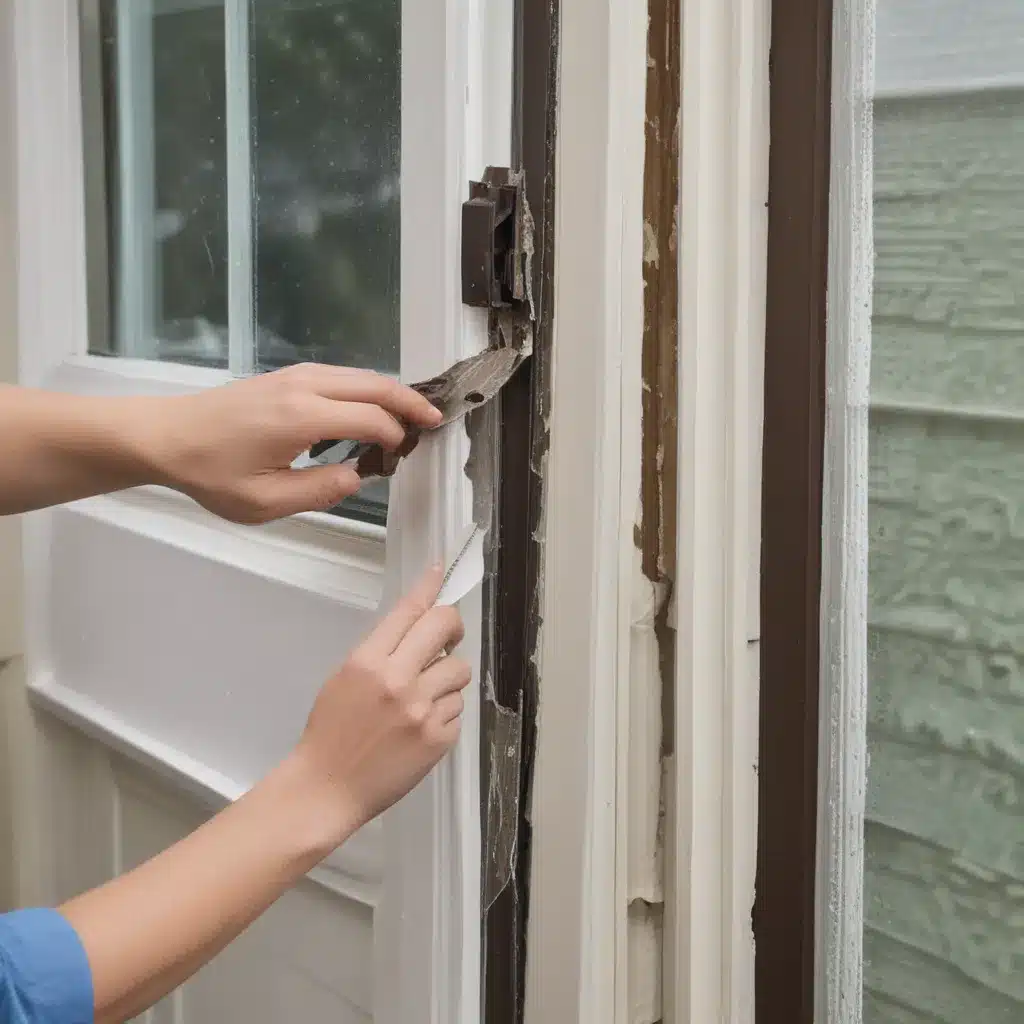
The key to a successful weather stripping installation is all in the application. Be sure to clean the surface thoroughly, then carefully press the stripping into place, starting at the corners and working your way in. For added security, you may want to use a few strategically placed staples or tacks.
Finishing Touches
Don’t forget to address any gaps or irregular spaces around the doors and windows. This is where the versatility of weather stripping really shines – you can often mix and match different types to create a custom seal.
The Rewards of Weatherproofing
Now, I know what you’re thinking – all this weather stripping talk sounds like a real chore. But trust me, the payoff is worth it. Not only will you say goodbye to those bone-chilling drafts, but you’ll also enjoy the benefits of improved energy efficiency and cost savings on your heating and cooling bills.
In fact, the team at ABC Home and Renovation estimates that proper weatherization can save homeowners up to 20% on their energy costs. And let’s not forget the added comfort of a cozy, well-sealed home. No more layering up just to sit on the sofa – it’s time to bask in the toasty warmth and enjoy the fruits of your labor.
So, my fellow Aberdeen dwellers, what are you waiting for? Grab your weather stripping and get to work – your home (and your wallet) will thank you.


