
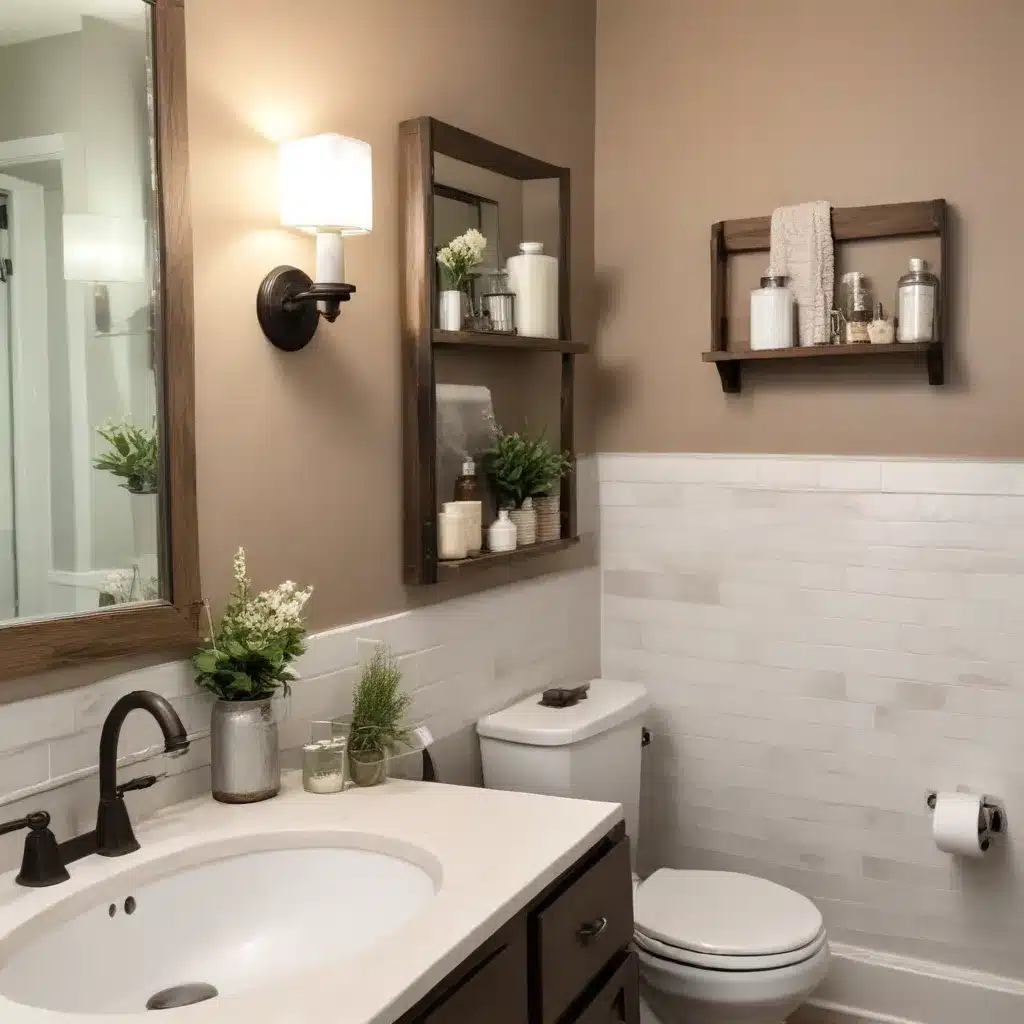
Unleashing the Potential of DIY Bathroom Renovations
When it comes to home improvement projects, few can match the transformative power of a well-executed bathroom renovation. Whether you’re looking to enhance the functionality, style, or energy efficiency of your space, embracing a DIY approach can be a cost-effective and rewarding solution, particularly in the UK market.
In this comprehensive guide, we’ll delve into the intricacies of bathroom renovations, exploring the latest regulations, sustainable building practices, and budget-friendly strategies that can help you breathe new life into your personal sanctuary. From tackling tile installations to optimizing storage solutions, our aim is to empower you with the knowledge and confidence to navigate the ever-evolving landscape of bathroom design and construction in the UK.
Regulatory Compliance: Ensuring Safety and Efficiency
In the UK, building regulations play a pivotal role in shaping the design and execution of any home improvement project, including bathroom renovations. Compliance with these standards is not only a legal requirement but also a crucial factor in ensuring the safety, functionality, and long-term viability of your investment.
Plumbing and Drainage:
One of the primary areas of focus when it comes to bathroom renovations is the plumbing and drainage system. Under the UK Building Regulations, all new or altered plumbing work must be carried out by a competent, registered professional, such as a qualified plumber. This includes the installation or modification of sinks, showers, baths, and toilets, as well as the associated pipework and drainage systems. Failure to comply with these regulations can result in costly repairs, potential water damage, and even safety hazards.
Electrical Work:
Electrical installations and modifications within the bathroom environment are subject to strict guidelines outlined in the UK Building Regulations. Any electrical work, including the installation or replacement of lighting fixtures, fans, or heating appliances, must be undertaken by a qualified, registered electrician. This ensures that the electrical system meets the necessary safety standards and remains compliant with the latest regulations.
Ventilation and Moisture Control:
Proper ventilation and moisture control are essential in bathrooms to prevent the buildup of condensation, mold, and other related issues. The UK Building Regulations stipulate specific requirements for the installation of mechanical or passive ventilation systems, as well as the use of moisture-resistant materials and finishes. Adhering to these guidelines can not only improve the indoor air quality but also protect the structural integrity of your bathroom.
Accessibility and Safety:
The UK Building Regulations also address accessibility and safety considerations, particularly for those with mobility challenges or special needs. This includes requirements for the installation of grab bars, handrails, and other accessibility features, as well as ensuring that the bathroom layout and design accommodate the needs of all users.
By familiarizing yourself with the relevant UK Building Regulations and partnering with qualified professionals, you can ensure that your bathroom renovation project not only meets legal requirements but also provides a safe, functional, and energy-efficient space for your home.
Sustainable Building Practices: Enhancing Eco-Friendliness
As the demand for environmentally conscious home improvements continues to grow, incorporating sustainable building practices into your bathroom renovation can provide long-term benefits for both your wallet and the planet. In the UK, there is a strong emphasis on promoting energy efficiency, water conservation, and the use of eco-friendly materials.
Energy-Efficient Lighting:
One of the easiest and most impactful ways to enhance the sustainability of your bathroom is by upgrading to energy-efficient lighting. This may involve the installation of LED fixtures, motion-sensor-activated lighting, or dimmable options that allow you to control the brightness and energy consumption. These upgrades can significantly reduce your carbon footprint and lead to ongoing cost savings on your energy bills.
Water-Saving Fixtures:
Water conservation is a crucial aspect of sustainable bathroom design in the UK. By replacing outdated plumbing fixtures with water-efficient alternatives, such as low-flow showerheads, faucets, and toilets, you can dramatically reduce your household’s water consumption and contribute to environmental preservation.
Insulation and Ventilation:
Proper insulation and ventilation play a vital role in maintaining a comfortable and energy-efficient bathroom environment. Upgrading your bathroom’s insulation, whether in the walls, ceiling, or around windows, can enhance thermal performance and minimize heat loss, resulting in lower energy demands for heating and cooling.
Eco-Friendly Materials:
When selecting materials for your bathroom renovation, consider options that are environmentally friendly, sustainable, and durable. This may include natural stone, recycled glass tiles, or bamboo vanities, all of which can add a touch of elegance while reducing the environmental impact of your project.
By incorporating these sustainable building practices into your bathroom renovation, you can not only enjoy a more energy-efficient and water-conscious space but also contribute to the broader movement towards greener, more responsible home improvements in the UK.
Budgeting and Cost-Effective Strategies
One of the primary concerns for homeowners when embarking on a bathroom renovation project is the associated cost. However, with strategic planning and a bit of creativity, it is possible to achieve your desired aesthetic while staying within a reasonable budget.
Prioritize and Plan Ahead:
Begin by identifying your must-have features and prioritizing them based on your needs and budget. This will help you allocate your resources effectively and avoid overspending on unnecessary upgrades. Additionally, plan your project well in advance to take advantage of seasonal sales, discounts, and promotions offered by local suppliers and retailers.
Embrace DIY Opportunities:
While certain tasks, such as plumbing and electrical work, require the expertise of licensed professionals, many other aspects of a bathroom renovation can be tackled through DIY efforts. This may include painting, tiling, upgrading fixtures, and installing storage solutions. By taking on these projects yourself, you can significantly reduce labor costs and develop a sense of accomplishment in the process.
Explore Cost-Effective Materials:
When it comes to materials, seek out cost-effective alternatives that still align with your desired aesthetic. For example, instead of high-end natural stone tiles, consider using porcelain or ceramic tiles that mimic the look at a fraction of the cost. Similarly, explore budget-friendly options for vanities, countertops, and fixtures that offer quality construction without the premium price tag.
Repurpose and Upcycle:
One person’s trash can be another’s treasure. Scour local flea markets, salvage yards, or online marketplaces for gently used or vintage pieces that can be repurposed and incorporated into your bathroom renovation. This not only adds character to your space but also allows you to achieve a unique and personalized look without breaking the bank.
Leverage the Power of Paint:
A fresh coat of paint can work wonders in transforming the appearance of your bathroom. Whether it’s refreshing the walls, refinishing cabinetry, or updating the vanity, paint is a cost-effective way to breathe new life into your space. Experiment with bold colors or create a cohesive palette to elevate the overall aesthetic.
By carefully planning your budget, leveraging DIY opportunities, and exploring creative cost-saving strategies, you can successfully revamp your bathroom without compromising on quality or design.
Practical Renovation Techniques and Solutions
Now that we’ve addressed the regulatory and sustainability aspects of bathroom renovations, let’s dive into the practical application of various techniques and solutions that can help you achieve your desired results.
Tile Installations:
Tiling is a popular choice for bathroom walls and floors, offering a wide range of design possibilities and long-lasting durability. When it comes to tile installation, consider using a subway tile pattern or a herringbone layout to add visual interest and a touch of elegance to your space. For a more budget-friendly option, opt for large-format tiles or explore the use of mosaic accents to create a custom-designed appearance.
Vanity and Storage Solutions:
The vanity and storage elements in a bathroom play a crucial role in both functionality and aesthetic appeal. If your existing vanity is in good condition but the surface needs an update, consider refinishing it with a fresh coat of paint or stain. Alternatively, you can transform a flea market find or repurposed piece of furniture into a unique vanity. Maximize storage by incorporating pullout shelves, baskets, and bins within the cabinetry to keep your essentials organized and easily accessible.
Lighting and Fixtures:
Updating the lighting and fixtures in your bathroom can have a significant impact on the overall ambiance and feel of the space. Invest in a statement light fixture, such as a chandelier or a sleek, contemporary design, to create a focal point. When it comes to plumbing fixtures, explore options that balance style and water efficiency, such as minimalist faucets or rain-style showerheads.
Textiles and Soft Furnishings:
Breathe new life into your bathroom by updating the textiles and soft furnishings. Replace dated towels, bath rugs, and shower curtains with fresh, coordinated pieces that complement the updated design. For a touch of personalization, consider sewing your own custom window treatments or adding patterned fabric to storage bins and baskets.
Finishing Touches:
The final touches can make all the difference in elevating the overall aesthetic of your bathroom renovation. Incorporate architectural elements, such as beadboard or shiplap, to add visual interest and a touch of character. Accessorize with vintage or repurposed items, such as a flea market console converted into a vanity or a bold, patterned mirror to create a one-of-a-kind look.
By combining these practical techniques and solutions, you can transform your bathroom into a space that not only meets your functional needs but also reflects your personal style and adheres to the latest UK building regulations and sustainable practices.
Cost Estimates and Budgeting Considerations
When embarking on a bathroom renovation project in the UK, it’s crucial to have a realistic understanding of the associated costs. While the exact figures may vary depending on the scope of your project, the location, and the specific materials and labor involved, we’ve compiled a general breakdown of estimated costs to help you plan your budget effectively.
Full Bathroom Renovation:
According to industry data, the average cost of a full bathroom renovation in the UK ranges from £6,100 to £16,600, with the median cost being around £10,000. This comprehensive project typically includes the replacement of all major fixtures, such as the vanity, toilet, bath, and shower, as well as tiling, plumbing, electrical work, and ventilation updates.
Partial Bathroom Renovation:
For a more focused, partial renovation, the costs can be significantly lower. Refreshing the bathroom with a new vanity, countertop, and fixtures can range from £2,000 to £5,000, while a simple cosmetic update involving paint, textiles, and minor hardware changes can be done for £500 to £1,500.
DIY Savings:
Embracing a DIY approach can lead to substantial cost savings, particularly for tasks such as painting, tiling, and installing storage solutions. Homeowners who take on these projects themselves can expect to save between 30% to 50% compared to hiring professional contractors.
Energy-Efficient Upgrades:
Investing in energy-efficient features, such as water-saving fixtures and LED lighting, may have a higher upfront cost but can result in long-term savings on utility bills. The average cost of a water-efficient showerhead ranges from £50 to £150, while LED light fixtures can be installed for £20 to £100 per fixture.
Sustainable Materials:
Eco-friendly building materials, such as reclaimed wood, recycled tiles, or bamboo vanities, can add a premium to the overall cost of your bathroom renovation. However, these investments often pay off in the form of increased durability, reduced environmental impact, and potential energy savings.
It’s important to note that these cost estimates serve as a general guide, and the actual figures may vary based on your specific location, the complexity of the project, and the quality of the materials and labor involved. By carefully planning your budget, prioritizing your must-have features, and exploring cost-saving strategies, you can achieve your desired bathroom renovation in the UK without exceeding your financial constraints.
Conclusion
Embarking on a bathroom renovation project in the UK can be a transformative and rewarding experience, allowing you to enhance the functionality, style, and sustainability of your personal sanctuary. By understanding the regulatory landscape, embracing eco-friendly building practices, and leveraging budget-friendly strategies, you can breathe new life into your bathroom without compromising on quality or design.
Whether you’re tackling a full-scale renovation or a targeted update, the key is to approach the project with a well-informed and methodical mindset. By partnering with qualified professionals, exploring DIY opportunities, and incorporating the latest trends and technologies, you can create a bathroom that not only meets your needs but also serves as a testament to your commitment to responsible and visually appealing home improvements.
As you embark on your bathroom renovation journey, remember to visit https://abc-home.co.uk/ for a wealth of resources, inspiration, and expert guidance to help you navigate the process with confidence and success. Transform your bathroom into a space that reflects your personal style, enhances your daily routine, and contributes to the broader movement towards sustainable and responsible home renovations in the UK.


