
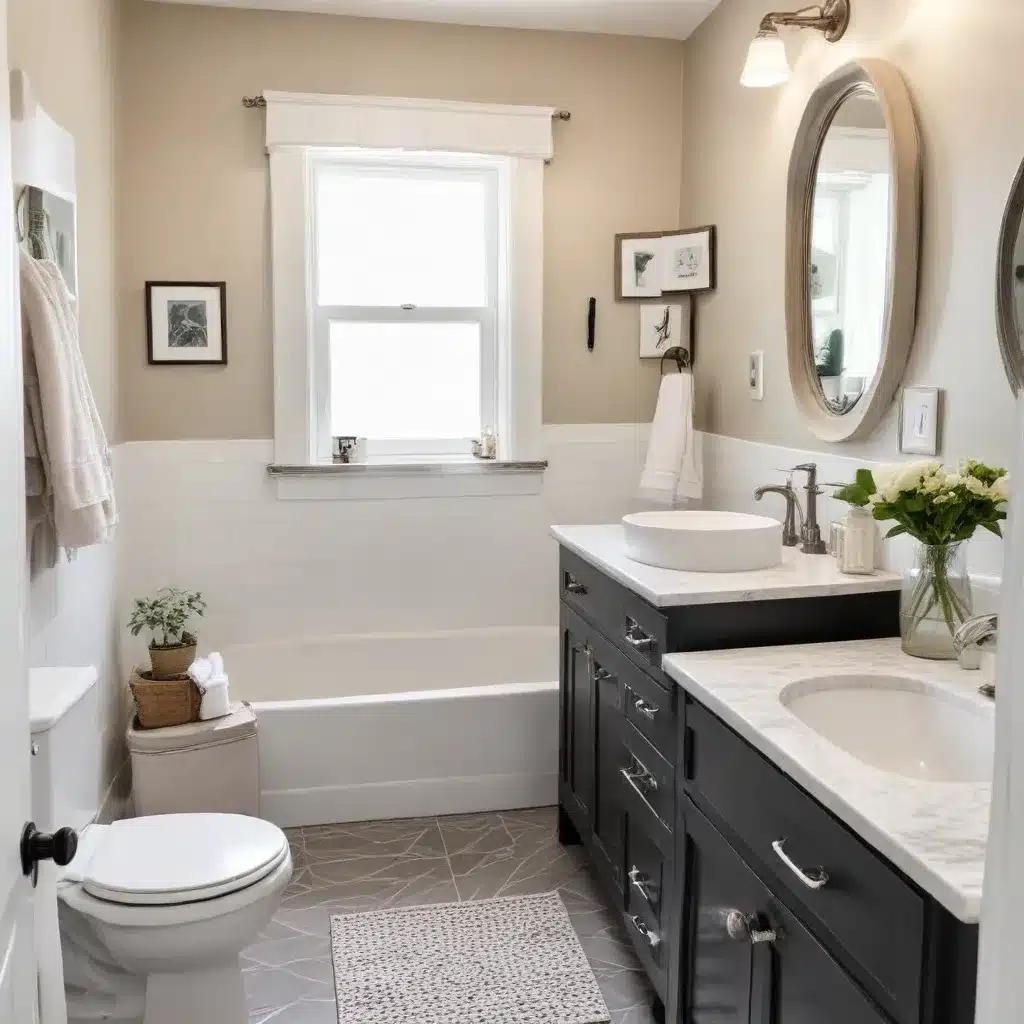
Unlocking the Potential of Your Bathroom: Balancing Affordability and Regulatory Compliance
Updating a bathroom can be a rewarding yet complex endeavor for homeowners in the UK. Whether you’re seeking to modernize an outdated space, improve energy efficiency, or simply enhance the overall aesthetics, navigating the intricate web of building regulations and cost management can be a daunting task. In this comprehensive guide, we’ll explore the key considerations and practical strategies to help you transform your bathroom on a budget while ensuring compliance with the latest UK standards.
Understanding the Regulatory Landscape
Ensuring compliance with UK building regulations is a critical aspect of any bathroom renovation project. These guidelines, enforced by local authorities, are designed to safeguard the health, safety, and well-being of occupants. As you embark on your bathroom update, it’s essential to familiarize yourself with the relevant regulations, which may include, but are not limited to:
- Building Regulations 2010: This comprehensive set of standards covers a wide range of construction-related requirements, including electrical, plumbing, and ventilation systems.
- Water Supply (Water Fittings) Regulations 1999: These regulations establish guidelines for the installation and maintenance of water fittings, such as taps, showers, and toilets, to ensure efficient and safe water usage.
- Approved Document G: Sanitation, Hot Water Safety and Water Efficiency: This document provides detailed guidance on the design and installation of sanitary facilities, hot water systems, and water efficiency measures.
By understanding these regulations and their implications, you can make informed decisions and ensure your bathroom renovation aligns with the legal and safety requirements set forth by the UK government.
Budgeting for Success: Cost-Effective Strategies
Updating a bathroom can be a significant investment, but with careful planning and creative thinking, it’s possible to achieve a stunning transformation on a tight budget. Here are some strategies to consider:
-
Prioritize Your Needs: Carefully evaluate your bathroom’s existing condition and identify the areas that require the most attention. This will help you allocate your budget wisely, focusing on the essential elements first and addressing secondary concerns as your budget allows.
-
Explore DIY Opportunities: Many bathroom renovation tasks, such as painting, tiling, and even some plumbing work, can be undertaken as DIY projects, provided you have the necessary skills and safety precautions in place. This can significantly reduce labor costs and allow you to stretch your budget further.
-
Seek Out Cost-Effective Materials: When selecting materials for your bathroom, explore options that offer a balance of quality and affordability. Look for tiles, vanities, and fixtures that provide the desired aesthetic without breaking the bank.
-
Leverage Recycled and Repurposed Items: Incorporating salvaged or reclaimed materials can be a creative and cost-effective way to update your bathroom. Consider repurposing old furniture, upcycling vintage mirrors, or sourcing second-hand fixtures and fittings.
-
Optimize Layout and Storage: Careful planning of your bathroom’s layout can help you maximize the available space and minimize the need for costly structural changes. Implement storage solutions, such as built-in shelves or vanity cabinets, to streamline the overall design and minimize clutter.
-
Take Advantage of Energy-Efficient Upgrades: Investing in energy-efficient fixtures, such as low-flow showerheads and water-saving toilets, can not only reduce your long-term utility costs but also contribute to a more sustainable home.
By adopting a strategic and cost-conscious approach, you can transform your bathroom without breaking the bank, all while ensuring compliance with the UK’s building regulations.
Sustainable Solutions for Your Bathroom
In addition to cost-effectiveness, environmental sustainability has become a growing concern for homeowners in the UK. As you plan your bathroom renovation, consider incorporating eco-friendly materials and practices to reduce your carbon footprint and contribute to a greener future.
-
Energy-Efficient Lighting: Replace outdated lighting fixtures with energy-efficient LED bulbs, which can provide the same level of illumination while consuming significantly less electricity.
-
Water-Saving Fixtures: Invest in high-efficiency showerheads, faucets, and toilets that meet the water-saving standards outlined in Approved Document G. These fixtures can help reduce your household’s water consumption and lower your utility bills.
-
Sustainable Materials: Explore the use of environmentally friendly materials, such as bamboo, reclaimed wood, or tiles made from recycled content. These options not only contribute to a more sustainable bathroom but also add unique character to your space.
-
Efficient Ventilation: Ensure your bathroom is equipped with a properly sized and functioning ventilation system to maintain indoor air quality and prevent moisture buildup, which can lead to mold and mildew growth.
-
Maximizing Natural Light: Wherever possible, incorporate natural lighting into your bathroom design, either through the use of windows, skylights, or strategically placed mirrors. This can reduce the need for artificial lighting and create a brighter, more inviting atmosphere.
By incorporating these sustainable solutions, you can not only enhance the overall environmental impact of your bathroom renovation but also enjoy long-term cost savings and a more comfortable, healthy living space.
Navigating the Transformation: A Step-by-Step Approach
Embarking on a bathroom renovation can be an exciting journey, but it’s important to approach it with a well-structured plan. Here’s a step-by-step guide to help you navigate the process:
-
Assess the Existing Condition: Carefully evaluate the current state of your bathroom, taking note of any issues or areas that need improvement. This will help you prioritize your renovation goals and identify the necessary changes.
-
Familiarize Yourself with Regulations: Thoroughly review the relevant building regulations and guidelines to ensure your proposed changes comply with UK standards. Consult with local authorities or industry professionals if you have any questions or concerns.
-
Develop a Detailed Plan: Create a comprehensive renovation plan that outlines your desired changes, budget, and timeline. This will help you stay organized, manage your costs, and ensure a smooth transformation.
-
Seek Professional Assistance: Consider collaborating with a licensed contractor, plumber, or electrician, especially for complex tasks such as plumbing, electrical work, or structural modifications. Their expertise can help you navigate the technical aspects of the renovation while ensuring compliance.
-
Implement Sustainable Solutions: Incorporate the eco-friendly strategies and energy-efficient upgrades discussed earlier to enhance the long-term sustainability and cost-effectiveness of your bathroom.
-
Prioritize Safety and Accessibility: If your renovation includes changes that impact accessibility, such as installing grab bars or widening doorways, ensure these modifications adhere to the relevant accessibility guidelines.
-
Monitor Progress and Communicate: Regularly review the progress of your renovation, address any issues that arise, and maintain open communication with your contractor or tradespeople to ensure a successful outcome.
-
Enjoy the Transformed Space: Once the renovation is complete, take the time to appreciate your newly transformed bathroom. Revel in the improved functionality, enhanced aesthetics, and the satisfaction of creating a space that meets your needs and aligns with UK building regulations.
By following this step-by-step approach, you can navigate the complexities of a bathroom renovation with confidence, ensuring a successful and compliant transformation that meets your needs and budget.
Conclusion: Embracing the Future of Bathroom Design
Updating your bathroom can be a rewarding and empowering experience, allowing you to create a space that not only meets your personal preferences but also aligns with the latest UK building regulations and sustainable best practices. By prioritizing cost-effectiveness, regulatory compliance, and environmental sustainability, you can transform your bathroom into a beautiful, functional, and future-proof haven.
As you embark on your bathroom renovation journey, remember to stay informed, plan meticulously, and seek professional guidance when necessary. By doing so, you can unlock the true potential of your bathroom and enjoy the long-term benefits of a well-designed and compliant space.
For more information and guidance on home improvement projects in the UK, be sure to visit https://abc-home.co.uk/, where you’ll find a wealth of resources, expert advice, and inspiring case studies to help you achieve your renovation goals.


