
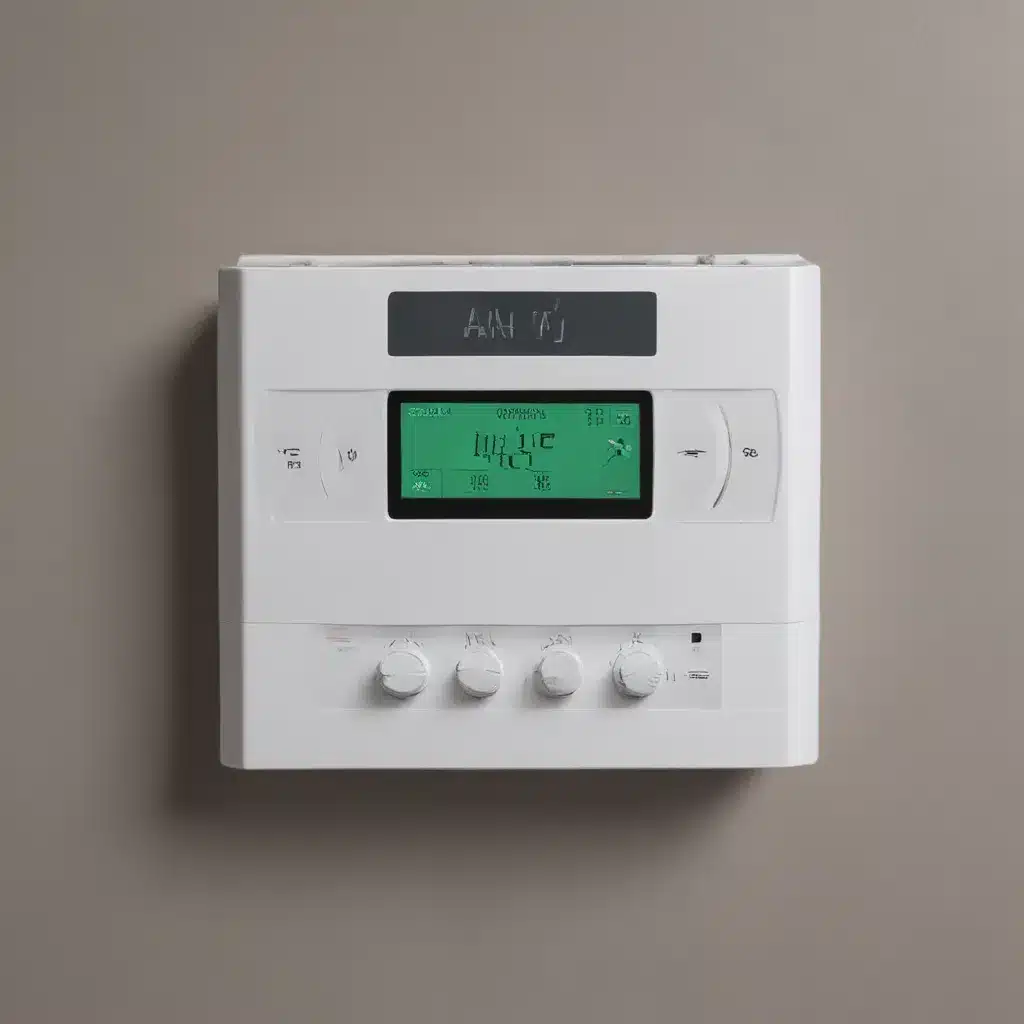
The Heating Conundrum: Manual Switches or Tech-Savvy Solutions?
As the chilly Aberdeen winters set in, the age-old debate rages on – do I stick with my trusty manual heating controls, or dive headfirst into the world of smart home technology? It’s a decision that can make even the most DIY-inclined homeowner scratching their head. But fear not, my friends, for I’m here to guide you through the pros and cons of both systems, armed with a healthy dose of wit and a sprinkle of personal anecdotes.
Let’s start with the old-school approach – the beloved manual heating controls. These unassuming little knobs and switches have been a staple in homes for generations, and for good reason. They’re simple, straightforward, and about as user-friendly as it gets. I still remember the days when I’d come home from a long day at work, kick off my shoes, and give that satisfying click as I turned up the heat. Ahh, the simple pleasures in life.
But alas, as we all know, technology marches on, and the smart home revolution has come knocking on our doors. These sleek, Wi-Fi-enabled thermostats promise to take the guesswork out of temperature control, allowing us to fine-tune our heating with the tap of a smartphone screen. No more trudging across the house to adjust the thermostat – now I can do it from the comfort of my easy chair, or even while I’m out and about. Talk about convenience, am I right?
The Battle of the Heating Controls: Manual vs. Smart
Now, I know what you’re thinking – “But Jenna, aren’t those smart thermostats a bit of a gimmick? Do I really need all that fancy tech just to keep my toes from freezing?” Fair point, my friend. Let’s dive a little deeper, shall we?
| Manual Heating Controls | Smart Heating Controls | |
|---|---|---|
| Complexity | Low – simple knobs and switches | High – require setup, programming, and integration with other smart home devices |
| Installation | Straightforward – usually just a matter of replacing the old unit | Can be more involved, may require professional installation |
| Energy Efficiency | Depends on user diligence – easy to forget to adjust the temperature | Advanced algorithms and remote access can optimize energy usage |
| Convenience | Requires physical interaction to adjust | Allows for remote adjustments from anywhere via smartphone or voice commands |
| Learning Curve | Minimal – most people are already familiar with manual controls | Steeper – can take time to get used to the new technology |
| Cost | Generally lower upfront cost | Higher initial investment, but can pay off in energy savings over time |
Now, I know what you’re thinking – “That’s all well and good, Jenna, but what about the real-world implications?” Well, let me tell you a little story.
Real-World Experiences: Embracing the Smart Home Revolution
I’ll never forget the day I decided to finally take the plunge and install a smart thermostat in my home. It was a bit of a leap of faith, I’ll admit, but I was determined to see if this whole “smart home” thing was really all it was cracked up to be. Let me tell you, the installation process was…an adventure, to say the least.
I had visions of seamlessly syncing my new thermostat with my smartphone, effortlessly controlling the temperature from anywhere. But alas, my tech-savvy dreams were quickly dashed as I spent what felt like an eternity trying to get the darn thing connected to my Wi-Fi. I’m pretty sure I used up an entire month’s worth of colorful language in the process.
But just when I was about to throw in the towel and revert back to my trusty manual controls, something magical happened. Once I got the system up and running, I started to see the benefits. I could set custom schedules to ensure the house was toasty warm when I got home from work, and even make adjustments on the fly from the comfort of my sofa. And the best part? I started seeing a noticeable difference in my energy bills. Suddenly, that initial frustration seemed more than worth it.
The Verdict: Smart or Manual?
So, where does that leave us in the great heating control debate? Well, my friends, the answer is – it depends. Both manual and smart heating controls have their own unique advantages and drawbacks, and the “right” choice really comes down to your personal preferences, tech-savviness, and home setup.
If you’re the type who loves to tinker with the latest gadgets and doesn’t mind a bit of a learning curve, then a smart thermostat might be the way to go. The ability to precisely control your heating from anywhere, coupled with the potential energy savings, can be a game-changer. But if you’re more of a “keep it simple” kind of person, or you’re working with an older home that might not play nicely with smart tech, then sticking with manual controls might be the safer bet.
Personally, I’m a bit of a tech enthusiast, so I’ve fully embraced the smart home revolution. But I know plenty of my friends and neighbors who are perfectly content with their trusty manual switches. And you know what? There’s no shame in either choice – it’s all about finding what works best for you and your home.
So, my fellow Aberdonians, the decision is yours. Will you join me in the brave new world of smart heating controls, or will you hold tight to the comforting familiarity of manual switches? Whatever you decide, just remember – stay warm, my friends, and may your toes never freeze.
And if you’re in the market for a bit of home renovation or heating system upgrades, be sure to check out ABC Home. They’re the experts in all things home improvement, and they’ll be happy to lend a hand, whether you’re team manual or team smart.


