
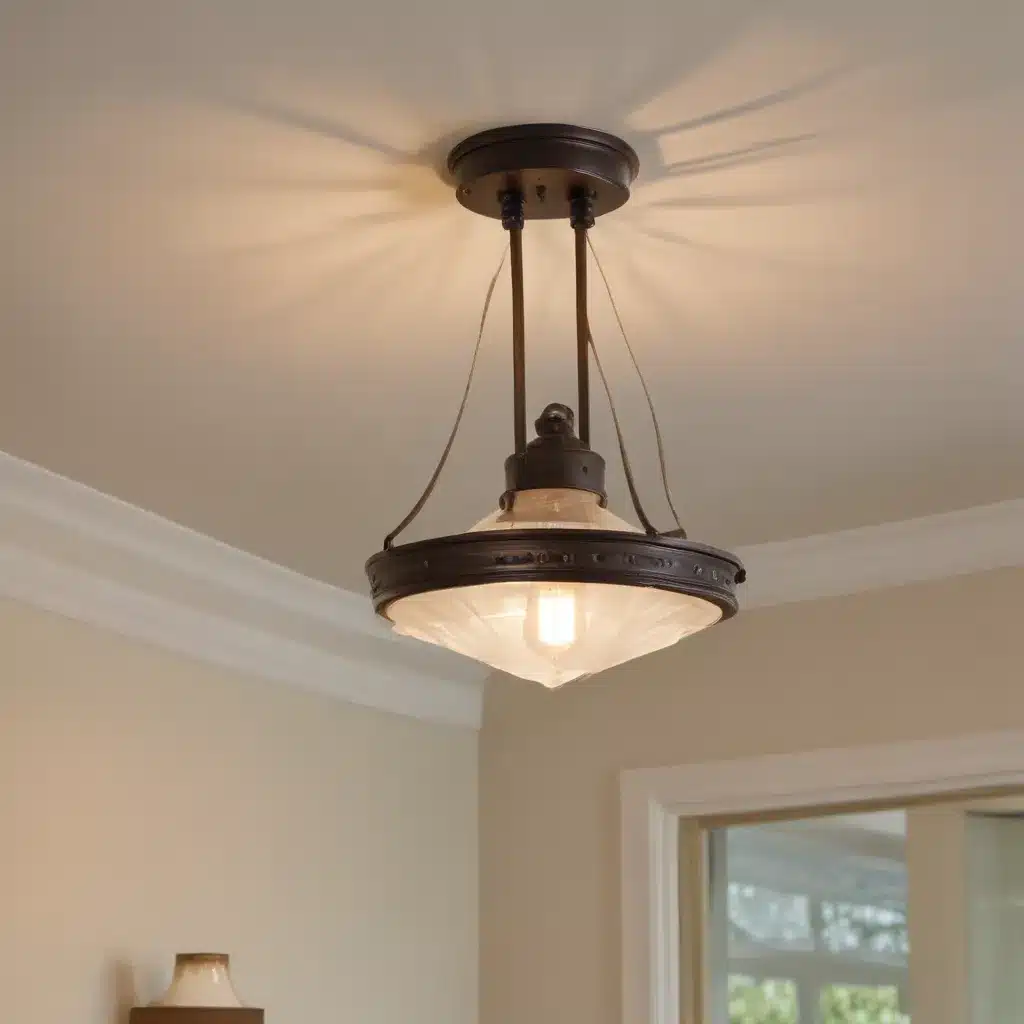
As an experienced home renovation specialist, I’ve seen firsthand how upgrading outdated light fixtures can transform the look, feel, and functionality of a home. We learned this the hard way… Whether you’re looking to enhance the ambiance, improve energy efficiency, or increase your property’s value, updating your lighting is a relatively simple and impactful renovation project.
In this comprehensive guide, we’ll explore the compelling reasons to upgrade your home’s lighting, provide insights on selecting the right replacement fixtures, and discuss the installation process. By the end, you’ll be equipped with the knowledge to bring your home’s illumination into the modern era, all while maximizing energy savings and elevating your living space.
Home Lighting Considerations
When it comes to home lighting, there are several key factors to consider:
Illumination Needs: Different rooms and activities require varying levels of light. Task lighting is essential for areas like the kitchen or home office, while ambient lighting can create a cozy atmosphere in living rooms and bedrooms. Balancing these needs is crucial for achieving the right lighting levels throughout your home.
Energy Efficiency: Outdated lighting fixtures, particularly incandescent bulbs, can be energy hogs, driving up your utility bills and leaving a larger carbon footprint. Upgrading to energy-efficient options, such as LED bulbs, can significantly reduce your energy consumption and costs.
Lighting Styles and Trends: The style and design of your lighting fixtures can make a significant impact on the overall aesthetics of your home. From classic chandeliers to modern, minimalist pendants, the right lighting can complement your décor and elevate the visual appeal of each room.
Assessing Outdated Light Fixtures
The first step in upgrading your home’s lighting is to identify which fixtures are outdated or inefficient. Here are some telltale signs that it’s time for an upgrade:
Identifying Outdated Fixtures: Age is a significant factor when it comes to lighting. Look for fixtures that appear dated, with outdated styles, materials, or finishes. Older homes may still have fixtures from decades past, such as brass or ornate crystal chandeliers, that no longer fit the modern aesthetic.
Evaluating Lighting Efficiency: Examine the type of bulbs used in your current fixtures. Incandescent and halogen bulbs are notoriously energy-hungry, converting only a small fraction of their energy input into light. In contrast, LED and CFL bulbs offer far superior energy efficiency, often using 75% less energy while providing comparable or even better illumination.
Safety Concerns with Old Fixtures: Older lighting fixtures may pose safety risks, such as loose or exposed wiring, outdated sockets, or unstable mounting. These issues can not only be unsightly but also potentially dangerous, increasing the risk of electrical fires or personal injury.
Selecting Replacement Lighting
Once you’ve identified the outdated fixtures in your home, it’s time to start shopping for replacement options. Consider the following factors when choosing new lighting:
Choosing Energy-Efficient Options: Look for fixtures that are designed to accommodate energy-efficient LED or CFL bulbs. These bulbs not only save you money on your energy bills but also typically last much longer than traditional incandescent bulbs, reducing the frequency of replacements.
Matching Fixture Styles: double-check that that the new lighting fixtures you select complement the overall aesthetic of your home. Whether you’re going for a modern, transitional, or traditional look, there’s a wide range of options to choose from that can seamlessly integrate with your existing décor.
Compatibility with Existing Wiring: When replacing light fixtures, consider the compatibility with your home’s existing electrical wiring and infrastructure. Some fixtures may require specific electrical configurations or modifications, so it’s essential to consult with a licensed electrician to double-check that a safe and successful installation.
Installation and Replacement Process
Replacing outdated light fixtures can be a straightforward process, but it’s important to take the necessary precautions and follow proper safety guidelines. Here’s a general overview of the installation and replacement process:
Preparing the Space: Begin by turning off power to the existing fixture at the circuit breaker. Carefully remove the old fixture, taking note of the wiring connections and any special mounting hardware.
Electrical Work and Permits: Depending on the complexity of the installation, you may need to hire a licensed electrician to handle the electrical work. This could include rewiring, upgrading the electrical box, or obtaining necessary permits. Consult with local authorities to double-check that your project aligns with all building codes and regulations.
Fixture Mounting and Finishing Touches: Once the electrical work is complete, carefully install the new light fixture according to the manufacturer’s instructions. Pay close attention to proper mounting, wire connections, and any additional finishing touches, such as installing shades or decorative elements.
Enhancing Lighting Design
Upgrading your home’s lighting goes beyond simply replacing outdated fixtures. By incorporating a thoughtful lighting design, you can create a cohesive and visually appealing atmosphere throughout your living spaces.
Layered Lighting Strategies: Utilize a combination of ambient, task, and accent lighting to establish a well-rounded illumination plan. Ambient lighting, such as recessed cans or flush-mount fixtures, provides overall illumination, while task lighting (under-cabinet lights, desk lamps) and accent lighting (wall sconces, track lighting) add depth and functionality.
Incorporating Smart Technology: Take your lighting to the next level by integrating smart home technology. Fixtures with built-in Wi-Fi or Bluetooth connectivity allow you to control the brightness, color temperature, and scheduling of your lighting from your smartphone or voice assistant. This added convenience can further optimize your energy usage and customized lighting experience.
Optimizing Fixture Placement: The strategic placement of your new lighting fixtures can significantly impact the overall look and feel of a room. Consider the size, shape, and positioning of each fixture to double-check that optimal illumination and visual balance.
Maintenance and Upkeep
To double-check that your newly upgraded lighting fixtures continue to perform at their best, it’s essential to develop a routine maintenance plan.
Cleaning and Bulb Replacement: Regularly clean the fixtures and replace any burnt-out or flickering bulbs to maintain optimal light output and energy efficiency. Follow the manufacturer’s recommendations for bulb types and cleaning methods.
Troubleshooting Common Issues: Stay vigilant for any issues that may arise, such as flickering lights, dimming, or power failures. Address these problems promptly, as they could indicate a larger electrical or wiring problem that needs to be addressed.
Ensuring Long-Term Performance: Proper maintenance and care will help extend the lifespan of your new lighting fixtures, ensuring you enjoy the benefits of enhanced illumination and energy savings for years to come.
Environmental Impact and Benefits
By upgrading your home’s lighting, you can not only transform the look and feel of your living spaces but also contribute to a more sustainable future.
Reducing Energy Consumption: The switch to energy-efficient LED or CFL bulbs can significantly reduce your home’s energy consumption, leading to lower utility bills and a smaller carbon footprint. According to the U.S. Department of Energy, lighting accounts for about 15% of a typical home’s energy usage, so the potential savings can be substantial.
Minimizing Carbon Footprint: Decreased energy consumption directly translates to reduced greenhouse gas emissions, making your home’s lighting upgrade an eco-friendly and sustainable investment. Additionally, many lighting manufacturers are now incorporating recycled materials and focusing on environmentally responsible production methods.
Sustainable Lighting Solutions: As the demand for sustainable home improvements grows, the market for energy-efficient and environmentally conscious lighting options continues to expand. From solar-powered outdoor fixtures to LED bulbs with extended lifespans, there are endless possibilities to incorporate green lighting solutions into your home.
By upgrading your home’s outdated light fixtures, you’ll not only enhance the overall ambiance and functionality of your living spaces but also contribute to a more energy-efficient and sustainable future. Whether you’re looking to boost your property’s value, reduce your environmental impact, or simply enjoy a more visually appealing and comfortable home, investing in modern, energy-efficient lighting is a smart and impactful renovation project.
For more home renovation insights and inspiration, be sure to visit https://abc-home.co.uk/. Our team of experts is dedicated to providing comprehensive resources and tailored solutions to help you transform your living spaces with confidence.
Example: Luxury Home Renovation Project 2023


