
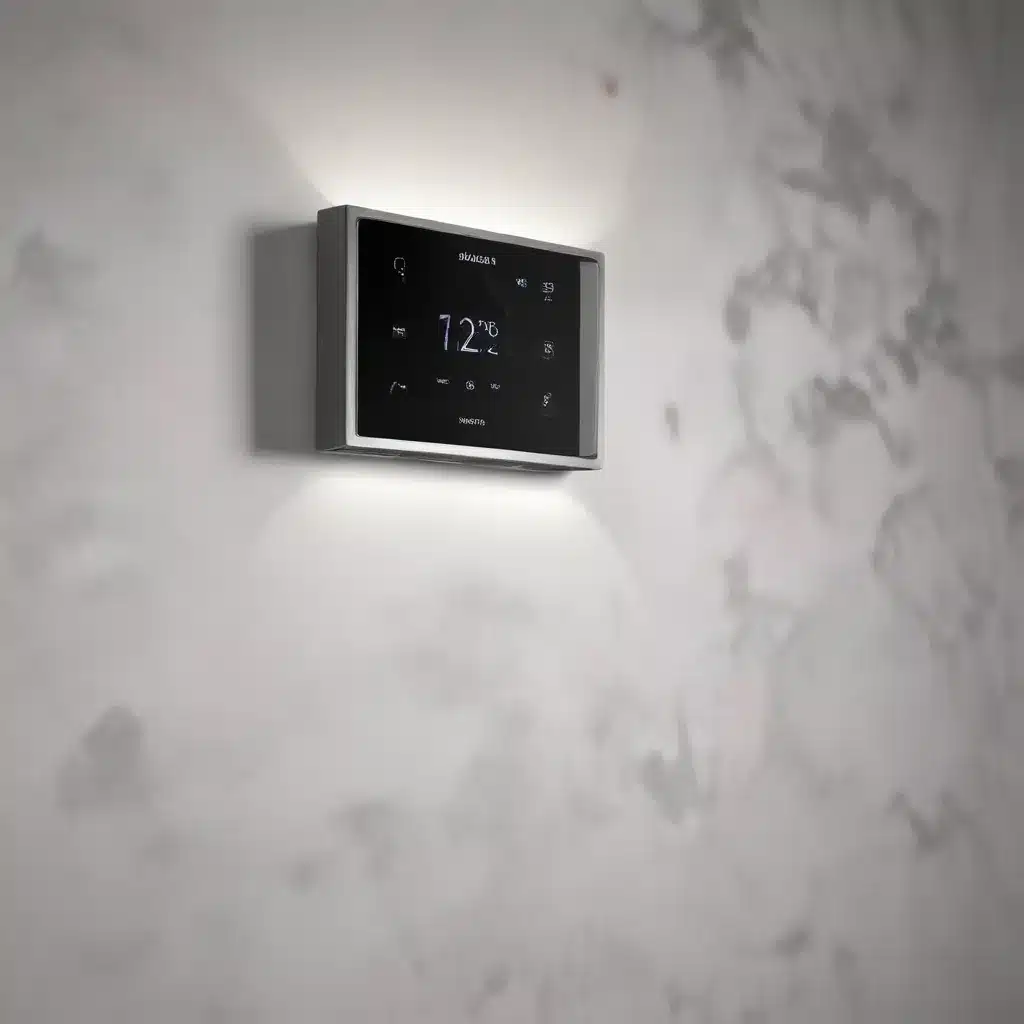
The Evolution of Bathroom Technology in Britain
The British bathroom has undergone a remarkable transformation in recent years. No longer simply a functional space, modern bathrooms are becoming sophisticated hubs of technology and comfort. This shift reflects broader changes in British society, where there is an increasing emphasis on home improvement and the integration of smart technology into everyday life.
In the past, a basic suite comprising a toilet, sink, and bath or shower was considered sufficient for most UK households. However, as lifestyles have evolved and technology has advanced, homeowners are now seeking more from their bathrooms. The desire for enhanced comfort, improved efficiency, and a touch of luxury has driven the development of high-tech fixtures and fittings.
This trend towards technologically advanced bathrooms is not merely about keeping up with the latest gadgets. It represents a fundamental change in how we view the role of the bathroom in our homes. For many Britons, the bathroom has become a retreat—a place for relaxation and self-care. As such, there is a growing willingness to invest in features that can transform this once-utilitarian space into a personal sanctuary.
Smart Mirrors: The New Centrepiece of Modern Bathrooms
One of the most striking innovations in bathroom technology is the smart mirror. These devices are rapidly becoming a focal point in many UK bathrooms, offering a range of functions that go far beyond simple reflection.
Smart mirrors typically feature built-in LED lighting, which can be adjusted to simulate different lighting conditions. This is particularly useful for applying makeup or shaving, as it allows users to see how they will look in various settings. Many models also include anti-fog technology, ensuring a clear reflection even after a steamy shower.
However, the true intelligence of these mirrors lies in their connectivity. Many smart mirrors can connect to the internet, allowing users to check the weather, read news headlines, or even watch videos while getting ready in the morning. Some advanced models incorporate voice control, enabling hands-free operation—a particularly useful feature in a bathroom environment.
| Feature | Description | Typical Price Range (GBP) |
|---|---|---|
| LED Lighting | Adjustable lighting for various conditions | £200 – £500 |
| Anti-Fog Technology | Prevents mirror from steaming up | £100 – £300 |
| Internet Connectivity | Access to weather, news, and other online information | £300 – £700 |
| Voice Control | Hands-free operation of mirror functions | £400 – £800 |
While smart mirrors offer numerous benefits, it’s important to consider the practicalities of installation. Many models require a power source and potentially an internet connection, which may necessitate some rewiring or additional infrastructure. Homeowners should consult with a qualified electrician to ensure safe and compliant installation.
Digital Showers: Precision Control for the Perfect Shower Experience
The humble shower has come a long way from the days of struggling to find the right temperature. Digital showers are revolutionising the bathing experience for many UK homeowners, offering unprecedented control and convenience.
At the heart of a digital shower system is a processor that precisely controls water temperature and flow. Users can set their preferred temperature, often to within a fraction of a degree, ensuring a consistent and comfortable shower every time. This level of control not only enhances comfort but can also contribute to water conservation by reducing the time spent adjusting the temperature.
Many digital shower systems come with programmable presets, allowing different family members to quickly access their preferred settings. Some advanced models even offer smartphone integration, enabling users to start their shower remotely—perfect for those chilly winter mornings when you want the water warm before stepping into the bathroom.
Another advantage of digital showers is their potential for water and energy savings. By providing precise control over water flow and temperature, these systems can help reduce waste. Some models include eco-settings that automatically adjust water usage without compromising on the shower experience.
| Feature | Description | Potential Savings |
|---|---|---|
| Temperature Control | Precise setting to within 0.5°C | Up to 10% on heating |
| Flow Control | Adjustable water flow for efficiency | Up to 20% on water |
| Programmable Presets | Quick access to preferred settings | Time and convenience |
| Eco-Settings | Optimised water usage | Up to 30% on water |
When considering a digital shower, it’s crucial to ensure compatibility with your home’s plumbing system. Most digital showers work with both high-pressure (combi boiler) and low-pressure (gravity-fed) systems, but it’s always wise to check specifications and consult with a professional installer.
High-Tech Toilets: Enhancing Hygiene and Comfort
The toilet, often overlooked in bathroom design, is undergoing a technological revolution of its own. High-tech toilets are becoming increasingly popular in the UK, offering features that enhance both hygiene and comfort.
One of the most notable advancements is the integration of bidet functionality into modern toilets. These systems use water jets for cleaning, reducing or eliminating the need for toilet paper. This not only improves personal hygiene but can also be more environmentally friendly by reducing paper waste.
Many high-tech toilets also feature automatic functions such as lid opening and closing, flushing, and self-cleaning. These touchless operations contribute to improved hygiene by minimising contact with surfaces. Some models even incorporate UV light technology to sanitise the bowl after each use.
Comfort features are another hallmark of high-tech toilets. Heated seats, adjustable water temperature for bidet functions, and even built-in air fresheners are becoming standard in premium models. Some toilets also offer user recognition, automatically adjusting settings based on who is using the facilities.
| Feature | Description | Approximate Cost (GBP) |
|---|---|---|
| Bidet Functionality | Water jets for personal cleaning | £500 – £1,000 |
| Automatic Functions | Touchless operation for improved hygiene | £300 – £700 |
| Heated Seat | Adjustable temperature for comfort | £200 – £500 |
| UV Sanitisation | Light-based cleaning of the bowl | £400 – £800 |
While high-tech toilets offer numerous benefits, they often require both a water connection and an electrical outlet. This may necessitate some bathroom remodelling, particularly in older UK homes where power points in bathrooms are less common. Always consult with a qualified electrician to ensure any installations meet current UK electrical safety standards.
Smart Taps: Efficiency and Convenience at Your Fingertips
The humble tap has not been left behind in the technological revolution of the bathroom. Smart taps are becoming increasingly popular in UK homes, offering a blend of style, efficiency, and convenience.
One of the primary features of smart taps is touchless operation. Using infrared sensors, these taps can detect hand movement and automatically turn on and off. This not only enhances hygiene by reducing contact with surfaces but can also contribute to water conservation by ensuring the tap is only running when needed.
Many smart taps also offer precise temperature control. Unlike traditional mixer taps where finding the right temperature can be a matter of trial and error, smart taps often allow users to set exact temperatures. Some models even have programmable presets, allowing different users to quickly access their preferred settings.
Water conservation is a key benefit of many smart tap systems. Some models include flow regulators that can significantly reduce water usage without compromising on performance. Others have built-in timers or automatic shut-off features to prevent taps from being left running unnecessarily.
| Feature | Description | Water Saving Potential |
|---|---|---|
| Touchless Operation | Infrared sensors for automatic on/off | Up to 15% |
| Temperature Control | Precise setting of water temperature | Varies |
| Flow Regulation | Optimised water flow for efficiency | Up to 30% |
| Automatic Shut-off | Prevents taps being left running | Up to 20% |
While smart taps offer numerous advantages, it’s important to consider the installation requirements. Many models require both a water connection and a power source, which may necessitate some rewiring in your bathroom. Always consult with a qualified plumber and electrician to ensure proper installation and compliance with UK building regulations.
Integrated Sound Systems: Bringing Audio to Your Bathroom
The integration of sound systems into bathrooms is a trend that’s gaining momentum in the UK. These systems allow homeowners to enjoy music, podcasts, or even the morning news while getting ready for the day or relaxing in the bath.
Modern bathroom sound systems are designed to withstand the humid environment of a bathroom. Many are waterproof and steam-resistant, ensuring longevity and safety. These systems often come in the form of ceiling speakers, shower heads with built-in speakers, or even water-resistant floating speakers for use in the bath.
One of the key advantages of integrated sound systems is their seamless fit into the bathroom environment. Unlike portable speakers, which can clutter surfaces and are at risk of water damage, integrated systems blend into the bathroom design. Many can be controlled via Bluetooth, allowing users to connect their smartphones or tablets to stream audio.
Some advanced systems even offer voice control capabilities, allowing users to change tracks, adjust volume, or even control other smart bathroom features without wet hands touching any devices. This integration of audio and other smart technologies creates a truly immersive and convenient bathroom experience.
| Feature | Description | Approximate Cost (GBP) |
|---|---|---|
| Waterproof Speakers | Designed for humid bathroom environments | £100 – £500 |
| Bluetooth Connectivity | Wireless streaming from mobile devices | £50 – £200 |
| Voice Control | Hands-free operation of audio and other functions | £200 – £600 |
| Multi-Room Audio | Integration with whole-home sound systems | £300 – £1,000 |
When considering an integrated sound system for your bathroom, it’s important to think about the acoustics of the space. Bathrooms, with their hard surfaces, can create challenging sound environments. Consulting with an audio specialist can help ensure optimal speaker placement and sound quality.
Heated Floors: Comfort Underfoot
Heated bathroom floors, once considered a luxury, are becoming increasingly common in UK homes. These systems not only provide comfort underfoot but can also contribute to the overall heating efficiency of your home.
There are two main types of underfloor heating systems: electric and water-based (hydronic). Electric systems are generally easier and less expensive to install, making them a popular choice for bathroom renovations. They consist of electric heating mats or cables installed beneath the floor covering. Water-based systems, while more complex to install, can be more efficient to run, especially when connected to a modern condensing boiler or a heat pump.
One of the key advantages of underfloor heating is its ability to provide even heat distribution across the room. This can be more comfortable and efficient than traditional radiators, which tend to create hot and cold spots. Underfloor heating also frees up wall space, allowing for more flexible bathroom design.
Many modern underfloor heating systems come with smart controls, allowing users to programme heating schedules, set different temperatures for different times of day, and even control the system remotely via smartphone apps. This level of control can contribute to energy efficiency by ensuring the heating is only on when needed.
| System Type | Installation Cost (GBP/m²) | Running Cost (GBP/year for 4m² bathroom) | Lifespan (years) |
|---|---|---|---|
| Electric | £50 – £75 | £20 – £30 | 20 – 35 |
| Water-based | £80 – £150 | £15 – £25 | 40 – 50 |
When considering underfloor heating, it’s important to factor in the impact on floor height. Electric systems add minimal height, but water-based systems can raise the floor level by 15-20mm. This may necessitate adjustments to doors or transitional thresholds. Always consult with a qualified installer to ensure the system is appropriate for your bathroom and complies with UK building regulations.
Smart Storage Solutions: Maximising Space and Functionality
In many UK homes, particularly in urban areas, bathroom space is at a premium. Smart storage solutions are becoming increasingly important in making the most of available space while maintaining a clean and uncluttered aesthetic.
One popular trend is the use of recessed storage. This involves creating storage spaces within the walls, often behind mirrors or in previously unused corners. These recessed areas can house everything from toiletries to towels without protruding into the room, maintaining a sleek and spacious feel.
Another innovation is the rise of multi-functional furniture. For example, vanity units with integrated storage not only provide a surface for the sink but also offer drawers or cupboards for storage. Some models even include features like built-in electrical outlets for hairdryers or electric toothbrushes, keeping these items neatly tucked away when not in use.
Vertical space is often underutilised in bathrooms. Tall, narrow cabinets or shelving units can provide ample storage without taking up much floor space. Some innovative designs include pull-out or rotating shelves, making it easier to access items stored at the back.
| Storage Solution | Space Saving Potential | Approximate Cost (GBP) |
|---|---|---|
| Recessed Storage | Up to 0.5m² per unit | £200 – £500 |
| Multi-functional Vanity | Up to 0.3m² per unit | £300 – £1,000 |
| Vertical Cabinets | Up to 0.2m² per unit | £150 – £400 |
When implementing smart storage solutions, it’s important to consider the specific needs of your household. Think about the items you use most frequently and ensure they are easily accessible. Also, consider the moisture levels in your bathroom and choose storage solutions that are resistant to humidity to prevent mould and mildew growth.
Energy-Efficient Lighting: Illuminating the Future
Lighting plays a crucial role in bathroom design, not only for functionality but also for creating ambiance. The latest trends in bathroom lighting focus on energy efficiency and smart controls, offering both environmental and cost benefits.
LED lighting has become the standard for energy-efficient illumination. These lights use significantly less energy than traditional incandescent or even CFL bulbs, and they have a much longer lifespan. In a bathroom setting, LEDs are particularly useful as they come to full brightness immediately, unlike some energy-saving bulbs that take time to warm up.
Smart lighting systems take efficiency a step further by allowing precise control over when and how lights are used. These systems can be programmed to adjust brightness levels throughout the day, mimicking natural light patterns. Some can even be controlled via smartphone apps or voice commands, allowing users to turn lights on or off, or adjust settings, without touching switches with wet hands.
Task lighting is another area where modern technology is making a difference. Illuminated mirrors, for instance, provide even, shadow-free lighting that’s ideal for tasks like shaving or applying makeup. Many of these mirrors come with adjustable colour temperature settings, allowing users to see how they’ll look in different lighting conditions.
| Lighting Type | Energy Efficiency (lumens/watt) | Lifespan (hours) | Approximate Cost (GBP) |
|---|---|---|---|
| LED | 80-100 | 25,000-50,000 | £5 – £15 per bulb |
| Smart LED System | 80-100 | 25,000-50,000 | £50 – £200 per set |
| Illuminated Mirror | Varies | 20,000-30,000 | £100 – £500 |
When planning your bathroom lighting, consider layering different types of lights for optimal functionality and ambiance. Combine overhead lighting with task lighting and accent lights to create a versatile and inviting space. Always ensure that any lighting fixtures installed in the bathroom are rated for use in wet areas and comply with UK electrical safety standards.
Water-Saving Technologies: Conserving Resources Without Compromise
Water conservation is an increasingly important consideration in UK bathroom design, driven by both environmental concerns and the desire to reduce utility bills. Fortunately, modern technology offers numerous ways to save water without compromising on the quality of the bathroom experience.
Low-flow fixtures are at the forefront of water-saving technology. These include showerheads, taps, and toilets designed to use less water while maintaining performance. For example, aerated showerheads mix air with water to create the sensation of high water pressure while actually using less water. Similarly, dual-flush toilets allow users to choose between a full or partial flush depending on need, significantly reducing water usage over time.
Smart water meters are another innovation gaining traction in the UK. These devices provide real-time information about water usage, helping homeowners identify and address wasteful practices. Some advanced systems can even detect unusual flow patterns that might indicate leaks, potentially saving significant amounts of water and preventing property damage.
Greywater recycling systems are becoming more common in eco-conscious homes. These systems collect water from sinks, showers, and baths, treat it, and then reuse it for purposes like toilet flushing or garden irrigation. While more complex to install, these systems can dramatically reduce overall household water consumption.
| Technology | Water Saving Potential | Approximate Cost (GBP) | Annual Savings (GBP) |
|---|---|---|---|
| Low-Flow Showerhead | Up to 60% | £20 – £100 | £70 – £100 |
| Dual-Flush Toilet | Up to 50% | £150 – £300 | £50 – £80 |
| Smart Water Meter | Up to 20% | £100 – £300 | £30 – £60 |
| Greywater System | Up to 50% | £2,000 – £4,000 | £150 – £250 |
When implementing water-saving technologies, it’s important to consider the specific needs and usage patterns of your household. While the initial cost of some systems may be high, the long-term savings in water bills can be substantial. Additionally, many water companies in the UK offer incentives or rebates for installing water-saving devices, which can help offset the initial investment.
Smart Home Integration: Connecting Your Bathroom to Your Life
The concept of the smart home is rapidly expanding to include the bathroom, with various fixtures and systems now capable of integrating with wider home automation networks. This integration not only enhances convenience but can also contribute to improved energy efficiency and water conservation.
One of the key advantages of smart home integration is the ability to control multiple bathroom functions from a single interface, often a smartphone app or a central home control panel. This can include adjusting lighting, setting the perfect shower temperature, or even starting to fill the bath before you get home.
Voice control is becoming increasingly common in smart bathrooms. Compatible with popular voice assistants, this technology allows hands-free control of various bathroom functions, from adjusting the lighting to playing music or even checking the weather while you’re getting ready in the morning.
Energy management is another significant benefit of smart home integration. By connecting your bathroom’s heating, lighting, and water systems to a central smart home system, you can optimise energy usage based on your daily routines. For example, the system could automatically lower the bathroom heating when the house is empty and warm it up just before you typically return home.
| Feature | Description | Potential Benefit |
|---|---|---|
| Centralised Control | Manage all bathroom functions from one interface | Convenience |
| Voice Control | Hands-free operation of various bathroom features | Ease of use |
| Energy Optimisation | Automatic adjustment of heating and lighting | Cost savings |
| Water Management | Smart control of water usage and leak detection | Resource conservation |
When considering smart home integration for your bathroom, it’s important to ensure compatibility between different systems and devices. Look for products that support common smart home protocols like Zigbee, Z-Wave, or Wi-Fi. It’s also crucial to consider the security implications of connecting bathroom devices to your home network and ensure that proper safeguards are in place to protect your privacy.
Regulatory Compliance and Safety Considerations
While the adoption of high-tech fixtures can greatly enhance the bathroom experience, it’s crucial to ensure that all installations comply with UK building regulations and safety standards. This is particularly important in bathrooms, where the combination of water and electricity creates potential hazards.
One of the key regulations to be aware of is Part P of the Building Regulations, which covers electrical safety in dwellings. This regulation stipulates that certain electrical work in bathrooms must be carried out by a registered competent person. This includes the installation of electric showers, underfloor heating systems, and any new electrical circuits.
Water regulations are another important consideration. The Water Supply (Water Fittings) Regulations 1999 set out requirements for the design, installation, and maintenance of plumbing systems, including those in bathrooms. These regulations aim to prevent contamination of the water supply and waste of water.
For heating systems, including underfloor heating, compliance with Part L of the Building Regulations is essential. This part deals with the conservation of fuel and power and sets standards for the energy efficiency of heating systems.
| Regulation | Key Points | Applicable To |
|---|---|---|
| Part P (Electrical) | Electrical work must be done by competent persons | Lighting, smart systems, electric heating |
| Water Regulations | Prevent contamination and waste of water | Taps, showers, toilets |
| Part L (Heating) | Energy efficiency standards for heating systems | Underfloor heating, towel rails |
When planning a high-tech bathroom renovation, it’s advisable to work with certified professionals who are familiar with these regulations. They can ensure that all installations are not only safe and compliant but also optimised for performance and efficiency.
It’s also worth noting that some high-tech bathroom features, particularly those involving data collection or internet connectivity, may have implications for privacy and data protection. Ensure that any smart devices you install comply with UK data protection laws and that you understand how your data is being collected and used.
Future Trends: What’s Next for High-Tech Bathrooms?
As technology continues to evolve at a rapid pace, the future of bathroom design in the UK looks set to bring even more innovations. While it’s impossible to predict with certainty, several emerging trends suggest exciting possibilities for the bathrooms of tomorrow.
Artificial Intelligence (AI) is likely to play an increasing role in bathroom technology. We may see AI-powered systems that learn users’ preferences and habits, automatically adjusting lighting, temperature, and water flow to suit individual needs. This could lead to highly personalised bathroom experiences that adapt to each user’s routines and preferences.
Augmented Reality (AR) could transform how we interact with our bathrooms. Imagine mirrors that can display health data, suggest skincare routines, or even virtually apply makeup. AR could also be used for maintenance, helping homeowners or plumbers identify and solve issues more efficiently.
Health monitoring is another area ripe for development. We’re already seeing smart scales and mirrors with health tracking capabilities, but future bathrooms might include more comprehensive health monitoring systems. Toilets that can analyse waste for early disease detection, or shower systems that can monitor skin health, could become standard features.
| Trend | Potential Applications | Estimated Timeframe |
|---|---|---|
| AI Integration | Personalised settings, predictive maintenance | 3-5 years |
| Augmented Reality | Interactive mirrors, maintenance assistance | 5-7 years |
| Health Monitoring | Advanced toilets, skin health trackers | 7-10 years |
As these technologies develop, it will be crucial to balance innovation with practicality, energy efficiency, and user privacy. The bathroom of the future should enhance our daily routines and well-being without compromising on sustainability or personal data security.
It’s also worth noting that as bathrooms become more high-tech, there may be a parallel trend towards “digital detox” spaces. Some homeowners might prefer bathrooms that offer a respite from technology, focusing instead on natural materials and minimalist design. The key will be in offering choices that cater to different preferences and lifestyles.
Conclusion: Balancing Technology and Comfort in Your Bathroom Upgrade
The journey towards a high-tech bathroom is an exciting one, filled with possibilities for enhanced comfort, efficiency, and luxury. From smart mirrors and digital showers to integrated sound systems and water-saving technologies, there are numerous ways to bring your bathroom into the 21st century.
However, it’s important to approach bathroom upgrades with a balanced perspective. While technology can greatly enhance the bathroom experience, it should not come at the expense of comfort, practicality, or personal taste. The most successful high-tech bathrooms are those that seamlessly blend innovative features with timeless design principles.
When planning your bathroom upgrade, consider your specific needs and lifestyle. Think about which technologies will truly enhance your daily routines and which might be unnecessary luxuries. It’s also crucial to factor in long-term considerations such as energy efficiency, water conservation, and ease of maintenance.
Remember that a truly modern bathroom is not just about the latest gadgets, but about creating a space that promotes well-being and relaxation. Whether that means a bathroom filled with cutting-edge technology or a more minimalist approach with a few carefully chosen high-tech elements, the choice is yours.
Lastly, always ensure that any upgrades comply with UK building regulations and are installed by qualified professionals. This will not only ensure safety and efficiency but also protect the value of your investment in the long term.
For more information on home improvements and building practices in the UK, visit ABC Home. Their expert team can provide guidance on creating a bathroom that balances modern technology with timeless comfort, ensuring your upgrade is not just high-tech, but also high-quality and compliant with all relevant regulations.


