
Unlocking the Secrets of Sustainable Plastering: My Journey with Lime
In the ever-evolving world of home renovation and construction, I’ve found myself increasingly drawn to the allure of lime-based plasters. As the owner of a building and renovation company in Aberdeen, UK, I’ve witnessed firsthand the transformative power of these ancient materials. But what is it about lime-based plasters that has captured my imagination, and how can they benefit both homeowners and the environment? Join me on an exciting exploration as I dive deep into the fascinating world of lime-based plasters.
The Wonders of Lime: A Sustainable Solution
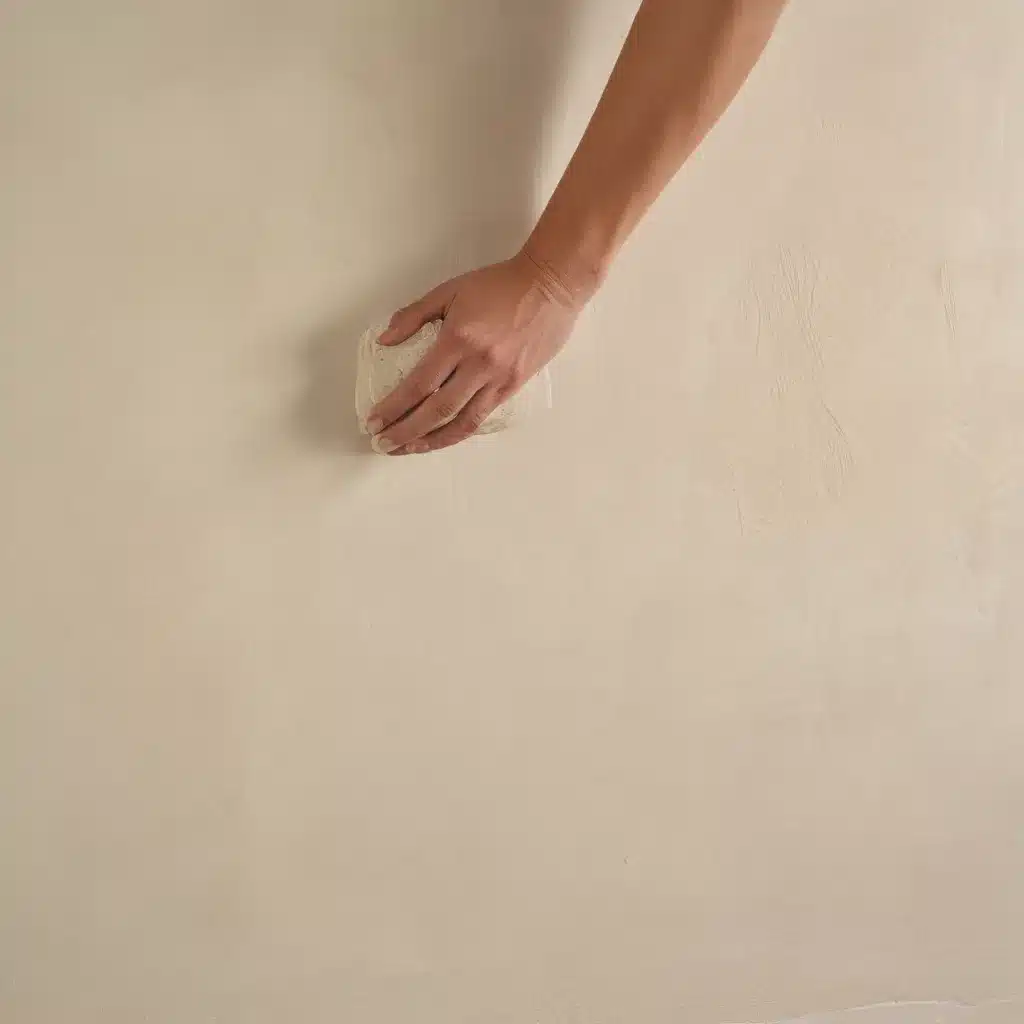
Picture this: you’re standing in the middle of a room, your hands running along the smooth, velvety surface of the wall. The faint scent of freshly-cut lime wafts through the air, and you can’t help but marvel at the sheer beauty of the material. But lime-based plasters are more than just a pretty face – they’re a game-changer in the world of sustainable construction.
You see, traditional cement-based plasters are notorious for their energy-intensive manufacturing process and their contribution to greenhouse gas emissions. In contrast, lime-based plasters are produced using a much more eco-friendly method, with a significantly lower carbon footprint. This is because the lime used in these plasters is derived from natural sources, such as limestone, and is processed using renewable energy sources.
But the benefits of lime-based plasters don’t stop there. These materials are also highly breathable, meaning they allow moisture to pass through the walls, preventing the buildup of harmful condensation and mold. This not only creates a healthier living environment for occupants but also helps to regulate the temperature and humidity levels within a building, reducing the need for energy-intensive heating and cooling systems.
The Science Behind Lime-Based Plasters
Now, I know what you’re thinking – “That all sounds great, but how does it actually work?” Well, let me break it down for you.
The magic of lime-based plasters lies in their unique chemical composition. When limestone is heated and processed, it undergoes a chemical transformation, becoming calcium oxide. This substance, commonly known as “quicklime,” is then mixed with water to form a lime putty, the primary ingredient in lime-based plasters.
As the lime putty dries and hardens, it undergoes a process called carbonation, where the calcium oxide reacts with carbon dioxide in the air to form calcium carbonate. This transformation not only helps the plaster to harden and strengthen over time but also allows it to absorb and sequester atmospheric carbon dioxide, further enhancing its environmental benefits.
Furthermore, the porous nature of lime-based plasters means that they can absorb and release moisture as needed, helping to regulate the humidity levels within a building. This moisture-buffering effect can not only improve indoor air quality but also contribute to a more comfortable and energy-efficient living environment.
Putting Lime-Based Plasters to the Test: Real-World Applications
But enough with the technical jargon – let’s get down to the nitty-gritty of how lime-based plasters can be applied in real-world situations. I’m proud to say that I’ve had the opportunity to work with these incredible materials on a number of projects, and the results have been nothing short of astounding.
Take, for example, the case of a historic manor house we renovated in the heart of Aberdeenshire. The original plaster on the walls had deteriorated over the centuries, leaving the structure vulnerable to moisture damage and drafts. Rather than opting for a quick-fix solution, we decided to go with a lime-based plaster system, carefully selected to complement the building’s unique character and architectural style.
The transformation was nothing short of remarkable. The new lime plaster not only helped to restore the manor’s striking aesthetic, but it also worked to regulate the indoor climate, keeping the rooms warm and cozy during the chilly Scottish winters. And as an added bonus, the plaster’s ability to absorb and sequester carbon dioxide helped to offset the building’s environmental impact, making it a truly sustainable renovation project.
But the benefits of lime-based plasters don’t stop there. I’ve also had the pleasure of working with them in more contemporary settings, such as a sleek, modern apartment in the heart of Aberdeen. Here, the lime plaster’s ability to create a seamless, velvety-smooth finish perfectly complemented the minimalist design, while its moisture-regulating properties helped to maintain a comfortable and healthy indoor environment.
The Future of Sustainable Plastering: A Lime-Fueled Revolution
As I’ve delved deeper into the world of lime-based plasters, I’ve become increasingly convinced that they hold the key to a more sustainable future in the construction and renovation industry. With their impressive environmental credentials, coupled with their ability to create stunning, high-quality finishes, these ancient materials are poised to revolutionize the way we think about plastering and home improvement.
But don’t just take my word for it. I’ve had the opportunity to speak with industry experts, researchers, and homeowners who have all been captivated by the magic of lime-based plasters. From architects and designers who revel in the material’s endless creative possibilities to environmentalists who applaud its carbon-sequestering properties, the enthusiasm for this sustainable solution is palpable.
As I look to the future, I can’t help but feel excited about the role that lime-based plasters will play in shaping the built environment of tomorrow. Whether you’re a homeowner seeking to breathe new life into your property or a developer looking to create sustainable, high-performance buildings, these remarkable materials offer a multitude of benefits that simply can’t be ignored.
So, if you’re ready to explore the wonders of lime-based plasters and unlock the secrets of sustainable plastering, I encourage you to visit our website and get in touch. Together, we can embark on a journey of innovation, creativity, and environmental stewardship, one plaster application at a time.


