
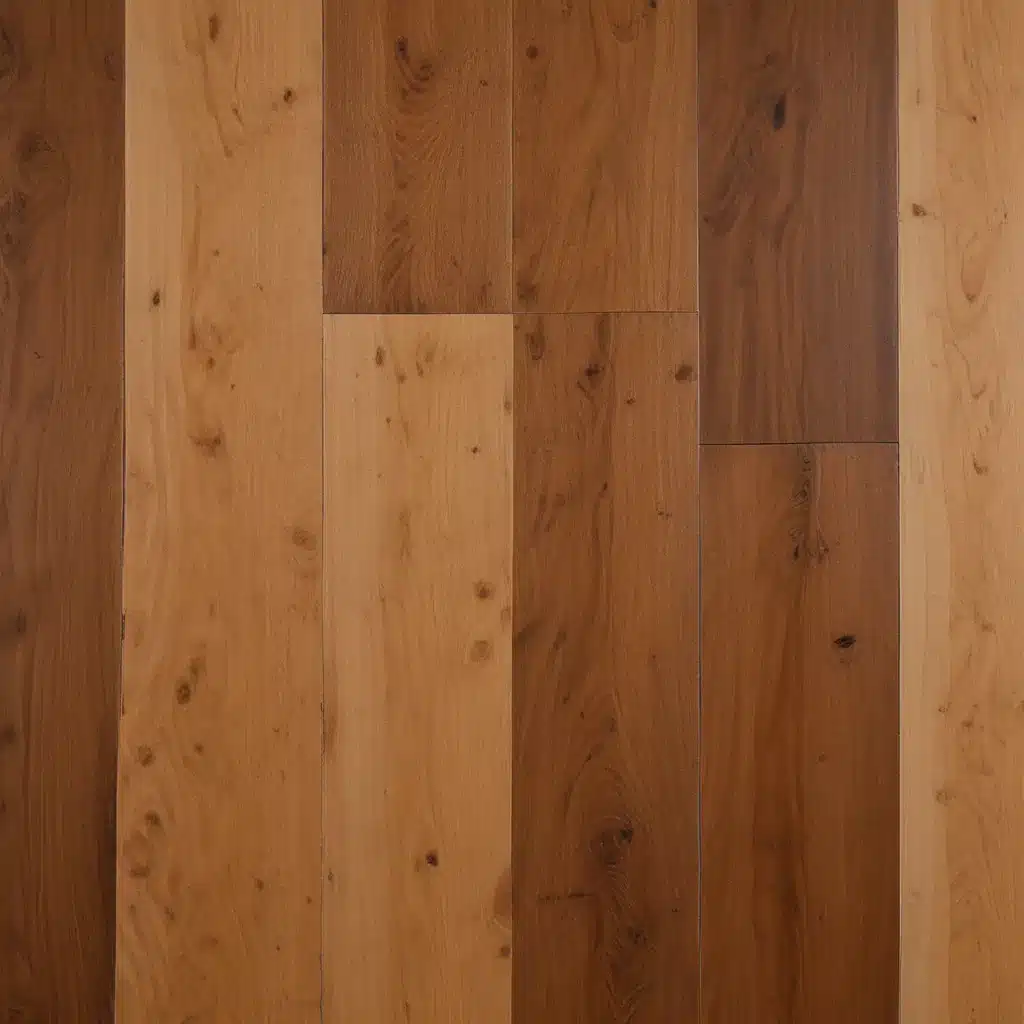
The Allure of Natural Wood Finishes
As a passionate woodworker and the owner of a building and renovation company in Aberdeen, UK, I’ve always been drawn to the natural beauty and timeless charm of wood. But when it comes to finishing and preserving those gorgeous wooden surfaces, I’ve found that many conventional products simply don’t live up to my standards. That’s why I’ve become a staunch advocate for using renewably sourced natural oils – they not only bring out the best in the wood, but they also align with my commitment to sustainability and eco-friendly practices.
You see, I believe that the true essence of wood lies in its organic, living nature. Those intricate grains, the subtle variations in hue, the way the material responds to the touch – it’s all a testament to the wood’s natural origins. And when I apply a synthetic, chemical-laden finish, I can’t help but feel like I’m masking that intrinsic beauty, rather than enhancing it.
That’s where natural oils come into play. These plant-based, renewable alternatives don’t just sit on the surface; they actually penetrate deep into the wood, nourishing and protecting it from within. And the best part? They leave behind a gorgeous, low-sheen finish that amplifies the wood’s natural radiance, rather than overpowering it.
The Science Behind Natural Wood Finishes
Now, I know what you might be thinking: “Aren’t natural oils just as harmful as their synthetic counterparts?” Well, my friend, let me enlighten you on the science behind these remarkable substances.
Unlike their chemical-laden cousins, natural oils like linseed, tung, and Danish oil are derived directly from renewable plant sources. They don’t contain any of the nasty volatile organic compounds (VOCs) or toxic additives that can be found in many conventional wood finishes. Instead, they’re composed of triglycerides – complex molecules that bond with the wood on a molecular level, creating a durable, protective layer without compromising the material’s inherent breathability.
And the best part? These natural oils are biodegradable, meaning they can be easily broken down by microorganisms in the environment, leaving behind no harmful residues. It’s a win-win for both the wood and the planet, if you ask me.
But the benefits of natural oils don’t stop there. These versatile finishes are also incredibly easy to maintain and repair. If the surface starts to show signs of wear and tear, you can simply apply a fresh coat without having to strip the entire piece. And because natural oils penetrate so deeply, they won’t peel or flake like some synthetic finishes, ensuring your wooden treasures stay looking their best for years to come.
Choosing the Right Natural Oil for Your Project
Now, I know what you’re thinking: “Okay, natural oils sound great, but how do I know which one to use?” Well, my friends, that’s where my expertise as a building and renovation professional comes in handy.
You see, not all natural oils are created equal. Each one has its own unique properties and applications, and choosing the right one can make all the difference in the final outcome of your project. Take linseed oil, for example – it’s a classic choice that provides a warm, amber-hued finish and excellent water resistance. Perfect for indoor furniture and cabinetry.
On the other hand, tung oil is known for its incredible durability and moisture resistance, making it a stellar option for outdoor projects like decking and garden furniture. And then there’s Danish oil, a blend of natural oils and resins that offers a silky-smooth finish and excellent penetration, ideal for high-traffic areas like floors and tabletops.
But the real trick is in understanding how these oils interact with the specific type of wood you’re working with. Some species, like oak and mahogany, may react differently to certain oils, so it’s important to do your research and test a small area before committing to a full application.
Mastering the Art of Natural Oil Application
Now, I know what you’re thinking: “Sounds great, but how do I actually apply these natural oils?” Well, my friends, let me tell you, it’s an art form in and of itself.
You see, the key to getting the most out of your natural oil finishes is all about proper preparation and technique. It’s not as simple as just slapping on a coat and calling it a day. Oh no, no, no. You’ve got to take your time, pay attention to the details, and really let the oil soak in.
First and foremost, you’ve got to make sure your wooden surface is clean, dry, and free of any existing finishes or contaminants. A quick sanding with a fine-grit paper can work wonders in helping the oil penetrate deep into the pores.
Next, it’s all about the application. I like to use a high-quality natural bristle brush or a clean, lint-free cloth, and I always make sure to apply the oil in thin, even coats, giving it ample time to soak in before adding another layer. It’s a slow, methodical process, but trust me, the end result is worth it.
And let’s not forget about the drying time. Natural oils can take a bit longer to fully cure than their synthetic counterparts, so you’ve got to be patient and let the piece sit for a day or two before putting it to use. But the wait is well worth it, my friends, because once that oil has had a chance to really sink in and work its magic, you’ll be rewarded with a surface that’s not only gorgeous, but also incredibly durable and long-lasting.
The Environmental Advantages of Natural Oils
Now, I know what you’re thinking: “That’s all well and good, but what about the environmental impact of using these natural oils?” Well, my friends, let me tell you, that’s one of the biggest reasons I’m such a staunch advocate for these renewable finishes.
You see, unlike their synthetic counterparts, natural oils like linseed, tung, and Danish oil are derived directly from plant-based sources. They don’t rely on the extraction and processing of fossil fuels, which can have a pretty hefty carbon footprint. And the best part? These natural oils are completely biodegradable, meaning they can be broken down by microorganisms in the environment, leaving behind no harmful residues or pollutants.
But the environmental benefits of natural oils don’t stop there. These finishes are also incredibly low in volatile organic compounds (VOCs), which are the nasty chemicals that can contribute to air pollution and poor indoor air quality. And let’s not forget about the fact that they’re non-toxic, making them a much safer and healthier option for both you and your family.
And as if that wasn’t enough, the very act of sourcing and producing these natural oils can actually have a positive impact on the environment. Many of the plants used to create these finishes, like flax and tung trees, are actually renewable resources that can be cultivated and harvested in a sustainable manner. It’s a true win-win for both the planet and the people who call it home.
Real-Life Success Stories with Natural Oils
Now, I know what you’re thinking: “Alright, this all sounds great in theory, but how do these natural oils perform in the real world?” Well, my friends, let me tell you, I’ve got a few success stories up my sleeve that are sure to convince you.
Take, for example, the case of my good friend and fellow woodworker, Jenna. She came to me a few years back, utterly frustrated with the synthetic finishes she’d been using on her custom-built kitchen cabinets. The surfaces were peeling, cracking, and just generally looking worse for wear, and she was desperate for a solution.
Well, I introduced Jenna to the wonders of natural oils, and let me tell you, the transformation was nothing short of remarkable. We started with a thorough cleaning and light sanding, and then applied a few coats of high-quality Danish oil. The results were nothing short of stunning – the wood came alive with a warm, silky-smooth finish that not only looked amazing but also provided an incredibly durable and long-lasting protection.
And the best part? Jenna reports that those cabinets are still going strong, even after years of heavy use and the occasional spill or scrape. No peeling, no cracking, just a beautiful, natural glow that makes her kitchen the envy of the entire neighborhood.
But Jenna’s story is just the tip of the iceberg. I’ve had countless other clients come to me, raving about the incredible results they’ve achieved with natural oil finishes on everything from hardwood floors to outdoor furniture. It’s a testament to the power and versatility of these remarkable plant-based products.
Conclusion: A Sustainable, Beautiful Future with Natural Oils
As I reflect on my journey with natural wood finishes, I can’t help but feel a sense of pride and excitement for the future. You see, I truly believe that these renewable, eco-friendly alternatives are the key to unlocking the true beauty and longevity of wood, all while doing our part to protect the planet we call home.
Sure, there’s a bit more effort and attention to detail involved in working with natural oils, but trust me, my friends, the payoff is more than worth it. When I see the way these finishes bring out the very essence of the wood, enhancing its natural grain and hue, I can’t help but feel a deep sense of connection and appreciation for the material.
And let’s not forget about the environmental benefits – the fact that these oils are biodegradable, low in VOCs, and sourced from sustainable, renewable resources is just the icing on the cake. It’s a way for me, as a building and renovation professional, to not only create beautiful, long-lasting projects but also to do so in a way that aligns with my values and commitment to sustainability.
So, if you’re a fellow wood enthusiast like me, or simply someone who’s looking to bring a touch of natural beauty and eco-friendliness into your home, I urge you to give natural oils a try. Trust me, once you experience the magic of these remarkable plant-based finishes, you’ll never go back to the synthetic stuff. The future of wood finishing is bright, my friends, and it’s all thanks to the power of nature.


